
Reviewed · COFFEE EXPERIENCES
Unique Ethiopian Cooking Class and Coffee Ceremony with a Local in Addis Ababa
Food opens the door to real Addis Ababa. This three-hour experience takes you beyond restaurant tables and into Daniel and Tigist’s home, where you learn to prepare Ethiopian food in a working family kitchen. I like the personal setting and the chance to see how injera and coffee fit into daily life, not just how they appear on a menu.
I also like the flexibility: you can choose a lunch or dinner session, and the activity is private for your group. The main point to consider is the location. The home sits on the outskirts of Addis Ababa, and hotel pickup is not included, so reaching the unnamed meeting point may take planning.
In This Review
- Key points to know before booking
- Entering a family home on the edge of Addis Ababa
- Learning why injera takes patience
- Shiro, tibs, and a menu that follows the season
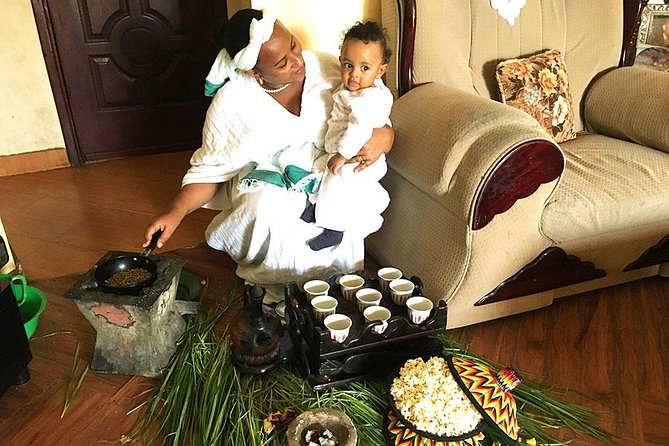
- Roasting coffee from raw beans
- A market visit may add useful context
- How private hosting changes the experience
- Meeting the people behind the meal
- Lunch or dinner in a neighborhood away from the center
- Dietary needs, timing, and comfort
- Who will get the most from this Addis Ababa food experience?
- Is this Ethiopian cooking class worth $116?
- Should you book it?
- FAQ
- Where does the cooking class take place?
- How long does the experience last?
- Is the activity private?
- Is hotel pickup included?
- Where does the activity start and end?
- What food might I learn to prepare?
- Can I request vegetarian food?
- Can I report allergies or dietary restrictions?
- Is coffee included in the experience?
- Can I request an additional dish?
Key points to know before booking
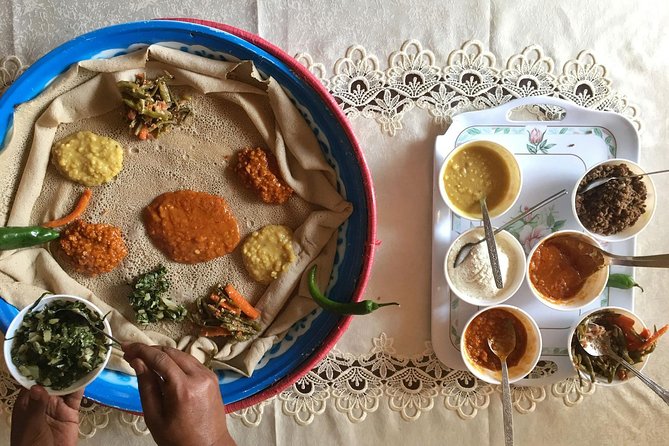
- Injera is the main lesson: You learn how to pour and cook Ethiopia’s famous fermented flatbread, then eat it with the meal.
- Daniel and Tigist host at home: This is a family visit, not a polished commercial kitchen or a large group class.
- Coffee starts with raw beans: You roast the beans yourself before taking part in a traditional coffee ceremony.
- The menu can change: Depending on the season, you might prepare shiro, tibs, or another Ethiopian dish.
- Lunch or dinner is available: Evening and weekend sessions may include meeting the couple’s three boys.
- The $116 price buys privacy: It covers the class, meal, beverages, taxes, and gratuities, but not transportation to or from the meeting point.
Entering a family home on the edge of Addis Ababa
The first part of this experience is not about food. It is about setting.
Daniel and Tigist live in a calmer, greener neighborhood outside central Addis Ababa. Their home is described as clean, comfortable, and homey, with photographs of their three boys. If you book an evening or weekend session, the children may be around, adding an ordinary family note to the visit.
That detail matters. You are not entering a cooking studio built for tourists. You are visiting a real home where the hosts cook, eat, and spend time together. I find that setting more revealing than a formal classroom because small things become part of the experience: the kitchen layout, the rhythm of preparation, and the way food is shared.
The tradeoff is distance. Central Addis Ababa is spread out, and the meeting point is given as an unnamed road rather than a familiar attraction. Hotel pickup and drop-off are not included. Confirm the exact meeting instructions before setting out, and allow extra time if you are coming from central Addis Ababa.
More coffee ceremonies:
Learning why injera takes patience
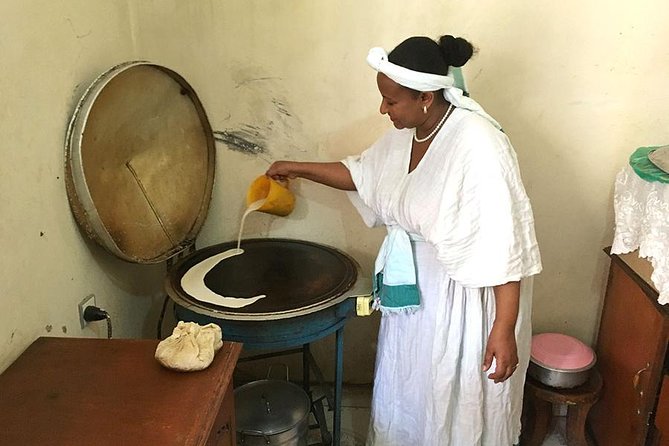
Injera is the heart of the class.
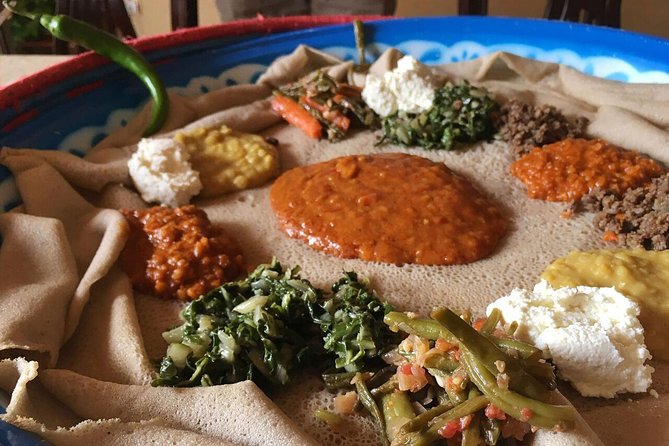
This soft, porous flatbread is made from fermented batter and serves as both plate and utensil in many Ethiopian meals. You use pieces of injera to pick up stews, meat, and vegetables, so learning how it is poured and cooked gives you a better feel for the meal that follows.
Tigist leads the cooking instruction, showing you how to make the batter into a thin round layer and how to cook it properly. The supplied information does not promise that you will prepare every step from raw grain or spend several days on fermentation, so you should think of this as a practical introduction rather than a full professional course.
Still, the lesson has real value. Injera looks simple when it arrives at a restaurant, but getting the texture right takes practice. You will see how the flatbread is handled and why its spongy surface works so well with Ethiopian sauces.
The class lasts about two hours, leaving time for the coffee ceremony and the meal. If you want to learn an extra dish, add that request when booking. It will extend the cooking time, so do not schedule a tight appointment immediately afterward.
Shiro, tibs, and a menu that follows the season
The additional dish depends on the menu and the season.
You might prepare shiro, a smooth stew made with chickpea or broad bean flour, or tibs, stir-fried meat cooked with vegetables and spices. These dishes offer two different introductions to Ethiopian cooking. Shiro is comforting and saucy, while tibs gives you a closer look at the use of meat, seasoning, and quick cooking.
A vegetarian option is available, but you need to request it when booking. The same applies to allergies, dietary restrictions, and cooking preferences. This is especially important in a home kitchen, where advance notice gives the hosts time to plan the menu.
Do not expect a fixed restaurant menu. Seasonal ingredients can change what you prepare. That is part of the appeal, but it also means you should book this for the learning and hospitality, not for a guaranteed dish beyond the stated possibilities.
After cooking, you eat the food you helped prepare. The meal is included, along with beverages, so you are not paying an additional charge once the class ends.
Roasting coffee from raw beans
The coffee portion gives this experience its second strong focus.
You learn to roast coffee beans rather than simply receiving a finished cup. That small step changes the ceremony from a tasting into a process. You can see how the beans begin in their raw state and become the base for the coffee served afterward.
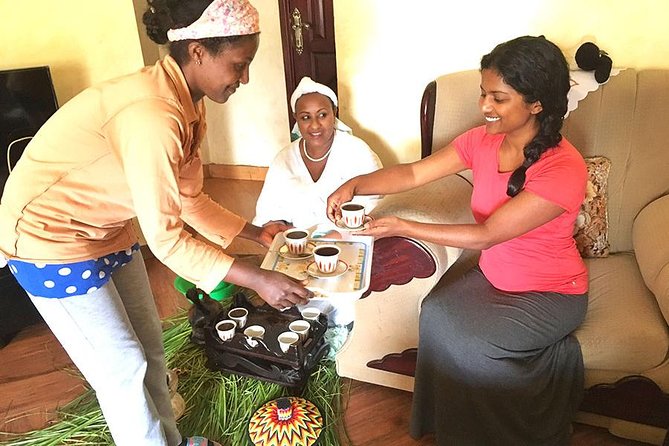
The ceremony is a traditional Ethiopian custom and an important part of social life. Here, it follows the cooking class and meal, giving the afternoon or evening a slower finish. I like that the activity includes both hands-on preparation and time to sit together. You are not rushed from one demonstration to the next.
The available details do not specify every stage of the ceremony or the number of servings, so it is best to view this as an introduction rather than a formal cultural performance. The emphasis is on sharing coffee with your hosts in their home.
For many people, this will be the most memorable part. The coffee is not just a beverage at the end of the lesson. It gives you a reason to pause, talk with Daniel and Tigist, and connect the food to Ethiopian family life.
More cooking classes:
- Addis abeba Full Cooking class.
★ 5.0 · 6 reviews - Private Ethiopian Home Cooking Class in Addis Ababa with Transfer
★ 5.0 · 5 reviews
A market visit may add useful context
Some arrangements have included a stop at a local market with Daniel before the cooking begins. At the market, he has discussed herbs and spices while buying ingredients for the meal.
That is a fine addition because it connects the kitchen lesson to shopping and everyday cooking. You get to see where the ingredients begin, then recognize them later in the food.
However, do not assume a market visit is guaranteed as part of every booking. The core experience is the home cooking class, meal, and coffee ceremony. If a market stop matters to you, ask about it in advance rather than building your plans around it.
How private hosting changes the experience
This is a private activity, meaning only your group participates. That makes a difference if you want to ask questions, move at your own pace, or discuss food preferences without keeping up with strangers.
It also makes the $116 per-person price easier to judge. For one person, the cost is substantial for a three-hour activity. For a couple, family, or small group, the private format gives you more personal time with the hosts. Group discounts may also be available, so check the total cost for your party instead of judging the experience only by the individual rate.
The price includes the cooking class, meal, beverages, taxes, fees, handling charges, and gratuities. That all-in structure is helpful. You do not need to calculate a tip at the end or wonder if the meal carries an extra charge.
The price does not include transportation. Since the home is outside the city center and the original meeting instructions may require careful confirmation, this is the main practical cost beyond the advertised rate.
Meeting the people behind the meal
Daniel and Tigist are the central reason to book this experience.
Daniel hosts the visit, while Tigist provides the cooking instruction. Their home and family give the class an easygoing, personal quality that a regular demonstration cannot match. You can ask about food, family life, and cooking habits while the meal takes shape.
The experience has also been especially well suited to families and groups. One booking included six family members, all adults, for a Thanksgiving evening in the home. Another included a Sunday cooking class and afternoon meal with Daniel, Tigist, and their three children.
Those details suggest a welcoming format for people who enjoy conversation as much as technique. If you want a quiet, tightly timed lesson with a professional chef and printed recipes, this may feel informal. If you want to share a meal and learn directly from local cooks, the informality is the point.
Lunch or dinner in a neighborhood away from the center
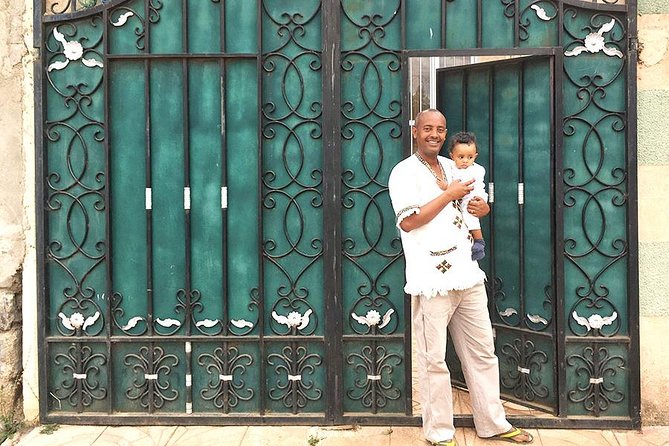
You can choose a lunch or dinner session, which helps fit the activity into a busy Addis Ababa schedule.
A lunch booking can work well on a day when you want a substantial cultural activity without staying out late. A dinner session may feel more like a family visit, especially if the children are home. Either option includes the cooking lesson, meal, and coffee experience.
The neighborhood setting also gives you a different view of the city. Central Addis Ababa has the museums, restaurants, and major sights, but the outskirts show a quieter side of daily life. I would not book this expecting sightseeing along the route. Book it for the change of setting and the time spent inside the home.
Because the end point is the same meeting point, you will need to arrange your own return. Public transportation is nearby, but the experience does not include a hotel transfer.
Dietary needs, timing, and comfort
Tell the provider about allergies, dietary restrictions, and preferences when you book. Vegetarian cooking is available with advance notice.
The activity lasts approximately three hours, with about two hours devoted to cooking. Requesting an additional dish extends the cooking time, so factor that into your day.
Service animals are allowed, and the activity is near public transportation. The home is described as clean and comfortable, but no detailed accessibility information is provided. If you have mobility, seating, or other access needs, ask for specifics before booking.
Confirmation is sent within 48 hours, subject to availability. You can cancel for a full refund if you do so at least two full days before the local start time. Changes made inside that period are not accepted, so keep your schedule firm.
Who will get the most from this Addis Ababa food experience?
I would recommend this class to you if you enjoy:
- Learning by doing rather than watching a chef work from a distance
- Trying Ethiopian food with a local family
- Small, private activities
- Coffee traditions and food rituals
- Flexible menus and informal conversation
- A visit outside central Addis Ababa
Families, couples, and small groups should find the private format particularly useful. The class also suits first-time visitors who want an introduction to Ethiopian food before ordering in restaurants.
I would be more cautious if you have limited time in Addis Ababa and cannot spare half a day, or if you need hotel transport included. The meeting point may take time to reach, and the experience is not designed as a central-city sightseeing tour.
The cooking itself is hands-on, but you should not confuse it with a culinary qualification. You are learning a few traditional dishes and sharing a meal, not completing a full course in Ethiopian cuisine.
Is this Ethiopian cooking class worth $116?
At $116 per person, this is not the cheapest way to eat in Addis Ababa. You can find a less expensive meal elsewhere, and a standard restaurant will not require travel to an outlying neighborhood.
But the price covers more than lunch or dinner. You receive a private class, instruction from Tigist, hosting by Daniel, a meal, beverages, a coffee-roasting activity, a traditional ceremony, taxes, fees, and gratuities. You also get access to a family home and conversation that would be difficult to arrange independently.
For a small group, the value improves if a group discount applies. For a solo visitor, the cost deserves closer thought, especially after adding transportation. I would consider it good value if you care about personal contact and food traditions, but poor value if you only want a quick cooking demonstration.
Should you book it?
Book this experience if you want a personal look at Ethiopian home cooking, not a standard tourist class. Injera, shiro or tibs, raw coffee beans, and time with Daniel and Tigist give the visit a clear sense of place.
Before paying, confirm the meeting point, transportation plan, menu request, and whether a market stop is included. With those details settled, this is one of the more distinctive food activities available in Addis Ababa.
Skip it if you need hotel pickup, a fixed menu, or a central location. For everyone else, especially couples, families, and small groups, the private home setting makes the $116 price defensible.
FAQ
Where does the cooking class take place?
It takes place in Daniel and Tigist’s home kitchen in an outlying neighborhood of Addis Ababa.
How long does the experience last?
The experience lasts approximately three hours, with about two hours devoted to cooking.
Is the activity private?
Yes. Only your group participates in the private cooking class and coffee experience.
Is hotel pickup included?
No. Hotel pickup and drop-off are not included.
Where does the activity start and end?
The stated start point is an unnamed road in Addis Ababa. The activity ends back at the meeting point.
What food might I learn to prepare?
You will learn to prepare injera and may also learn to make shiro or tibs. The menu can vary by season.
Can I request vegetarian food?
Yes. A vegetarian option is available, but you should request it when booking.
Can I report allergies or dietary restrictions?
Yes. You should provide information about allergies, dietary restrictions, and cooking preferences when you book.
Is coffee included in the experience?
Yes. You learn to roast coffee beans and take part in a traditional coffee ceremony. Beverages are included.
Can I request an additional dish?
Yes. Add the request to the notes section when booking. An additional dish will extend the cooking time.
More coffee experiences
- Vintage Coffee Shops, Restaurants, Sightseeing in Addis Ababa
★ 5.0 · 17 reviews - Ethiopian Culinary Tour – Market, Coffee Ceremony and More
★ 5.0 · 10 reviews - Coffee Cupping Tour in Addis Ababa
★ 5.0 · 5 reviews - Addis Ababa City Experience : Markets, Coffee & Local Life
★ 4.8 · 5 reviews
More hands-on workshops
- Addis Ababa City Tours With Cocking Class of Ethiopian Food
★ 5.0 · 20 reviews - Ethiopia coffee cupping class/Ethiopian food injera making
★ 5.0 · 10 reviews - Latin Dance Class
★ 5.0 · 4 reviews
Just added around Addis Ababa
- 10 Days in Northern Ethiopia Tours★ 4.5 · 3 reviews
- Day Trip to Tiya UNESCO Site & Melka Kunture Archaeological Site★ 4.5 · 3 reviews
- Two days Lake Wenchi and Menagesha Forest★ 5.0 · 3 reviews
- 6 days 5 nights Addis Abeba sightseeing & Lalibela Rock-Hewn Churches★ 5.0 · 3 reviews
- Addis Ababa Half Day Shopping Tour★ 5.0 · 3 reviews
- 12- Day Historical Route of Ethiopia★ 5.0 · 3 reviews
- 6 days Omo valley cultural Tour★ 5.0 · 3 reviews
- Addis Ababa at a Glance★ 5.0 · 3 reviews
Coffee Experiences, compared.
Ethiopian Culinary Tour – Market, Food, Coffee Ceremony & more
Read our review →
Market Tour and Cooking Class with a Coffee Ceremony at a Home in Addis Ababa
Read our review →
Vintage Coffee Shops, Restaurants, Sightseeing in Addis Ababa
Read our review →
Ethiopian Cooking Class and Coffee Ceremony with a Local in Addis with transfers
Read our review →
Ethiopia coffee cupping class/Ethiopian food injera making
Read our review →
Ethiopian Culinary Tour – Market, Coffee Ceremony and More
Read our review →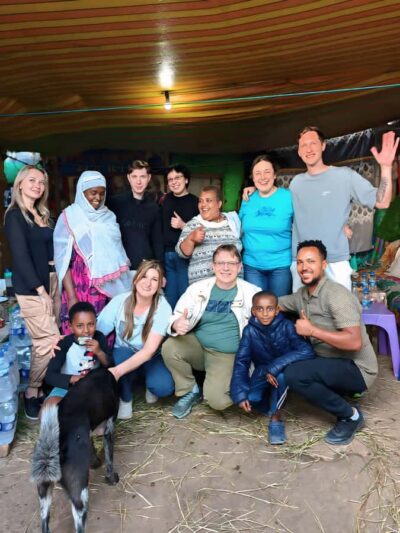
Addis Ababa City Experience : Markets, Coffee & Local Life
Read our review →
Lalibela: Churches Full-Day Private Tour w/Coffee Ceremony
Read our review →Browse the lists this tour appears in