

Reviewed · FOOD & DRINK
Addis Ababa City Tours With Cocking Class of Ethiopian Food
Addis Ababa tastes better when you cook it. This private experience combines city sights, a market visit, a home-style meal, and a traditional coffee ceremony, giving you a useful introduction to Ethiopia beyond the usual bus tour. I especially like the chance to buy ingredients at Merkato and prepare injera, shiro, and mesir wot with local hosts. I also like that airport pickup and return are built in, which makes the tour practical during a long Addis Ababa layover.
The main drawback is the length and traffic. The listed duration is about 1 day and 10 hours, an unusually long figure for a one-day outing, so you should confirm the exact schedule before booking. Museum hours can also affect the plan, as one Monday visit had to skip the Ethnological Museum.
In This Review
- Key points at a glance
- Why this Addis Ababa tour works well
- Starting at Bole Airport or your hotel
- The Ethnological Museum in Haile Selassie’s former palace
- Merkato, where shopping becomes part of the tour
- From market ingredients to a home kitchen
- What you prepare: injera, shiro, and mesir wot
- The Ethiopian coffee ceremony
- Transport, timing, and the value of a private group
- Who should book this experience?
- Booking advice and final verdict
- FAQ
- Where does the tour start?
- How much does the tour cost?
- How long does the tour last?
- Is airport pickup included?
- Is transportation included?
- Is the tour private?
- What food do you prepare?
- Is lunch included?
- Is dinner included?
- Is the Ethnological Museum always part of the tour?
- Can I cancel for a full refund?
Key points at a glance
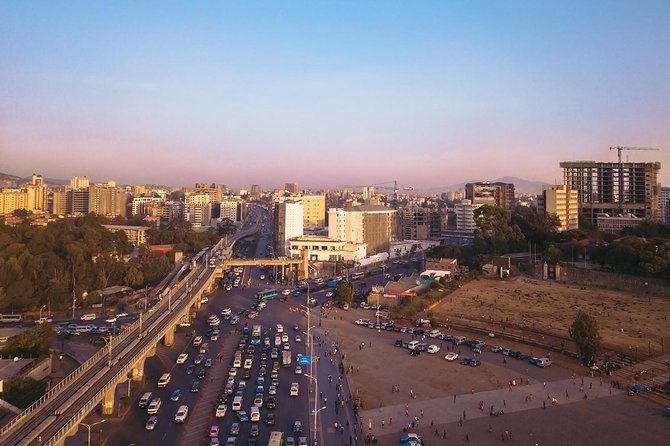
- A market-to-kitchen route: You shop for cooking ingredients at Merkato before preparing lunch in a staff member’s home.
- Three Ethiopian dishes: The class covers injera, chickpea-based shiro, and red-lentil mesir wot.
- A strong layover option: Pickup begins at Bole Airport and ends at the airport or your hotel.
- The former imperial palace: The Ethnological Museum occupies the old palace of Emperor Haile Selassie.
- A private outing: Only your group participates, with an English-speaking guide and professional driver.
- A proper coffee ceremony: Ethiopian coffee is part of the meal experience, not just a quick café stop.
Why this Addis Ababa tour works well

I see this as two experiences joined together. The first half introduces Addis Ababa through a museum and market. The second half moves into food, family life, and coffee. That combination gives you context for what you see on the road and what later appears on your plate.
At $90 per person, the price includes transportation, entrance fees, market ingredients, an English-speaking guide, lunch, bottled water, and Ethiopian coffee. That is a fair package if you are arriving on an international flight or have several hours between flights. You are not simply paying for a meal. You are also paying for a private car, local navigation, market shopping, and a guide who can explain the city.
The private format matters. Your group does not have to follow the pace of a large coach. Previous outings with Joseph, Yoseph, Jocy, Neway, and drivers such as George and Bart were praised for punctual pickups, flexible timing, and clear explanations. Guide availability can change, so you should request a preferred guide such as Joseph when booking, but do not assume that person is guaranteed.
More hands-on workshops:
- Market Tour and Cooking Class with a Coffee Ceremony at a Home in Addis Ababa
★ 5.0 · 32 reviews - Ethiopian Cooking Class and Coffee Ceremony with a Local in Addis with transfers
★ 5.0 · 14 reviews - Ethiopia coffee cupping class/Ethiopian food injera making
★ 5.0 · 10 reviews
Starting at Bole Airport or your hotel
The scheduled meeting point is Bole Airport in Addis Ababa, with hotel pickup also available. This is one of the tour’s strongest practical features. If your international flight arrives early and your next flight leaves late at night, a private city outing can turn an awkward airport wait into a real visit.
You will meet the staff after your arrival or at your hotel. From there, the driver handles the city roads while the guide provides the background. Several people praised the team for arriving on time and taking them back to the airport after the outing. That is important in Addis Ababa, where traffic can make a simple cross-town trip take much longer than expected.
You should still give yourself a generous return margin. The tour provider includes airport transfer, but no city tour can control road conditions or flight changes. Keep your passport, flight details, and contact information easy to reach.
The Ethnological Museum in Haile Selassie’s former palace
The first planned stop is the Ethnological Museum, located on the main campus of Addis Ababa University. The building was formerly the palace of Emperor Haile Selassie, giving the visit interest beyond the displays themselves.
The museum focuses on anthropological, musicological, and cultural objects. It is also described as the first university museum in Ethiopia and houses the Institute of Ethiopian Studies. For a first visit to Addis Ababa, this is a useful place to begin because it connects everyday customs with Ethiopia’s wider cultural story.
I like the setting because it gives the tour a clear starting point. You are not just looking at isolated objects. You are entering a former royal residence and then moving into a working city and local kitchen. That progression helps the day feel connected.
The drawback is scheduling. The museum may be closed on Mondays, and one outing had to replace that stop with a shorter city tour. Ask about opening days before you confirm the date. If the museum is unavailable, you should also ask which stop will take its place.
Merkato, where shopping becomes part of the tour
The next major stop is Merkato, an enormous open-air market established by the Italians around 1937. It covers several square miles and is described as employing about 13,000 people across 7,100 business entities.
The important point is that you do not visit only to look around. You shop for the ingredients used later in the cooking class. That gives the market visit a purpose and makes it easier to understand what you are seeing. Spices, grains, and other food items become part of the meal rather than random purchases.
Merkato can be crowded and intense, so stay close to your guide and follow advice about where to walk and what to photograph. The private vehicle is useful here because you can leave your bags in the car rather than carrying everything through the market.
I would not treat this as a relaxed shopping mall stop. It is an active commercial district, and the appeal comes from observing daily trade and selecting ingredients with help from someone who knows the area. If you prefer polished shops and quiet streets, this part may feel demanding. If you want a direct look at how food enters an Ethiopian kitchen, it is one of the most useful stops.
More food and drink experiences:
- Ethiopian Culinary Tour – Market, Food, Coffee Ceremony & more
★ 5.0 · 65 reviews - Hidden Treasures of Addis Ababa – Food, Culture and History Tour
★ 5.0 · 57 reviews - Food tours in Addis Ababa tastever with lunch
★ 5.0 · 9 reviews - city tour of Addis Ababa ( history ,culture , food and more)
★ 5.0 · 7 reviews
From market ingredients to a home kitchen
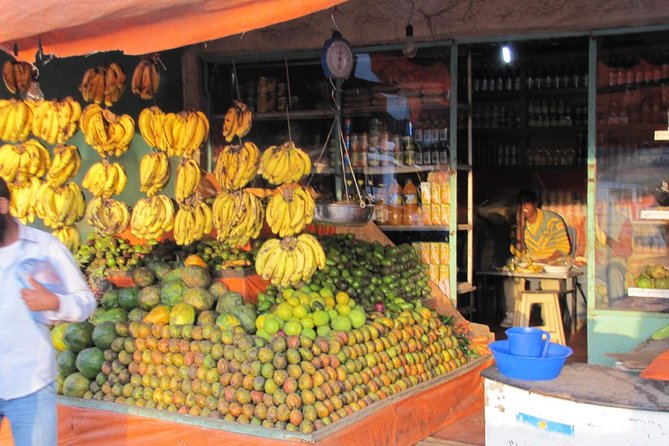
After shopping, you drive to a staff member’s house for the cooking session. This is the point where the tour becomes more personal than a standard city itinerary. You are not only being served a local dish. You are involved in preparing it in a home setting with the guide’s family.
The setting can vary, but one account described a cozy atmosphere and cooking with the guide’s family. That detail matters because the value of the class is social as much as culinary. You have time to ask questions, watch techniques, and see how a meal is prepared in a local household.
The information provided does not give a fixed class length, a detailed recipe, or a full list of cooking tasks. You should therefore ask how hands-on the session will be. At minimum, the stated plan includes buying ingredients and preparing the listed foods. Your role may be more active or more demonstrational depending on the day and the household.
The meal is included, along with bottled water and Ethiopian coffee. Dinner is not included, so plan another meal if your schedule continues into the evening.
What you prepare: injera, shiro, and mesir wot

The class centers on three familiar Ethiopian foods.
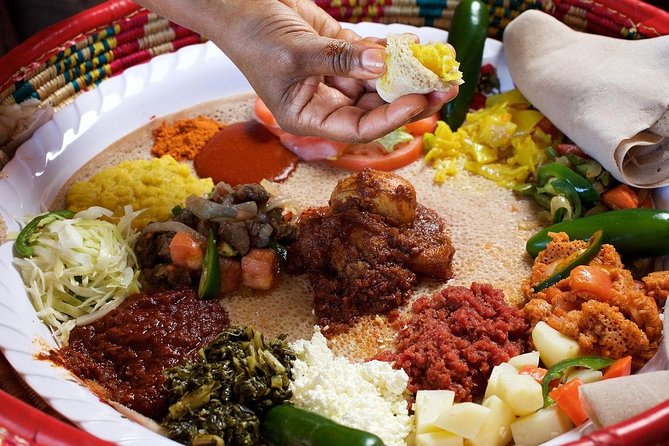
Injera, also written enjera, is Ethiopia’s national food in the tour description. It is eaten with your fingers and serves as both bread and utensil. You tear off a piece, use it to pick up the food, and eat the combination together. If you have never eaten this way, your guide can help you get comfortable with the technique.
Shiro is made from chickpea powder. It is a simple-sounding dish, but its flavor depends on the seasoning and preparation. Because it is based on a powdered legume, it is also a useful dish to know if you want a filling meat-free option.
Mesir wot uses split red lentils cooked in a spicy berbere sauce. Its red color comes from the seasoning, and it offers a different texture and heat level from shiro. The two stews served with injera show how Ethiopian food can build a full meal from a few central ingredients.
Food sensitivities and preferences should be discussed before the tour. The included plan does not promise a vegetarian, vegan, gluten-free, or allergy-specific menu. One past outing did find a vegetarian place for a guest, but that was a flexible arrangement rather than a stated feature of this cooking class.
The Ethiopian coffee ceremony
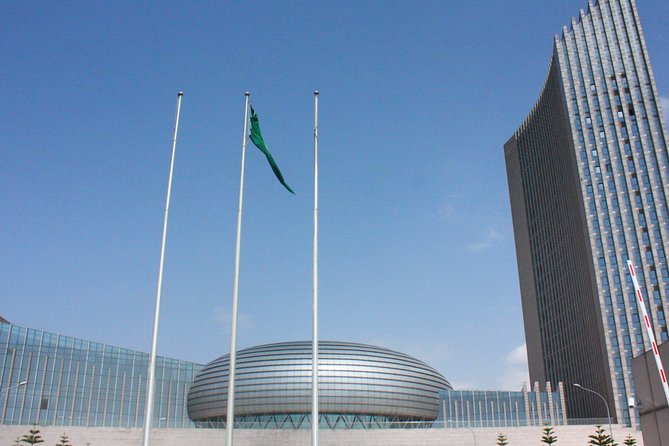
The coffee ceremony is the natural finish to the cooking experience. Ethiopia is closely associated with coffee, and the ceremony gives you more than a caffeine stop. It is a social ritual that slows the pace after the market and meal.
The tour includes Ethiopian coffee, and several outings made coffee a highlight. One account described trying a first Ethiopian coffee at Mount Entoto, while another praised the coffee stop and market as the best parts of a layover day. Those comments suggest that coffee is treated as a meaningful part of the visit, not a rushed add-on.
The exact ceremony steps are not listed, so do not expect a fixed performance with a guaranteed script. You can expect a traditional coffee experience as part of the home meal. Ask whether the ceremony will take place at the staff house or at another stop if the schedule changes.
Transport, timing, and the value of a private group
A professional driver and private vehicle are included. This is more valuable in Addis Ababa than it might first appear. The tour covers a museum, a large market, a private home, and airport or hotel transport. Having a driver removes the need to arrange separate taxis between each part of the day.
The experience is private, so only your group participates. That gives you room to ask questions and request reasonable adjustments. Past outings included extra flexibility for photography, food preferences, and short city stops. One person even used the guide’s help for a haircut during a photography-focused visit, which shows that the team can sometimes adapt when time allows.
The listed duration is approximately 1 day and 10 hours. Since that wording is not fully clear, confirm the start and finish times. The tour is marketed for both full city days and long layovers, but your flight schedule must allow enough time for traffic, airport procedures, and possible delays.
The tour requires good weather. If poor weather causes cancellation, you are offered another date or a full refund. Service animals are allowed, public transportation is nearby, and most people can participate, but the provided information does not describe wheelchair access or the physical demands of walking through Merkato.
Who should book this experience?
I would recommend it most strongly to first-time visitors, people on a long layover, and anyone who wants food to be the center of a city visit. It also suits travelers who prefer a private guide instead of joining a large group.
This is a good fit if you want:
- A city introduction with history and culture
- A market visit that leads into a cooking session
- A local lunch rather than a standard restaurant meal
- Airport pickup and return
- Time to ask questions and request minor adjustments
- A coffee ceremony in a personal setting
It is less suitable if you want a tightly timed museum-heavy tour, a formal cooking school, or a short half-day outing with no schedule uncertainty. Merkato is not designed as a calm stroll, and the cooking portion may not follow a detailed professional curriculum.
Booking advice and final verdict
Before paying, confirm three things: the exact duration, the guide assigned to your group, and whether the Ethnological Museum is open on your date. If you have a long flight connection, send the operator your arrival and departure times and ask for a firm return plan.
The $90 price offers solid value when you use the transport and airport service. Entrance fees, ingredients, lunch, water, coffee, a driver, and a private guide are all included. You still need to budget for personal expenses, gratuity, dinner, and alcoholic drinks.
Book this tour if you want Addis Ababa explained through places, people, and food. I would choose it for a long layover or a first day in the city, especially if you can secure a guide such as Joseph or Yoseph. Skip it if you need a short, rigid itinerary or a guaranteed museum visit on a Monday. Free cancellation is available up to 24 hours before the start time, but cancellations inside that window are not refunded.
FAQ
Where does the tour start?
The stated start point is Bole Airport in Addis Ababa, Ethiopia. Pickup from a hotel is also offered.
How much does the tour cost?
The listed price is $90 per person.
How long does the tour last?
The approximate duration is listed as 1 day and 10 hours. Confirm the exact timing before booking because that description is unusually long for a one-day city tour.
Is airport pickup included?
Yes. The staff can meet you after an international flight, and the tour ends with transfer to the airport or your hotel.
Is transportation included?
Yes. A car with a professional driver is included.
Is the tour private?
Yes. Only your group participates in the activity.
What food do you prepare?
The planned dishes are injera, shiro, and mesir wot.
Is lunch included?
Yes. Lunch, bottled water, and Ethiopian coffee are included.
Is dinner included?
No. Dinner and alcoholic drinks are not included.
Is the Ethnological Museum always part of the tour?
It is a planned stop, but it may be closed on Mondays. Ask about the schedule for your chosen date.
Can I cancel for a full refund?
Yes, if you cancel at least 24 hours before the experience starts. Cancellations or changes made less than 24 hours in advance are not refunded or accepted. If poor weather causes cancellation, you are offered another date or a full refund.
More food experiences
- Local Ethiopian Food Tour
★ 4.0 · 7 reviews - Half Day Food Tour Addis Ababa With Airport pickUp And Drop-Off
★ 5.0 · 4 reviews - Addis Food Tasting Tour
★ 5.0 · 4 reviews - Local Ethiopian Food Tour
★ 4.0 · 4 reviews
Just added around Addis Ababa
- 10 Days in Northern Ethiopia Tours★ 4.5 · 3 reviews
- Day Trip to Tiya UNESCO Site & Melka Kunture Archaeological Site★ 4.5 · 3 reviews
- Two days Lake Wenchi and Menagesha Forest★ 5.0 · 3 reviews
- 6 days 5 nights Addis Abeba sightseeing & Lalibela Rock-Hewn Churches★ 5.0 · 3 reviews
- Addis Ababa Half Day Shopping Tour★ 5.0 · 3 reviews
- 6 days Omo valley cultural Tour★ 5.0 · 3 reviews
- 12- Day Historical Route of Ethiopia★ 5.0 · 3 reviews
- Northern Ethiopia (Historic route)★ 5.0 · 3 reviews
Food & Drink, compared.
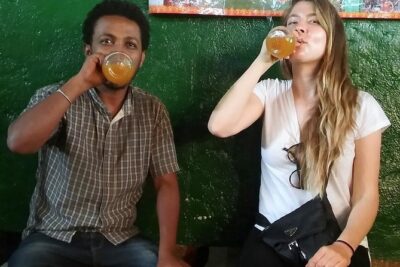
Ethiopian Culinary Tour – Market, Food, Coffee Ceremony & more
Read our review →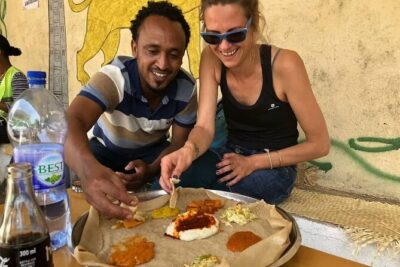
Hidden Treasures of Addis Ababa – Food, Culture and History Tour
Read our review →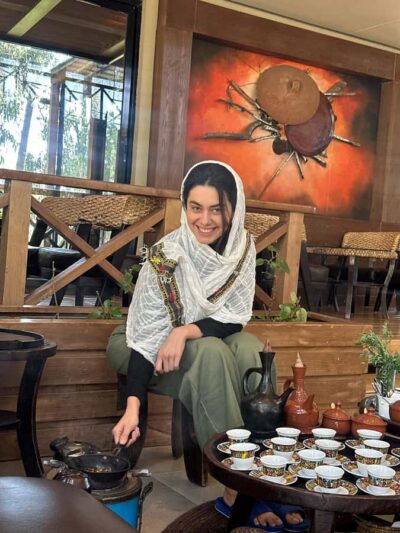
Ethiopia coffee cupping class/Ethiopian food injera making
Read our review →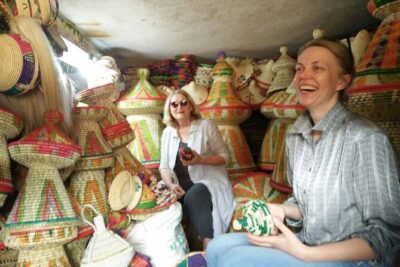
city tour of Addis Ababa ( history ,culture , food and more)
Read our review →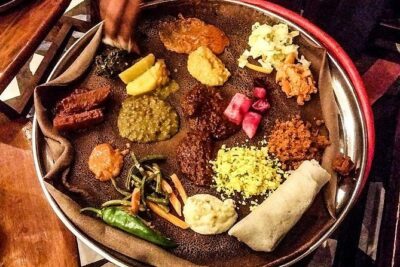

Locally crafted beer and wine tasting and nightlife in Addis tour
Read our review →
Browse the lists this tour appears in