
Reviewed · HISTORICAL TOURS
Northern Ethiopia (Historic route)
Ancient Ethiopia rewards a fast pace. This five-day route links Bahir Dar, Gondar, Axum, and Lalibela with Addis Ababa, giving you a concentrated look at monasteries, royal castles, obelisks, rock-hewn churches, markets, and local food. I like the private format and the chance to cover far-flung sites without arranging each transfer yourself. I also like the cultural finish in Lalibela, where music and tej, Ethiopia’s honey wine, add something beyond sightseeing.
The main concern is the schedule. The route covers huge distances and several flights or long transfers, while the published stop times appear inconsistent with a five-day trip. I would confirm the transport plan, flight arrangements, start time, and exactly what the $1,830 price includes before paying.
In This Review
- Key points to know before booking
- What this five-day route is really trying to do
- Day 1: Lake Tana monasteries and the Blue Nile
- Day 2: Gondar’s royal compound and painted angels
- Day 3: Axum, obelisks, and the Ark tradition
- Day 4: Lalibela’s churches cut from living rock
- Day 5: Addis Ababa, Mercato, and a final meal
- The private format and guide experience
- Is $1,830 a fair price?
- Who should choose this route?
- Booking advice and cancellation terms
- Should you book Northern Ethiopia Historic Route?
- FAQ
- How long is the Northern Ethiopia Historic Route tour?
- What places are included?
- Is this a private tour?
- Are admission tickets included?
- Does the tour offer pickup?
- Is a flight from Lalibela to Addis Ababa included?
- What is the cancellation policy?
Key points to know before booking
- Lake Tana and Blue Nile Falls give you a full first day of water, monasteries, and scenery around Bahir Dar.
- Fasil Ghebbi in Gondar brings Ethiopian royal history into view through castles, walls, and the painted Debre Berhan Selassie Church.
- Axum’s obelisks and St. Mary of Zion connect you with the ancient Kingdom of Axum and one of Ethiopia’s most important pilgrimage sites.
- Lalibela includes both church clusters, plus the famous cross-shaped Church of Saint George and an evening of music and tej.
- The private format means only your group participates, a useful advantage when the days are this full.
- Sisay and driver Hillo have received especially warm praise for organization, kindness, humor, and flexibility on longer Ethiopia trips.
What this five-day route is really trying to do
This is not a relaxed, single-city holiday. It is a highlights tour for someone who wants to see the main historic places of northern Ethiopia in one compact journey.
The route begins in Bahir Dar, moves through Gondar and Axum, reaches Lalibela, and ends back in Addis Ababa. Each place offers a different chapter:
- Bahir Dar connects you with Lake Tana and the Blue Nile.
- Gondar recalls Ethiopia’s imperial period.
- Axum reaches back to the ancient Kingdom of Axum.
- Lalibela presents its extraordinary churches cut down into volcanic rock.
- Addis Ababa provides shopping, dining, and a final city stop.
I like that variety. You are not seeing four versions of the same monument. The tradeoff is that you will spend a good deal of time moving between places, handling flights, and keeping to a firm schedule.
Because the tour is private, you can ask questions, pause when a site matters to you, and avoid being tied to strangers. That is particularly useful at religious sites, where you may want time to understand the setting instead of simply taking a photo and moving on.
More history-first tours:
- Day Trip From Addis Ababa See Historical Monastery,Stunning Nature,Animals,Birds
★ 5.0 · 303 reviews - Hidden Treasures of Addis Ababa – Food, Culture and History Tour
★ 5.0 · 57 reviews - Northern Ethiopia Historic Route
★ 5.0 · 12 reviews
Day 1: Lake Tana monasteries and the Blue Nile
The first full day begins in Bahir Dar, with Lake Tana as the main event. Ethiopia’s largest lake feeds the Blue Nile, or Abbay River, near the city. A boat ride takes you toward ancient monasteries on islands and peninsulas, including Ura Kidane Mihirte, Azewa Maryam, and the Zegi Peninsula.
This is a strong opening because it shows a quieter side of Ethiopia. The lake is not just a scenic stop. It is tied to religious life, transport, and the river system that gives the region much of its importance.
Ura Kidane Mihirte is one of the named stops, and the route also includes Azewa Maryam. The exact order may depend on boat timing and local conditions, so I would ask your guide how long you will have at each place. Religious buildings can be modest from the outside but meaningful once you understand their paintings, traditions, and role in local life.
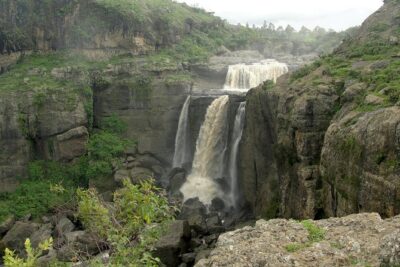
In the afternoon, the plan turns to the Blue Nile Falls. The description calls the river the longest, but the more useful point for you is that this is one of Ethiopia’s major natural sights. Water levels can affect how dramatic the falls appear, so keep expectations flexible.
The day is full. You have a boat outing, several religious sites, and a road trip to the falls. Comfortable shoes and sun protection make sense, but the most important item is patience. Lake Tana days depend on boat arrangements, weather, and road conditions.
The market reference in the day heading suggests local city life may also be part of the Bahir Dar experience, but the detailed schedule focuses mainly on Lake Tana and the falls. Ask if the market is an actual stop or simply part of the city arrival.
Day 2: Gondar’s royal compound and painted angels
Gondar gives you a different kind of history. The focus is Fasil Ghebbi, the walled royal compound that served as the seat of Ethiopian emperors during the 17th century.
Inside, you can expect a group of castles and palace buildings rather than one isolated monument. The walls help you understand that this was a working royal center, not simply a ceremonial ruin. I like this stop for its sense of place. It gives the northern route a clear political story after the religious sites around Lake Tana.
The tour also includes Debre Berhan Selassie Church. Its interior murals are the reason to pay close attention. The ceiling is known for rows of angel faces, an image that remains one of Gondar’s most memorable pieces of religious art.
This is a place where a guide adds real value. Without context, you may notice the colors and faces but miss how the church fits into Gondar’s religious and imperial past. You should also dress respectfully and follow local guidance inside active churches.
Gondar is described as having traditional cuisine and evening entertainment, but the five-day schedule leaves little free time. If food is important to you, tell the operator before departure that you want a proper local meal rather than a rushed stop between monuments.
The route is designed to cover the main sights quickly. That helps if you have limited time, but it also means you may not get much room for wandering through cafés or exploring the city at your own speed.
Day 3: Axum, obelisks, and the Ark tradition
Axum reaches farther back than Gondar. It was the center of the ancient Kingdom of Axum and remains one of Ethiopia’s key cultural and religious places.
The main attraction is the field of carved stone obelisks, often called stelae. These tall monuments are linked to Axum’s ancient royal culture. The site also includes a huge fallen pillar, now broken into sections. Seeing the standing stones beside the fallen one helps you understand the scale and ambition of the people who made them.
The route also includes St. Mary of Zion Church. The church is closely tied to Ethiopian Orthodox tradition and to the belief that the Ark of the Covenant is kept there. You should treat this as a living religious site, not simply an archaeological stop. Access rules and viewing arrangements can be sensitive, so listen carefully to your guide and local staff.
Axum is the kind of place where the historical layers can be hard to grasp in a short visit. Ancient monuments, active worship, and modern city streets all occupy the same space. I would ask your guide to explain what is known, what is part of religious tradition, and what remains uncertain. That makes the visit more interesting and keeps you from treating every claim as settled fact.
The published time for this stop is shown as 23 hours and 20 minutes, which clearly does not fit neatly into a single sightseeing stop within a five-day program. Treat that figure as a likely timing error and confirm the real plan. The key questions are how you reach Axum, how much time you have at the sites, and where you sleep that night.
A few more tours of this kind worth a look:
- Full Day Tour of Addis Ababa with Hotel Pickup and Drop-off
★ 5.0 · 430 reviews - Taste of Ethiopia
★ 5.0 · 406 reviews - Addis Ababa: Debre Libanos, Blue Nile Gorge, and Cave Tour
★ 4.5 · 256 reviews - Addis Ababa Guided City Tour With Airport & Hotel Pick Up
★ 5.0 · 237 reviews
Day 4: Lalibela’s churches cut from living rock
Lalibela is the dramatic centerpiece of the route. The churches were excavated downward from solid volcanic rock, creating buildings that sit below ground level and connect through trenches, passages, and carved spaces.
The day covers both main church groups. In the northwestern group, you are scheduled to see:
- Bet Medhane Alem
- Bet Maryam
- Bet Meskel
- Bet Danaghel
- Bet Mikael
- Bet Golgotha
After lunch, the route continues through the southeastern group:
- Bete Gabriel and Rufael
- Bete Merkorios
- Bete Emanuel
- Bete Libanos
- Church of Saint George
The full list matters. Some short Lalibela visits focus mainly on Saint George, the famous cross-shaped church. This plan gives you a broader look at the site and lets you compare the different forms, courtyards, trenches, and carved details.
Saint George is the visual high point, but I would not rush the other churches. Their settings help show how large the project was. You move through more than a group of isolated buildings. You see a connected religious complex shaped from the rock itself.
The churches remain places of worship, so the experience may include religious activity rather than museum-style silence. Modest clothing, careful footwork, and respect for local customs are essential. Some surfaces can be uneven, and the day involves a lot of walking between churches.
After the church visits, the tour includes cultural music and tej. This is a welcome change of pace after a demanding day on foot. Tej is a traditional honey wine, so ask about the serving and ingredients if you do not drink alcohol or have dietary concerns.
The itinerary lists this day as more than 26 hours, another sign that the online timing needs clarification. The church program itself is credible as a full day, but the stated duration probably combines transport, overnight timing, or a data-entry error.
Day 5: Addis Ababa, Mercato, and a final meal
The final day begins with a morning flight from Lalibela to Addis Ababa, arriving around midday. From there, you have free time for shopping or sightseeing, with Mercato named as the main stop.
Mercato is presented as one of Africa’s largest markets of its kind. The useful way to approach it is as a working market, not a polished shopping center. You may find a wide range of goods and local activity, but the amount of time available will depend on your flight and the rest of the day.
A private guide can help you use a short window well. If you want souvenirs, say so early. If you would rather see a museum or another Addis Ababa sight, ask what can fit without turning the last day into a race.
The tour ends with a farewell dinner at a well-known cultural restaurant. That gives the trip a social finish and another chance to try Ethiopian food in a traditional setting.
Since the price does not clearly spell out meals, flights, or every transfer, confirm what is included before booking. Admission tickets are included, but the supplied details do not clearly state whether airfare, hotel rooms, meals, or drinks are covered.
The private format and guide experience
Only your group participates, which is one of the best features for this route. Northern Ethiopia requires a fair amount of coordination, and a private group gives you one point of contact when plans shift.
The operator has been associated with guide Sisay, who receives praise for being available, cheerful, humorous, and easy to talk with. One long trip also names Hillo as the driver, with both described as highly organized during a 10-day journey that included the Timkat festival, village life, wildlife sightings, and market visits.
That praise is useful, but you should not assume Sisay and Hillo will automatically be assigned to your booking. Ask for the names of your guide and driver, and ask how much guiding is provided at each site.
A good guide matters most at Axum and Lalibela, where religious meaning and ancient history can be difficult to read from the stones alone. A reliable driver matters on the long road sections and when flights or sightseeing times are close together.
Is $1,830 a fair price?
At $1,830 per person, this is not a budget day tour. It is a private, multi-city route with admission tickets included and pickup offered. The value depends heavily on what sits behind that price.
I would consider it reasonable if the cost includes the flights, private vehicle, hotels, guide services, entrance fees, and the listed activities. If you must pay separately for domestic flights, accommodation, most meals, and boat costs, the value becomes harder to judge.
The convenience has real worth. Arranging Bahir Dar, Gondar, Axum, Lalibela, and Addis Ababa independently means managing transport, timing, tickets, and local guides across several places. You are paying partly to reduce that workload.
Before booking, ask for a written list of inclusions. Pay special attention to:
- Domestic flights and baggage rules
- Accommodation category and room arrangements
- Lake Tana boat fees
- Airport transfers
- Meals and the farewell dinner
- Entrance fees beyond the stated admission tickets
- Guide and driver services
- Any extra charges at churches or religious sites
The tour offers group discounts, so the per-person price may improve if you are booking with family or friends. Since it is private, the group discount could make this format more attractive than a small shared departure.
Who should choose this route?
I would recommend it to you if you have limited time and want the major historic sites in one organized sweep. It suits first-time visitors who would rather have a guide handle the connections than build a complicated northern Ethiopia itinerary alone.
It also suits people who care about religious architecture, ancient monuments, Ethiopian food, and local cultural traditions. The final music and tej experience helps balance the serious monument visits.
I would hesitate to recommend it to you if you want slow mornings, long city walks, or several free afternoons. The route is ambitious, and the published timing errors suggest you need to clarify the practical details before committing.
It may also be a poor match if you dislike flights, long transfers, uneven walking routes, or full sightseeing days. Lalibela in particular asks for energy, and the whole route rewards an early start and a flexible attitude.
Booking advice and cancellation terms
Pickup is offered, confirmation is provided at booking, and the tour is near public transportation. The activity is listed as suitable for most people, but the church visits involve substantial walking, so you should discuss any mobility concerns directly with the operator.
You can cancel for a full refund if you do so at least 24 hours before the local start time. Cancellations or changes made inside that 24-hour window are not accepted for a refund.
The listed meeting time is 7:30 pm, which does not obviously match a morning sightseeing departure. Confirm the real pickup time in writing. This is one of the most important details to settle before travel.
Should you book Northern Ethiopia Historic Route?
Book it if you want maximum historic coverage in five days, prefer private arrangements, and value having a guide and driver coordinate a demanding route. Bahir Dar, Gondar, Axum, and Lalibela each offer something different, and the itinerary reaches the major sites rather than staying only in Addis Ababa.
Do not book until you confirm the schedule and inclusions. The strange duration figures, the evening meeting time, and the unclear breakdown of the $1,830 price need explanation.
With those points settled, this can be a strong introduction to northern Ethiopia. You get royal castles, ancient stelae, lake monasteries, rock-cut churches, a major market, and a cultural dinner in one compact journey. The route is busy, but for the right person, that is exactly its appeal.
FAQ
How long is the Northern Ethiopia Historic Route tour?
The tour is advertised as approximately five days.
What places are included?
The route includes Bahir Dar, Lake Tana, the Blue Nile Falls, Gondar, Axum, Lalibela, and Addis Ababa.
Is this a private tour?
Yes. Only your group participates.
Are admission tickets included?
Yes. Admission tickets are included.
Does the tour offer pickup?
Yes. Pickup is offered.
Is a flight from Lalibela to Addis Ababa included?
The itinerary specifies a morning flight from Lalibela to Addis Ababa, but the supplied information does not clearly confirm whether its cost is included in the $1,830 price. Ask the operator before booking.
What is the cancellation policy?
You can cancel at least 24 hours before the local start time for a full refund. Cancellations or changes made less than 24 hours before the start are not refunded.
Just added around Addis Ababa
- 10 Days in Northern Ethiopia Tours★ 4.5 · 3 reviews
- Day Trip to Tiya UNESCO Site & Melka Kunture Archaeological Site★ 4.5 · 3 reviews
- Two days Lake Wenchi and Menagesha Forest★ 5.0 · 3 reviews
- 6 days 5 nights Addis Abeba sightseeing & Lalibela Rock-Hewn Churches★ 5.0 · 3 reviews
- Addis Ababa Half Day Shopping Tour★ 5.0 · 3 reviews
- 6 days Omo valley cultural Tour★ 5.0 · 3 reviews
- 12- Day Historical Route of Ethiopia★ 5.0 · 3 reviews
- Addis Ababa City Tour★ 4.5 · 3 reviews
Historical Tours, compared.
Day Trip From Addis Ababa See Historical Monastery,Stunning Nature,Animals,Birds
Read our review →
Hidden Treasures of Addis Ababa – Food, Culture and History Tour
Read our review →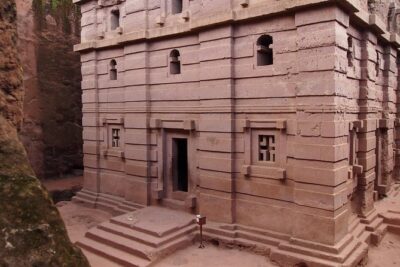

5 Days Tour to World Heritage–listed Harrar, Dire Dawa and Awash NATIONAL PARK
Read our review →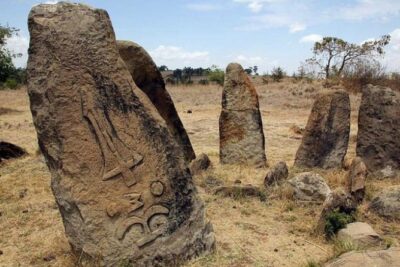
DAY TRIP TO THE UNESCO HERITAGE SITE TIYA & Melka Kunture
Read our review →
Experience a Cultural and Historical Journey through Addis Ababa
Read our review →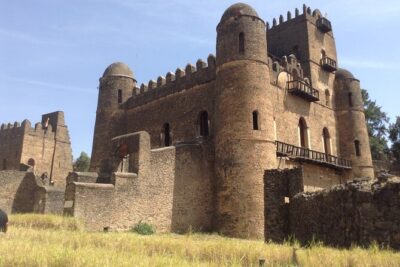
Historical tours – in five days, Addis Ababa, Axum, Laliebla and Gonder
Read our review →
city tour of Addis Ababa ( history ,culture , food and more)
Read our review →Browse the lists this tour appears in