

Reviewed · HISTORICAL TOURS
Experience a Cultural and Historical Journey through Addis Ababa
Addis Ababa tells Ethiopia’s story in layers. This private half-day tour brings together human origins at the National Museum, imperial history at Holy Trinity Cathedral, mountain views from Entoto, shopping at Mercato, and coffee at one of the city’s oldest cafés. I like the excellent variety of stops, and I especially like that lunch and a traditional coffee experience are included rather than treated as optional extras. The guide, often Eyob, is also praised for explaining Ethiopia beyond the capital, including its people, geography, development, and current affairs.
The main consideration is the pace. Six stops in roughly five to six hours leaves limited time at each place, especially if traffic slows the route. Mercato can also feel intense, and the stop at Tiglachin Memorial is brief. Still, for $100 per person, the private vehicle, guide, admissions, lunch, coffee, and pickup make this a useful way to get your bearings quickly.
In This Review
- Key Points Before You Book
- Starting With Lucy at the National Museum
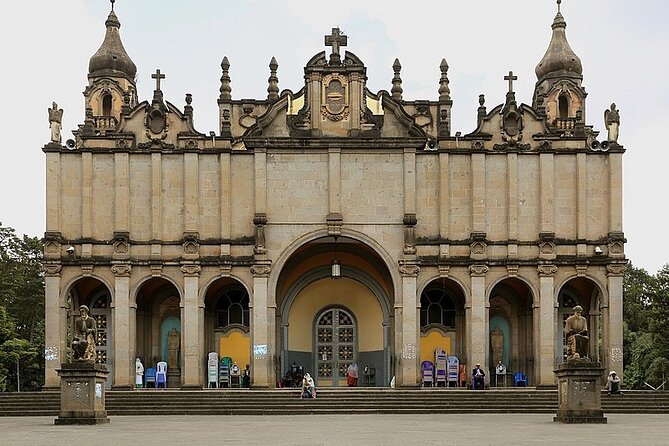
- Holy Trinity Cathedral and Ethiopia’s Imperial Past
- Mount Entoto for Fresh Air and City Views
- Lunch Adds More Than Convenience
- Entering Mercato, Addis Ababa’s Giant Open-Air Market
- A Short Stop at Tiglachin Memorial
- Tomoca Coffee and the Taste of Ethiopia
- What $100 Covers and Whether It Is Good Value
- The Guide Can Shape the Whole Day
- Who Should Book This Addis Ababa Tour?
- FAQ
- How long does the Addis Ababa tour last?
- What time does the tour start?
- Is pickup available?
- Is this a private tour?
- What is included in the price?
- Is alcohol included?
- Which museum is included?
- Does the tour visit Mercato?
- Can I cancel for a full refund?
- Should You Book It?
Key Points Before You Book
- Lucy anchors the National Museum visit: You see the famous 3.5-million-year-old Australopithecus afarensis fossil, known in Ethiopia as Dinkinesh.
- The route covers several sides of Addis Ababa: You move from archaeology and religion to mountain scenery, shopping, political history, and coffee culture.
- A private vehicle keeps the day flexible: Only your group takes part, with an air-conditioned vehicle and pickup offered.
- Mercato is a real market experience: This is an enormous open-air trading area where almost every kind of commodity is sold.
- Coffee is part of the culture, not just a refreshment: Tomoca Coffee dates to 1953 and traces its beans to Kaffa, traditionally regarded as the birthplace of coffee.
- Eyob is a major strength when available: His style has been praised for warmth, broad knowledge of Ethiopia, and useful advice for the rest of your trip.
Starting With Lucy at the National Museum

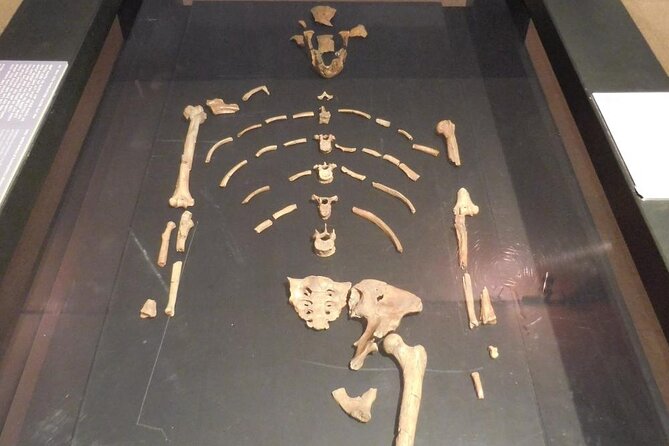
The National Museum is the right place to begin because it puts Ethiopia’s importance in human history front and center. The star exhibit is Lucy, the 3.5-million-year-old fossil of an Australopithecus afarensis woman.
Lucy was discovered in 1974, and the find changed accepted ideas about when human ancestors began walking upright. In Ethiopia, she is called Dinkinesh, meaning thou art wonderful. That small detail matters. It reminds you that this is not simply a famous fossil placed behind glass for international visitors. Lucy also belongs to Ethiopia’s own story and identity.
The museum covers more than human origins. You can also see archaeological objects connected to pre-Axumite civilization, along with other exhibits that give the country a long historical frame. The one-hour stop is enough to see the principal displays, but not enough for a slow museum study.
I would pay close attention to the guide here. A good explanation can connect Lucy to Ethiopia’s wider past instead of leaving you with one memorable fossil and little context. Eyob has been especially praised for explaining not only Addis Ababa, but also Ethiopia’s geography, political development, people, and current affairs.
More history-first tours:
- Day Trip From Addis Ababa See Historical Monastery,Stunning Nature,Animals,Birds
★ 5.0 · 303 reviews - Hidden Treasures of Addis Ababa – Food, Culture and History Tour
★ 5.0 · 57 reviews - Northern Ethiopia Historic Route
★ 5.0 · 12 reviews
Holy Trinity Cathedral and Ethiopia’s Imperial Past
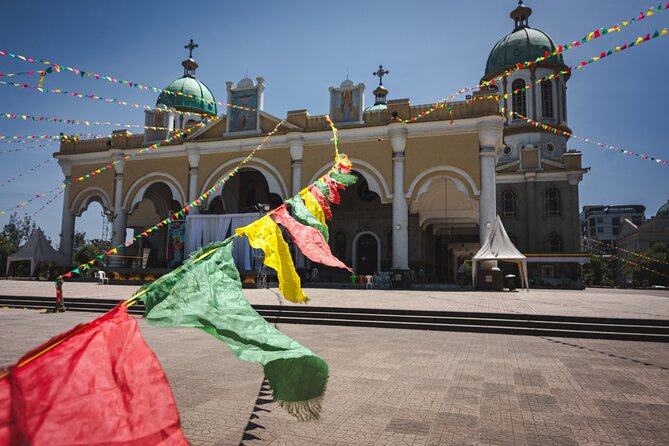
The next hour at Holy Trinity Cathedral shifts from archaeology to faith and modern imperial history. This is one of Ethiopia’s most important churches, and it contains the mausoleum of Emperor Haile Selassie and his wife.
The cathedral is also a living religious place, not simply a monument. Depending on the timing, you may have the chance to witness a religious ceremony. You should dress and behave respectfully, since worship may be taking place during your visit.
This stop works well after the museum because it shows a different source of Ethiopia’s identity. The National Museum reaches far back toward human origins, while the cathedral connects you with the country’s monarchy, Orthodox Christian tradition, and more recent political past.
One hour gives you time to take in the cathedral and hear its background. If a ceremony is underway, the atmosphere may shape the visit more than sightseeing does. That is a benefit if you want an authentic cultural setting, though it can mean less time for a quiet look around.
Mount Entoto for Fresh Air and City Views
From the cathedral, the vehicle climbs toward Mount Entoto. This was once the permanent camp of Emperor Menelik II, and its slopes are covered with eucalyptus trees.
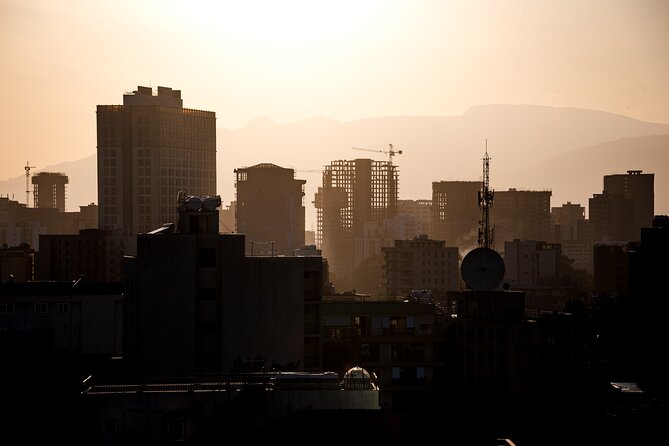
The drive itself is part of the stop. As you go uphill, the air changes and the city begins to spread below. From the top, you get a panoramic view of Addis Ababa and the surrounding countryside. The half-hour visit is short, but the change from dense city streets to highland air gives the day a needed pause.
I would not think of Entoto as a long mountain outing. The tour provides a viewpoint and a brief look at the area, not an extended walk or nature excursion. If the air is clear, the view can be one of the day’s strongest visual moments. If conditions are hazy, the historical setting and eucalyptus-covered slopes still make the drive worthwhile.
The vehicle is important here. You do not need to arrange separate transport up the hill, and the air-conditioned car provides a comfortable base during the route.
Lunch Adds More Than Convenience
Lunch is included, and that improves the value of the tour in two ways. First, you do not have to spend part of a short city visit searching for a meal. Second, food gives you a natural break between the earlier sightseeing and the market visit.
The experience description promises an authentic Ethiopian lunch, but it does not name a restaurant or list specific dishes. I would treat that as a chance to ask your guide what is being served and how it is traditionally eaten.
The food stop also helps keep the day from feeling like a string of monuments. Addis Ababa is best understood through ordinary daily life as well as major sights, and a shared meal can provide that connection. If you have dietary restrictions, ask about them before the tour, since no specific dietary arrangements are stated.
A few more tours of this kind worth a look:
- Full Day Tour of Addis Ababa with Hotel Pickup and Drop-off
★ 5.0 · 430 reviews - Taste of Ethiopia
★ 5.0 · 406 reviews - Addis Ababa: Debre Libanos, Blue Nile Gorge, and Cave Tour
★ 4.5 · 256 reviews - Addis Ababa Guided City Tour With Airport & Hotel Pick Up
★ 5.0 · 237 reviews
Entering Mercato, Addis Ababa’s Giant Open-Air Market

After lunch, the tour spends about ninety minutes at Mercato. It is described as the largest open-air market in Africa, with almost every possible commodity on sale.
That description gives you the right expectation. Mercato is not a polished shopping mall or a quiet row of souvenir shops. It is a huge commercial district where you see the practical side of Addis Ababa, with buying and selling taking place on a very large scale.
The guide is particularly useful here. A private tour lets you move with someone who can explain what you are seeing, help you understand the market’s different sections, and offer advice about shopping. The pace can also be adjusted somewhat for your group, although traffic and crowds still affect the experience.
Ninety minutes is a sensible introduction, but it will not cover the whole market. You may find the noise, movement, and number of goods tiring. Keep your belongings secure and stay close to your guide. The supplied information does not specify shopping rules or recommended purchases, so ask before buying if you are unsure about price or quality.
For me, this is one of the most valuable stops because it shows a working city rather than a staged attraction. The market may be less comfortable than the museum or cathedral, but it gives the tour its strongest everyday character.
A Short Stop at Tiglachin Memorial

Tiglachin Memorial sits on Churchill Avenue and honors Ethiopian and Cuban soldiers involved in the Ogaden War. It was built under Mengistu Haile Mariam.
The visit lasts about thirty minutes, so expect an introduction rather than a detailed political-history lesson. The monument offers a window into Ethiopia’s twentieth-century conflicts and the country’s ties with Cuba during that period.
This is a stop for context. It may not be the most visually memorable part of the day, but it keeps the tour from presenting Addis Ababa as only an ancient or religious capital. Ethiopia’s modern political story is also part of the city.
Because the time is short, ask your guide to explain the memorial’s setting and meaning. Eyob’s reported interest in current affairs and national history could be especially helpful here.
Tomoca Coffee and the Taste of Ethiopia

The final stop is Tomoca Coffee, established in 1953 as Ethiopia’s first coffee-roasting business. The café works as a fitting finish because coffee is closely tied to Ethiopian culture, and the beans are connected with Kaffa, traditionally regarded as coffee’s birthplace.
You receive coffee or tea as part of the tour, but Tomoca is more than a quick beverage stop. The café has a long local identity, and you can mingle with locals while drinking a freshly prepared cup. The atmosphere is lively, though the exact details of the coffee ceremony are not specified.
The description also offers an extension to Leghar Train Station, Addis Ababa’s oldest station. It presents an appealing pairing: coffee and railway history in the same part of the city. Confirm with the guide whether the station visit is included in your exact route, since the main timing lists thirty minutes for Tomoca and does not give a separate duration for Leghar.
I like ending here rather than at a monument. After the museum, church, mountain, market, and memorial, coffee gives you time to talk with the guide and reflect on what you have seen. It is also a practical moment to ask for restaurant, transport, or onward-trip advice.
What $100 Covers and Whether It Is Good Value
The price is $100 per person. For a private five to six-hour tour, that includes an air-conditioned vehicle, professional guide, lunch, coffee or tea, admission fees, and taxes.
That is a fair package if you value convenience and interpretation. You are not only paying for transport between scattered parts of Addis Ababa. You are also paying for a guide who can link the sites together and help you make sense of a city that covers archaeology, religion, monarchy, conflict, commerce, and coffee culture in one day.
The private format matters. Your group alone takes part, so the day should feel more personal than a large bus tour. Pickup is offered, and mobile tickets make the basic logistics simple. The listed start time is 8:30 am, which gives you a full morning and early afternoon before the tour ends.
The value is weaker if you want a slow, specialist visit to one museum or a long shopping session. You will see many highlights, but the schedule is tight. Also note that alcoholic drinks are not included.
The Guide Can Shape the Whole Day
The strongest praise connected with this experience centers on the guide, particularly Eyob. His reported strengths include friendly conversation, broad explanations about Ethiopia, flexibility, and practical tips for the rest of a trip.
That combination matters more in Addis Ababa than a simple checklist of sights. The city’s places make more sense when someone explains how they connect. Lucy needs archaeological context. Holy Trinity Cathedral needs religious and imperial context. Tiglachin Memorial needs modern political context. Mercato needs local orientation.
The tour is also described as flexible and tailored. That does not mean every stop can be extended freely, since the total time remains about five to six hours. It does mean you should tell the guide what interests you most. If museums matter to you, ask for more explanation at the National Museum. If shopping is your priority, discuss how to use your Mercato time. If coffee is your passion, ask about Tomoca and the wider Ethiopian coffee tradition.
Who Should Book This Addis Ababa Tour?
I would recommend it most strongly to first-time visitors, solo visitors, and anyone with only a day in Addis Ababa. It packs in major sights without requiring you to solve the city’s transport arrangements yourself.
It also suits people who want a mix of culture rather than a museum-only schedule. You get archaeology, worship, imperial history, a viewpoint, commerce, political memory, food, and coffee.
The tour may be less suitable for you if you dislike busy markets, prefer long visits at each attraction, or want a specialized study of one period. The city’s traffic can also affect how much time you spend at each stop, so keep your expectations flexible.
Free cancellation is available if you cancel at least 24 hours before the 8:30 am start. Cancellations within 24 hours are not refundable, and changes made inside that window are not accepted.
FAQ
How long does the Addis Ababa tour last?
The experience lasts approximately five to six hours.
What time does the tour start?
The listed start time is 8:30 am.
Is pickup available?
Yes, pickup is offered. The tour also provides a mobile ticket.
Is this a private tour?
Yes. Only your group participates in the activity.
What is included in the price?
The $100 price includes coffee or tea, lunch, admission fees, taxes, a professional guide, and an air-conditioned vehicle.
Is alcohol included?
No. Alcoholic beverages are not included.
Which museum is included?
The route includes the National Museum of Ethiopia, where you can see Lucy, the 3.5-million-year-old Australopithecus afarensis fossil, along with other archaeological exhibits.
Does the tour visit Mercato?
Yes. The itinerary includes about one hour and thirty minutes at Mercato, described as Africa’s largest open-air market.
Can I cancel for a full refund?
Yes, if you cancel at least 24 hours before the experience start time. Cancellations made less than 24 hours in advance are not refunded.
Should You Book It?
Book this tour if you want a well-rounded first look at Addis Ababa and value having a private guide, vehicle, lunch, and admissions handled together. The strongest reasons are the range of sights, the chance to see Lucy and Mercato in one day, and the cultural finish at Tomoca Coffee.
Before booking, decide what matters most to you and tell the guide early. The route is full, so you will get more from it if you choose between extra museum explanation, market time, or a longer coffee conversation. For a first visit, especially with limited time, this is a practical and worthwhile introduction to Ethiopia’s capital.
Just added around Addis Ababa
- 10 Days in Northern Ethiopia Tours★ 4.5 · 3 reviews
- Day Trip to Tiya UNESCO Site & Melka Kunture Archaeological Site★ 4.5 · 3 reviews
- Two days Lake Wenchi and Menagesha Forest★ 5.0 · 3 reviews
- 6 days 5 nights Addis Abeba sightseeing & Lalibela Rock-Hewn Churches★ 5.0 · 3 reviews
- Addis Ababa Half Day Shopping Tour★ 5.0 · 3 reviews
- 12- Day Historical Route of Ethiopia★ 5.0 · 3 reviews
- 6 days Omo valley cultural Tour★ 5.0 · 3 reviews
- Northern Ethiopia (Historic route)★ 5.0 · 3 reviews
Historical Tours, compared.
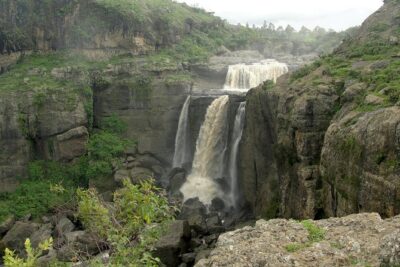
Day Trip From Addis Ababa See Historical Monastery,Stunning Nature,Animals,Birds
Read our review →
Hidden Treasures of Addis Ababa – Food, Culture and History Tour
Read our review →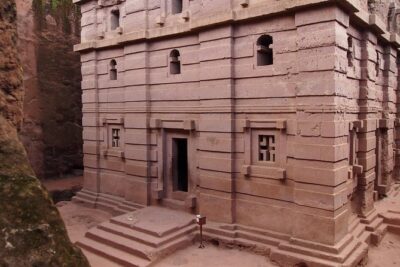

5 Days Tour to World Heritage–listed Harrar, Dire Dawa and Awash NATIONAL PARK
Read our review →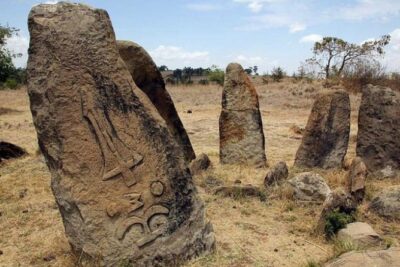
DAY TRIP TO THE UNESCO HERITAGE SITE TIYA & Melka Kunture
Read our review →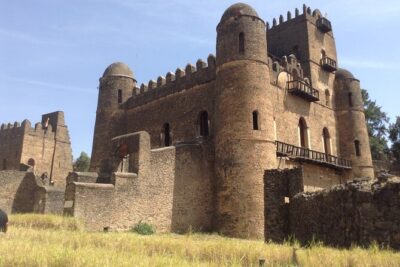
Historical tours – in five days, Addis Ababa, Axum, Laliebla and Gonder
Read our review →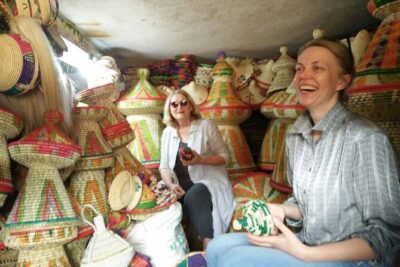
city tour of Addis Ababa ( history ,culture , food and more)
Read our review →
Browse the lists this tour appears in