
Reviewed · COFFEE EXPERIENCES
Ethiopian Cooking Class and Coffee Ceremony with a Local in Addis with transfers
Come hungry, leave with a new view of Ethiopia. This four-hour home visit pairs a hands-on cooking class with a traditional coffee ceremony, giving you far more than a restaurant meal. I especially like learning to pour injera from Tigist, who learned in her mother’s kitchen, and talking with Daniel, a tourism professional and social anthropologist who can put food, culture, and daily life into context. Hotel pickup and drop-off also make this a smart choice when you have limited time in Addis Ababa.
The main consideration is the price: at $154 per person, this is not a cheap cooking lesson. You are paying for a private experience, transfers, a meal, drinks, coffee, local hosting, and several hours of personal conversation. The menu can change with the season, and anyone wanting an extra dish needs to request it before booking because that adds to the cooking time.
In This Review
- Key points to know before booking
- A home kitchen instead of a formal cooking school
- Making shiro, tibs, and the right injera
- Eating the meal you helped prepare
- Daniel’s neighborhood and the wider Addis view
- Roasting coffee in its birthplace
- Why the private format matters
- Pickup, timing, and the four-hour schedule
- Is $154 per person good value?
- What to arrange before you go
- Who should book this Addis Ababa food experience?
- Should you book it?
- FAQ
- Where does the cooking class take place?
- What time does the experience start?
- Are hotel transfers included?
- What dishes might I learn to make?
- Is a vegetarian option available?
- Can I request an additional dish?
- Is the coffee ceremony included?
Key points to know before booking
- A real Addis Ababa home kitchen: This is a private visit with Daniel and Tigist, not a commercial cooking school.
- Injera takes center stage: You learn how to pour and cook Ethiopia’s famous spongy flatbread, not just how to eat it.
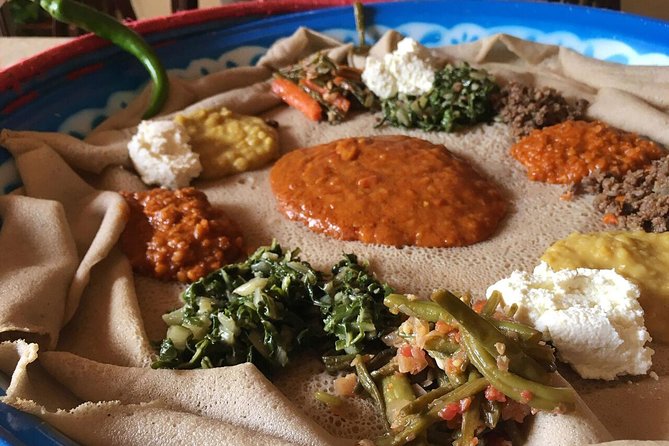
- The menu is pan-Ethiopian: Dishes may include shiro, a chickpea or broad bean stew, and tibs, stir-fried meat with vegetables and spices.
- Coffee is part of the culture lesson: You roast coffee beans and take part in a traditional ceremony in coffee’s birthplace.
- Daniel adds useful context: His background in social anthropology and more than a decade leading trips around Ethiopia make the conversation a major part of the afternoon.
- Transfers remove a practical headache: Pickup and drop-off are included, with the experience beginning at 3:30 pm.
A home kitchen instead of a formal cooking school
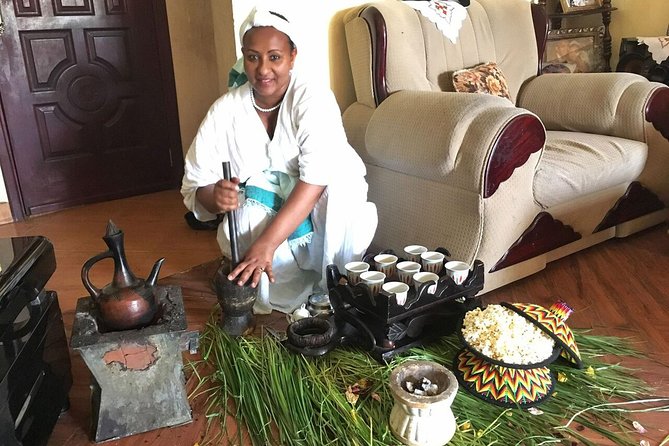
The setting shapes the whole afternoon. You are not placed at a row of polished workstations with a fixed demonstration and a quick tasting at the end. You visit Daniel and Tigist at home, where the class takes place in their own kitchen.
That matters because Ethiopian cooking is closely tied to family life. Tigist learned by helping her mother as a child, then ran her own kitchen after marrying Daniel. Her instruction comes from daily practice, not a restaurant script.
You can expect the cooking portion to last about 1.5 to 2 hours. Tigist demonstrates a traditional dish and shows you how to prepare injera. The class is private, so your group can ask questions, work at its own pace, and spend more time on a technique that interests you.
Daniel and Tigist come from Oromia, but they cook food from across Ethiopia. The meal is therefore not limited to one narrow regional style. It offers a broader taste of the country, while the hosts explain how food fits into Ethiopian homes and customs.
If you prefer a highly polished class with printed recipes, professional equipment, and a set menu, this may feel informal. If you want to meet local people and cook in the place where these dishes are part of ordinary life, the home setting is the point.
More coffee ceremonies:
- Ethiopian Culinary Tour – Market, Food, Coffee Ceremony & more
★ 5.0 · 65 reviews - Market Tour and Cooking Class with a Coffee Ceremony at a Home in Addis Ababa
★ 5.0 · 32 reviews - Ethiopian Culinary Tour – Market, Coffee Ceremony and More
★ 5.0 · 10 reviews
Making shiro, tibs, and the right injera
The menu may include shiro, a stew made with chickpea or broad bean flour, or tibs, stir-fried meat prepared with vegetables and spices. Which dish you make depends on the season and the plan for your visit.
Shiro is a useful introduction to Ethiopian food because it shows how a few basic ingredients can produce a deeply seasoned stew. It is also a good option to discuss if you want a vegetarian meal. Vegetarian cooking is available, but you need to request it when booking.
Tibs gives you a different lesson. Instead of a slow stew, it focuses on stir-frying meat with vegetables and spices. The dish helps show the range of Ethiopian cooking, from smooth, spoonable sauces to hot, quickly cooked preparations.
Then comes injera. This soft, spongy flatbread is both food and eating utensil in Ethiopian cuisine. You will learn how to pour and cook it, which is more useful than simply receiving a finished piece on your plate. Getting the texture right takes practice, so do not expect to produce a perfect round on your first try.
The class is hands-on, but the exact amount of work may depend on the dish and the pace of your group. If you want to add another recipe, mention it before booking. An additional dish extends the cooking time, which can affect the rest of your afternoon.
Eating the meal you helped prepare
After the cooking lesson, you sit down to eat. This is where the class becomes more than a demonstration. You have seen the ingredients and techniques, then get to understand the finished food by tasting it with guidance from the hosts.
The included meal makes the $154 price easier to assess. You are not paying for a short sample followed by lunch at your own expense. The package includes the private class, meal, beverages, bottled water, coffee or tea, transfers, taxes, handling charges, and gratuities.
Alcoholic drinks are not included. That is a small but useful point to remember when budgeting. The meal itself may change with the season, so you should book for the cooking experience and the chance to try Ethiopian food at home, rather than for one guaranteed list of dishes.
I like the way this format encourages conversation. Daniel speaks excellent English and enjoys discussing food, history, politics, and different cultural backgrounds. If you have questions about Ethiopia beyond what is on the plate, this is where the experience gains much of its value.
Daniel’s neighborhood and the wider Addis view
One especially appealing part of the visit is the chance to see Daniel’s neighborhood in the hills on the outskirts of Addis Ababa. The experience is not only about staying indoors and cooking. Depending on the pickup route and timing, your visit can also give you a more personal view of the city beyond the usual hotel and sightseeing circuit.
Do not treat this as a full city tour. The central purpose remains the cooking class and coffee ceremony. Still, seeing a local neighborhood helps place the meal in a real setting. It gives you a better sense of where your hosts live and how the afternoon fits into daily life.
Daniel’s professional background adds another layer. He has a master’s degree in Social Anthropology and has led trips around Ethiopia for more than a decade. That does not turn the visit into a lecture, but it means you have someone who can explain customs and social questions in clear English.
His interest in politics and culture may be a benefit if you enjoy open conversation. It may be less appealing if you want a quiet, tightly timed class with little discussion. The private format lets you guide the tone, so tell your hosts what interests you.
More cooking classes:
- Unique Ethiopian Cooking Class and Coffee Ceremony with a Local in Addis Ababa
★ 4.5 · 7 reviews - Addis abeba Full Cooking class.
★ 5.0 · 6 reviews - Private Ethiopian Home Cooking Class in Addis Ababa with Transfer
★ 5.0 · 5 reviews
Roasting coffee in its birthplace
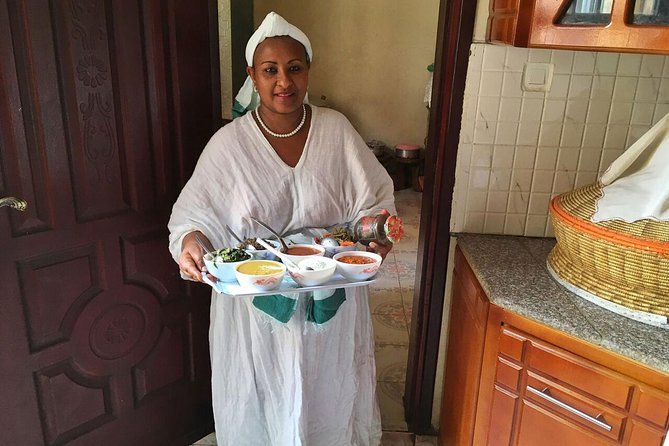
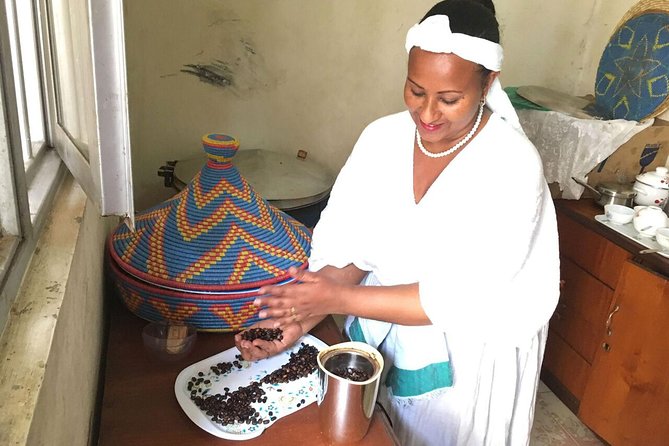
The coffee segment is not an afterthought. You roast coffee beans yourself, then take part in a traditional Ethiopian coffee ceremony.
Ethiopia is widely associated with coffee, and this part of the visit gives you a direct connection to the drink’s origins. You are not simply handed a cup after lunch. You see the beans before they become coffee and take part in the preparation.
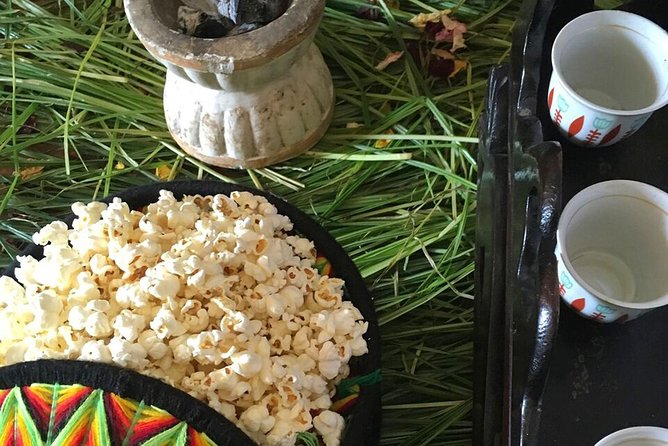
The ceremony also slows the afternoon down. After the busier cooking work, roasting and drinking coffee gives you time to talk with Daniel and Tigist. Coffee becomes a social ritual, not just a caffeine stop.
The supplied details do not promise a fixed ceremony script or a specific coffee-growing region, so I would not book this expecting a technical tasting session. The appeal is the cultural setting, the roasting process, and the chance to share coffee with an Ethiopian family.
Coffee and tea are included, along with bottled water. Alcohol is not part of the package.
Why the private format matters
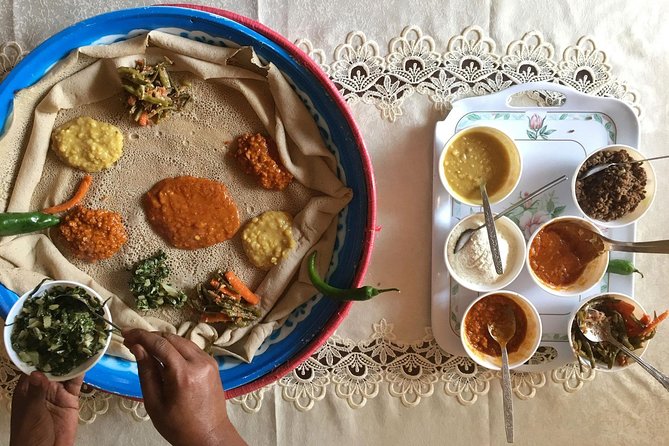
This is a private tour, meaning only your group participates. That makes a real difference in a home kitchen. You do not have to compete with a large class to see the injera technique or ask Daniel a question.
A private booking also helps if your group has particular food needs. Allergies, dietary restrictions, and cooking preferences should be provided at booking. Vegetarian food is available with advance notice.
The format suits couples, families, and small groups who want personal contact. Children may also meet the family, especially if you visit on a weekend, when Daniel and Tigist’s three sons may be at home. Their presence is not guaranteed, so think of it as a possible part of the household setting rather than a scheduled activity.
I would choose this experience for someone who values conversation as much as cooking. If your main goal is to master several restaurant-level recipes, a professional culinary school may offer more technical instruction. If your goal is to understand food through the people who cook it at home, this private visit is much better suited.
Pickup, timing, and the four-hour schedule
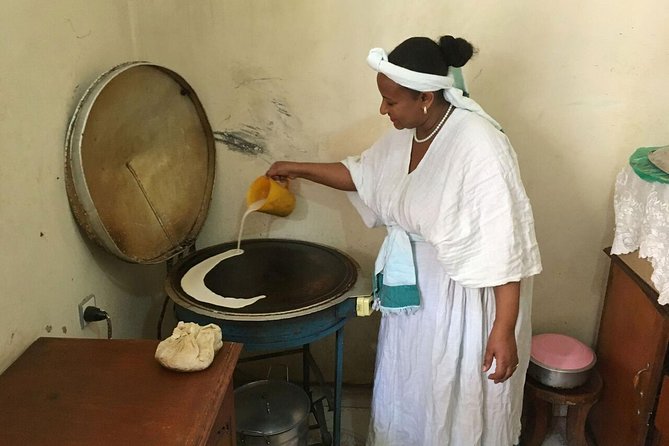
The experience starts at 3:30 pm and lasts about four hours. Hotel pickup and drop-off are included, which is particularly helpful in Addis Ababa, where arranging local transport can take time and attention away from your day.
You must provide your hotel name and address when booking. Pickup details matter because the timing of a home visit depends on the route, traffic, and location of your accommodation.
A likely rhythm is pickup, arrival at the home, cooking for roughly 1.5 to 2 hours, eating the prepared food, roasting coffee, and taking part in the ceremony before returning to your hotel. The exact balance can shift with the menu and conversation.
The late afternoon start works well beside a morning museum visit or city sightseeing. It also means you should avoid scheduling another fixed activity immediately afterward. The cooking can run longer if you request another dish, and good conversation is not always easy to end on a stopwatch.
Is $154 per person good value?
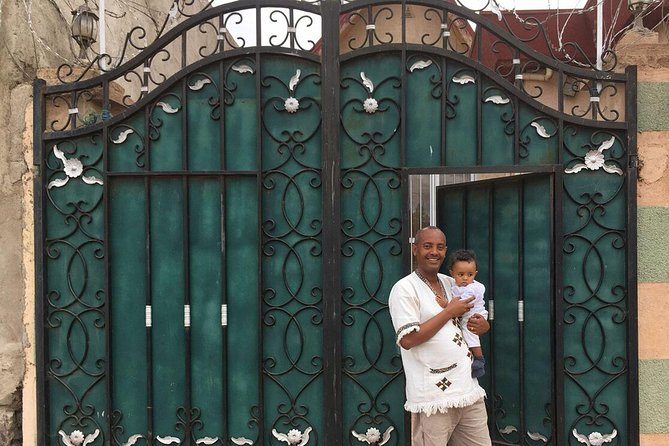
At first glance, $154 is a high price for a four-hour food activity in Addis Ababa. The value looks stronger once you count what is included and consider the private setting.
You receive door-to-door transfers, a private cooking class, a meal, nonalcoholic drinks, coffee or tea, bottled water, taxes, fees, and gratuities. You also receive direct time with two local hosts, including Daniel’s cultural and travel background.
The price makes the most sense for people who would otherwise pay for a private guide, a meal, and separate transportation. It is less attractive if you are traveling on a strict budget or mainly want to sample Ethiopian food. In that case, a local restaurant will cost much less.
The strong rating of 4.9 from 14 ratings and a 100 percent recommendation give the experience a solid record, but the small number of ratings means I would still match it carefully to your interests. The best praise focuses on Daniel’s family, the cooking, and the personal look at Addis life. Those are exactly the elements that justify the cost.
What to arrange before you go
Give the provider complete hotel details at booking. Also list allergies, dietary restrictions, and cooking preferences at that point, especially if you need vegetarian food.
Ask for an additional dish in advance if you want one. The request is possible, but it extends the cooking time, so it is better to plan for a longer afternoon than to add it at the last moment.
The menu changes by season. I would arrive ready to learn the techniques and eat what is appropriate for the day, rather than expecting a rigid menu.
You can cancel for a full refund up to two full days before the start time. Within two days, refunds are not available, and changes made during that period are not accepted. Cutoff times follow local time in Addis Ababa.
Who should book this Addis Ababa food experience?
I would recommend it to you if you want:
- A private activity rather than a large group class
- A home visit with local hosts
- Practical instruction in injera and Ethiopian dishes
- Coffee preparation tied to Ethiopian culture
- A chance to discuss food, society, history, and politics in English
- Convenient hotel transfers
- A meaningful half-day activity that fits into a short Addis Ababa stay
I would think twice if you dislike informal home settings, need a guaranteed menu, or want a low-cost meal. The hosts are the heart of the experience, so your enjoyment depends partly on how much you like conversation and cultural exchange.
Should you book it?
Yes, if you want a personal introduction to Ethiopian food and daily life rather than a standard restaurant meal. Daniel and Tigist offer the kind of access that is difficult to arrange independently: a home kitchen, family recipes, injera practice, coffee roasting, and open conversation about Ethiopia.
The price is the main barrier, and the seasonal menu means you should keep your expectations flexible. But with transfers, a private class, a full meal, and a coffee ceremony included, the cost is reasonable for a special occasion or a short visit when your time in Addis Ababa is limited.
Book this experience for the people and the setting as much as for the recipes. That is where it earns its place in an Ethiopia itinerary.
FAQ
Where does the cooking class take place?
The class takes place in Daniel and Tigist’s home kitchen in Addis Ababa. It is a private home visit, not a commercial cooking school.
What time does the experience start?
The experience starts at 3:30 pm and lasts approximately four hours.
Are hotel transfers included?
Yes. Hotel pickup and drop-off are included. You need to provide your hotel name and address when booking.
What dishes might I learn to make?
The menu may include shiro, a chickpea or broad bean stew, tibs, stir-fried meat with vegetables and spices, and injera. The menu can vary by season.
Is a vegetarian option available?
Yes. Vegetarian food is available, but you should request it when booking.
Can I request an additional dish?
Yes. You need to request an additional dish in advance. It will extend the cooking time.
Is the coffee ceremony included?
Yes. You will roast coffee beans and take part in a traditional coffee ceremony. Coffee or tea and bottled water are also included.
More coffee experiences
- Vintage Coffee Shops, Restaurants, Sightseeing in Addis Ababa
★ 5.0 · 17 reviews - Coffee Cupping Tour in Addis Ababa
★ 5.0 · 5 reviews - Addis Ababa City Experience : Markets, Coffee & Local Life
★ 4.8 · 5 reviews - Lalibela: Churches Full-Day Private Tour w/Coffee Ceremony
★ 4.7 · 5 reviews
More hands-on workshops
- Addis Ababa City Tours With Cocking Class of Ethiopian Food
★ 5.0 · 20 reviews - Ethiopia coffee cupping class/Ethiopian food injera making
★ 5.0 · 10 reviews - Latin Dance Class
★ 5.0 · 4 reviews
Just added around Addis Ababa
- 10 Days in Northern Ethiopia Tours★ 4.5 · 3 reviews
- Day Trip to Tiya UNESCO Site & Melka Kunture Archaeological Site★ 4.5 · 3 reviews
- Two days Lake Wenchi and Menagesha Forest★ 5.0 · 3 reviews
- Addis Ababa Half Day Shopping Tour★ 5.0 · 3 reviews
- 6 days 5 nights Addis Abeba sightseeing & Lalibela Rock-Hewn Churches★ 5.0 · 3 reviews
- 12- Day Historical Route of Ethiopia★ 5.0 · 3 reviews
- 6 days Omo valley cultural Tour★ 5.0 · 3 reviews
- Northern Ethiopia (Historic route)★ 5.0 · 3 reviews
Coffee Experiences, compared.
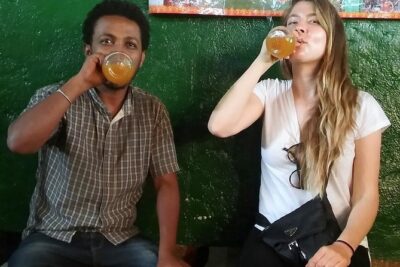
Ethiopian Culinary Tour – Market, Food, Coffee Ceremony & more
Read our review →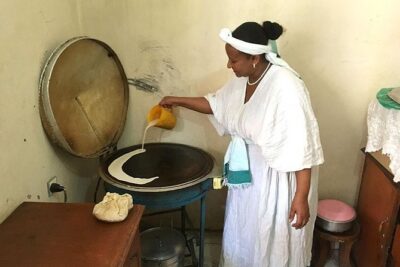
Market Tour and Cooking Class with a Coffee Ceremony at a Home in Addis Ababa
Read our review →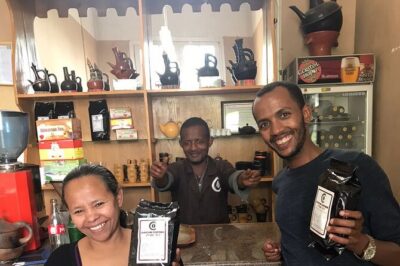
Vintage Coffee Shops, Restaurants, Sightseeing in Addis Ababa
Read our review →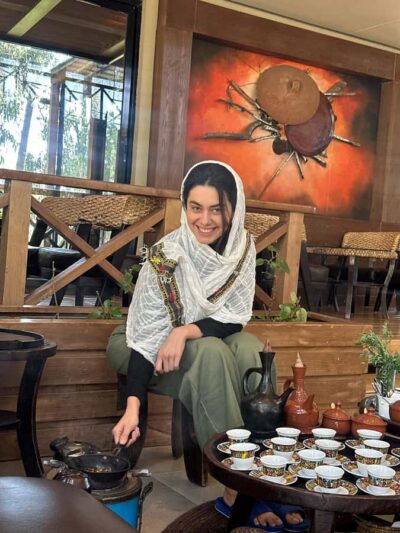
Ethiopia coffee cupping class/Ethiopian food injera making
Read our review →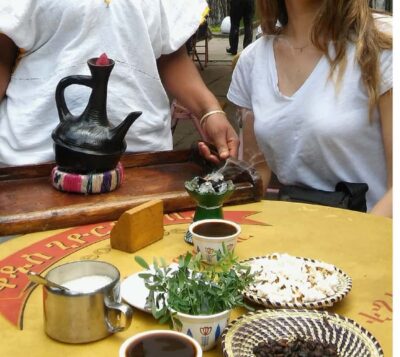
Ethiopian Culinary Tour – Market, Coffee Ceremony and More
Read our review →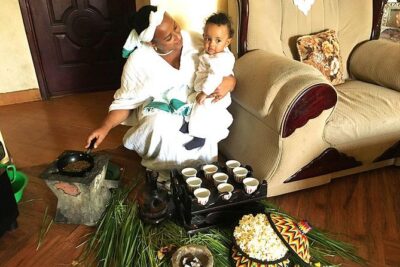
Unique Ethiopian Cooking Class and Coffee Ceremony with a Local in Addis Ababa
Read our review →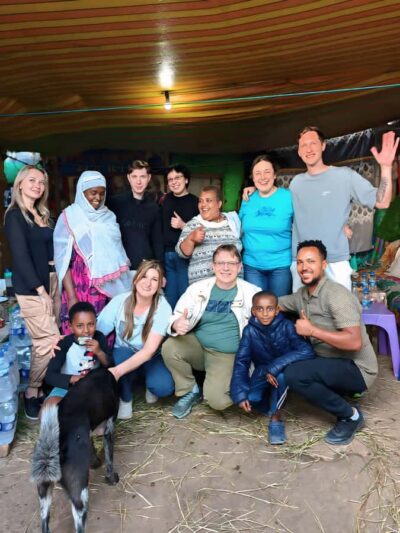
Addis Ababa City Experience : Markets, Coffee & Local Life
Read our review →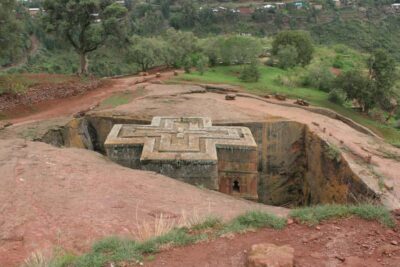
Lalibela: Churches Full-Day Private Tour w/Coffee Ceremony
Read our review →Browse the lists this tour appears in