
Reviewed · COOKING CLASSES
Addis abeba Full Cooking class.
Food opens doors fast. This four-hour Addis Ababa outing combines hands-on injera and shiro wot cooking with a visit to Shola Market, the National Museum, and a traditional coffee ceremony. I especially like the small group limit of seven and the warm local setting with Abraham and Selam, where you cook and eat in a real home rather than a staged restaurant. The airport or hotel pickup also makes this a smart choice during a short Addis Ababa stop. The main drawback is the $90 price, which may feel high for a four-hour activity, especially since one person felt it could cost less.
I also like the way the day links food with Addis Ababa itself. You see where local goods are sold, meet people in a neighborhood home, and learn why injera needs several days to ferment before it reaches the cooking pan. If you want a polished restaurant-style lesson, this may feel basic. If you want a friendly, direct look at daily Ethiopian food culture, it offers much more.
In This Review
- Key points at a glance
- Why this Addis Ababa outing feels different
- Starting with pickup and Addis Ababa
- Shola Market, a useful first stop
- Lucy at the National Museum
- Learning injera in a local kitchen
- Making shiro wot, the meal’s spicy center
- Fresh coffee and the Ethiopian ceremony
- What the $90 price includes
- Language, group size, and practical comfort
- Who should book this cooking class
- Should you book it?
- FAQ
- How long does the Addis Ababa cooking class last?
- How much does the cooking class cost?
- What food will I learn to cook?
- Is lunch included?
- Does the activity include an Ethiopian coffee ceremony?
- Is pickup included?
- Will I visit the National Museum?
- What languages are available?
- Can I cancel for a refund?
Key points at a glance
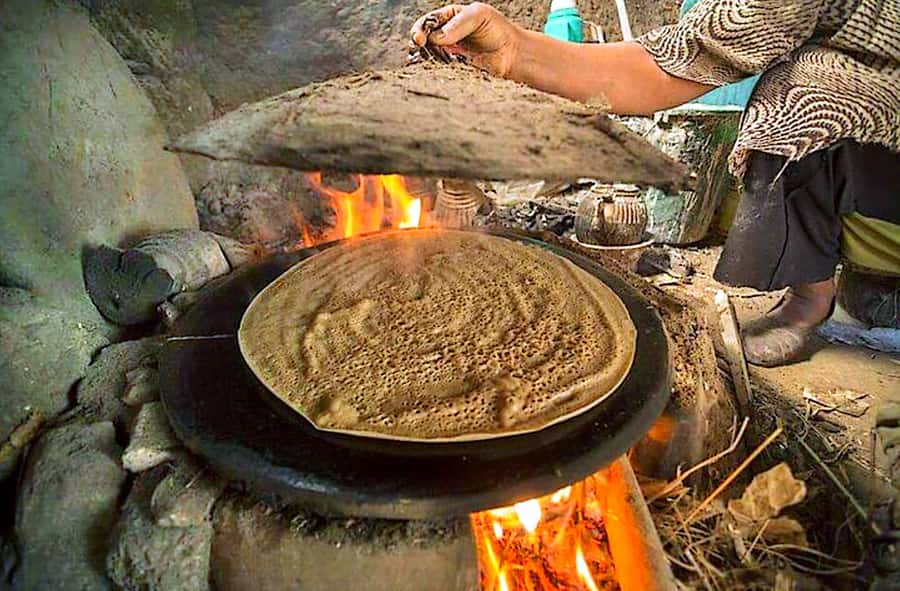
- Cook injera from fermented batter: Learn how Ethiopia’s famous spongy flatbread is prepared in white, brown, and red varieties.
- Make shiro wot: Prepare a spicy chickpea stew, then eat the meal you helped cook.
- Join a coffee ceremony: Roast fresh coffee beans and prepare coffee with help from your host.
- See Lucy at the National Museum: The cooking visit is paired with one of Addis Ababa’s best-known cultural stops.
- Start at Shola Market: Walk through a major city market where local sellers offer a wide range of goods.
- Easy short-stay planning: Airport or hotel pickup, drop-off, lunch, entrance fees, and a small group are included.
Why this Addis Ababa outing feels different
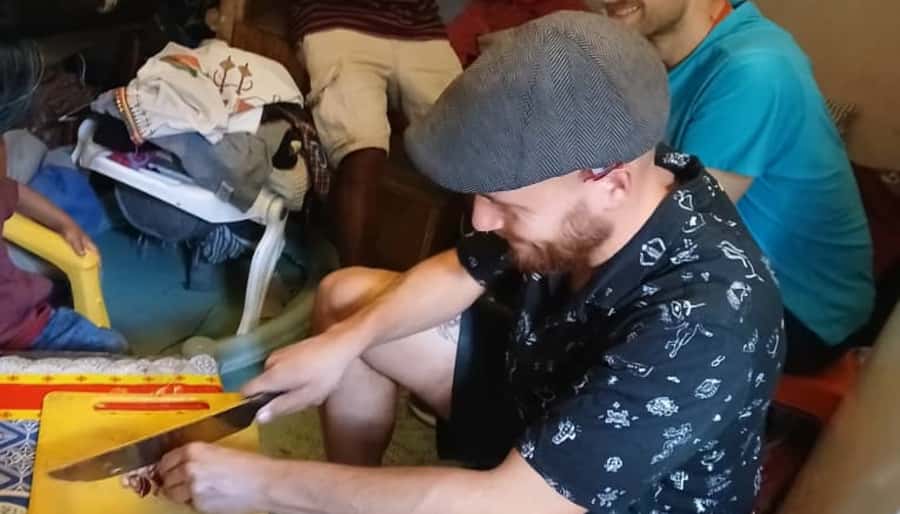
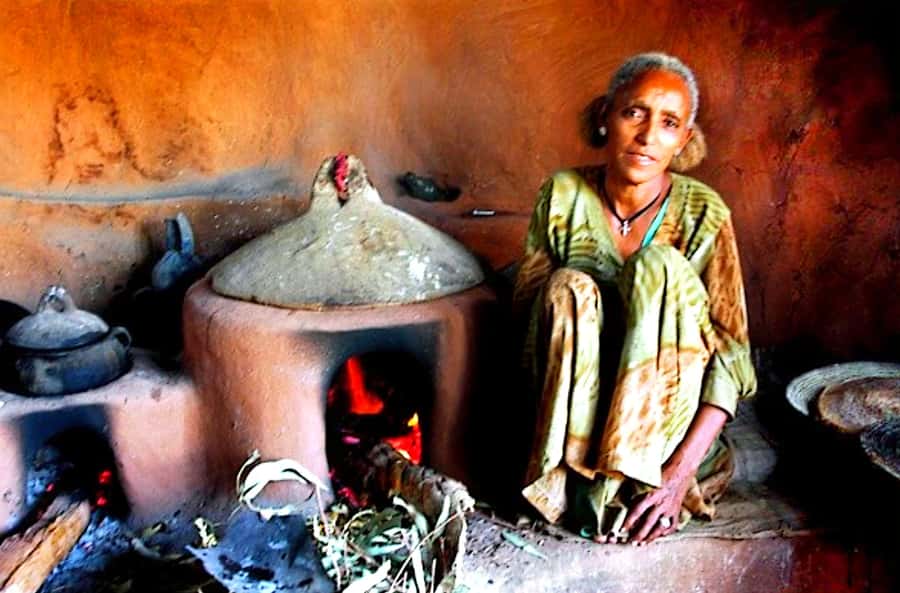
Many food activities keep you inside a cooking school. This one places you in a local home kitchen, which changes the tone at once. You are not simply watching a chef prepare a demonstration meal. You learn from Selam, cook alongside her, and later eat in the home.
One person with an eleven-hour layover found the format especially useful. Abraham collected her from her hotel, took her into a small neighborhood, and helped her connect with Selam and the family. The cooking took place in a small kitchen shared by Selam and her neighbors, followed by a meal in her living room. That detail matters. The setting is modest and personal, not designed as a tourist show.
Abraham is the main guide named in the cooking accounts, and his English is described as good. He helps explain the food and translate during conversations. Another visitor praised Reta as a friendly and helpful guide, so your guiding team may vary. The core value is the same: a local host, a guide who can explain the setting, and plenty of direct contact.
The group is limited to seven participants. That is small enough for you to get a turn at the cooking pan and ask questions without shouting across a large class. It also means the home setting should remain manageable, though a small kitchen can still feel close when the group is full.
More cooking classes:
Starting with pickup and Addis Ababa
The day begins with pickup at the airport or your hotel. At the airport, the tour team waits with a banner showing your name, which is useful after a long flight when the arrivals area feels confusing. Hotel pickup removes the need to arrange a taxi across Addis Ababa.
The activity lasts four hours, but the exact starting time depends on availability. Keep that in mind if you are connecting through Addis Ababa. The eleven-hour layover example shows how the class can fit a short stay, but you should still allow enough time for airport procedures and city traffic. The supplied details do not promise a fixed travel time between each stop.
Before the cooking begins, you ride through the city with your guide. The driving portion gives you a first look at Addis Ababa and sets the scene for the food you will prepare. You are not spending the entire four hours at a countertop, which is good for first-time visitors who want a little context.
Shola Market, a useful first stop
The route includes Shola Market, described as a place where thousands of people sell their own products each day. The market is presented as broad and varied, with the suggestion that you will find almost anything there.
This stop adds a practical layer to the cooking class. Food does not appear magically in a home kitchen. Markets connect ingredients, household goods, sellers, and buyers, and Shola gives you a look at that everyday trade before you cook. Your guide can help you understand what you are seeing as you move through the market.
Do not expect a quiet, carefully arranged food market built for photography. The appeal is the ordinary business of people buying and selling. Comfortable shoes are a good idea, and carry your camera if you want pictures. Ask before photographing people or products.
The market visit also makes the $90 price easier to assess. You are paying for more than a single recipe lesson. Transport, guiding, market access, museum entry, lunch, and the home-based class are bundled together. Still, the value depends on how much you want the city visits. If your only goal is to learn injera, a standalone class might cost less.
Lucy at the National Museum
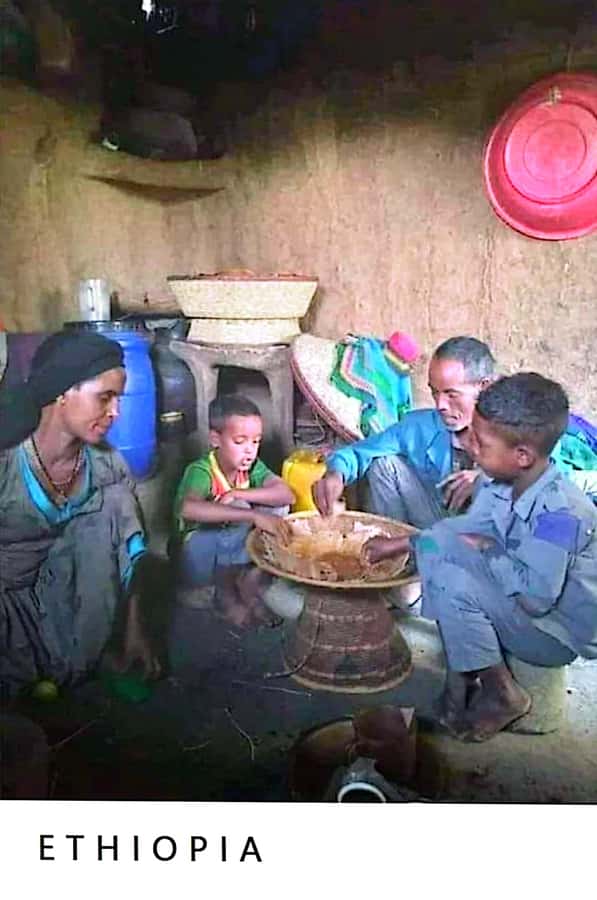
The route continues to the Ethiopia National Museum, home to the famous hominid fossil Lucy. This is a quick but important cultural stop within the wider outing.
Lucy gives you a direct connection to Ethiopia’s place in the story of human origins. The museum visit also breaks up the food activities with something rooted in science and archaeology. If you have already visited the museum, this part may feel less essential. If Addis Ababa is your first stop in Ethiopia, seeing Lucy can add real meaning to your day.
The supplied timing does not state how long you spend inside the museum. Treat it as one part of a four-hour route rather than a full museum visit. If you want a long, detailed look at every collection, you would need a separate visit.
More hands-on workshops:
- Addis Ababa City Tours With Cocking Class of Ethiopian Food
★ 5.0 · 20 reviews - Ethiopia coffee cupping class/Ethiopian food injera making
★ 5.0 · 10 reviews - Private Ethiopian Home Cooking Class in Addis Ababa with Transfer
★ 5.0 · 5 reviews - Latin Dance Class
★ 5.0 · 4 reviews
Learning injera in a local kitchen
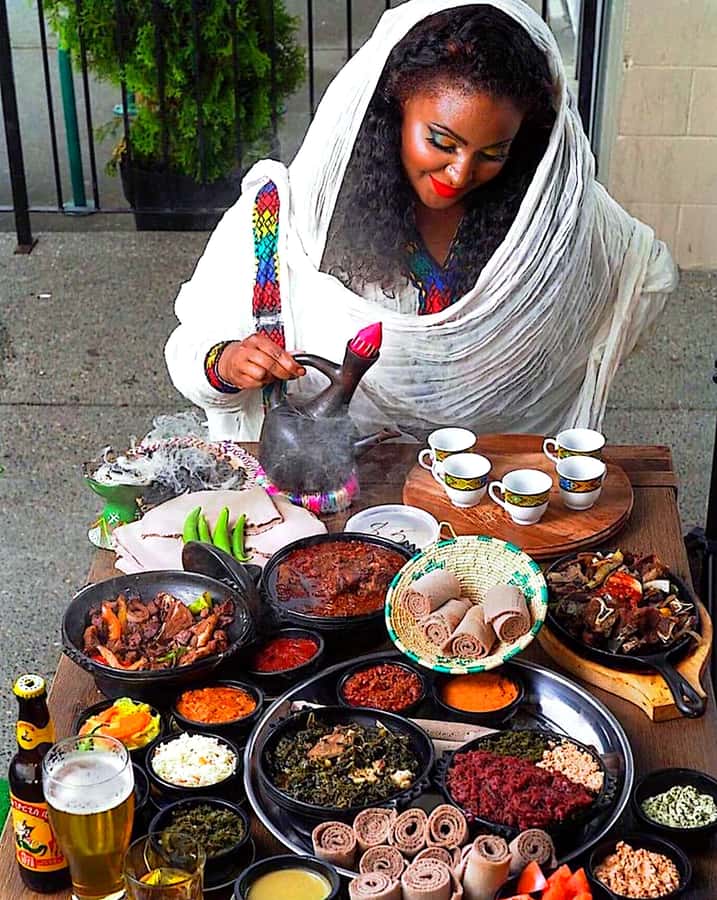
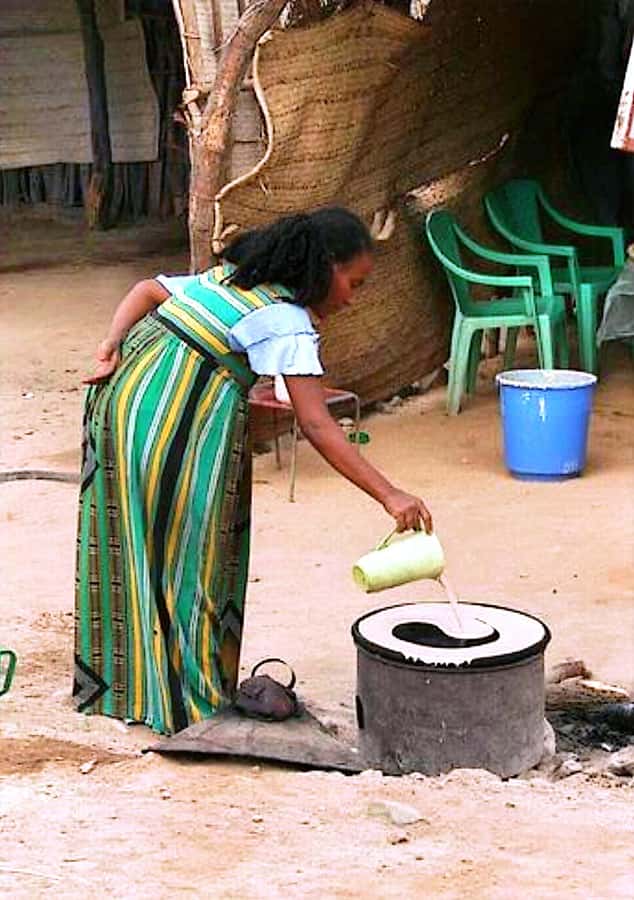
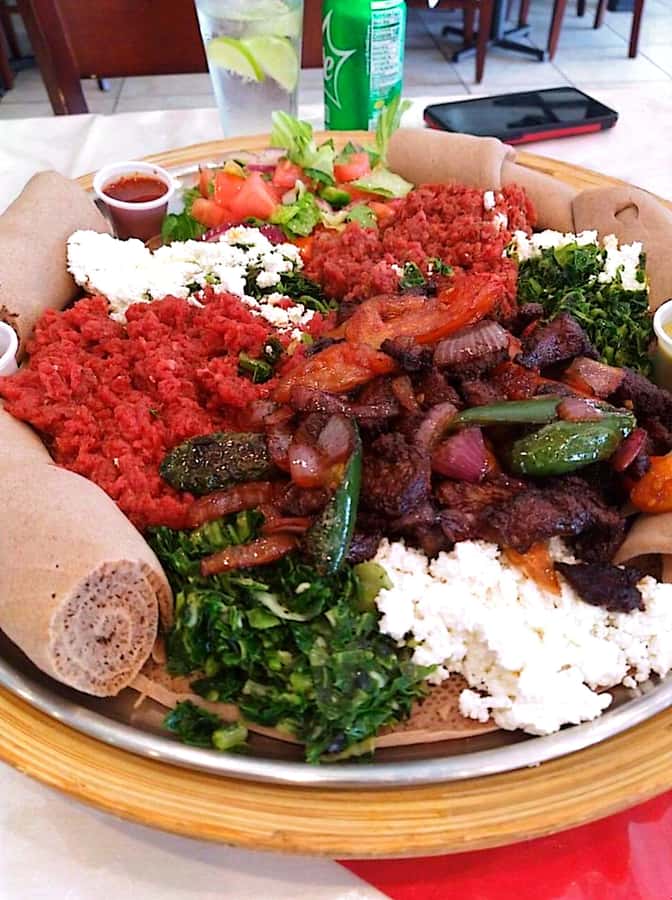
The central lesson focuses on injera, Ethiopia’s staple food. Injera is a fermented, foam-textured pancake with a slightly sour taste. The batter ferments for three days before cooking, so the class teaches more than the final moment when batter hits the pan.
The preparation has three color varieties: white, brown, and red. Seeing the batter and finished bread in this range can help you understand that injera is not a single fixed product. The important point for you is the timing. You cannot decide at breakfast to serve properly fermented injera at lunch. The three-day fermentation is part of the food’s character.
Selam lets you do much of the cooking, according to the detailed account of the visit. That hands-on approach is one of the strongest reasons to choose this class. You do not simply stand behind the host while she works. You have the chance to practice the process yourself, with help when needed.
The small home kitchen is part of the lesson. It may not offer the space, polished equipment, or wide work surfaces of a commercial cooking studio. That is a drawback if you want a tidy, technical class. It is also the reason the food feels connected to everyday life. You see where cooking happens and how people share kitchen space.
Injera is usually used to scoop up other food, so the bread is only half of the meal. The next step gives you something to eat with it.
Making shiro wot, the meal’s spicy center
You also prepare shiro wot, a popular Ethiopian stew made from puréed chickpeas. It is spicy, smooth, and designed to work with injera.
This pairing makes sense for a beginner. You learn the staple bread and a dish that goes with it, rather than making two unrelated recipes. Once the food is ready, you taste your own cooking at lunch. That shared meal is a major part of the appeal, especially if you enjoy food more when you know the people who prepared it with you.
The flavor level is not specified, so if you have a strong concern about spice, ask Abraham or Selam before cooking. The description clearly identifies shiro wot as spicy, so do not assume it will be mild.
The meal takes place in the home, with one account describing dining in Selam’s living room. That setting is simple and social. You get a chance to talk with the hosts about their lives and daily routines, rather than rushing straight from a demonstration to a restaurant table.
Fresh coffee and the Ethiopian ceremony
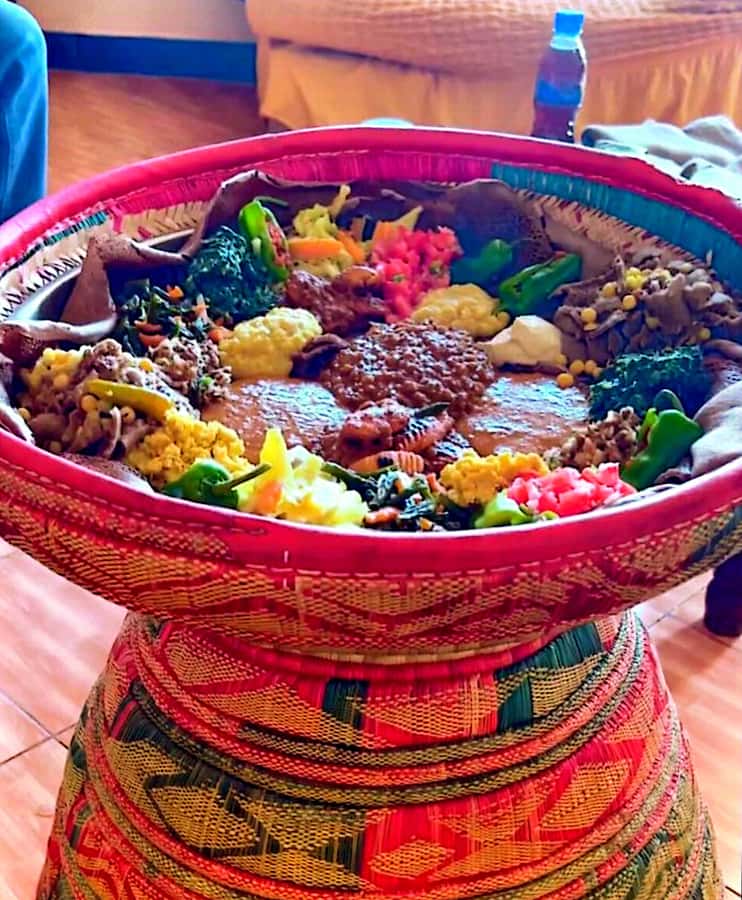
Coffee is the final food lesson. With help from your host, you roast fresh coffee beans and prepare the drink.
Coffee has a special place in Ethiopian social life, and learning the process at home gives the activity a personal finish. You are not just handed a cup at the end. You take part in making it, from freshly roasted beans to the finished coffee.
The details do not specify every stage of the ceremony or how many servings are prepared. What is clear is that the class includes a full Ethiopian coffee lesson. If coffee is one of your main interests, confirm the exact format with the provider when booking, but the basic roasting and preparation are included.
This part also slows the pace after cooking. The market and city drive show you Addis Ababa from outside. The coffee preparation brings you back into the home, where conversation and food are the focus.
What the $90 price includes
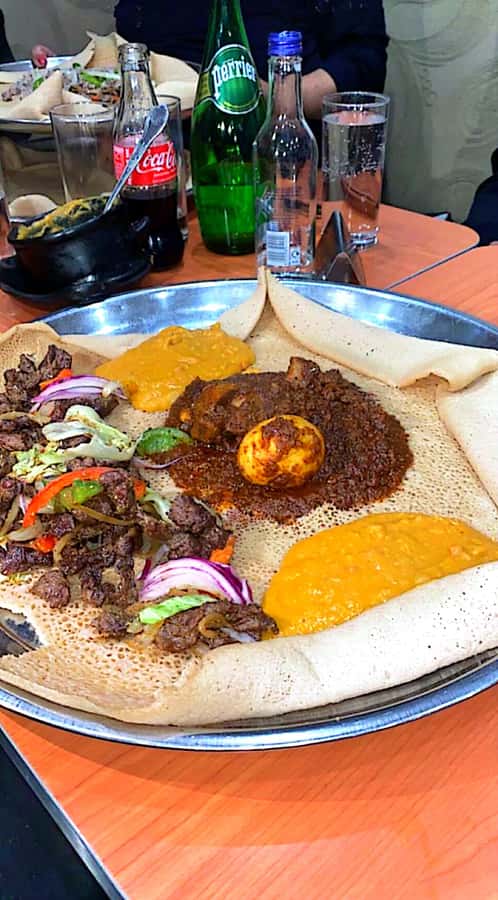
The price is $90 per person. Included are airport or hotel pickup, drop-off, lunch, the injera and shiro wot cooking classes, the coffee class, and entrance fees.
For a four-hour activity, that is not the cheapest option. One person directly felt the price could be lower. I think the value depends on your schedule and priorities. If you are already arranging airport transport, museum entry, and meals, the package saves planning effort and combines several stops in one booking.
The best value comes when you have limited time in Addis Ababa. You get a local home visit, food instruction, lunch, coffee, a market, and Lucy without arranging each piece separately. A longer stay gives you more freedom to compare prices and choose individual activities.
Gratuity is not included. Breakfast and dinner are also excluded, while lunch is covered. Plan your day accordingly. You will not need to budget for the midday meal, but you should arrange other meals separately.
Language, group size, and practical comfort
The tour is offered in English and French. Abraham’s English was strong enough to explain the food, guide conversations, and help with translation during the home visit. If you need French, confirm your preferred language at booking.
The group is limited to seven people. That size suits a cooking lesson because everyone has a better chance to participate. It also keeps the home visit more personal than a coach tour.
Wear comfortable shoes. You will visit a market, move through the city, and cook in a home, so practical clothing makes more sense than formal clothes. Warm clothing is recommended, and a camera is welcome.
Alcohol and drugs are not allowed. The activity is not suitable for people over 95 years old. No other restrictions are listed, but you should tell the provider about food concerns before the class if you have them.
Free cancellation is available up to 24 hours before the activity for a full refund. You can also reserve now and pay later, which helps if your Addis Ababa plans are still shifting.
Who should book this cooking class
I would choose this for a first visit to Addis Ababa, especially if you have only a short window in the city. The pickup service, museum stop, market visit, and home meal give you a useful first taste of local life without requiring several separate bookings.
It also suits anyone who prefers meeting local people over eating in a formal restaurant. The strongest part is the time with Selam and the family, where you cook, share food, and talk about ordinary life.
Families and food-focused visitors may enjoy the hands-on format, though the small home kitchen may not suit someone who wants lots of personal space. It is also a good fit for people who like coffee and want more than a quick cup at the end of a meal.
I would hesitate if your main goal is a long museum visit, a highly technical cooking course, or the lowest possible price. The class is broad rather than specialized. You see several parts of Addis Ababa, but none receives the time of a dedicated tour.
Should you book it?
Book this if you want a friendly, compact introduction to Addis Ababa built around food. The standout features are the local home kitchen, the chance to cook injera yourself, the shiro wot lunch, and the coffee preparation with fresh beans.
The $90 cost is fair for a short layover or a visitor who values included transport and several stops in one outing. It is less compelling if you have many days in Ethiopia and can arrange cheaper cooking lessons and museum visits on your own.
For the most personal version, request Abraham and Selam if possible, confirm your pickup details, and arrive ready to participate. This is not a glossy cooking studio. It is a modest home setting, a shared meal, and a direct look at how Ethiopian food is made and enjoyed.
FAQ
How long does the Addis Ababa cooking class last?
The activity lasts four hours.
How much does the cooking class cost?
The price is $90 per person.
What food will I learn to cook?
You will learn to bake injera and cook shiro wot, a spicy puréed chickpea stew.
Is lunch included?
Yes. Lunch is included, and you will taste the food you helped prepare.
Does the activity include an Ethiopian coffee ceremony?
Yes. The coffee class includes roasting fresh coffee beans and preparing Ethiopian coffee with help from the host.
Is pickup included?
Yes. Pickup and drop-off are included from the airport or your hotel.
Will I visit the National Museum?
Yes. The route includes the Ethiopia National Museum, where you can see the famous hominid fossil Lucy.
What languages are available?
The tour is offered in English and French.
Can I cancel for a refund?
You can cancel up to 24 hours in advance for a full refund. Reserve now and pay later is also available.
Just added around Addis Ababa
- 10 Days in Northern Ethiopia Tours★ 4.5 · 3 reviews
- Day Trip to Tiya UNESCO Site & Melka Kunture Archaeological Site★ 4.5 · 3 reviews
- Two days Lake Wenchi and Menagesha Forest★ 5.0 · 3 reviews
- 6 days 5 nights Addis Abeba sightseeing & Lalibela Rock-Hewn Churches★ 5.0 · 3 reviews
- Addis Ababa Half Day Shopping Tour★ 5.0 · 3 reviews
- 6 days Omo valley cultural Tour★ 5.0 · 3 reviews
- 12- Day Historical Route of Ethiopia★ 5.0 · 3 reviews
- Northern Ethiopia (Historic route)★ 5.0 · 3 reviews
Cooking Classes, compared.
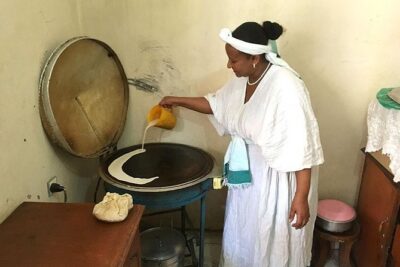
Market Tour and Cooking Class with a Coffee Ceremony at a Home in Addis Ababa
Read our review →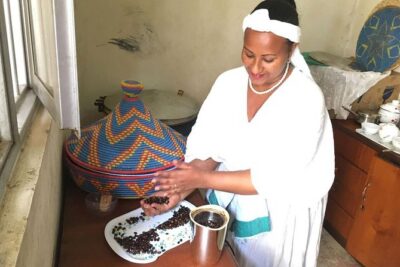
Ethiopian Cooking Class and Coffee Ceremony with a Local in Addis with transfers
Read our review →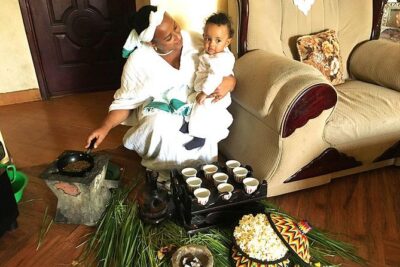
Unique Ethiopian Cooking Class and Coffee Ceremony with a Local in Addis Ababa
Read our review →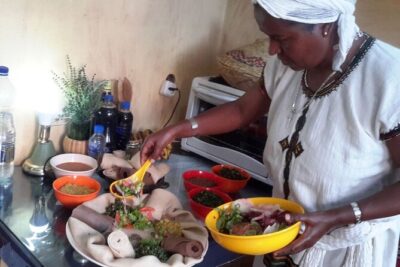
Private Ethiopian Home Cooking Class in Addis Ababa with Transfer
Read our review →Browse the lists this tour appears in