
Reviewed · COFFEE EXPERIENCES
Ethiopia coffee cupping class/Ethiopian food injera making
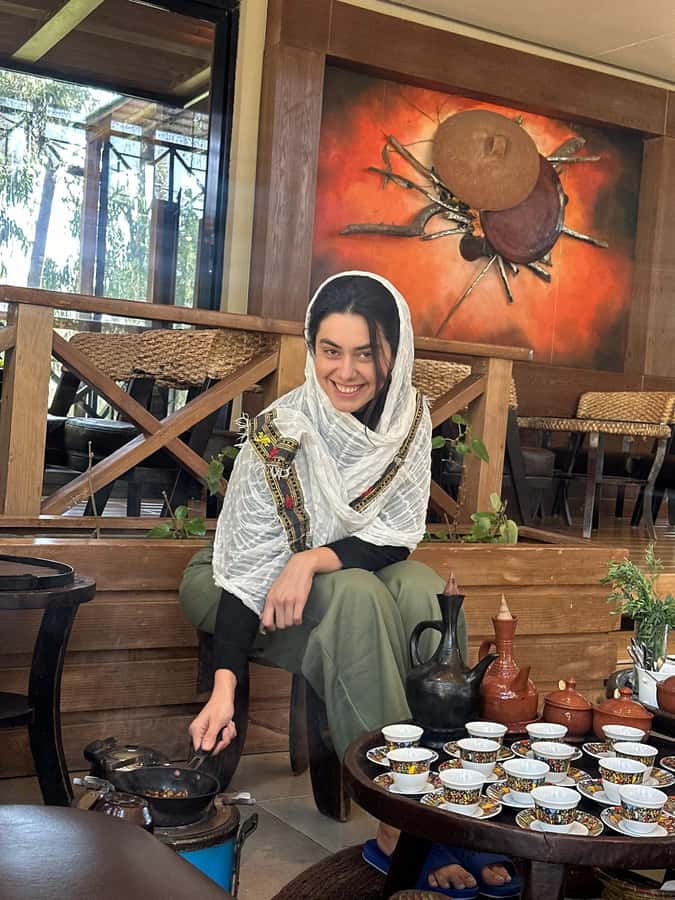
Coffee tells Ethiopia’s story one cup at a time. This four-hour Addis Ababa experience pairs a guided coffee cupping session with hands-on injera making, giving you two useful windows into everyday Ethiopian culture. I like the clear focus on local food and coffee, and I like that a private English-speaking guide handles pickup and explains the details as you go.
The main consideration is that the formal cooking portion is listed at about 30 minutes, so this is more of a cultural introduction than a long culinary course. You should also note the age limit of 15 and the warning for people with altitude sickness, especially if the injera session takes you toward Entoto.
- Coffee from bean to cup: Learn about Ethiopian growing regions, roasting, processing, quality control, and tasting notes during a guided cupping.
- Injera made by hand: Mix, ferment, and bake Ethiopia’s sourdough flatbread on a traditional mitad.
- A meal you help create: Eat handmade enjera with dishes such as shiro and misir wot.
- Private and flexible: Pickup in Addis Ababa is included, with a guide who can help shape the day around your interests.
- A personal local connection: Guides including Joe, Mike, Jonas, and Aelaf have been praised for their care, communication, and cultural explanations.
In This Review
- Why Coffee and Injera Belong Together
- Starting in Addis Ababa
- Inside the Ethiopian Coffee Cupping Session
- Making Injera on a Traditional Mitad
- Eating Handmade Enjera with Local Sides
- The Coffee Ceremony at the End
- What the Guides Add to the Day
- Price, Timing, and Overall Value
- Who Should Book This Experience
- Final Verdict: A Strong Choice for Food and Coffee Lovers
- FAQ
- Where does the coffee and injera experience take place?
- How long does the experience last?
- Is pickup included?
- Is the experience private?
- Is the tour offered in English?
- What food is included?
- Are ingredients and cooking equipment provided?
- Can I cancel or pay later?
Why Coffee and Injera Belong Together
This is not simply a tasting followed by a cooking lesson. Coffee and injera are two daily rituals that help explain how people eat, welcome others, and spend time together in Ethiopia.
Coffee is grown in several parts of the country, and the cupping session gives you a way to notice how beans differ. You will look at aroma, flavor, roast level, and tasting notes instead of treating every cup as the same. For anyone who usually orders coffee without thinking about its origin, this can make the drink in your hotel or café taste more interesting afterward.
Injera brings the lesson back to the table. This large, soft, sourdough-risen flatbread is used to hold food and scoop up sauces. You will learn the basic process of mixing, fermenting, and baking it on a mitad, the hot cooking surface traditionally used for injera.
The best part is the connection between making and eating. You do not just watch a cook prepare a plate. You help make the bread, then sit down with local dishes including shiro and misir wot. That makes the meal more memorable, even if your first injera is not perfectly round.
Starting in Addis Ababa
Pickup is included in Addis Ababa, and the operator contacts you the day before to arrange the details. This is useful in a city where clear meeting points and timing matter. A guide such as Aelaf has been praised for messaging in advance, arriving early, waiting patiently, and checking how the day should fit your needs.
The experience is offered as a private group, so you are not placed with a large mixed party. That matters here. Coffee tasting works better when you can ask questions, and a cooking class is less awkward when you have room to try the technique at your own pace.
Your guide may also provide context during the drives. Aelaf was praised for explaining city life, culture, and religion along the way, while Jonas was appreciated for making conversation feel relaxed and respectful. These details are not separate sightseeing stops promised in the basic program, but they can make the transfer time useful.
Because the full activity lasts four hours, allow time for pickup, driving, the food, the coffee ceremony, and the return to Addis Ababa. The listed activity blocks are short, with coffee marked at about 45 minutes and the cooking class at about 30 minutes. The rest of the time is important for transport, conversation, preparation, eating, and the ceremony.
More hands-on workshops:
- Market Tour and Cooking Class with a Coffee Ceremony at a Home in Addis Ababa
★ 5.0 · 32 reviews - Addis Ababa City Tours With Cocking Class of Ethiopian Food
★ 5.0 · 20 reviews - Ethiopian Cooking Class and Coffee Ceremony with a Local in Addis with transfers
★ 5.0 · 14 reviews
Inside the Ethiopian Coffee Cupping Session
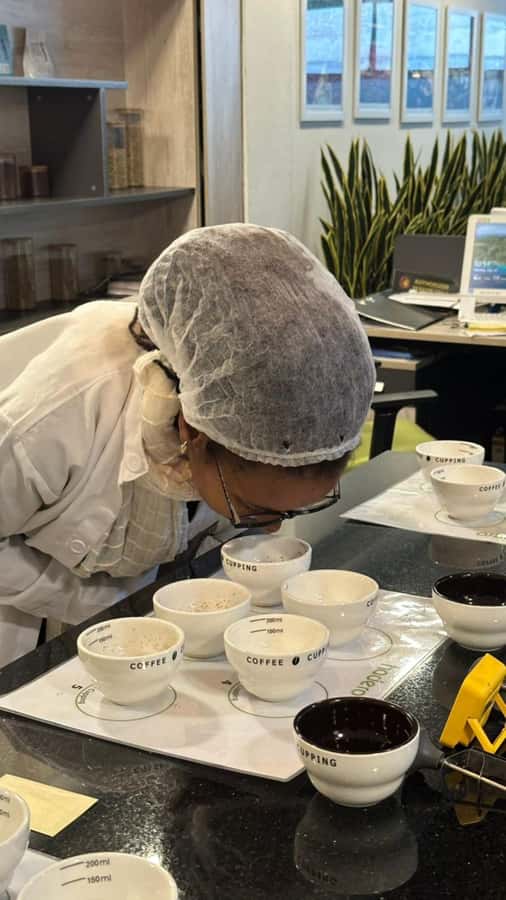
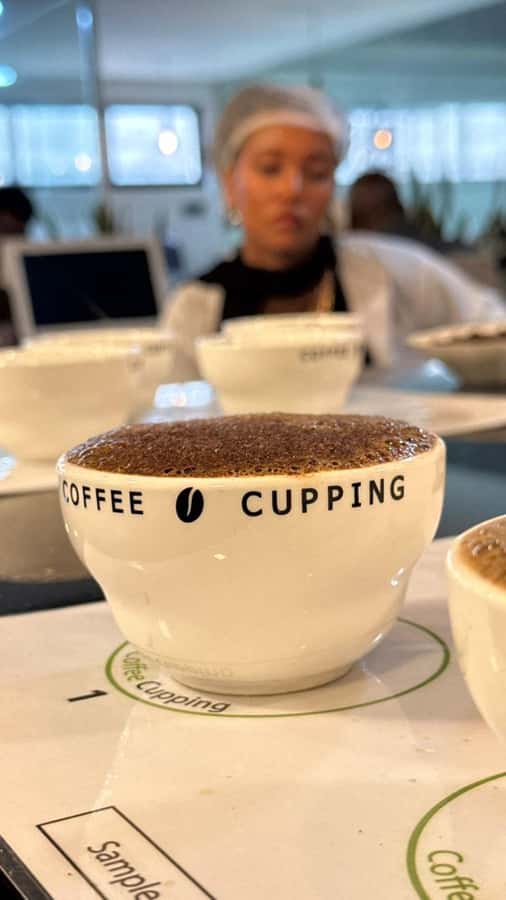
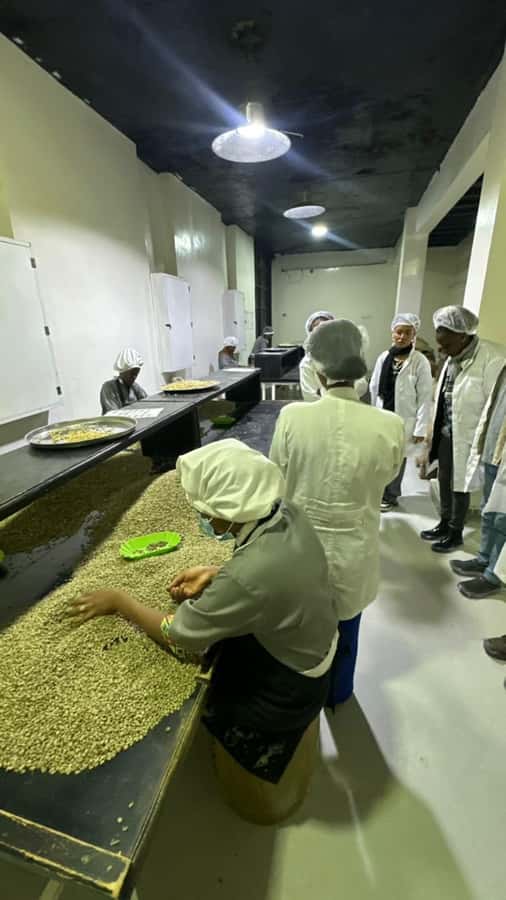
The coffee portion is led by a local coffee expert. You will learn about growing regions, roast levels, brewing methods, aromas, and flavor notes. The session also covers coffee cultivation, processing, and quality control, giving you a wider picture than a simple cup tasting.
The cupping format is especially helpful for beginners. Rather than being expected to know technical terms, you can compare several varieties and focus on what you actually smell and taste. The guide can help you identify the difference between a bright, fruity note and a heavier roasted flavor, then explain how those impressions relate to the bean and preparation.
The experience has taken place at a coffee facility called Hadero, where the session included information on cultivation, processing, quality control, and tasting. Exact locations can vary with the day’s arrangements, so confirm the pickup plan before you set out.
I like that the coffee lesson deals with the full chain from farm work to finished drink. It helps you understand why Ethiopian coffee has such a strong place in the country’s identity. You also get a chance to ask questions that are hard to answer from a café menu, such as why roast level changes the taste or how professionals compare samples.
There is a practical limit. Forty-five minutes gives you a solid introduction, not professional barista training. You will learn how to taste and compare coffee, but the session does not promise an advanced certification or a full brewing course.
Making Injera on a Traditional Mitad
After coffee, you move into a cooking setting with the ingredients, spices, and equipment provided. The focus is injera, a distinctive sourdough flatbread with a soft texture and a slightly sour taste.
You will be shown how to mix the batter, understand the fermentation stage, and spread it on a hot mitad. The key moment is the flip. Injera is broad and delicate, so lifting it without tearing takes some practice. Your guide or cooking instructor provides hands-on help, and English translation is available through the local host and guide.
The class is listed at about 30 minutes, making it a quick introduction rather than a full lesson in fermentation. The description includes mixing, fermenting, and baking, but the exact amount of time spent on each stage depends on preparation and the day’s setup. Fermentation itself normally requires time, so you should not expect to begin with raw batter and finish every stage from scratch within half an hour.
That shorter format can still work well if your goal is cultural contact rather than kitchen mastery. You get to handle the process, see the traditional tools, and understand how the bread reaches the table. If you want to return home able to reproduce injera perfectly, you will need more instruction than this experience provides.
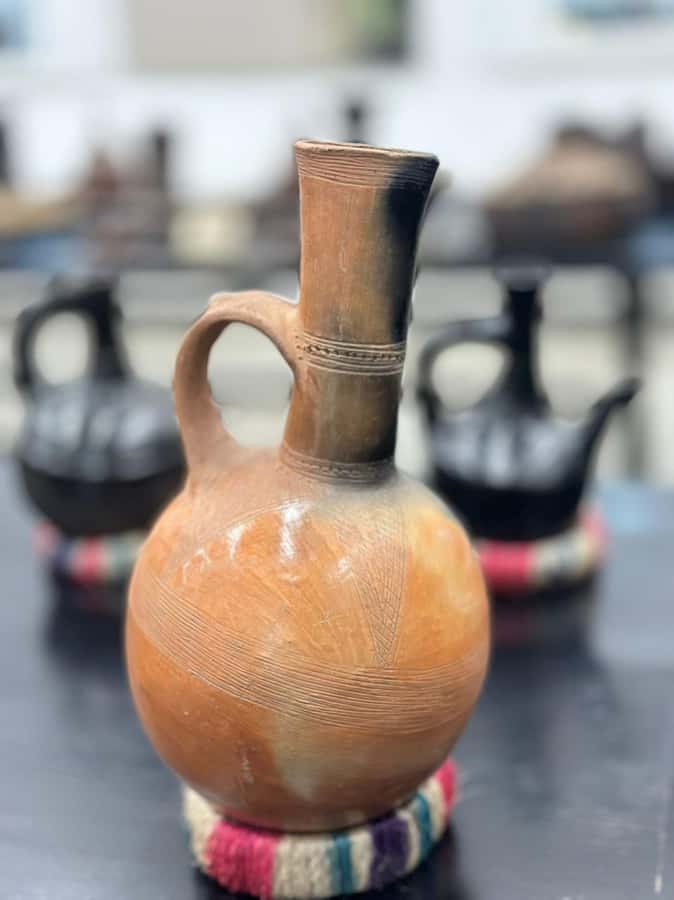
The setting is described as a clean, comfortable indoor or outdoor kitchen. Traditional tools include the mitad and a clay coffee pot. Bottled water is provided, and the ingredients and cooking equipment are included in the price.
Eating Handmade Enjera with Local Sides
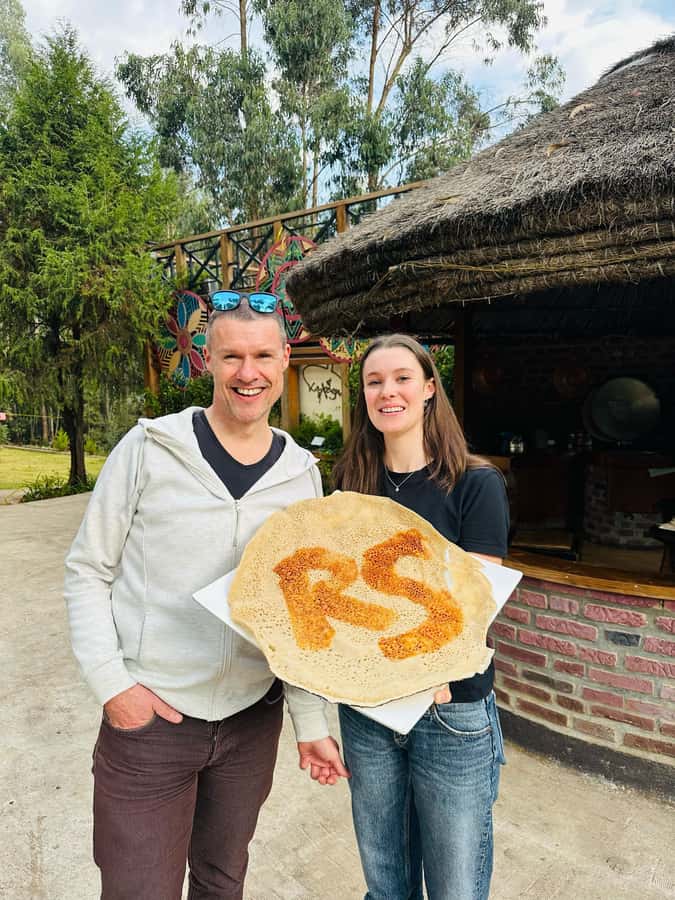
The meal is the payoff for the cooking lesson. Your handmade enjera is served with Ethiopian dishes such as shiro and misir wot, along with other local sides. Shiro is a savory dish made from ground chickpeas or other legumes, while misir wot is a spiced lentil preparation. Together, they show how much flavor Ethiopian cooking can build from pulses, spices, and slow-cooked sauces.
You eat by tearing off pieces of injera and using them to pick up the accompanying food. This is part of the experience, not a performance for visitors. Your guide can explain the custom and help you follow the local way if you are unfamiliar with it.
I would arrive ready for a filling meal and an unhurried conversation. The food portion is included, but personal expenses and extra food or drinks beyond what is provided are not. Bottled water is included, though you should not assume every additional beverage is covered.
The meal also helps you judge the class honestly. If the actual baking lesson feels brief, sitting down to eat what you made gives the experience a satisfying finish. You can taste the bread in context instead of judging it alone.
More coffee experiences:
- Ethiopian Culinary Tour – Market, Food, Coffee Ceremony & more
★ 5.0 · 65 reviews - Vintage Coffee Shops, Restaurants, Sightseeing in Addis Ababa
★ 5.0 · 17 reviews - Ethiopian Culinary Tour – Market, Coffee Ceremony and More
★ 5.0 · 10 reviews - Unique Ethiopian Cooking Class and Coffee Ceremony with a Local in Addis Ababa
★ 4.5 · 7 reviews
The Coffee Ceremony at the End
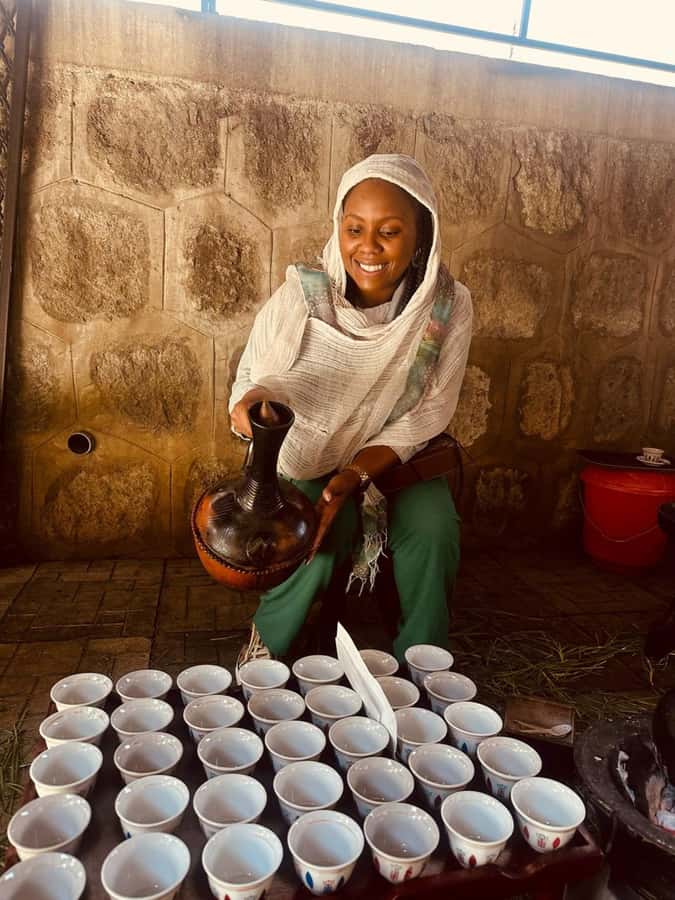
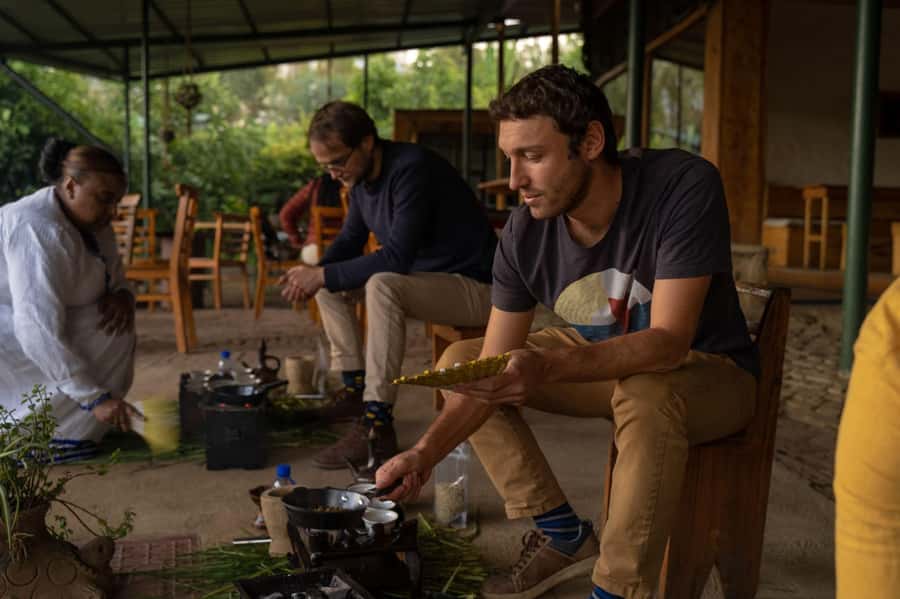
The session closes with a traditional Ethiopian coffee ceremony. This is a slower, social part of the day, and it gives the experience a different mood from the more technical cupping session.
Earlier, you are comparing aromas and tasting notes. At the ceremony, coffee becomes a reason to sit together, talk, and welcome one another. That contrast is valuable. You see both the professional side of coffee and its place in ordinary social life.
The ceremony uses traditional equipment, including a clay coffee pot. The exact sequence and length are not specified, so expect a cultural introduction rather than a formal religious or historical presentation. Your English-speaking guide can translate and explain what is happening.
For me, this is one of the strongest reasons to choose the combined experience instead of a coffee tasting alone. You leave with facts about beans and brewing, but also with a better sense of why coffee matters beyond the cup.
What the Guides Add to the Day
The guide can make or break a small private experience, and the praise here focuses on communication, care, flexibility, and local explanation.
Joe has introduced people to Ethiopian coffee and injera, including a session at Hadero and a visit toward Entoto Park. He has also helped guests add a honey shop or take in views of Addis when time and plans allowed. Those additions are not part of the basic promise, so treat them as possible flexibility, not guaranteed stops.
Aelaf, also called Ale, has been praised for careful planning, safe driving, translation during the injera class, and explanations of city life, culture, and religion. One carefully planned day also included Menelik Palace and a church museum after the food experience. Again, these extra visits depend on the agreed plan and available time.
Mike has been praised for storytelling and for taking care of practical details when plans changed. Jonas has been praised for punctuality, very clear English, and a respectful manner that made conversation easy.
The guide may not be the same person on every date. Still, the repeated praise for personal attention is useful when deciding if this private format suits you. You are paying partly for the food and coffee, and partly for access to a local person who can explain what you are seeing.
Price, Timing, and Overall Value
At $94 per person, this is not the cheapest way to eat in Addis Ababa. You are paying for a four-hour private experience, pickup, a coffee expert, several coffee varieties, the injera workshop, lunch, the coffee ceremony, equipment, ingredients, bottled water, and an English-speaking cultural host.
The value is strongest if you want a guided introduction rather than a restaurant meal. A coffee lover gets structured tasting and background. A food-focused visitor gets a hands-on cooking activity and a traditional meal. Someone with a short stay in Addis gets a compact way to connect food, coffee, city life, and local conversation.
The price is less compelling if you want a long, technical cooking course. The listed 30-minute class is brief, and the four-hour duration includes transport and other parts of the day. Ask yourself if you are buying a lesson in professional technique or a private cultural outing with food at its center. This experience is clearly better suited to the second purpose.
The free cancellation policy allows a full refund up to 24 hours before the start, and you can reserve now and pay later. Starting times vary, so check availability before planning other Addis activities around it.
Who Should Book This Experience
You should consider it if you:
- Love coffee and want to understand Ethiopian varieties beyond drinking a prepared cup.
- Enjoy cooking but prefer a short, social class to a full-day school.
- Want to eat Ethiopian food in a setting where someone can explain the customs.
- Prefer private groups and direct contact with a local guide.
- Have time for pickup, transport, lunch, and conversation rather than only a quick tasting.
- Are visiting Addis Ababa and want an experience tied to daily life.
It is not suitable for children under 15. It is also not suitable for people with altitude sickness. Since some sessions have included travel toward Entoto, mention any health concern before confirming the plan.
You should also tell the operator about your priorities. If coffee is the main reason you are booking, ask for enough time at the cupping session. If injera is your priority, ask what part of the preparation will be hands-on that day.
Final Verdict: A Strong Choice for Food and Coffee Lovers
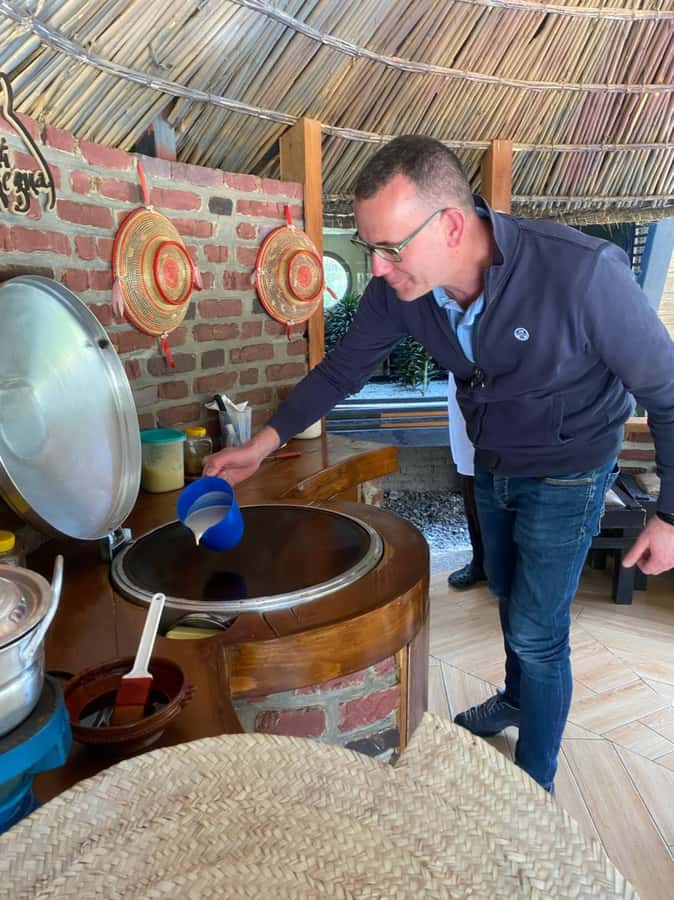
I would book this experience if you want a personal introduction to Ethiopian food and coffee, especially during a first stay in Addis Ababa. The private format, included meal, local guide, coffee cupping, and traditional ceremony give you more than a standard cooking demonstration.
I would not book it expecting a long fermentation workshop or advanced coffee training. The injera lesson is short, and some of the day is spent in transit. But for a four-hour cultural outing that combines tasting, cooking, conversation, and a shared meal, $94 offers solid value.
The strongest reason to choose it is the human element. Guides such as Joe, Aelaf, Mike, and Jonas have been praised for careful pickup arrangements, clear English, safe driving, flexibility, and genuine local stories. Confirm the day’s route and timing in advance, then come hungry, curious, and ready to accept that your first injera may need a little help from the instructor.
FAQ
Where does the coffee and injera experience take place?
The experience begins and ends in Addis Ababa, with pickup included. The coffee session may take place at Hadero, and injera making has taken place around Entoto National Park, but confirm the exact route and meeting details with the operator.
How long does the experience last?
The full experience lasts four hours. The coffee portion is listed at about 45 minutes, and the cooking class at about 30 minutes, with the remaining time covering pickup, transport, food, conversation, and the coffee ceremony.
Is pickup included?
Yes. Pickup in Addis Ababa is included, and the operator will contact you the day before to organize the details.
Is the experience private?
Yes. It is offered for a private group rather than as a shared large-group activity.
Is the tour offered in English?
Yes. The live tour guide and cultural host speak English.
What food is included?
A traditional Ethiopian lunch is included, with your handmade enjera and local dishes such as shiro, misir wot, and other accompanying sides.
Are ingredients and cooking equipment provided?
Yes. The price includes all ingredients, spices, cooking and tasting equipment, and traditional tools such as a mitad and clay coffee pot.
Can I cancel or pay later?
You can cancel up to 24 hours in advance for a full refund. You can also reserve now and pay later, and no payment is required today when using that option.
More food experiences
- Half Day Food Tour Addis Ababa With Airport pickUp And Drop-Off
★ 5.0 · 4 reviews - Addis Food Tasting Tour
★ 5.0 · 4 reviews - Local Ethiopian Food Tour
★ 4.0 · 4 reviews - Food tour in Addis Ababa with airport pick-up.
★ 3.5 · 3 reviews
More food and drink experiences
- Hidden Treasures of Addis Ababa – Food, Culture and History Tour
★ 5.0 · 57 reviews - Food tours in Addis Ababa tastever with lunch
★ 5.0 · 9 reviews - city tour of Addis Ababa ( history ,culture , food and more)
★ 5.0 · 7 reviews - Local Ethiopian Food Tour
★ 4.0 · 7 reviews
Just added around Addis Ababa
- 10 Days in Northern Ethiopia Tours★ 4.5 · 3 reviews
- Day Trip to Tiya UNESCO Site & Melka Kunture Archaeological Site★ 4.5 · 3 reviews
- Two days Lake Wenchi and Menagesha Forest★ 5.0 · 3 reviews
- 6 days 5 nights Addis Abeba sightseeing & Lalibela Rock-Hewn Churches★ 5.0 · 3 reviews
- Addis Ababa Half Day Shopping Tour★ 5.0 · 3 reviews
- 6 days Omo valley cultural Tour★ 5.0 · 3 reviews
- 12- Day Historical Route of Ethiopia★ 5.0 · 3 reviews
- Addis Ababa City Tour★ 4.5 · 3 reviews
Coffee Experiences, compared.
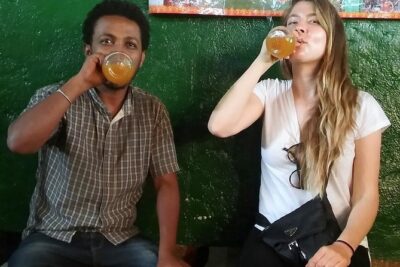
Ethiopian Culinary Tour – Market, Food, Coffee Ceremony & more
Read our review →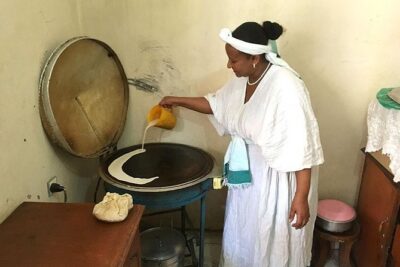
Market Tour and Cooking Class with a Coffee Ceremony at a Home in Addis Ababa
Read our review →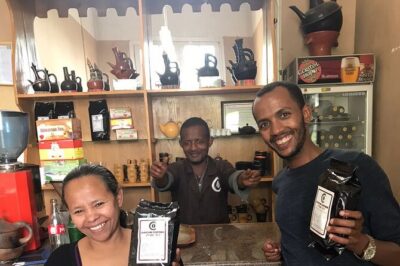
Vintage Coffee Shops, Restaurants, Sightseeing in Addis Ababa
Read our review →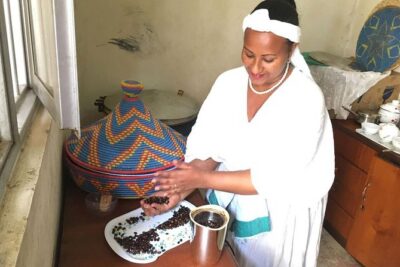
Ethiopian Cooking Class and Coffee Ceremony with a Local in Addis with transfers
Read our review →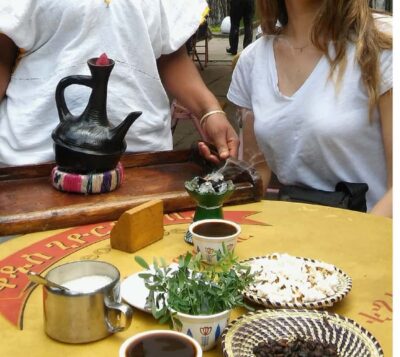
Ethiopian Culinary Tour – Market, Coffee Ceremony and More
Read our review →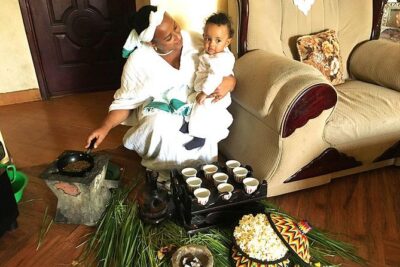
Unique Ethiopian Cooking Class and Coffee Ceremony with a Local in Addis Ababa
Read our review →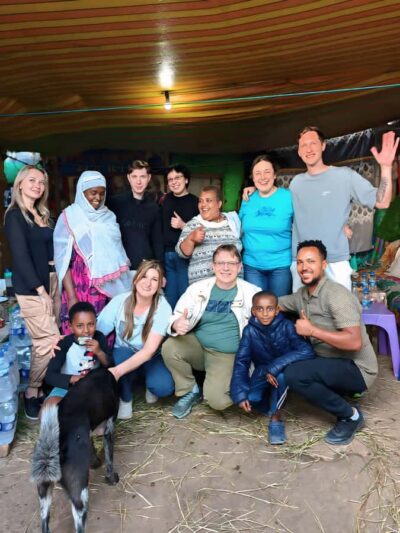
Addis Ababa City Experience : Markets, Coffee & Local Life
Read our review →
Lalibela: Churches Full-Day Private Tour w/Coffee Ceremony
Read our review →Browse the lists this tour appears in