
Reviewed · FOOD & DRINK
Food tours in Addis Ababa tastever with lunch
Come hungry, leave with new kitchen skills. This Addis Ababa food tour combines a visit to Merkato, shopping for fresh ingredients, hands-on cooking, lunch, and an Ethiopian coffee ceremony. I like the way it connects food with daily life, and I especially like that you do more than sit at a restaurant. You shop, prepare, cook, and eat.
The market visit gives the day a local setting, while the cooking session adds real participation. Guides Joseph and Dagi have both been praised for their introductions, history, and helpful approach. The main consideration is that the experience is not suitable for people with food allergies, and the tour may feel less appealing if you prefer a simple restaurant meal over an active cooking session.
In This Review
- Key points to know before booking
- Starting at Merkato, Addis Ababa’s great food market
- Shopping for vegetables and learning the food basics
- Learning to make injera, Ethiopia’s essential bread
- Making Ethiopian lentil stew at home
- Lunch made from the day’s work
- The Ethiopian coffee ceremony
- What guides Joseph and Dagi add to the day
- Transportation, pickup, and the shape of the day
- What the $76 price really includes
- Who should book this Addis Ababa food experience?
- Should you book it?
- FAQ
- What is included in the $76 price?
- Is transportation included?
- What foods will I learn to prepare?
- Is lunch included?
- Is the tour available in English?
- Is this tour suitable for people with food allergies?
- Can I cancel or pay later?
Key points to know before booking
- Merkato comes first: Visit Addis Ababa’s large open-air market and see where food shopping fits into daily city life.
- You help prepare the meal: Learn about injera, Ethiopian lentil stew, and other cooking steps from a native cook.
- Lunch is included: The food you help prepare becomes part of the midday meal.
- Coffee is part of the culture: An Ethiopian coffee ceremony is included, with three traditional rounds.
- Transport is covered: Pickup and drop-off at your hotel or the airport are included.
- The price is $76 per person: That covers transport, entry, ingredients, lunch, and Ethiopian coffee.
Starting at Merkato, Addis Ababa’s great food market
Your day begins with pickup from your hotel or the airport. From there, you drive to Merkato, described as the largest outdoor market in Africa. The market was established by the Italians around 1937 and covers several square miles, with an estimated 13,000 people working across about 7,100 business entities.
Those figures give you a sense of scale. This is not a small row of tidy produce stalls arranged for sightseeing. It is a working marketplace, and the point of the visit is to see how food, trade, and ordinary city routines connect.
I would pay close attention to the shopping part of the experience. You are not simply passing through with a camera. You are there to help find the ingredients needed for cooking later in the day. That gives the market stop a clear purpose and makes it easier to understand what you are seeing.
The tour information does not provide a fixed list of foods purchased at Merkato. Expect the guide to explain the items needed for the cooking session, then take you to a fresh vegetable market for additional ingredients. Since market conditions can change, the exact selection may vary.
The scale can also be a drawback. A large open-air market may feel crowded and fast-moving, and you should be ready to walk through a busy public setting. The available information does not specify how long you stay at Merkato, so ask the provider if you need a precise schedule.
Other Addis Ababa trips people book alongside this one:
- Full Day Tour of Addis Ababa with Hotel Pickup and Drop-off
★ 5.0 · 430 reviews - Taste of Ethiopia
★ 5.0 · 406 reviews - Day Trip From Addis Ababa See Historical Monastery,Stunning Nature,Animals,Birds
★ 5.0 · 303 reviews
Shopping for vegetables and learning the food basics
After Merkato, the tour continues to a fresh corner vegetable market. This second shopping stop helps connect the broad market visit with the practical business of making lunch.
The ingredients listed for the Ethiopian lentil dish include pepper powder, tomato, onion, cooking oil, and a little table salt. These are simple ingredients, but Ethiopian cooking gets much of its character from the seasoning and cooking method. You will see how a short ingredient list can produce a dish with strong flavor.
The food focus is useful for anyone who wants more than a meal photograph. You can ask questions about the ingredients, see how the cook handles them, and take ideas home for your own kitchen. The tour is also a good choice if you are curious about vegetarian Ethiopian food, since lentils are central to the meal described.
The information does not name every dish served at lunch. It specifically highlights injera and Ethiopian lentil stew, along with other Ethiopian meals. That means you should expect a traditional spread, but not book this experience expecting a guaranteed menu beyond the foods described.
Learning to make injera, Ethiopia’s essential bread
The cooking session takes place at a home after the market visits. This is where the tour becomes personal and hands-on. You learn from a native cook how to bake and prepare Ethiopian food, rather than receiving only a demonstration from a distance.
Injera, also spelled enjera, is the national food described for the experience. It is a soft, spongy flatbread made from fermented teff flour and water. The process involves preparing a starter, mixing flour and water, allowing the mixture to ferment, and cooking thin pancakes on a hot pan.
Fermentation is the key point. Injera is not just a flat pancake made and served immediately. The batter needs time to develop, which gives the bread its distinctive texture and flavor. The cooking stage then turns the batter into thin, flexible rounds used with Ethiopian dishes.
The tour description does not say how long the fermentation takes or whether you prepare a batch from the very beginning. That matters because a full injera process can require advance preparation. You will learn about the process and participate in food preparation, but ask the provider exactly which stages you will handle on the day.
For you, the best part may be the way injera functions as both food and utensil. Ethiopian meals are commonly eaten by tearing off pieces of injera and using them to pick up stews and vegetables. The tour information does not spell out table customs, so your guide is the right person to ask during lunch.
Making Ethiopian lentil stew at home
The lentil dish gives the cooking session a practical vegetarian option. The listed ingredients are pepper powder, tomato, onion, cooking oil, and salt. The recipe is described as easy to make, with a strong depth of flavor despite its modest ingredient list.
I like this part of the experience because it is more useful than learning a dish that depends on rare ingredients. You may be able to recreate the lentil stew at home, especially if the guide explains how much seasoning to use and how the onions, tomatoes, and spices are combined.
The exact cooking steps are not provided, so you should treat this as a guided lesson rather than a guaranteed formal cooking class with a printed recipe. Ask the cook to repeat measurements and methods if you want to remember them later. Taking notes on your phone can help, provided you do so without interrupting the session.
The tour is especially suitable for people who enjoy vegetarian food or want to understand Ethiopian meals beyond meat dishes. It is less suitable for anyone with food allergies, since the experience is specifically listed as unsuitable for people with allergies. You should not assume that substitutions or separate preparation areas are available.
More food and drink experiences:
- Ethiopian Culinary Tour – Market, Food, Coffee Ceremony & more
★ 5.0 · 65 reviews - Hidden Treasures of Addis Ababa – Food, Culture and History Tour
★ 5.0 · 57 reviews - Addis Ababa City Tours With Cocking Class of Ethiopian Food
★ 5.0 · 20 reviews - Ethiopia coffee cupping class/Ethiopian food injera making
★ 5.0 · 10 reviews
Lunch made from the day’s work
Lunch is included, and the meal follows the shopping and preparation sessions. That order gives the food more meaning. You have seen ingredients at the market, watched them being prepared, and then tasted the finished dishes.
Expect Ethiopian food with spicy flavors and several components rather than a single plain plate. Injera is the main bread described, and the lentil stew is one of the named dishes. The experience promises a variety of Ethiopian meals, but the full lunch menu is not specified.
The practical value here is clear: $76 covers the food items, cooking experience, lunch, entry ticket, transport, and Ethiopian coffee. If you paid separately for a meal, a market visit, local transport, and a coffee experience, the package could offer solid value. The price is harder to judge if you mainly want lunch, since a cooking and market experience is built into the cost.
The tour also includes pickup and return to your hotel or the airport. That can matter in Addis Ababa, where arranging separate transport for several stops may be inconvenient. The exact vehicle type, group size, and travel time are not stated, so those are sensible details to confirm before paying.
The Ethiopian coffee ceremony
Coffee is not an afterthought here. The Ethiopian coffee ceremony is described as an important social ritual linked with friendship, respect, and hospitality. It is part of daily life and also appears at special occasions.
The ceremony traditionally includes three rounds of coffee, each with its own symbolism. The tour includes Ethiopian coffee, though it does not explicitly confirm whether all three rounds are served during this particular experience. Your guide can explain the sequence and meaning as the coffee is prepared.
This is a valuable cultural part of the day because it shows that Ethiopian food is not only about recipes. Eating and drinking are tied to welcome, conversation, and social respect. After the market and cooking activities, the ceremony provides a calmer way to understand that side of Ethiopian life.
If coffee is important to you, ask whether the full ceremony is included or whether the experience offers coffee prepared in the traditional style without all three rounds. The supplied details confirm Ethiopian coffee, but not every serving detail.
What guides Joseph and Dagi add to the day
The guide can make a large difference on a market and food tour. Joseph received praise for giving a strong introduction to Ethiopian food, which is useful at the beginning of the experience when you are still learning what to look for.
Dagi was also praised for being accommodating and for explaining history during a wider Addis Ababa visit that included a church, museum, and market. That feedback suggests he can add useful context beyond the basic food stops, including information about construction and government projects in the city. The food tour itself is centered on Merkato, vegetable shopping, cooking, lunch, and coffee, so do not assume the church and museum stops are part of this specific experience.
A good guide should help you move from simply seeing food to understanding its place in Ethiopian life. Joseph’s introduction and Dagi’s broad explanations are exactly the kind of guidance that can make the day more than a sequence of drives and meals.
The listed tour language is English. If you need another language, this experience may not be the right fit unless the provider confirms an arrangement in advance.
Transportation, pickup, and the shape of the day
Pickup is available from your hotel or the airport, and the tour returns you to your hotel or airport at the end of the service. This makes the experience practical for someone with limited time in Addis Ababa or for someone arranging a food-focused activity around a flight.
The route is described in this order:
- Hotel or airport pickup
- Drive to Merkato
- Visit a fresh vegetable market
- Drive to the home
- Prepare Ethiopian food
- Eat lunch
- Enjoy Ethiopian coffee
- Return to your hotel or airport
No duration is provided. Do not plan a tight airport connection unless the provider confirms the end time and allows plenty of extra time. Addis Ababa traffic, market conditions, and the cooking session could affect the schedule.
Entry tickets are included, but the information does not say which specific entry they cover. Ask for clarification if that detail affects your budget.
What the $76 price really includes
At $76 per person, this is priced as a full cultural experience rather than a simple food tasting. The package includes hotel and airport pickup, an entry ticket, food ingredients, lunch, and Ethiopian coffee.
I see the strongest value in the combination of transport and participation. You do not need to arrange separate rides to Merkato and the vegetable market, and you are not only buying a finished plate. You get access to shopping, preparation, cooking, and a traditional coffee experience.
The value depends on your interests. If you enjoy markets, home cooking, and learning about local food customs, the price is reasonable for a private or personalized day, though the group size is not provided. If you only want to sample Ethiopian food quickly, you may find the package more involved than necessary.
Breakfast, dinner, hotel accommodation, and alcohol are not included. Bring your own camera if you want photographs, and do not bring alcohol or drugs. The provider also allows you to reserve and pay later, which helps if your Addis Ababa plans are still changing.
Who should book this Addis Ababa food experience?
I would recommend this tour to you if you want food with context. It suits people who enjoy seeing markets, asking questions, learning basic cooking methods, and sitting down to eat food connected to the day’s activities.
It is also a good match for first-time visitors who want hotel or airport pickup included. The market can be easier to approach with a guide, especially when you are unfamiliar with the city and want explanations rather than a quick walk past the stalls.
Vegetarians may find the lentil stew especially appealing. The tour also works well for anyone curious about teff, injera fermentation, Ethiopian spices, and the role of coffee in social life.
I would hesitate to recommend it if you have food allergies, need a guaranteed menu, or dislike spicy food. I would also confirm the schedule if you are fitting the tour between flights, since no duration is given.
The experience has a perfect 5 rating from nine bookings, with special praise for the guides, driver, introduction to Ethiopian food, and typical Ethiopian lunch. That matches the tour’s strongest feature: it links the city, the market, the kitchen, and the table.
Should you book it?
Book this tour if you want a practical introduction to Addis Ababa through food rather than a restaurant-only outing. The combination of Merkato, ingredient shopping, injera preparation, lentil stew, lunch, and coffee gives you several ways to understand Ethiopian culture in one day.
Before booking, confirm the tour duration, group size, exact lunch menu, and how much hands-on cooking you will do. If you have food allergies, choose another experience. For everyone else, the $76 price offers good value when you want transport, a local market visit, cooking instruction, and a meal folded into one experience.
FAQ
What is included in the $76 price?
The price includes hotel and airport pickup, an entry ticket, food items for the cooking session, lunch, and Ethiopian coffee.
Is transportation included?
Yes. Pickup is provided from your hotel or the airport, and the tour returns you to your hotel or the airport at the end of the service.
What foods will I learn to prepare?
The experience includes learning about injera, Ethiopia’s fermented teff flatbread, and an Ethiopian lentil stew made with pepper powder, tomato, onion, cooking oil, and salt. Other Ethiopian meals may also be included.
Is lunch included?
Yes. Lunch is included, and it features Ethiopian food prepared during the experience. The complete menu is not specified.
Is the tour available in English?
Yes. English is the listed tour language.
Is this tour suitable for people with food allergies?
No. The experience is listed as not suitable for people with food allergies.
Can I cancel or pay later?
You can reserve and pay later. You can also cancel up to 24 hours in advance for a full refund.
More food experiences
- city tour of Addis Ababa ( history ,culture , food and more)
★ 5.0 · 7 reviews - Local Ethiopian Food Tour
★ 4.0 · 7 reviews - Half Day Food Tour Addis Ababa With Airport pickUp And Drop-Off
★ 5.0 · 4 reviews - Addis Food Tasting Tour
★ 5.0 · 4 reviews
Just added around Addis Ababa
- 10 Days in Northern Ethiopia Tours★ 4.5 · 3 reviews
- Two days Lake Wenchi and Menagesha Forest★ 5.0 · 3 reviews
- Day Trip to Tiya UNESCO Site & Melka Kunture Archaeological Site★ 4.5 · 3 reviews
- 6 days 5 nights Addis Abeba sightseeing & Lalibela Rock-Hewn Churches★ 5.0 · 3 reviews
- Addis Ababa Half Day Shopping Tour★ 5.0 · 3 reviews
- 6 days Omo valley cultural Tour★ 5.0 · 3 reviews
- 12- Day Historical Route of Ethiopia★ 5.0 · 3 reviews
- Addis Ababa at a Glance★ 5.0 · 3 reviews
Food & Drink, compared.
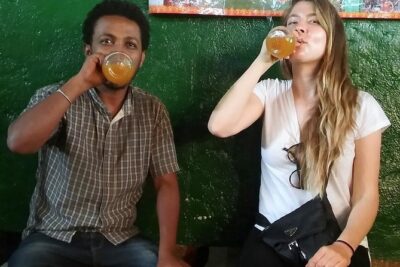
Ethiopian Culinary Tour – Market, Food, Coffee Ceremony & more
Read our review →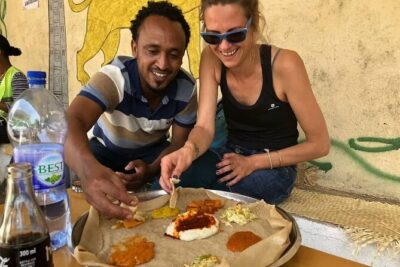
Hidden Treasures of Addis Ababa – Food, Culture and History Tour
Read our review →
Addis Ababa City Tours With Cocking Class of Ethiopian Food
Read our review →
Ethiopia coffee cupping class/Ethiopian food injera making
Read our review →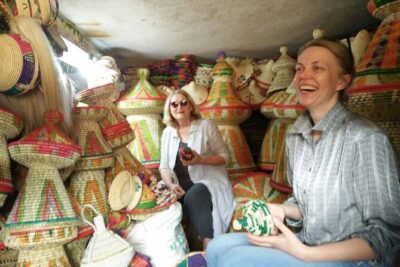
city tour of Addis Ababa ( history ,culture , food and more)
Read our review →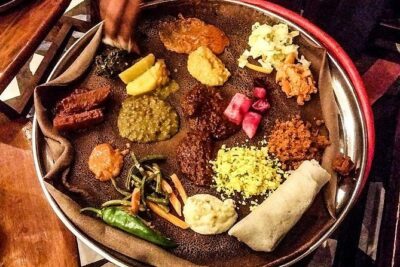

Locally crafted beer and wine tasting and nightlife in Addis tour
Read our review →
Browse the lists this tour appears in