
Reviewed · COOKING CLASSES
Private Ethiopian Home Cooking Class in Addis Ababa with Transfer
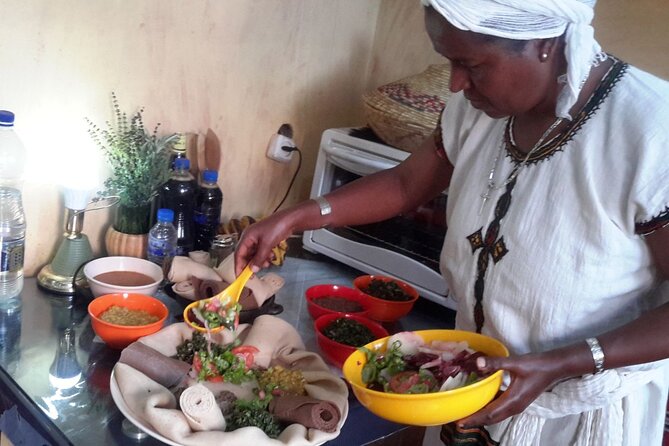
Food opens doors quickly. This private Addis Ababa cooking class takes you into Hilena’s family kitchen, where you can learn two Ethiopian dishes, share a home-cooked meal, and finish with coffee made in the country famous for it. I like the personal setting and the chance to see everyday food preparation rather than a staged restaurant demonstration. I also like that the optional Sansusi market visit connects the dishes to local produce and daily shopping. The main consideration is time and distance: Hilena’s home is about 20 kilometers from the airport, and the cooking course can feel long if you are not ready for a generous amount of food.
This is a good choice if you want more than a meal in Addis Ababa. Hilena has cooked since childhood, and her brother helps translate because her English is limited. That language support matters, since the value here comes from asking questions, watching techniques, and understanding how Ethiopian food is served at home.
In This Review
- Key points to know before booking
- From Addis Ababa to Sansusi
- Walking through the Sansusi neighborhood market
- Learning two dishes with Hilena
- What you may eat at the family table
- Ethiopian coffee at the end
- Is $124 per person good value?
- Who will enjoy this Addis Ababa cooking class?
- Timing, pickup, and practical planning
- Should you book the Hilena cooking class?
- FAQ
- Where does the cooking class take place?
- How long does the experience last?
- Is hotel pickup available?
- Is the experience private?
- What food will I learn to make?
- Can I request vegetarian food or report allergies?
- Will the class be taught in English?
Key points to know before booking
- Hilena’s family kitchen: You cook in a local home with recipes passed down through her family, not in a formal cooking school.
- Sansusi market option: You can walk through a neighborhood street market, see grains, vegetables, fruit, clothing, live chickens, and sheep, and buy ingredients for the class.
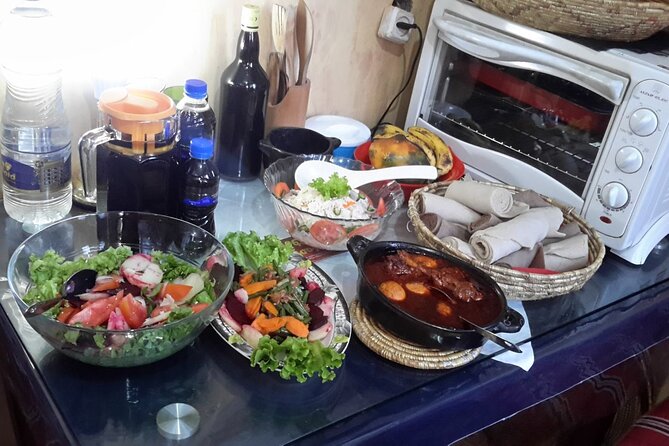
- A full Ethiopian meal: The food may include Beyaynetu, Shiro, Genfo, and Anebabero, with the menu changing by season.
- Private group experience: Only your party takes part in the class, although other people may be staying at Hilena’s guest house.
- Translation is provided: Hilena’s brother stays throughout the experience to help with English.
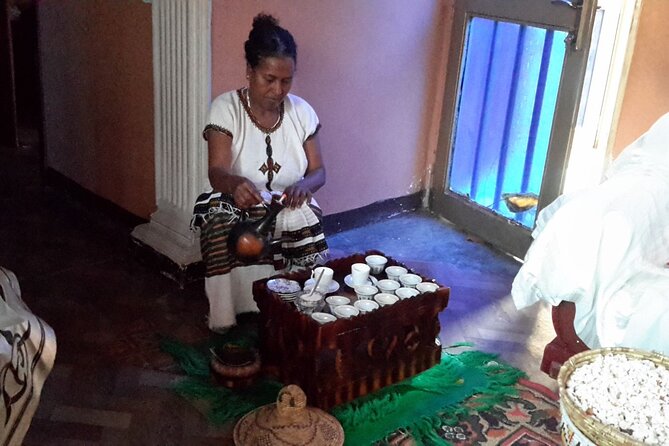
- Coffee closes the meal: You finish by relaxing with Ethiopian coffee in the family home.
From Addis Ababa to Sansusi
The experience takes place in Sansusi, on the outskirts of Addis Ababa. The home is about 20 kilometers from the airport, so pickup and transfer are useful parts of the package, especially if you are not familiar with the city or have limited time to arrange local transport.
You should allow more than the stated three-hour class if you choose the market option. The market visit adds walking and shopping before you return to the house, so this is not the best pick for a tightly timed airport connection unless you have plenty of spare hours.
The setting is one of the strongest parts of the experience. You are not simply shown a finished plate. You enter a local home, see where the food is prepared, and share the results with the family. That gives the meal a social purpose. Ethiopian cooking is closely tied to hospitality, and sitting down together helps you understand that food is not treated as a quick stop between sightseeing visits.
The private format also gives your group room to set the pace. You can ask questions without competing with a large class, and the cooking can be adjusted for vegetarian needs, allergies, dietary restrictions, or cooking preferences if you provide those details when booking.
More cooking classes:
Walking through the Sansusi neighborhood market
The market visit is optional, but I think it adds real value if you have the time. You walk through a local, roadside market in Sansusi, where stalls may sell grains, vegetables, fruit, clothing, live chickens, and sheep. It is a useful introduction to the ingredients and shopping habits behind the meal.
This is not presented as a polished food hall. Expect a working neighborhood market, with ordinary goods and livestock sold alongside produce. That makes the visit more practical than decorative. You get to see the range of items used in local kitchens and learn about produce grown in the area.
You may also buy a few vegetables and herbs for the class. That small step changes your role. Instead of watching Hilena cook with ingredients already laid out, you help connect the market to the kitchen. If you enjoy seeing how a meal comes together from basic supplies, this is likely the most rewarding part of the optional add-on.
The market can also be the less predictable part of the outing. The exact products available depend on the day and season. The description includes live animals, so you should consider your comfort level before choosing this option. It is a genuine local market visit, not a carefully filtered shopping stop.
Learning two dishes with Hilena
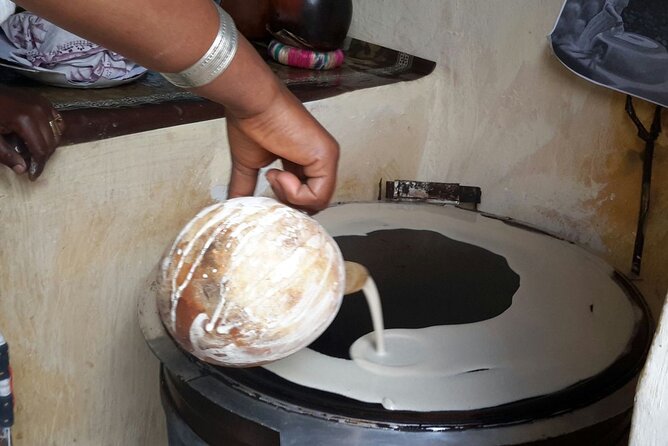
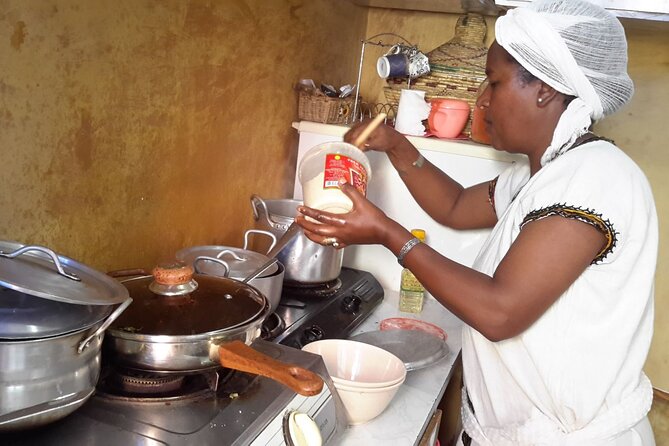
Back at the home, Hilena teaches you how to prepare two traditional Ethiopian dishes using family recipes. The focus is on participation, not simply watching a chef perform. You should expect a hands-on lesson shaped by the ingredients available and the preferences you gave in advance.
Hilena has cooked since childhood, which gives the class a personal connection. Her cooking comes from home practice rather than a commercial menu. That matters because Ethiopian food can look simple on the plate while involving careful preparation, seasoning, and timing in the kitchen.
English is the one practical limitation. Hilena is not very fluent, so her brother translates throughout the experience. This arrangement allows the class to continue, but you should not expect every exchange to be as quick or detailed as a lesson taught entirely in English. A little patience will help, particularly if you want to ask about family methods or the finer points of preparation.
The private format helps offset that limitation. With only your group involved, you can pause, repeat a question, or watch a technique again. A large class might move on quickly, but a private lesson has more room for conversation through translation.
The menu is not fixed for every date. Seasonal ingredients can change what you make, and vegetarian preparation is available if requested in advance. Tell the provider about allergies, dietary restrictions, or cooking preferences at booking rather than waiting until you arrive.
What you may eat at the family table
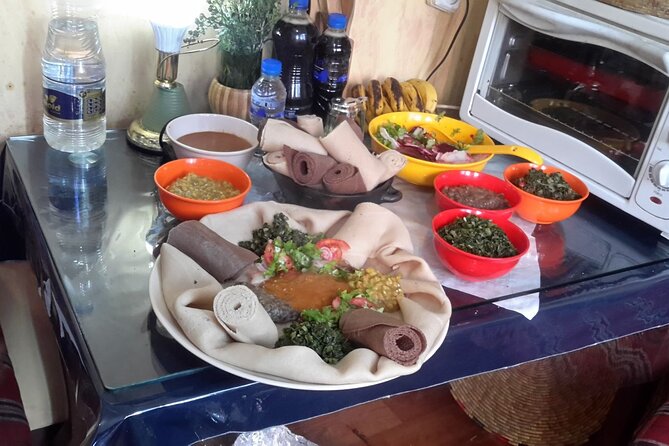
The meal can include several well-known Ethiopian foods:
- Beyaynetu: A vegetable platter that gives you several flavors and textures in one meal.
- Shiro: A chickpea stew, one of the dishes specifically highlighted for this experience.
- Genfo: A traditional porridge.
- Anebabero: Ethiopian bread.
The meal is likely to feel generous. One person who took the class described it as a long course with a ton of food. That is useful advice. Do not arrive expecting a small tasting plate. The cooking lesson leads to a proper shared meal, and the amount may be more than some people anticipate.
I like the way this meal completes the class. You have prepared food with the family, then eat it together in the same home. The result is more connected than a standard restaurant visit, where the kitchen and dining room are kept apart.
You should also expect the menu to vary. The listed dishes are examples of what may be served, not a promise that every item will appear on your date. Seasonal changes are normal, and the class can be adjusted for vegetarian guests. Ask about the planned dishes if a particular recipe is important to you.
More hands-on workshops:
- Addis Ababa City Tours With Cocking Class of Ethiopian Food
★ 5.0 · 20 reviews - Ethiopia coffee cupping class/Ethiopian food injera making
★ 5.0 · 10 reviews - Addis abeba Full Cooking class.
★ 5.0 · 6 reviews - Latin Dance Class
★ 5.0 · 4 reviews
Ethiopian coffee at the end
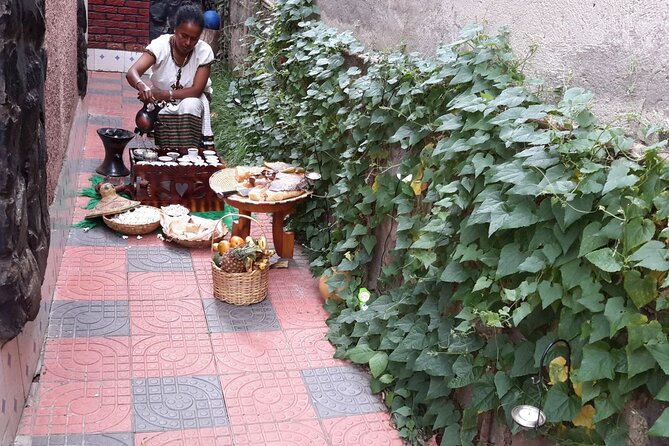
The experience closes with a cup of Ethiopian coffee. This is a fitting finish, since coffee is one of Ethiopia’s most recognized cultural exports and an important part of social life.
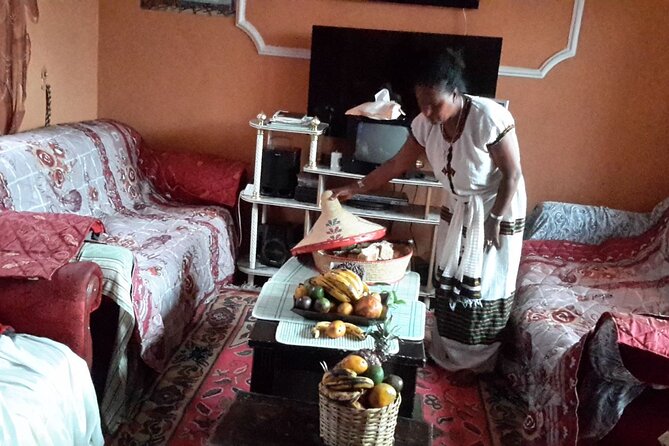
Here, the coffee is not just an afterthought added to the booking description. It gives you time to sit, talk through a translator, and relax after cooking and eating. That slower ending is valuable. The class is about hospitality as much as technique, and coffee helps keep the gathering social rather than turning it into a hurried meal followed by an immediate departure.
If you are planning several activities in Addis Ababa, keep this final pause in mind. The experience may be listed as approximately three hours, but the meal and conversation work best when you are not watching the clock every few minutes.
Is $124 per person good value?
At $124 per person, this is not a bargain meal. The price makes more sense when you count what is included: a private class, a local home setting, transfer or pickup, the optional market component, ingredients, a meal, and coffee.
You are also paying for access that is difficult to arrange independently. Finding a local family willing to teach you, preparing the right ingredients, arranging transport to an outer neighborhood, and managing translation would take effort. The private nature of the experience adds value for couples, families, and small groups who want personal attention.
The price is harder to justify if you only want to eat Ethiopian food. Addis Ababa has restaurants where you can try local dishes for less. This class earns its cost through the combination of food, instruction, home hospitality, market access, and conversation.
Group discounts are available, so the final cost may work better for a larger private party. Since only your group participates in the class, you are not paying for a crowded group excursion. Still, ask about the exact inclusions and market option when booking so you know what your transfer and food arrangements cover.
Who will enjoy this Addis Ababa cooking class?
I would recommend this experience to you if you:
- Want a personal introduction to Ethiopian home cooking
- Prefer a small, private activity over a large group tour
- Enjoy markets and do not mind a less polished local setting
- Are happy to eat a substantial meal after cooking
- Want to meet a local family and learn through translation
- Need vegetarian food or have dietary requirements that can be arranged ahead of time
- Have enough time in Addis Ababa for a three-hour experience plus transport
Families may like the private structure, since the group can take part together without strangers joining the lesson. Couples and friends can also make good use of the format, especially if food is a main reason for visiting Ethiopia.
This may not suit you if you want a short demonstration, a fixed menu, or a highly polished culinary school. The distance to Sansusi also matters. If you are staying near central Addis Ababa, pickup is convenient, but the trip to the outskirts still takes planning.
You should also think about the market setting. Live animals and a working roadside market are part of the appeal for some people, but others may prefer a quieter food experience. The market is optional, so you can focus on the home cooking if that is a better fit.
Timing, pickup, and practical planning
Confirmation is provided at booking, and pickup is offered. Since the house is in Sansusi, around 20 kilometers from the airport, give yourself plenty of time for the transfer and do not schedule an immediate onward commitment.
The experience lasts about three hours, but the market option can make the day feel longer. The meal itself may also take time, particularly if you enjoy conversation and the final coffee. I would treat this as a relaxed cultural outing, not a quick activity to squeeze between airport duties.
Most people can participate, and the activity is private for your group. Other people may be staying at Hilena’s guest house, but they do not join your Traveling Spoon class. That distinction is helpful if you want a personal experience without assuming the entire home is reserved only for you.
Cancel at least two full days before the local start time for a full refund. Cancellations or changes made within two days are not refunded or accepted, so check your Addis Ababa schedule before committing.
Should you book the Hilena cooking class?
Book it if you want food to be your route into Addis Ababa culture. The strongest reasons are the home setting, the private instruction, the optional market walk, and the chance to eat what you helped prepare. Hilena’s family recipes and her brother’s translation support make the class personal, even if conversation may move at a slower pace.
I would skip it if you only want a cheap meal or if your schedule cannot handle a trip to the outskirts. The course is generous and can feel long, with plenty of food rather than a brief tasting.
For the right visitor, $124 buys more than cooking instruction. It buys time in a local home, a look at shopping in Sansusi, a shared table, and a quiet cup of Ethiopian coffee at the end. That is a fair trade for an afternoon when authentic contact matters more than speed.
FAQ
Where does the cooking class take place?
The class takes place in Hilena’s local home in Sansusi, on the outskirts of Addis Ababa. The home is about 20 kilometers from the airport.
How long does the experience last?
The cooking class lasts approximately three hours. Choosing the market option adds the market visit and related walking time.
Is hotel pickup available?
Pickup is offered as part of the experience. The tour summary also lists transfer as a feature.
Is the experience private?
Yes. Only your group participates in the private cooking class, although other people may be staying at Hilena’s guest house.
What food will I learn to make?
Hilena teaches you to make two traditional Ethiopian dishes using family recipes. The menu may change with the season. The meal may include Beyaynetu, Shiro, Genfo, and Anebabero.
Can I request vegetarian food or report allergies?
Yes. Vegetarian food is available, and you should provide information about allergies, dietary restrictions, or cooking preferences when booking. The menu may vary by season.
Will the class be taught in English?
Hilena is not very fluent in English, so her brother is present throughout the experience to help translate.
More private transfers and drivers
- Authentic Addis Ababa Experience with Local Guide & Driver
★ 4.9 · 14 reviews - Car Rental with Private Driver
★ 5.0 · 5 reviews - Bole Airport Transfer
★ 4.0 · 5 reviews - City and Airport Transfer in Addis Ababa
★ 5.0 · 4 reviews
Just added around Addis Ababa
- 10 Days in Northern Ethiopia Tours★ 4.5 · 3 reviews
- Two days Lake Wenchi and Menagesha Forest★ 5.0 · 3 reviews
- Day Trip to Tiya UNESCO Site & Melka Kunture Archaeological Site★ 4.5 · 3 reviews
- 6 days 5 nights Addis Abeba sightseeing & Lalibela Rock-Hewn Churches★ 5.0 · 3 reviews
- Addis Ababa Half Day Shopping Tour★ 5.0 · 3 reviews
- 6 days Omo valley cultural Tour★ 5.0 · 3 reviews
- 12- Day Historical Route of Ethiopia★ 5.0 · 3 reviews
- Addis Ababa City Tour★ 4.5 · 3 reviews
Cooking Classes, compared.
Market Tour and Cooking Class with a Coffee Ceremony at a Home in Addis Ababa
Read our review →
Ethiopian Cooking Class and Coffee Ceremony with a Local in Addis with transfers
Read our review →
Unique Ethiopian Cooking Class and Coffee Ceremony with a Local in Addis Ababa
Read our review →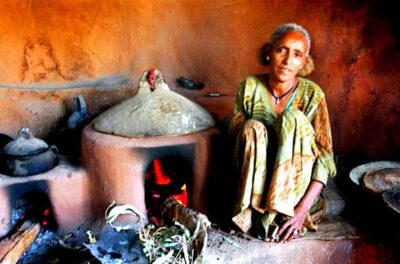
Browse the lists this tour appears in