
Reviewed · OMO VALLEY TRIBAL TOURS
5 days tour to Omo Valley
Africa changes quickly here. This five-day Omo Valley tour links mountain villages, river communities, wildlife, markets, and some of Ethiopia’s most distinctive cultural encounters. I like the mix of experiences, especially Dorze weaving and houses on day one and the visits to Mursi, Hamer, Karo, and Dasenech communities later in the route. I also like that flights connect Addis Ababa, Arba Minch, and Jinka, saving you from an even longer road journey.
The main drawback is the pace. You cover a great deal of southern Ethiopia in five days, with most touring days listed at about eight hours. Roads, transfers, and village visits can make the schedule tiring, and a Hamer bull-jumping ceremony can only be seen if one happens during your visit.
In This Review
- Key points before you book
- Why the Omo Valley is worth the effort
- Day one: Dorze houses above Arba Minch
- Day two: Lake Chamo, Konso, and the road to Jinka
- Day three: Mursi country and the Hamer area
- Day four: crossing the Omo River to Dasenech
- Day five: Dimeka market, Jinka, and Addis Ababa
- What the $1,648 price means
- The guide can shape the whole experience
- Who should book this Omo Valley tour?
- Practical details that matter
- Should you book it?
- FAQ
- Where does the tour begin?
- How long does the tour last?
- What is the price?
- Is pickup offered?
- How many people can join the tour?
- Is a mobile ticket available?
- What level of fitness is required?
- Which communities does the tour visit?
- Is the Hamer bull-jumping ceremony guaranteed?
- Can I cancel for a full refund?
Key points before you book
- Four major Omo Valley communities: Visit Mursi, Hamer, Karo, and Dasenech communities, each with different customs, clothing, homes, and artistic traditions.
- Lake Chamo by boat: Look for crocodiles and hippo pods before continuing south through Konso.
- A compact flight-based route: Fly from Addis Ababa to Arba Minch, then return from Jinka to Addis Ababa on the final day.
- Adefa guide Sisay: Previous guests praised his English, flexibility, humor, care, and detailed planning.
- Small maximum group: The tour accepts no more than 15 people, which matters during village and market visits.
- A demanding but rewarding schedule: Expect long drives, early starts, and a moderate level of physical fitness.
Why the Omo Valley is worth the effort
The Lower Omo Valley is not a quick side trip from Addis Ababa. It requires flights, long drives, basic regional travel, and a willingness to keep moving. The payoff is a close look at communities whose daily life, architecture, ceremonies, and decoration differ sharply from what most visitors know.
I like that this route is not limited to one famous stop. You see the Dorze in the Gughe Mountains, the Konso cultural area, the Mursi near Mago National Park, the Hamer around Turmi, the Dasenech near Omorate, and the Karo along the Omo River.
That variety gives the trip its value. You are not simply collecting village visits. You are comparing different ways of building homes, farming land, honoring the dead, decorating the body, and organizing family life.
The experience also requires respect and patience. Some encounters are brief. Ceremonies are not staged to fit a timetable, and the schedule notes that the Hamer bull-jumping event is available only if one takes place during the visit. You should book this tour for the setting and cultural contact as a whole, not for a guarantee of one specific ritual.
More Omo Valley tours:
- 6 Days Omo Valley Tribes Tours From Addis Ababa
★ 5.0 · 33 reviews - 3 Days Omo Valley Tour
★ 5.0 · 24 reviews - Danakil Depression, Lalibela, Omo Valley and Simien Mountains
★ 5.0 · 23 reviews
Day one: Dorze houses above Arba Minch
Your first day begins with a flight from Addis Ababa to Arba Minch. After airport pickup, you check into the hotel and have lunch before heading into the Gughe Mountains.
The mountain drive leads to the Dorze people, known for tall houses shaped like beehives and for fine cotton weaving. The architecture is one of the most memorable visual details on the route. These homes do not look like ordinary rectangular houses, so the visit gives you an immediate sense that southern Ethiopia will not resemble the capital.
The weaving tradition adds a useful human element. Instead of only photographing unusual buildings, you get a chance to connect the village setting with skilled work and daily life. I especially like this as an opening stop because it offers culture without rushing straight into the most heavily photographed Omo Valley communities.
You return to Arba Minch for the night. The day is listed at about eight hours, including the flight, hotel transfer, lunch, mountain drive, and visit. That is a full beginning, so do not expect a relaxed afternoon after landing.
Day two: Lake Chamo, Konso, and the road to Jinka
The morning starts with a boat ride on Lake Chamo. The stated highlights are the crocodile market and hippo pods. This gives the itinerary a welcome change of pace after the mountain visit, with time on the water before another long road section.
The boat trip is also one of the route’s best value points. You are not only driving between cultural sites. You get a wildlife-focused outing included in the same program, and it breaks up the journey south.
After Lake Chamo, you drive toward Jinka through Konso. The Konso people are known for memorial totems erected in honor of the dead and for carefully built agricultural terraces. These are important details to notice because they show how cultural practice and farming are tied to the land.
Konso is not just a quick photo stop in the schedule. Its terraces point to long-term planning and hard physical work, while the totems connect family memory with public spaces. I would give this part your full attention, even though the day continues onward to Jinka.
Again, the day is listed at about eight hours. The distance between stops means you will spend a substantial amount of time on the road. That is part of the tradeoff for reaching the Lower Omo Valley in only five days.
Day three: Mursi country and the Hamer area
After breakfast, you drive to Mago National Park to visit the Mursi people. The Mursi are widely known for lower lip plates, a practice that has made them one of the most recognized communities in the region.
This is a powerful encounter, but it is also the point where respectful behavior matters most. You are seeing a living community, not a museum display. Follow your guide’s lead, ask about appropriate interaction, and remember that a photograph should not be treated as an automatic entitlement.
You return to Jinka and continue to the Ari area. The Ari people are described as hardworking, with traditional houses and agricultural practices. This stop helps broaden the day beyond the best-known Mursi images. It gives you a look at another local way of living and working.
From Ari, you drive to Turmi, home of the Hamer people. The Hamer are known for traditional night dancing called Evangadi and for the bull-jumping ceremony connected with marriage customs. The schedule allows a visit to the bull-jumping event if one is taking place that day.
That condition is important. You should not assume the ceremony will happen during your five-day visit. If it does, it may become the emotional center of the tour. If it does not, the Hamer village visit, homes, family arrangements, and local customs still make Turmi a major stop.
This is another eight-hour touring day. The Mursi, Ari, and Hamer visits are culturally dense, while the drives between them take time. The benefit is variety. The cost is fatigue.
More five-day itineraries:
- 5 DAYS Lalibela, Axum, Tigray churches and Danakil
★ 5.0 · 34 reviews - Danakil Depression and Lalibela 5 Days Tours
★ 5.0 · 28 reviews - 5 Days North Ethiopia Tours
★ 5.0 · 23 reviews - 5 DAYS Axum, Lalibela, Tigray churches and Danakil
★ 4.5 · 22 reviews
Day four: crossing the Omo River to Dasenech
The fourth day begins with a drive to Omorate. From there, you cross the Omo River in a local boat to visit the Dasenech, also called the Galeb.
The river crossing gives this outing a different feel from the road-based village stops. It also places the community in its geographic setting, along the Omo River rather than as an isolated attraction. You return to Turmi for lunch before continuing to the Karo area.
The Karo are described as the smallest group in the Omo Valley and live along the eastern banks of the Omo River. Their most distinctive artistic tradition is body and face painting. This is one of the strongest visual contrasts in the itinerary, particularly after the Mursi and Hamer visits.
You then drive back from Karo to Turmi and visit the Hamer people again. The description focuses on family compounds arranged in circles, with related families living around their cattle. That detail is worth watching for because it shifts your attention from individual clothing or ceremonies to the structure of community life.
I like the second Hamer visit in principle. A repeat stop can feel unnecessary on a short tour, but here it gives you more time with a community that also features in the evening dancing and bull-jumping portion of the route. It may also help you see how a family area functions beyond a brief introduction.
The day is again listed at about eight hours. The boat crossing, lunch return to Turmi, Karo visit, and second Hamer stop create a packed schedule. You will want comfortable clothing and enough energy for a full day outside.
Day five: Dimeka market, Jinka, and Addis Ababa
The final day takes you from Turmi to Jinka for your flight back to Addis Ababa. On the way, you stop at the local market in Dimeka.
This market visit is a useful finish because it shifts the focus from village compounds and ceremonies to ordinary trade and regional activity. Markets often provide a more grounded view of daily life, and Dimeka adds that angle before you leave the Omo Valley.
From Dimeka, you continue to Jinka Airport. In the afternoon, you arrive in Addis Ababa and transfer to Merkato, described as Africa’s largest market of its kind. The final shopping stop gives you a chance to pick up items before the farewell portion of the tour.
The day ends with Ethiopian coffee at TOMOCA Coffee Shop, followed by a farewell gathering with cultural food, drinks, and traditional live music. I like this closing because it brings the trip back to the capital and gives you a gentler final memory after several long road days.
The timing deserves a careful look. The final itinerary line lists eight minutes, which clearly does not describe the complete day of driving, flight, market visit, coffee, and farewell activities. Treat the final day as a full travel day and keep your plans flexible.
What the $1,648 price means
At $1,648 per person, this is not a budget quick trip. The price should be judged against the route rather than against a simple city tour. It includes flights within the itinerary, airport transfers, hotel stays implied by the overnight schedule, admission to the listed stops, boat outings, and a guide-led route through a difficult-to-organize region.
The flights are particularly important. Traveling overland from Addis Ababa would require far more time and would make a five-day schedule impractical. You are paying for a workable route that reaches Arba Minch and Jinka without turning every day into a long-distance road transfer.
Value also depends on group size. The maximum is 15 people, which is not a private tour but is still limited enough to be more manageable than a large coach group. Ask about the exact inclusions before paying, especially meals, accommodation category, domestic flight baggage rules, and any village photography or local access charges. Those details are not specified here, so they should not be assumed.
Group discounts are offered, which may improve the cost for families or friends booking together. Free cancellation is available if you cancel at least 24 hours before the local start time. Late cancellations and changes inside that window are not accepted for a refund.
The guide can shape the whole experience
The guide most strongly associated with this tour is Sisay. The available praise focuses on his high level of English, broad knowledge, humor, patience, care, and ability to adjust a trip around personal interests.
That flexibility could matter a great deal in the Omo Valley. You may care most about markets, village life, ceremonies, photography, architecture, or farming traditions. A guide who listens can help you use limited time well, especially when road conditions or local schedules affect the day.
I would contact Adefa Tours Ethiopia before departure and explain what interests you most. If markets matter to you, say so clearly. If you want more context about traditional homes or agriculture, mention that too. The route already includes a strong mix, but a clear conversation with Sisay or the operating team may help shape the emphasis.
Who should book this Omo Valley tour?
I would recommend it to you if you want a concentrated introduction to southern Ethiopia and can handle long touring days. It suits people who value cultural encounters, regional scenery, local markets, and guided interpretation more than free time at one hotel.
It also works well if you have limited time in Ethiopia. The domestic flights make it possible to reach the Omo Valley without dedicating a much longer trip to the overland route.
You should think twice if you dislike early starts, long drives, basic regional transport, or changing plans. The tour requires moderate physical fitness, and the itinerary leaves little spare time. It is not the right choice for someone seeking a slow resort-style holiday.
The cultural side also demands maturity. Mursi lip plates, Hamer ceremonies, Karo body painting, and Dasenech village life are not entertainment props. You will get more from the tour if you meet people with curiosity and respect, rather than treating each stop as a checklist of exotic images.
Practical details that matter
Pickup is offered, and the listed start time is 8:30 a.m. Confirmation is received at booking, and the maximum group size is 15 people.
The route includes flights from Addis Ababa to Arba Minch on day one and from Jinka to Addis Ababa on day five. Between those flights, expect substantial road travel through Arba Minch, Konso, Jinka, Mago National Park, Ari, Turmi, Omorate, Karo, and Dimeka.
Admission tickets are included for the listed activities. The itinerary specifically includes the Lake Chamo boat trip, cultural centers and village visits, the Omo River crossing by local boat, markets, and the final coffee and cultural gathering.
Pack for movement rather than formality. Comfortable clothing, practical shoes, and patience will serve you better than heavy luggage. Since the tour involves boats, mountain roads, village visits, and long drives, keep essential items easy to reach during the day.
Should you book it?
Book this tour if you want a high-impact five-day route through the Lower Omo Valley and prefer having flights, transport, village visits, and cultural stops arranged for you. The range is impressive: Dorze homes, Lake Chamo wildlife, Konso memorial traditions, Mursi lip plates, Hamer customs, Karo painting, Dasenech communities, Dimeka market, and Addis Ababa coffee.
I would not book it expecting a guaranteed bull-jumping ceremony or a leisurely pace. The strongest reasons to choose it are the route’s breadth, the small maximum group, and the possibility of working with Sisay, whose care and flexibility receive especially strong praise. For a first visit to this remote part of Ethiopia, the price can make sense if you value organization and access more than independence.
FAQ
Where does the tour begin?
The tour begins in Addis Ababa, Ethiopia, with a listed start time of 8:30 a.m.
How long does the tour last?
The tour lasts approximately five days.
What is the price?
The listed price is $1,648 per person.
Is pickup offered?
Yes, pickup is offered.
How many people can join the tour?
The maximum group size is 15 people.
Is a mobile ticket available?
Yes, a mobile ticket is available.
What level of fitness is required?
A moderate level of physical fitness is recommended.
Which communities does the tour visit?
The route includes Dorze, Konso, Mursi, Ari, Hamer, Dasenech, and Karo communities.
Is the Hamer bull-jumping ceremony guaranteed?
No. The ceremony will be visited if one is taking place during the relevant day.
Can I cancel for a full refund?
Yes, you can receive a full refund if you cancel at least 24 hours before the experience start time. Changes and cancellations made less than 24 hours before the start are not accepted for a refund.
Just added around Addis Ababa
- 10 Days in Northern Ethiopia Tours★ 4.5 · 3 reviews
- Two days Lake Wenchi and Menagesha Forest★ 5.0 · 3 reviews
- Day Trip to Tiya UNESCO Site & Melka Kunture Archaeological Site★ 4.5 · 3 reviews
- 6 days 5 nights Addis Abeba sightseeing & Lalibela Rock-Hewn Churches★ 5.0 · 3 reviews
- Addis Ababa Half Day Shopping Tour★ 5.0 · 3 reviews
- 12- Day Historical Route of Ethiopia★ 5.0 · 3 reviews
- 6 days Omo valley cultural Tour★ 5.0 · 3 reviews
- Addis Ababa at a Glance★ 5.0 · 3 reviews
Omo Valley Tribal Tours, compared.

6 Days Omo Valley Tribes Tours From Addis Ababa
Read our review →
Lalibela, Axum, Danakil and Omo Valley 8 DAYS
Read our review →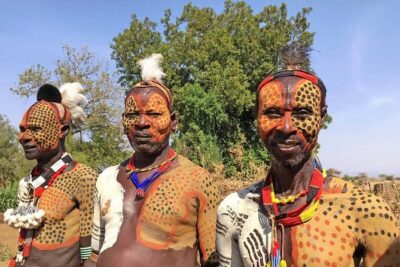
Danakil Depression, Lalibela, Omo Valley and Simien Mountains
Read our review →



9 Days Tours To Danakil Depression, Simen MNP, Lalibela With Omo Valley Tribes
Read our review →Browse the lists this tour appears in