
Reviewed · OMO VALLEY TRIBAL TOURS
5 Days Omo Valley Tours
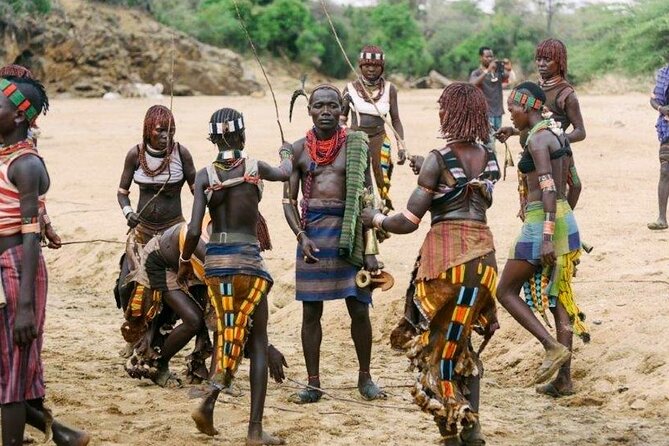
Ethiopia’s south rewards curious travelers. This five-day Omo Valley tour gives you a fast but memorable route through southern Ethiopia, with visits to Dorze, Konso, Arbore, Hamer, Karo, Dassanech, Ari, and Mursi communities. I especially like the mix of cultural visits, village walks, markets, coffee ceremonies, and long road journeys that connect the places.
I also like that the tour keeps the group to a maximum of 15 people and includes an English-speaking guide, accommodation, meals, entrance fees, and an air-conditioned vehicle. The main caution is the pace: you cover large distances on rough or tiring roads, and the $750 price does not include the domestic flights between Addis Ababa and the south.
In This Review
- Key points before you book
- What the five-day route is really like
- Day 1: Arba Minch and the Dorze villages
- Day 2: Konso terraces, Arbore villages, and the road to Turmi
- Day 3: Karo body painting and Hamer traditions
- Day 4: Crossing the Omo River to meet the Dassanech
- Day 5: Mago National Park and the Mursi community
- Guides, drivers, and group size
- Is $750 good value?
- Who will enjoy this Omo Valley trip?
- Should you book it?
- FAQ
- Where does the tour start?
- Where does the tour end?
- How long is the tour?
- Are domestic flights included?
- What meals are included?
- Is accommodation included?
- How large is the group?
- Can I see a Hamer bull jumping ceremony?
- What is the cancellation policy?
Key points before you book
- Eight cultural encounters in five days: You visit Dorze, Konso, Arbore, Hamer, Karo, Dassanech, Ari, and Mursi communities.
- Long drives are part of the deal: Several days involve 130 to 200 kilometers on regional roads, so this suits you if you can handle road time.
- Bull jumping is not guaranteed: The Hamer ceremony depends on local timing, and one traveler specifically missed it.
- Coffee ceremonies add personal contact: You may share traditional coffee with Karo and Hamer families rather than only viewing villages from a vehicle.
- Domestic flights cost extra: The tour begins and ends in Addis Ababa, but the internal airfare is separate.
- Small-group format: The maximum group size is 15, with pickup from Edna Mall in Addis Ababa.
What the five-day route is really like
This is not a relaxed resort holiday. It is a compact cultural expedition with early starts, long drives, basic regional infrastructure, and a great deal to see in a short time.
You begin in Addis Ababa and fly south to Arba Minch. From there, the route heads toward Konso, Turmi, and Jinka before returning by air to Addis. The tour uses a private air-conditioned vehicle on the ground, which matters in southern Ethiopia, where the heat and road distances can make a shared public bus a poor choice.
The itinerary is built around meeting communities in their own villages. That is valuable, but it also requires care and respect. You are not visiting a museum display. You are entering living communities, taking photographs only with permission, listening to local guides, and remembering that ceremonies and daily life do not happen on a tourist timetable.
The tour received a 4.9 rating from 15 ratings, with 100 percent recommending it. The strongest praise centers on organization, communication, guides, drivers, and the chance to see several communities in one short trip. Guides named in the feedback include Mickey and Abey, with Abey praised for being helpful and making extra effort during village visits. Your exact guide may differ, so confirm this before booking if a particular guide matters to you.
More Omo Valley tours:
- 6 Days Omo Valley Tribes Tours From Addis Ababa
★ 5.0 · 33 reviews - 3 Days Omo Valley Tour
★ 5.0 · 24 reviews - Danakil Depression, Lalibela, Omo Valley and Simien Mountains
★ 5.0 · 23 reviews
Day 1: Arba Minch and the Dorze villages
The first day begins with a transfer from your Addis Ababa hotel to Bole International Airport, followed by a domestic flight to Arba Minch. On arrival, you meet your driver and continue to the Dorze area in the Guge Mountains.
The Dorze are known for cotton weaving and their unusual beehive-shaped houses. These homes are built from organic materials and have a tall, curved form that gives the village a memorable appearance. You can observe weaving, see the construction style, and learn about Dorze traditions and daily life.
I like this first stop because it gives you more than a quick photo opportunity. The combination of architecture, craft, and conversation helps you understand how local materials and skills shape village life. Cotton weaving is not presented as a random souvenir activity. It is tied to the community’s work and identity.
The day is listed as about six hours, but the schedule also includes the flight, airport transfer, road transfer, and accommodation check-in. That makes the actual day longer than the sightseeing time suggests. The accommodation information is also not perfectly clear in the supplied program, which names Paradise Lodge Turmi after the Arba Minch visit. Ask the operator to confirm your first-night hotel and the exact flight schedule before departure.
Day 2: Konso terraces, Arbore villages, and the road to Turmi
Day two is one of the longest road days. You drive about 90 kilometers to Konso, visit a Konso village and museum, then continue roughly 200 kilometers toward Turmi. You also visit the Arbore community on the way.
Konso is a major highlight. The area is known for carefully built terraces on the hillsides, woven materials, and carved wooden figures associated with graves. Its cultural importance is recognized through UNESCO World Heritage status, and the museum gives useful context before or after the village visit.
The terraces are especially worth your attention. They show how farming, stonework, and community planning have been adapted to steep ground. This is one of the places where the tour feels broader than a series of tribal encounters. You are also seeing how people have shaped their surroundings over generations.
The Arbore stop breaks up the drive and adds another cultural perspective. Since the day covers about 290 kilometers before local movements are counted, you should expect plenty of time in the vehicle. Roads and traffic conditions can affect the schedule, so keep your plans flexible.
You spend the night at Buska Lodge in the Turmi area. The inclusion of accommodation and meals helps keep the trip simple, though you should not expect a city-hotel rhythm in this remote region. The price includes four dinners, four lunches, and five breakfasts, which is useful because restaurant choices can be limited along this route.
Day 3: Karo body painting and Hamer traditions
After breakfast, you drive about 62 kilometers west from Turmi to Korcho Village, home of the Karo community. The Karo are known for elaborate face and body painting, and the visit includes a traditional coffee ceremony with a Karo family.
This is one of the strongest parts of the schedule. The coffee ceremony creates time to sit with a family instead of simply arriving, taking photographs, and leaving. Coffee has a major place in Ethiopian social life, and sharing it gives the visit a more human pace.
The Karo body painting is visually striking, but try to look past the colors and patterns. Your guide can help explain how appearance, ceremony, and community identity connect. The exact level of interaction can vary, so approach people politely and ask before photographing anyone.
You return to Turmi for lunch. If the timing matches a Monday or Thursday, you may visit the Hamer market in Turmi. On Saturday, the market option is Dimeka. Markets are useful because they show ordinary trade and social life alongside the planned village visits.
Later, around 5:30 p.m., you visit a Hamer traditional village and attend a coffee ceremony in a Hamer house. You may also see a Hamer bull jumping ceremony if one is taking place.
The bull jumping event is one of the tour’s most famous possibilities, but it is not guaranteed. One person had an excellent tour but did not see the ceremony because none was scheduled during the visit. Another happened to attend one and described it as a memorable part of the trip. Do not book this tour solely for bull jumping unless the operator confirms a ceremony date in advance.
The listed duration is about six hours, but market visits and ceremony timing can change the day. This flexibility is a strength when local events line up, but it can frustrate you if you want a tightly fixed schedule.
More five-day itineraries:
- 5 DAYS Lalibela, Axum, Tigray churches and Danakil
★ 5.0 · 34 reviews - Danakil Depression and Lalibela 5 Days Tours
★ 5.0 · 28 reviews - 5 Days North Ethiopia Tours
★ 5.0 · 23 reviews - 5 DAYS Axum, Lalibela, Tigray churches and Danakil
★ 4.5 · 22 reviews
Day 4: Crossing the Omo River to meet the Dassanech
Day four takes you about 75 kilometers south to meet the Dassanech people near the Omo River. You cross the river in a traditional dugout wooden canoe, then walk for about 10 minutes to the village.
The canoe crossing is a small but distinctive part of the route. It makes the visit feel connected to the river and the region rather than being another roadside stop. Once in the village, you can interact with the Dassanech community and visit a family house.
The walking distance is short, but the heat and ground conditions may make it feel more demanding than the number suggests. Bring water, sun protection, and shoes that work on uneven surfaces. The provided information does not specify the exact canoe arrangements or safety equipment, so ask your operator what to expect before you go.
You return to Turmi for lunch, then drive about 130 kilometers to Jinka. Along the way, you may stop at a Hamer or Banna market in Turmi, Dimeka, Aldubba, or Keyafer if the day matches the market calendar. The listed market days are Monday, Tuesday, Thursday, and Saturday.
The market option is practical and worthwhile, but it depends on both timing and road progress. Do not assume you will visit every market named in the schedule. These are alternatives based on the day’s route.
Before reaching your lodge, you visit an Ari village. The Ari are known for green villages, and this stop gives the day a different visual and cultural character after the river crossing and long drive.
Day four is listed as about seven hours. In practice, the canoe crossing, village visit, lunch, market possibility, and 130-kilometer drive can make it feel like a full day. The tour’s strongest experiences come with a little physical and mental wear, so pace yourself.
Day 5: Mago National Park and the Mursi community
The final morning takes you into Mago National Park to visit a Mursi village. The Mursi are widely known for the lip plates worn by some women, a tradition that has become one of the most recognizable images associated with the Omo Valley.
The visit can be fascinating, but this is also the point where respectful behavior matters most. A lip plate should not reduce a person to a photograph. Listen to your guide, ask permission before taking pictures, and remember that local people may reasonably expect payment for photographs. The supplied program does not detail photography fees, so clarify the arrangement with your guide on site.
The Mursi visit provides a strong ending because it takes you into one of the best-known communities in the region. It also gives context to the broader theme of the journey: southern Ethiopia contains many distinct languages, customs, crafts, ceremonies, and forms of dress within a relatively concentrated area.
In the afternoon, you transfer to the airport and fly back to Addis Ababa. If time allows, you can shop for souvenirs before attending a farewell dinner at a traditional restaurant with folkloric dancing. After dinner, the program returns you to the airport for your onward flight home.
This final day is listed as about five hours, but the timing depends heavily on the flight schedule. If you have a fixed international departure, confirm the connection carefully. The operator may arrange the airport transfer, but the itinerary does not promise a particular amount of free time in Addis Ababa.
Guides, drivers, and group size
The human side of this tour appears to be one of its best features. Communication before departure was handled through WhatsApp, and the tour team was praised for sending timely instructions and updates.
Mickey is mentioned repeatedly as a tour manager and guide who helped coordinate vehicles, hotels, and daily arrangements. Abey is also praised for local knowledge, patience, and practical help during the Omo Valley portion. Robel is named in connection with tour service as well. These details suggest a company that pays attention to coordination, but you should still confirm who will guide your specific departure.
A maximum of 15 people keeps the group smaller than a large coach tour. That is useful during village visits, market stops, and coffee ceremonies. It also means the experience may feel more personal, though 15 people can still form a noticeable group in a small community.
The included air-conditioned vehicle is important. You spend many hours on the road, and a private vehicle gives the group more control over stops and timing than public transport. The driver’s role is just as important as the guide’s, so ask about the vehicle and driving arrangements if you are particularly sensitive to long road journeys.
Is $750 good value?
At $750 per person, the tour includes accommodation, five breakfasts, four lunches, four dinners, an English-speaking guide, an air-conditioned vehicle, entrance fees, government taxes, and airport or departure taxes. It does not include the domestic flights.
That last point matters. Your real cost will be higher once you add the Addis Ababa to Arba Minch flight and the return flight from the south. The program does not give a flight price, so ask for the current total before deciding.
Even with airfare added, the land package can offer solid value if you want transport, hotels, meals, and a guide arranged in one booking. You would otherwise need to organize several long transfers, regional accommodation, national park entry, village visits, and market timing yourself.
The price is less attractive if you want a slow trip with long breaks. You are paying for range and coordination, not leisure. In five days, you see a remarkable number of places, but you also spend substantial time driving.
Who will enjoy this Omo Valley trip?
I would recommend it to you if you want a concentrated introduction to southern Ethiopia and prefer having transport and local arrangements handled for you. It suits photographers, families who want a structured route, and first-time visitors who do not want to manage the regional logistics alone.
Families have used the itinerary with young children, including children aged four and two, according to the supplied experiences. Still, the long drives and changing daily schedule may test very young children, so discuss vehicle comfort and breaks with the operator.
I would be cautious about recommending it if you dislike long road journeys, need a fixed timetable, or expect every cultural ceremony to happen on demand. The bull jumping event is optional in practice, and market stops depend on the day.
Free cancellation is available up to 24 hours before the start time for a full refund. Changes made within 24 hours are not accepted, and the tour requires a minimum number of participants. If that minimum is not met, you are offered another date or experience, or a full refund.
Should you book it?
Book this five-day Omo Valley tour if your priority is seeing a wide range of southern Ethiopian communities in a short period, with a guide, vehicle, meals, and hotels arranged. The Dorze houses, Konso terraces, Karo coffee ceremony, Dassanech canoe crossing, Hamer village, Ari settlement, and Mursi visit give the route real variety.
Before paying, confirm three things: the domestic flight cost, your exact accommodation, and whether any Hamer bull jumping ceremony is expected during your dates. If you accept the long drives and approach village visits with patience and respect, this is a strong introduction to one of Ethiopia’s most distinctive regions.
FAQ
Where does the tour start?
The tour starts at Edna Mall on Cameroon Street in Addis Ababa. Pickup is offered, and the stated start time is 9:00 a.m.
Where does the tour end?
The activity ends back at the meeting point in Addis Ababa after the return flight and airport transfer.
How long is the tour?
The tour lasts approximately five days and includes four nights of accommodation.
Are domestic flights included?
No. The domestic flights between Addis Ababa and the southern region are not included in the $750 price.
What meals are included?
The tour includes five breakfasts, four lunches, and four dinners.
Is accommodation included?
Yes. Accommodation is included. The program specifically names Buska Lodge for one night, while another section refers to Paradise Lodge Turmi, so confirm the full hotel plan before booking.
How large is the group?
The maximum group size is 15 people.
Can I see a Hamer bull jumping ceremony?
You may see one if a ceremony takes place during your visit, but it is not guaranteed. Ceremony timing is outside the fixed schedule.
What is the cancellation policy?
You can cancel at least 24 hours before the experience starts for a full refund. Cancellations or changes made less than 24 hours in advance are not accepted for a refund.
Just added around Addis Ababa
- 10 Days in Northern Ethiopia Tours★ 4.5 · 3 reviews
- Day Trip to Tiya UNESCO Site & Melka Kunture Archaeological Site★ 4.5 · 3 reviews
- Two days Lake Wenchi and Menagesha Forest★ 5.0 · 3 reviews
- 6 days 5 nights Addis Abeba sightseeing & Lalibela Rock-Hewn Churches★ 5.0 · 3 reviews
- Addis Ababa Half Day Shopping Tour★ 5.0 · 3 reviews
- 6 days Omo valley cultural Tour★ 5.0 · 3 reviews
- 12- Day Historical Route of Ethiopia★ 5.0 · 3 reviews
- Northern Ethiopia (Historic route)★ 5.0 · 3 reviews
Omo Valley Tribal Tours, compared.

6 Days Omo Valley Tribes Tours From Addis Ababa
Read our review →
Lalibela, Axum, Danakil and Omo Valley 8 DAYS
Read our review →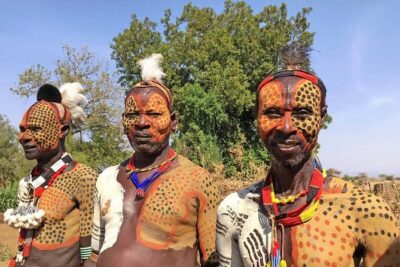
Danakil Depression, Lalibela, Omo Valley and Simien Mountains
Read our review →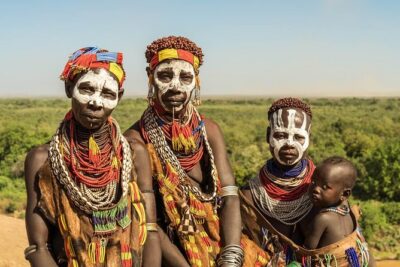


9 Days Tours To Danakil Depression, Simen MNP, Lalibela With Omo Valley Tribes
Read our review →
5 Day Private tour to the Omo Valley Tribes and Adventure Tour
Read our review →Browse the lists this tour appears in