

Reviewed · ROCK-HEWN CHURCHES OF LALIBELA
9 Days Tours To Danakil Depression, Simen MNP, Lalibela With Omo Valley Tribes
Nine days, three very different Ethiopias. I like the way this tour links Simien Mountain scenery and gelada baboons with Lalibela’s rock-hewn churches, then heads south to Lake Chamo and the Omo Valley. I also like the small maximum group size of four, which should make airport transfers, village visits, and schedule changes easier to manage.
The main concern is the pace. You cover a huge amount of ground, with several domestic flights and long road journeys. There is also a major mismatch between the title and the route: Danakil Depression does not appear in the nine-day itinerary. I would confirm that point before paying, because Danakil is a major destination in its own right, not a small side stop.
The advertised price is $1,800 per person, with pickup from Bole Airport, group discounts, and mobile tickets. The plan is ambitious, but it gives you an unusually broad first look at Ethiopia: mountain wildlife, sacred architecture, southern cultures, lakes, coffee country, and a final evening of food, music, and dance in Addis Ababa.
In This Review
- The best parts of this Ethiopia itinerary
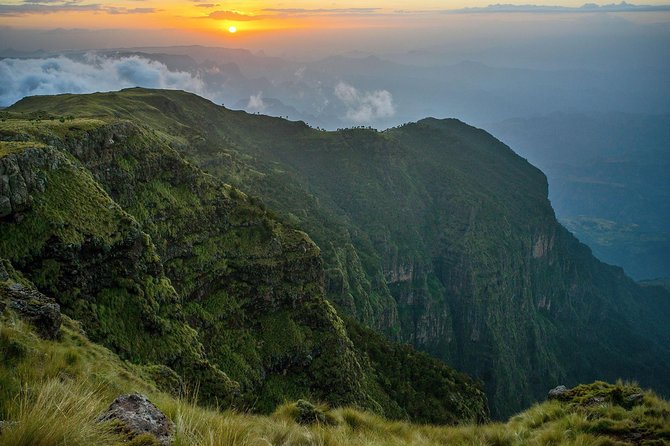
- Simien Mountains begin the trip with a high-altitude punch
- Jinbar Waterfall adds wildlife and wide-open views
- Lalibela puts Ethiopia’s sacred architecture at center stage
- Arba Minch opens the door to southern Ethiopia
- Lake Chamo and Konso make Day 5 especially full
- Mago National Park and the Mursi visit require thoughtful expectations
- Turmi and Omorate show the Omo Valley’s wide cultural range
- Addis Ababa ends the journey with food and coffee
- What $1,800 buys you in practical terms
- Who should choose this fast-moving route?
- Should you book this Ethiopia tour?
- FAQ
- Where does the tour begin?
- How many people can join the tour?
- Is the Danakil Depression included in the nine-day route?
- Which places are visited during the tour?
- What is the cancellation policy?
- Is the tour guaranteed to operate?
The best parts of this Ethiopia itinerary
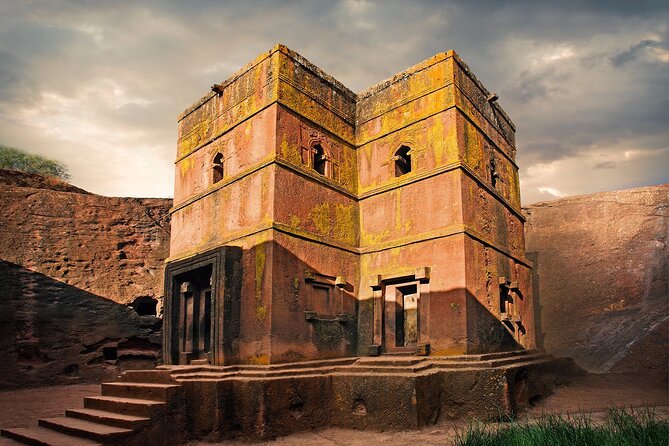
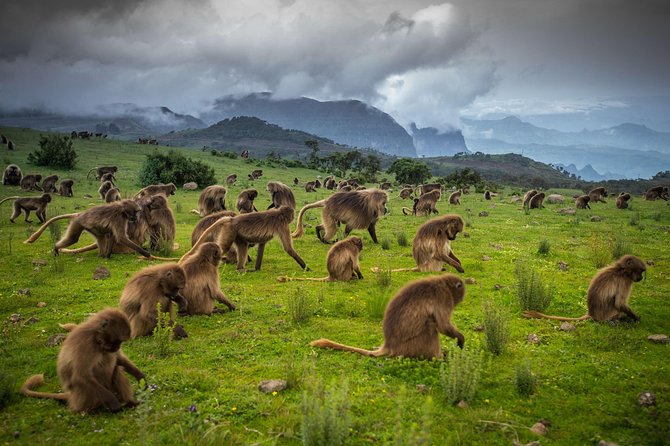
- Gelada baboons in Simien: These distinctive highland animals are commonly seen around the park, along with a chance of spotting klipspringer and bushbuck.
- Lalibela’s underground churches: The afternoon visit focuses on Ethiopia’s famous rock-cut cathedrals, a highlight for anyone interested in religious art and architecture.
- Lake Chamo boat cruise: Nile crocodiles, hippos, and many bird species may be seen from the water.
- Small group of up to four: A compact group is useful on long drives and makes coordination less cumbersome.
- Omo Valley cultural visits: The route includes Doreze, Ari, Mursi, Hamer, and Dassanech communities, each with different customs and crafts.
- Traditional Ethiopian evening: The final night includes national dishes, cultural dances, and a coffee ceremony.
Simien Mountains begin the trip with a high-altitude punch

Your first day starts at Bole Airport in Addis Ababa or at Gondar Airport, with a stated meeting time of 6:00 a.m. From Gondar, you drive toward Debarq, where park entry arrangements, local guides, and scouts are organized before continuing into Simien Mountain National Park.
The first trek heads toward the Sanakber area and lasts about three or four hours. That is enough time to get a feel for the mountains without turning the opening day into a full hiking expedition. You return to Simen Lodge for the night.
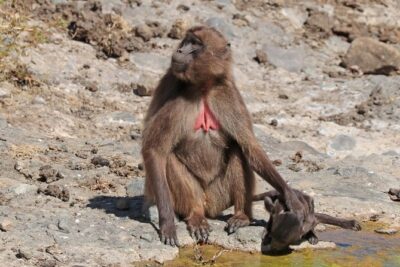
The reward here is the scenery. Simien is known for steep escarpments, open highland views, and unusual wildlife. The chance to see gelada baboons is a major attraction. They are not ordinary zoo-style baboons, and watching them move through their highland habitat can be one of the most memorable parts of the route.
The practical catch is the early start and the amount of driving packed into the day. If you arrive after a long international flight, this will not feel like a gentle introduction. I would wear sturdy shoes, bring a warm layer, and keep water close. The itinerary does not state the exact altitude or hiking difficulty, so ask for current trail details before departure if walking is a concern.
More Danakil expeditions:
- 12 Days SIMIEN MOUNTAIN-LALIBELA-DANAKIL-TIGRAY CHURCHES
★ 5.0 · 45 reviews - 3 Day Danakil Depression Ertale and Dallol Tours
★ 5.0 · 44 reviews - 5 DAYS Lalibela, Axum, Tigray churches and Danakil
★ 5.0 · 34 reviews
Jinbar Waterfall adds wildlife and wide-open views
After breakfast on Day 2, you travel to Jinbar Waterfall. The route includes mountain scenery, flowers, and trees, with possible sightings of klipspringer and mini bushbuck. Gelada baboons are described as a regular possibility in the area.
This is a good follow-up to the first trek because it adds a clear visual target. A waterfall gives the day structure, while the drive itself provides more time to watch for wildlife. I would not treat animal sightings as guaranteed, but the combination of open terrain and a local guide gives you a fair chance to see more than just the main viewpoint.
After lunch, you drive to Gondar and spend the night at Goha Hotel or a similar property. The day is listed at about six hours, so this is another active day rather than a slow mountain retreat.
Gondar is used here mainly as an overnight base before your flight to Lalibela. That makes sense for a nine-day schedule, but it also means you do not get a full Gondar sightseeing program. If the city’s castles and churches are important to you, ask whether extra time can be added. The route already gives priority to Simien and Lalibela, so Gondar receives limited attention.
Lalibela puts Ethiopia’s sacred architecture at center stage
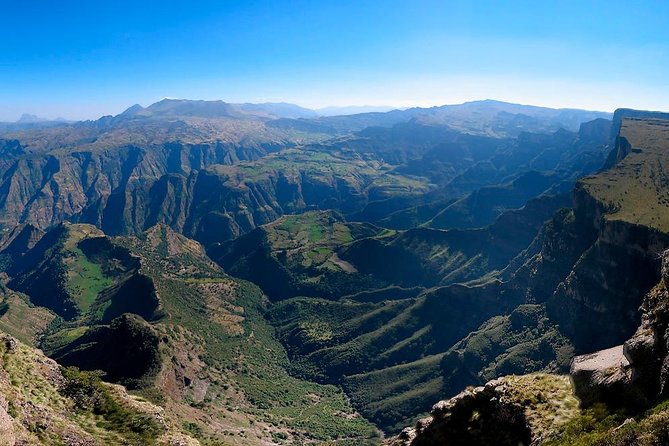
Day 3 brings a flight to Lalibela, followed by a hotel transfer and an afternoon visit. Lalibela is famous for churches cut down into and out of solid rock, with courtyards and passages that make the buildings feel partly hidden below ground level.
This is one of the strongest portions of the trip. After two days of mountain scenery and road travel, Lalibela offers a concentrated cultural and architectural experience. The itinerary says you will visit the main attractions in the afternoon, so you should have a useful first look at the church complex without spending the whole day in transit.
You stay at Cliff Edge Hotel or a similar property. The schedule does not specify which churches are included, the length of the guided visit, or whether a second church area is visited the following morning. I would ask those questions before booking. Lalibela rewards time, and the details matter here: the churches are not a quick roadside photo stop.
The tour’s wider feedback gives the operator strong marks for organization, communication, accommodation, and guides. Names connected with that feedback include Amanuel, Aman, Joseph, and Niko. That does not guarantee which guide you will receive on this particular departure, but it does suggest that you should ask in advance who will lead the visits and whether an English-speaking guide is assigned.
Arba Minch opens the door to southern Ethiopia
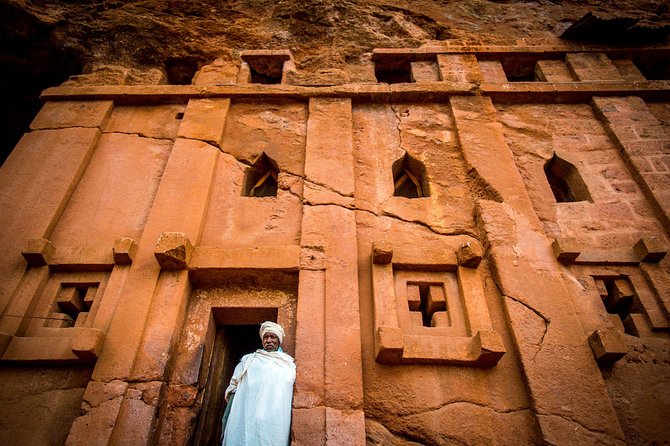
After breakfast on Day 4, you fly to Arba Minch via Addis Ababa. The wording of the schedule is slightly unclear, so I would confirm the exact flight routing and transfer plan before departure.
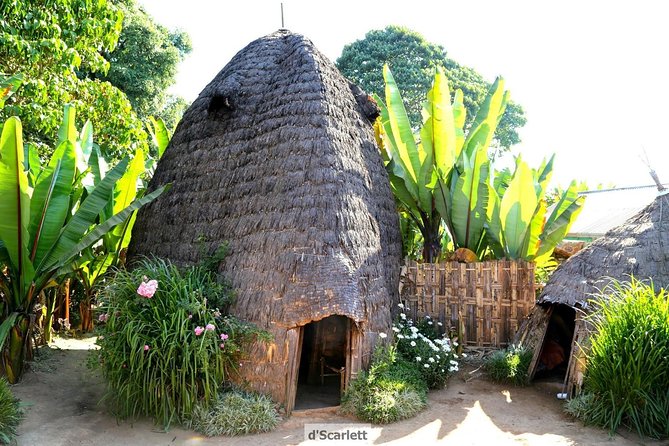
The day includes a visit to a Doreze village. The Doreze are described as skilled weavers, and their houses are shaped in a way that resembles an elephant. Enset, sometimes called false banana, is an important food source in the area.
This stop gives you a different kind of cultural contact from the monumental churches in the north. Instead of stone architecture, you see domestic design, weaving, and food traditions. Those details are valuable because they show how daily life is shaped by local materials and farming.
You stay at Paradise Lodge or a similar property. The listed duration is about eight hours, which includes air travel, transfers, and the village visit. That leaves little room for a relaxed afternoon. I would see this as an introduction to the south, not a full study of Doreze life.
More Lalibela church tours:
- Danakil Depression and Lalibela 5 Days Tours
★ 5.0 · 28 reviews - Danakil Depression, Lalibela, Omo Valley and Simien Mountains
★ 5.0 · 23 reviews - 5 DAYS Axum, Lalibela, Tigray churches and Danakil
★ 4.5 · 22 reviews - 6 Days Lalibela, Omo Valley and Harar
★ 5.0 · 15 reviews
Lake Chamo and Konso make Day 5 especially full
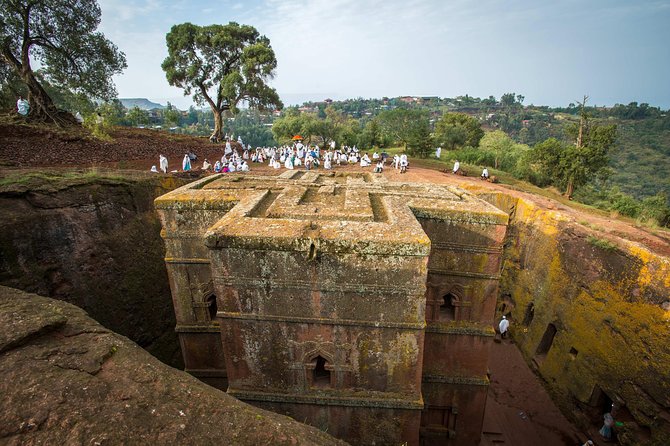
Day 5 starts with a boat cruise on Lake Chamo, described as Ethiopia’s third-largest lake. From the boat, you may see Nile crocodiles, hippos, and different bird species.
This is one of the tour’s most appealing changes of pace. You are not simply driving from one town to another. The boat gives you a chance to watch wildlife from the water, and birdlife may be especially rewarding for anyone who enjoys photography or nature.
The route then continues south through Konso, a UNESCO-listed area known for its agricultural terraces. Konso is also associated with coffee, and the description notes men wearing colorful clay caps decorated with feathers.
You continue to Jinka and visit the Ari people, the largest population in the lower Omo Valley according to the tour description. Ari women are described as wearing skirts made from enset fiber and practicing pottery.
That is a lot for one day: boat cruise, wildlife, Konso, a long drive, and a cultural visit near Jinka. I like the variety, but you should expect a packed schedule and limited time at each stop. The overnight is at Jinka Resort or a similar hotel.
Mago National Park and the Mursi visit require thoughtful expectations
On Day 6, you make an excursion to Mago National Park to visit a Mursi village. The itinerary describes low huts made from plant materials, along with traditional lip and ear adornments worn by some women.
This is a powerful cultural encounter, but it is also the part of the tour where respectful planning matters most. The description uses language that can make people sound like displays rather than communities. Before you go, ask the operator how visits are arranged, how photography is handled, and how payments or local guiding are managed.
That advice is not about avoiding the visit. It is about making sure the encounter benefits the people you meet and gives you a more accurate understanding of their lives. A good local guide should explain context rather than reduce the community to a few striking images.
After lunch in Jinka, you continue to Turmi, home of the Hamer people. The total day is listed at about eight hours, so you should be ready for road time, heat, dust, and a late arrival. Buska Lodge or a similar property is the planned overnight.
Turmi and Omorate show the Omo Valley’s wide cultural range
The next morning, Day 7 takes you to Omorate for a visit with the Dassanech people, described as the people of the Delta. Their home is on the northern shore of Lake Turkana, near the southern end of the route.
The value of this day is comparison. You have already encountered Doreze, Ari, Mursi, and Hamer communities. The Dassanech visit gives you another cultural setting rather than repeating the same type of stop.
You then drive back toward Konso for the night at Korebta Lodge or a similar property. The itinerary again lists about eight hours. That is a long day, and the return drive means Omorate is not a casual half-day excursion.
The southern section is best suited to you if you are more interested in people, crafts, food systems, and regional customs than in luxury or a leisurely hotel stay. The accommodations are described as clean and of a good standard in the wider tour feedback, but the itinerary does not promise the same level of comfort at every property.
Addis Ababa ends the journey with food and coffee
After lunch on Day 8, you travel to the airport for a flight back to Addis Ababa. In the evening, you attend a folkloric dinner with national dishes, dances from different Ethiopian ethnic groups, and a traditional coffee ceremony.
I like this ending because it brings together food and performance after several days of moving through different regions. The coffee ceremony is particularly fitting in Ethiopia, where coffee is a major part of social life and hospitality.
You spend the night at Nega Boonger Hotel. The day is listed at about seven hours, so the dinner is not simply an airport stopover. You should have time to settle in before the evening program, although the exact timing is not provided.
Day 9 is simple: breakfast, then an airport transfer for departure. The transfer is listed at about 30 minutes. If you have a late flight, ask whether the hotel arrangement allows you to keep the room or store luggage, since that detail is not stated.
What $1,800 buys you in practical terms
At $1,800 per person, this is not a cheap independent trip, but the price needs to be judged against the range of services involved. You are covering nine days, several domestic flights, airport transfers, a vehicle for long road sections, park access arrangements, local guides and scouts in Simien, accommodation, and a series of organized cultural and wildlife visits.
The maximum group size of four is a real value point. A small group makes it easier to load bags, coordinate flights, adjust the pace, and ask questions. It should also feel less impersonal than a large coach tour.
The exact inclusions are not fully spelled out. Admission is marked as included for Jinbar Waterfall, but several other days show admission as free, which may simply mean no separate ticket is listed. I would request a written breakdown of flights, meals, park fees, boat costs, local guides, tips, and airport transfers.
The operator has received repeated praise for clear communication, careful organization, good vehicles, solid accommodation, and strong value. A few comments also indicate that some aspects could be improved, so I would not treat the perfect recommendation figure as a promise that every detail will be flawless. The route itself has enough moving parts that confirmation is worth your time.
Who should choose this fast-moving route?
I would recommend it most strongly to you if:
- You have only nine days and want a broad first visit to Ethiopia.
- You enjoy changing scenery and do not mind early starts.
- You want both major cultural sites and southern community visits.
- You prefer a small group rather than a large scheduled departure.
- You are comfortable with several flights and long drives.
- You want an organized trip rather than arranging each transfer yourself.
I would be more cautious if you want slow travel, long hikes, extensive time in Lalibela, or a detailed visit to Gondar. The itinerary touches many places, but it does not linger.
I would also ask direct questions about the Danakil Depression. It is named in the tour title but missing from all nine listed days. If Danakil is your main reason for booking, do not assume it is included.
Should you book this Ethiopia tour?
Book it if your priority is variety. In nine days, you see Simien’s highlands, Lalibela’s churches, Lake Chamo, Konso, and several Omo Valley communities, finishing with Addis Ababa food and music. That is an impressive range for one organized trip.
Before booking, confirm the Danakil issue, the flight schedule, the precise inclusions, and the amount of time at each cultural stop. If those points are clear and you accept the quick pace, $1,800 can be reasonable value for a private-style small group journey across several very different parts of Ethiopia.
Free cancellation is available up to 24 hours before the start time, but changes or cancellations inside that window are not accepted for a refund. The tour also requires a minimum number of participants, so confirm the departure status before making nonrefundable arrangements around it.
FAQ
Where does the tour begin?
The tour begins at Bole Airport in Addis Ababa, Ethiopia, with a stated start time of 6:00 a.m. Pickup is offered.
How many people can join the tour?
The tour has a maximum of four participants.
Is the Danakil Depression included in the nine-day route?
The Danakil Depression appears in the tour title, but it is not included in the listed nine-day itinerary. Confirm this directly with the provider before booking.
Which places are visited during the tour?
The route includes Simien Mountain National Park, Jinbar Waterfall, Gondar, Lalibela, Arba Minch, Lake Chamo, Konso, Jinka, Mago National Park, Turmi, Omorate, and Addis Ababa.
What is the cancellation policy?
You can cancel up to 24 hours before the experience start time for a full refund. Cancellations or changes made less than 24 hours before the start time are not accepted for a refund.
Is the tour guaranteed to operate?
The experience requires a minimum number of participants. If that minimum is not met, you will be offered another date or experience, or a full refund.
More Omo Valley tours
- 6 Days Omo Valley Tribes Tours From Addis Ababa
★ 5.0 · 33 reviews - 3 Days Omo Valley Tour
★ 5.0 · 24 reviews - 5 Days Omo Valley Tours
★ 5.0 · 15 reviews - Private Omo Valley Tours From Addis Ababa
★ 5.0 · 12 reviews
Just added around Addis Ababa
- 10 Days in Northern Ethiopia Tours★ 4.5 · 3 reviews
- Day Trip to Tiya UNESCO Site & Melka Kunture Archaeological Site★ 4.5 · 3 reviews
- Two days Lake Wenchi and Menagesha Forest★ 5.0 · 3 reviews
- 6 days 5 nights Addis Abeba sightseeing & Lalibela Rock-Hewn Churches★ 5.0 · 3 reviews
- Addis Ababa Half Day Shopping Tour★ 5.0 · 3 reviews
- 6 days Omo valley cultural Tour★ 5.0 · 3 reviews
- 12- Day Historical Route of Ethiopia★ 5.0 · 3 reviews
- Addis Ababa City Tour★ 4.5 · 3 reviews
Rock-Hewn Churches of Lalibela, compared.
12 Days SIMIEN MOUNTAIN-LALIBELA-DANAKIL-TIGRAY CHURCHES
Read our review →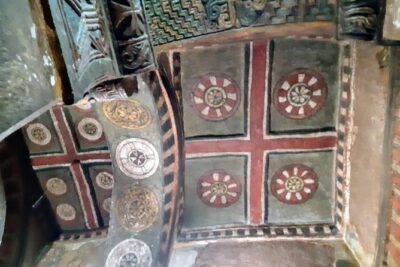
Tour 11 monolithic rock churches & museum in Lalibela & cave church with mummies
Read our review →
5 DAYS Lalibela, Axum, Tigray churches and Danakil
Read our review →
6 Days tour Package (Simien Mountains, Lalibela, and Danakil Depression)
Read our review →
Lalibela, Axum, Danakil and Omo Valley 8 DAYS
Read our review →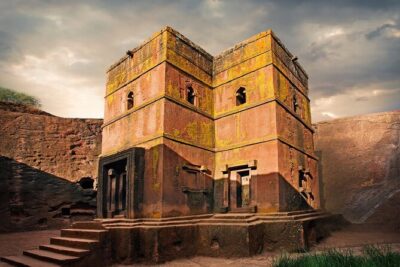
Browse the lists this tour appears in