
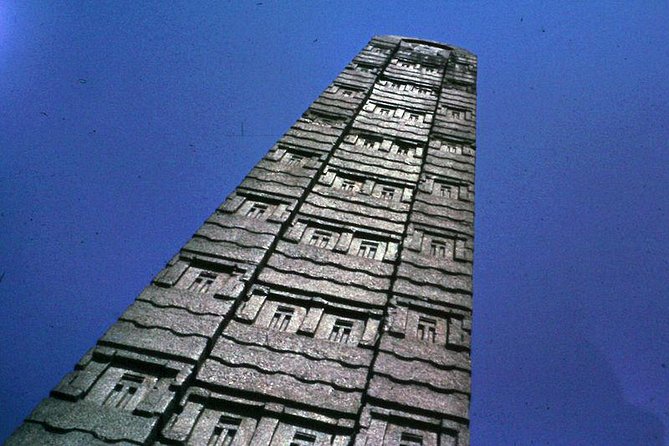
Reviewed · ROCK-HEWN CHURCHES OF LALIBELA
Lalibela, Axum, Danakil and Omo Valley 8 DAYS
Ethiopia packs a lot into eight days. This tour links Lalibela’s carved churches, Axum, the Gheralta cliffs, the Danakil Depression, and the Omo Valley, with domestic flights, drivers, local guides, entrance fees, and lodging arranged for you.
I like the smart mix of famous sights and hard-to-reach places. I also like the small maximum group of 10, which should make airport transfers and village visits easier. The catch is the pace: Erta Ale, Danakil, and the Omo Valley involve rough roads, heat, early starts, and basic conditions, so this is not a relaxed sightseeing holiday.
I would also confirm the starting arrangements before paying. The tour begins in Lalibela at 7:00 am, while pickup is also advertised from Addis Ababa and Lalibela. That detail matters because the first scheduled flight is to Lalibela.
In This Review
- Key Points Before You Book
- Why This Route Is So Ambitious
- Day One: Lalibela’s Churches Carved From Living Rock
- Day Two: Axum, Adwa, and the Gheralta Cliffs
- Days Three to Five: Erta Ale and the Danakil Depression
- Erta Ale: A Night Near a Lava Lake
- Morning at the Craters
- Salt, Camels, and Dallol
- Days Six and Seven: Meeting Communities in the Omo Valley
- Day Eight: Konso’s Terraces and the Return North
- What the $2,051.29 Price Really Covers
- Who Will Enjoy This Tour Most
- Should You Book It?
- FAQ
- Where does the tour start?
- Where does the tour end?
- How many people can join the tour?
- Are domestic flights included?
- Is accommodation included?
- Are entrance and village fees included?
- How physically demanding is the tour?
- What is the cancellation policy?
Key Points Before You Book
- Lalibela and Axum in the first two days: You see Ethiopia’s great Christian monuments before heading into the far north.
- Erta Ale includes a demanding overnight outing: The volcano is reached by a rough 80-kilometer road to Dodom, followed by a climb to the summit.
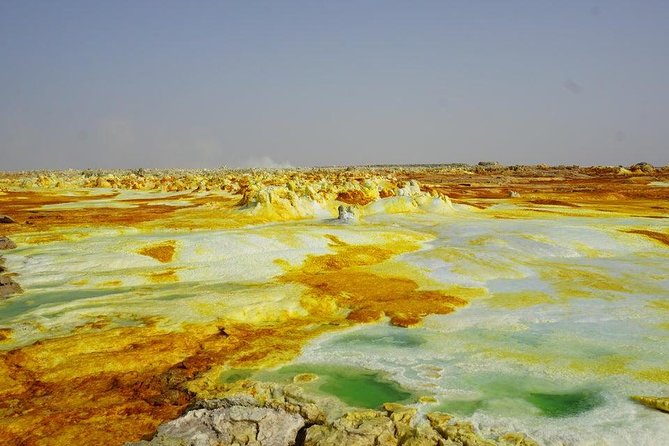
- Danakil reaches one of Earth’s lowest places: Dallol sits about 116 meters below sea level, with salt mining, volcanic colors, and Lake Assal.
- The Omo Valley is a separate cultural world: Visits include Ari, Mursi, and Hamer communities, along with Jinka Museum and Mago National Park.
- The price includes major trip costs: At $2,051.29 per person, the package includes lodging, domestic flights, fuel, guides, entrance fees, and transfers.
- Physical fitness is essential: The trip includes rough driving, heat, walking, and a demanding Erta Ale excursion.
Why This Route Is So Ambitious

Most Ethiopia trips focus on one region. This one tries to connect the northern highlands, the Afar desert, and the southern Omo Valley in a single sweep.
That range is the main reason to consider it. You move from medieval religious architecture to active volcanic country, then finish among distinct communities and terraced highlands. Few eight-day programs offer such a sharp change of scenery.
The trade-off is time. You spend long stretches in vehicles and on flights, and some stops are brief. A one-hour visit in Axum, for example, gives you a taste of the city rather than a full archaeological day. You should book this for variety and convenience, not for leisurely time at each site.
The small-group format helps. With a maximum of 10 people, the vehicle should be easier to manage than a large coach, and local guides can handle the payments, entries, and changing transport arrangements. The company also provides scouts where needed, an important detail in remote areas such as Danakil and Erta Ale.
More Danakil expeditions:
- 3 Days Danakil Depression Tour
★ 4.5 · 135 reviews - 3 Days Danakil Depression Tours Via Semera
★ 5.0 · 47 reviews - 12 Days SIMIEN MOUNTAIN-LALIBELA-DANAKIL-TIGRAY CHURCHES
★ 5.0 · 45 reviews
Day One: Lalibela’s Churches Carved From Living Rock
The tour’s first major sight is Lalibela, reached by morning flight from Addis Ababa or through the advertised pickup arrangement. After arrival, you are transferred to your hotel and visit the first group of rock-hewn churches after lunch.
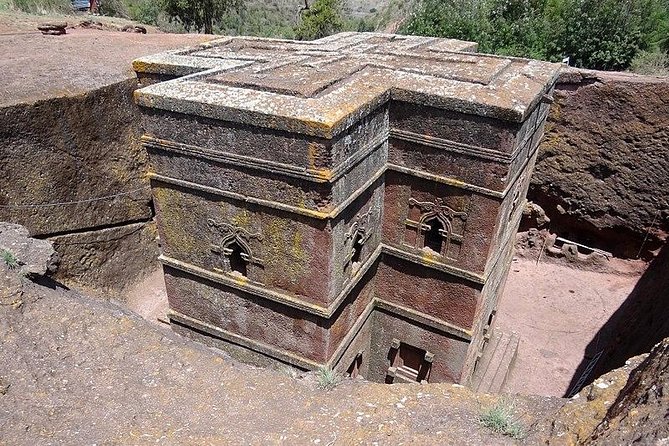
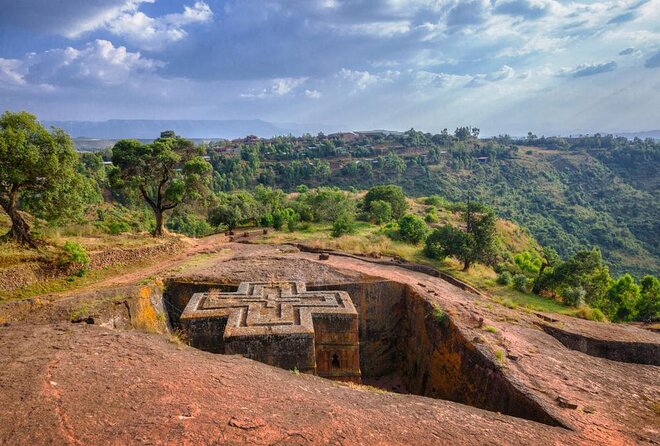
These churches were cut into the ground during the reign of King Lalibela, from 1181 to 1221. Rather than being built stone by stone, the structures were shaped from solid rock. The site contains about 11 churches arranged in three groups, with the Jordan River separating parts of the complex.
The first afternoon focuses on the northern group. Allowing four hours gives you enough time to see the major spaces without racing from doorway to doorway. You should wear shoes with a good grip, since religious sites and stone paths can be uneven.
Lalibela is not just an archaeological stop. It remains a place of worship, so modest clothing and respectful behavior are important. Your guide and entrance fee are included, which removes two common sources of confusion at a major heritage site.
The limitation is timing. Arriving and touring on the same day means you do not get much spare time in town. If Lalibela is your main reason for visiting Ethiopia, you may prefer a longer program. If it is one part of a much larger route, this introduction is efficient.
Day Two: Axum, Adwa, and the Gheralta Cliffs
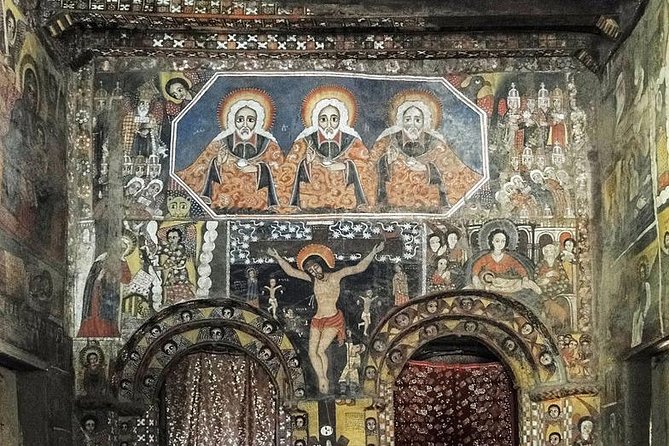
A morning flight takes you from Lalibela to Axum. The scheduled Axum visit lasts about an hour before you drive toward Hawzien, passing through the Adwa area and the Gheralta plains.
Axum is one of Ethiopia’s essential historic centers, and the Northern Stelae Park gives you a chance to see its famous stone monuments. The one-hour stop is short, so keep your expectations measured. You will get an orientation rather than a full day of tombs, churches, and archaeological sites.
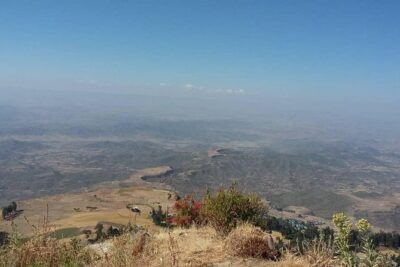
The drive toward Hawzien is part of the appeal. Gheralta is known for dramatic rock formations and churches reached through highland terrain. The town of Hawzien acts as your base for this region, and the schedule gives roughly three hours to the Gheralta stop.
Here is where you should clarify the exact church visit before departure. One account of the trip involved a mistaken transfer to a Tigray cliff church, where the route required a serious 200-meter climb on exposed rock. That kind of climb is not a casual add-on, and it would be unsuitable for anyone uncomfortable with heights or technical scrambling.
Ask whether your planned church requires a climb, how long the walk takes, and what footwear is expected. Gheralta can be rewarding, but the word rock-hewn does not always mean easy access.
Days Three to Five: Erta Ale and the Danakil Depression
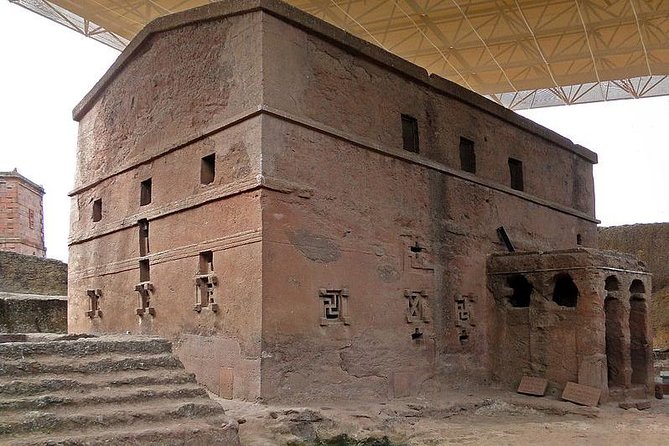
The Danakil section is the tour’s toughest and most unusual part. It takes you into one of Ethiopia’s hottest, driest regions, where salt, volcanoes, sulfur-colored ground, and severe roads shape the journey.
More Lalibela church tours:
- Visiting Lalibela churches
★ 5.0 · 40 reviews - Tour 11 monolithic rock churches & museum in Lalibela & cave church with mummies
★ 5.0 · 37 reviews - Rock Churches of Lalibela Guided Tour
★ 5.0 · 27 reviews - Lalibela churches , church museum & Yemrehan kirstose ( cave church)
★ 5.0 · 19 reviews
Erta Ale: A Night Near a Lava Lake
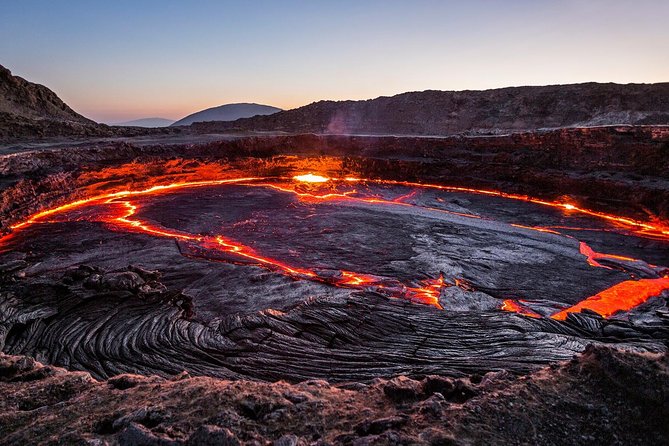
You drive toward Erta Ale through Mekele, whose name means smoky mountain in the Afar language. The volcano is a shield volcano with a base diameter of about 30 kilometers and a summit caldera roughly one square kilometer wide.
Its summit reaches 613 meters and contains a permanent lava lake, one of only a handful in the world. The lake is described as having existed since the early twentieth century, though conditions around active volcanoes can change. Your guide will determine what viewing is possible on the day.
The drive to Dodom covers about 80 kilometers, but distance is not the main issue. The road is described as one of the roughest in the world, so the journey may take far longer than the map suggests. The schedule begins around 9:00 am and allows about six hours for the main stop, with the summit outing continuing into the night.
You need moderate physical fitness at minimum, and more is better. Bring sturdy shoes, a headlamp if advised, a hat, water, and clothing that can handle dust. The exact conditions are not luxury-tour conditions, and even a good vehicle cannot smooth out a rough volcanic track.
Morning at the Craters
The next morning begins with sunrise near Erta Ale’s northern crater. The main pit is about 200 meters deep and 350 meters across, with smaller southern and central pits nearby. A five-minute walk connects the southern and central pits, according to the planned schedule.
After an early breakfast, the descent toward Dodom begins around 7:00 am, with the stated aim of leaving the area by about 9:00 am. You then reach camp by approximately 10:30 am, where the schedule allows time to rest.
Lake Giulietti, also called Lake Afrera, may be included as an optional stop, but it is not guaranteed. This is a good example of why you should treat the Danakil program as weather and road dependent. Flexibility is part of the deal.
Salt, Camels, and Dallol
The following morning takes you to Ragad, also called Asebo, where Afar workers mine salt. You can see salt broken from the ground, cut into rectangular pieces, and loaded onto camels.
The route continues to Dallol, about 116 meters below sea level. Volcanic activity has produced striking colors and unusual formations around Dallol and Lake Assal. You also follow the salt caravans and walk with Afar people as part of the visit.
Camel caravans do not operate in July, August, or early September. If that sight is important to you, check the season carefully before booking.
The Danakil program ends with a drive back to Mekele and an evening flight to Addis Ababa, scheduled to depart at 7:50 pm and arrive at 9:10 pm. That is a long day after several demanding days, so plan for fatigue rather than a restful airport transfer.
Days Six and Seven: Meeting Communities in the Omo Valley
From Addis Ababa, you fly to Jinka and meet the local team at the airport. The first visit is to Ari villages, home to the largest population in the lower Omo Valley.
The Ari are known for pottery, and women wear skirts made from enset, a banana-like plant often called false banana. The visit gives you a look at daily life and craft traditions rather than a museum display.
You then visit Jinka Museum for about an hour. Its collection includes musical instruments, weapons, and household objects. It is a useful introduction before visiting nearby communities, since it gives cultural context to what you see outside town.
The next morning takes you to Mago National Park and a Mursi village. The Mursi live in low huts made from straw and leaves, and some women wear terra-cotta lip and ear ornaments associated with their cultural identity.
Approach this visit with care. You are entering a living community, not a staged historical site. Listen to your guide about village payments, photography, and respectful behavior. The tour includes village and elder payments, which is helpful, but it does not include camera or videographer fees if those are required.
From Mago, you continue to Turmi, home of the Hamer people. The Hamer are known for bull jumping, a ceremony in which a young man runs across the backs of bulls or castrated steers as part of his initiation into manhood.
Female relatives may dance and invite ritual whipping from recently initiated men. The scars are tied to family support and future marriage choices. This is a powerful custom, but it is also a serious cultural event. You should never treat it as a show staged for visitors or photograph people without clear permission.
The timing here is limited, with roughly two hours at Mago and one hour in Turmi. You will see more than you could independently arrange in eight days, but you will not have the time for long village stays or extensive walking.
Day Eight: Konso’s Terraces and the Return North

The final cultural stop is the Konso Cultural Landscape. Here, stone-walled terraces and fortified settlements stretch across the dry Konso highlands.
The terraces show how communities adapted farming and settlement patterns to a difficult environment over more than 400 years. The area also includes anthropomorphic wooden statues grouped to honor respected people and heroic events, along with funerary traditions.
This is a thoughtful way to end the tour. After the dramatic volcanoes and intense village visits, Konso shows another side of southern Ethiopia: long-term community planning, stonework, farming, and social organization.
The visit lasts about four hours after an early breakfast. The tour ends with drop-off at your hotel in Addis Ababa, although the supplied schedule does not state the exact arrival time. Keep your final evening flexible.
What the $2,051.29 Price Really Covers
At $2,051.29 per person, this is not a budget backpacking trip, but it includes several expensive and complicated pieces.
You receive accommodation, bed and breakfast, domestic flights, airport transfers, private road transfers within the program, fuel, professional guiding, local guides, scouts where needed, entrance fees, and village and elder payments. Those inclusions matter in Ethiopia, where arranging flights, remote transport, permits, and local access separately can quickly become difficult.
The best value comes from the logistics. Danakil and the Omo Valley are not simple self-drive destinations, and Erta Ale requires local support. Sharing the tour with a small group helps spread vehicle, guide, and fuel costs.
The package does not include international flights, alcohol, laundry, personal internet or telephone charges, or camera and videographer fees when applicable. Bring extra money for those items, and ask exactly which meals are included beyond breakfast.
Accommodation is described as basic but clean, with good beds and locations near city centers. That sounds appropriate for this route. You should expect variety rather than polished resort standards.
Who Will Enjoy This Tour Most
I would choose this program if you want maximum geographic variety and do not want to arrange complicated domestic logistics yourself. It suits an active visitor who values rare sights over long hotel stays.
You will probably enjoy it if you can handle:
- Rough four-wheel-drive roads
- Early departures and late returns
- Heat and dust in Danakil
- Walking and climbing around volcanic areas
- Basic accommodation in remote regions
- A tightly managed schedule
- Cultural visits that require patience and respect
I would not choose it for a first gentle introduction to Ethiopia. The combination of flights, long drives, remote camps, and high temperatures can wear you down. A traveler with limited mobility or a strong fear of heights should ask detailed questions about Gheralta and Erta Ale before booking.
The company receives a 4.9 rating from 29 published ratings, with 97 percent recommending the experience. Praise centers on smooth planning, helpful staff, dependable guides, clean basic hotels, and the relief of having flights and transport handled. Specific staff members, including Muller, Samrawit, Muna, Yared, and Sefora, are singled out for care and organization.
That said, one serious routing mistake involving a dangerous cliff church shows why you should check each day’s plan with the operator. Good communication is especially important on a route where a small misunderstanding can turn into a major physical challenge.
Should You Book It?
Book this tour if you want to see Ethiopia’s biggest contrasts in one compact trip and you are comfortable trading comfort for access. The value is strongest for solo visitors or couples who want flights, drivers, guides, local payments, and remote excursions arranged in one package.
Before booking, confirm the Lalibela pickup, the precise Gheralta church, the Erta Ale walking requirements, the availability of Lake Afrera, and the season for camel caravans. If the answers suit your fitness level and expectations, this is an unusually broad Ethiopia trip with excellent sightseeing value.
FAQ
Where does the tour start?
The stated meeting point is Lalibela, Ethiopia, with a start time of 7:00 am. Pickup is also offered from Addis Ababa and Lalibela, so confirm your exact pickup location before the trip.
Where does the tour end?
The tour ends in Addis Ababa with drop-off at your hotel.
How many people can join the tour?
The maximum group size is 10 travelers.
Are domestic flights included?
Yes. The package includes domestic flights, including the scheduled flights between Addis Ababa, Lalibela, Axum, Mekele, and Jinka as required by the program.
Is accommodation included?
Yes. Accommodation is included as outlined in the program, with bed and breakfast provided.
Are entrance and village fees included?
Yes. Entrance fees, village payments, and elder payments are included. Camera or videographer fees, when required, are not included.
How physically demanding is the tour?
You need a moderate level of physical fitness. The program includes rough roads, walking around volcanic sites, the demanding Erta Ale excursion, and possible climbing at Gheralta.
What is the cancellation policy?
You receive a full refund if you cancel at least six full days before the local start time. Cancellation two to six days beforehand receives a 50 percent refund, while cancellation less than two full days before the start time is nonrefundable. Poor weather may result in a different date or a full refund.
More Omo Valley tours
- 6 Days Omo Valley Tribes Tours From Addis Ababa
★ 5.0 · 33 reviews - 3 Days Omo Valley Tour
★ 5.0 · 24 reviews - Danakil Depression, Lalibela, Omo Valley and Simien Mountains
★ 5.0 · 23 reviews - 5 Days Omo Valley Tours
★ 5.0 · 15 reviews
Just added around Lalibela
- Lalibela 2-Day Eco Trekking Tour★ 5.0 · 3 reviews
- Full Day Tour in Lalibela★ 5.0 · 3 reviews
- Lasta Mountains: Highland Eco Trekking Tour in Lalibela★ 5.0 · 4 reviews
- Lalibela: Churches Full-Day Private Tour w/Coffee Ceremony★ 4.7 · 5 reviews
- Day Hike Around Lalibela★ 5.0 · 5 reviews
- Full Day Tour To The 11 Rock Hewn Churches Of Lalibela★ 5.0 · 5 reviews
- Fully guided city tours of Addis Ababa with hotel pickup★ 5.0 · 5 reviews
- 3 Days 2 nights Lalibela & Yemrehana Krestos seightseeeing tour★ 5.0 · 6 reviews
Rock-Hewn Churches of Lalibela, compared.
12 Days SIMIEN MOUNTAIN-LALIBELA-DANAKIL-TIGRAY CHURCHES
Read our review →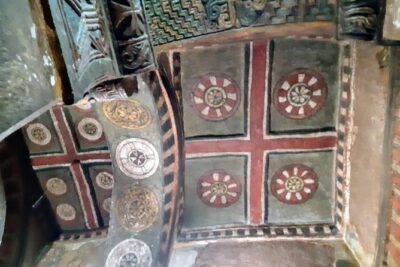
Tour 11 monolithic rock churches & museum in Lalibela & cave church with mummies
Read our review →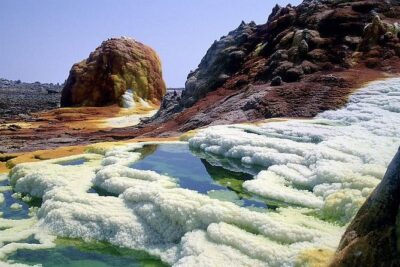
5 DAYS Lalibela, Axum, Tigray churches and Danakil
Read our review →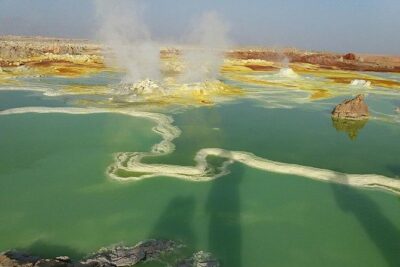
6 Days tour Package (Simien Mountains, Lalibela, and Danakil Depression)
Read our review →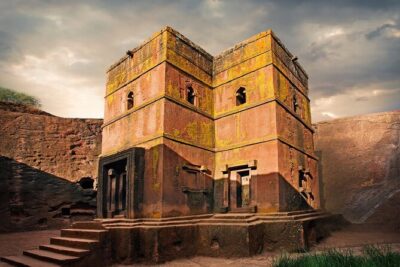
Danakil Depression, Lalibela, Omo Valley and Simien Mountains
Read our review →Browse the lists this tour appears in