
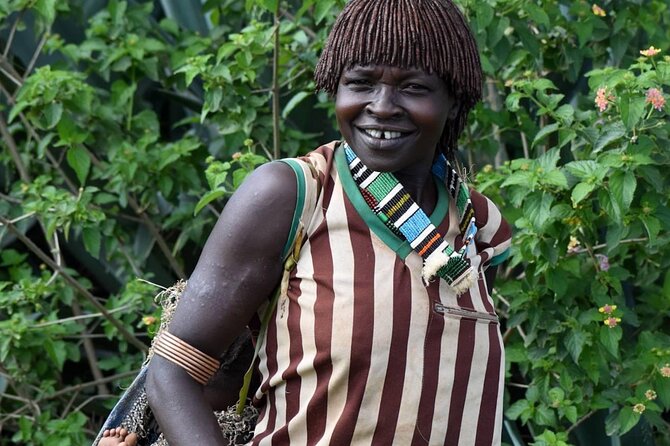
Reviewed · OMO VALLEY TRIBAL TOURS
5 Days Omo Valley Tribal Tours
Ancient customs meet long, rewarding road days. This five-day Omo Valley journey takes you from Addis Ababa to Dorze, Konso, Turmi, Jinka, Mago National Park, and several Indigenous communities in southern Ethiopia. You’ll see beehive-shaped houses, generation poles, body painting, local markets, a possible Hamar bull-jumping ceremony, and Mursi lip plates.
I especially like the small maximum group of four, which should make village visits and long drives more manageable. I also like the way the route combines well-known communities with places such as Dorze and Konso, rather than treating the Omo Valley as a single stop. The main drawback is the pace: several days include six to eight hours on the road, and the $1,100 price does not include domestic flights, lunch, dinner, photography fees, or bull-jumping ceremony charges.
In This Review
- Key points to know before booking
- What this five-day Omo Valley route actually offers
- Day 1: Addis Ababa, Arba Minch, and Dorze village
- Day 2: Konso’s stone markers and the road to Turmi
- Day 3: Karo body painting and a possible Hamar ceremony
- Day 4: Dessanch traditions, markets, and Jinka
- Day 5: Mago National Park and a Mursi village
- Is $1,100 good value?
- Guides, drivers, and the small-group advantage
- Who should book this Omo Valley tour?
- FAQ
- Where does the tour start?
- Where does the tour finish?
- Is the domestic flight included?
- How many people can join the tour?
- Are meals included?
- Is the Hamar bull-jumping ceremony guaranteed?
- Is the boat trip included?
- Can I cancel for a full refund?
- Should you book it?
Key points to know before booking
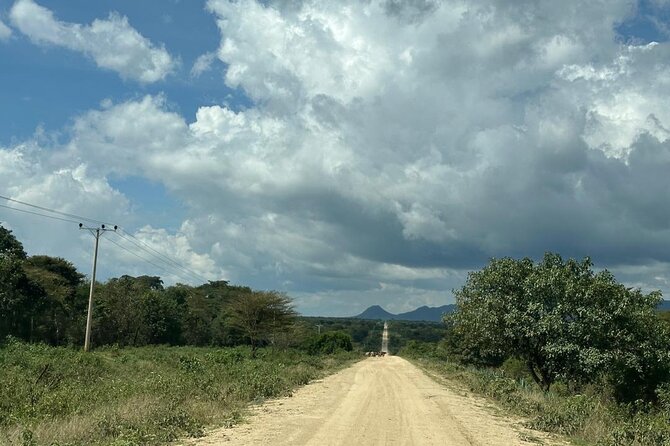
- Dorze houses are shaped like giant beehives, and a village visit introduces you to the area’s cotton weaving traditions.
- Konso is a UNESCO-recognized cultural area, with generation poles that help mark the passage of time.
- The Hamar bull-jumping ceremony is seasonal, so it is not guaranteed and costs extra when available.
- Mago National Park leads to a Mursi village, where lower-lip and earlobe plates are part of cultural identity.
- The trip includes a boat ride at the Dessenach community, a useful detail that is easy to miss when comparing tours.
- The route is physically easy for most people but demanding in time, with long drives and early departures.
What this five-day Omo Valley route actually offers
The Omo Valley is home to more than 20 Indigenous ethnic groups, each with its own customs, clothing, art, ceremonies, and social traditions. This tour gives you a quick but broad introduction to several of them.
You are not signing up for a relaxed resort holiday. The days begin early, the roads take time, and the program covers a large section of southern Ethiopia. In return, you get a close look at communities that are rarely encountered on a standard Ethiopia trip.
The experience is led by Enat Ethiopia Tours, with a guide, driver, vehicle, fuel, and breakfast included. The small group limit matters here. A group of no more than four can spend less time organizing itself and may allow you to ask more questions during village visits.
The tour starts and finishes at the parking area of Skylight Hotel on Africa Avenue in Addis Ababa. Pickup is offered, but confirm the exact arrangement when booking. Confirmation is provided at the time of booking, and the activity is listed as operating every day during the stated season.
More Omo Valley tours:
- 6 Days Omo Valley Tribes Tours From Addis Ababa
★ 5.0 · 33 reviews - 3 Days Omo Valley Tour
★ 5.0 · 24 reviews - Danakil Depression, Lalibela, Omo Valley and Simien Mountains
★ 5.0 · 23 reviews
Day 1: Addis Ababa, Arba Minch, and Dorze village

Your first day begins with a domestic flight from Addis Ababa to Arba Minch. The flight is not included in the tour price, so you need to budget for it separately and make sure the timing matches the planned pickup.
After arriving in Arba Minch, your driver takes you to the hotel. Following a short break, you head toward Dorze, a highland community known for tall houses shaped like beehives. The design is one of the day’s memorable visual details, but the visit is more valuable when you pay attention to the work done inside and around the homes.
Dorze is also known for fine cotton weaving. You can expect an introduction to local daily life and the skills that support the community. If your visit falls on market day, you will also have a chance to see the local Dorze market.
That market qualification is important. It is not an everyday feature of the tour, so do not book this trip expecting a market visit unless your dates are confirmed with the operator.
Your first overnight is either in a traditional hut in Dorze or at a hotel in Arba Minch. The hut option offers a more distinctive experience, while the Arba Minch option may suit you better if you prefer a conventional room. Ask ahead about the actual accommodation for your dates.
The day is listed at about six hours, though the precise balance of driving and visits can vary. Since you have already flown and then continued by road, Day 1 gives you an early taste of the tour’s rhythm: transport, a short rest, and a cultural visit rather than a slow arrival.
Day 2: Konso’s stone markers and the road to Turmi
Day 2 begins with breakfast and an early drive to Konso. You stop for lunch and a short break before visiting one of the nine UNESCO-registered Konso villages.
Konso is particularly interesting for its generation poles. These stones and wooden poles mark the beginning of new generations, with each pole representing 18 years. In simple terms, the number of standing poles can help indicate the age of a village. This gives the visit a clear historical and social focus rather than making it only a photo stop.
The Konso visit also breaks up what would otherwise be a long transfer toward Turmi. Even so, this is an eight-hour day, and you should expect substantial time in the vehicle. The distance is part of the price of seeing several different communities in only five days.
After Konso, you continue to Turmi for the night at Turm Lodge. Turmi is a useful base for the next day’s visits to Karo and Hamar communities. The plan includes breakfast, guide services, transportation, and admission where specified, but lunch and dinner remain your responsibility.
I would keep this day flexible in spirit. Road conditions, village timing, and local schedules can affect the pace. The reward is that Konso feels very different from Dorze, and the contrast helps you understand that the Omo Valley is not one uniform cultural area.
Day 3: Karo body painting and a possible Hamar ceremony
Day 3 starts early with a drive to a Karo village along the eastern banks of the Omo River. The Karo are described as a small clan with an estimated population of about 3,000. Their body and face painting is one of the most recognizable features of the visit.
You might see designs made with ochre, white chalk, yellow mineral rock, and other natural materials. Patterns can include lines, dots, shapes, animal forms, and handprints. Men may use clay to create elaborate hairstyles or headdresses connected with status, beauty, and bravery. Scarification is also part of the cultural practices described for both men and women.
This is a setting where you should follow your guide’s advice closely. Photography is not included as a free extra, and the tour specifically lists a photographer fee among the costs not covered. Ask about photo arrangements before taking pictures, and make sure you understand any payment expectations.
After returning to Turmi for lunch and a break, you visit the Hamar people. The most sought-after event is the bull-jumping ceremony. In this rite of passage, a boy is recognized as a man after jumping over a row of cattle, with the number described as ranging from five to 13 animals.
The ceremony is seasonal, so it may not take place during your visit. It also costs extra if available. That makes it important to treat the event as a possible bonus, not the central promise of the trip.
The day also refers to a special event involving a woman showing appreciation for the bull jumper, though the supplied description is incomplete. Ask Enat Ethiopia Tours what local events are expected during your dates.
The day lasts about seven hours. Karo art and Hamar customs provide two different experiences: one centers on visual expression and identity, while the other focuses on a public rite of passage. Both are compelling, but the timing depends on local activity rather than a fixed performance schedule.
More five-day itineraries:
- 5 DAYS Lalibela, Axum, Tigray churches and Danakil
★ 5.0 · 34 reviews - Danakil Depression and Lalibela 5 Days Tours
★ 5.0 · 28 reviews - 5 Days North Ethiopia Tours
★ 5.0 · 23 reviews - 5 DAYS Axum, Lalibela, Tigray churches and Danakil
★ 4.5 · 22 reviews
Day 4: Dessanch traditions, markets, and Jinka
On Day 4, you leave Turmi early and drive toward a Dessanch community. The tour description also discusses Karo painting traditions in this section, including ochre, chalk, mineral color, hairstyles, headdresses, and scarification. Because the cultural references overlap, it is worth confirming the exact village and sequence with your guide on the day.
The Dessenach visit includes a boat trip, and that boat ride is included in the tour. This is one of the route’s useful details because it adds a different way to encounter the Omo area instead of spending every hour in the vehicle.
Later, you return to Turmi for lunch. If it is market day, you visit the local market before continuing to Jinka. As with Dorze, the market visit depends on the day of the week, so you should confirm the market calendar if it matters to you.
The overnight stay is listed at NASA Hotel in Jinka. This town acts as the base for the final day’s trip into Mago National Park and the Mursi area.
Day 4 takes about eight hours. That is a demanding schedule, especially after the previous day’s early start and long drive. Still, the mix of community visits, a boat trip, a possible market, and the transfer to Jinka gives the day more variety than a simple road journey.
Day 5: Mago National Park and a Mursi village
The final day begins early with the drive from Jinka through Mago National Park to a local village of the Mursi kin group. The park adds a wilderness setting to the cultural route, though the supplied program does not promise particular wildlife sightings.
The Mursi are widely known for lower-lip and earlobe plates. These plates are part of personal appearance and cultural identity, and seeing them in their own community gives you more context than encountering the image in a book or gallery.
Approach this visit with care and attention. The people you meet are not a staged exhibit, and the photo fee listed by the operator signals that photography has its own rules and costs. Your guide can help you understand how to behave respectfully and how to ask before taking pictures.
After the village visit, you drive back to Jinka for lunch and then catch the flight to Addis Ababa. The domestic flight is again not included in the $1,100 tour price. The listed duration for this final day is about four hours, though the flight schedule and road timing deserve confirmation.
The tour ends back at the Addis Ababa meeting point. If you need another night in the capital, Enat Ethiopia Tours can arrange additional hotel nights and extra programs upon request.
Is $1,100 good value?
The $1,100 per-person price covers the core ground operation: guide, car, fuel, all fees and taxes, breakfast, and a boat trip at the Dessenach community. For a private or very small group of up to four, that can be a fair price, especially when you consider the distance covered and the planning needed for remote communities.
But the headline price is not your final budget. You still need to pay for domestic flights, lunch, dinner, personal needs, gratitude for staff, photography fees, and any Hamar bull-jumping ceremony charge. The flight cost may make a noticeable difference to the total.
The value is strongest if you want one operator handling the vehicle, route, village visits, guide, and local arrangements. It is less attractive if you want a slow trip with lots of free time or if you are comparing only the advertised price without adding flights and meals.
Breakfast is listed as included for five mornings. Since the trip lasts about five days, ask how that applies to the arrival and departure dates, particularly if flight times prevent you from using a scheduled breakfast.
Guides, drivers, and the small-group advantage
The strongest praise connected with this experience centers on the staff. Ashu is repeatedly singled out for staying in contact, anticipating needs, and helping the trip run smoothly. Other named team members include guides Danile and Ashu, along with drivers Roble, Biruk, Biruke, and Tame in different accounts.
That detail suggests the company uses more than one guide and driver team, so you may not receive a specific person unless you request one and the operator confirms availability. Still, the consistent emphasis on guide and driver support is encouraging for a route where patience, local timing, and road knowledge matter.
A group limit of four is a real advantage. You are likely to spend many hours together, so a small party can feel less tiring than a full coach. It may also make it easier to discuss photography, ceremony access, and changes to the daily plan.
This is not a luxury safari with a fixed wildlife schedule. Its strength is human contact, cultural variety, and a carefully arranged route through places that are difficult to link independently in five days.
Who should book this Omo Valley tour?
I would recommend it to you if you want a concentrated introduction to southern Ethiopia and are comfortable with early mornings and long road journeys. It suits photographers, culture-focused visitors, and first-time visitors who want a guide to manage the route.
It is also a good fit if you value a small group. Solo visitors can join without needing to organize an entire private party, though the price is still listed per person and the final cost of flights and extras must be added.
I would hesitate to recommend it if you need predictable ceremony dates, spacious free time, or a low total budget. The Hamar bull jumping is seasonal, markets depend on their scheduled day, and some of the most important costs are outside the tour price.
Respect should guide the whole experience. Ask before photographs, listen to local explanations, and remember that clothing, body painting, scarification, and lip plates are cultural practices, not simply visual attractions.
FAQ
Where does the tour start?
It starts at the Skylight Hotel parking area on Africa Avenue in Addis Ababa. Pickup is offered, so confirm the exact pickup details when booking.
Where does the tour finish?
The experience ends back at the Addis Ababa meeting point after the flight from Jinka.
Is the domestic flight included?
No. The domestic flights between Addis Ababa, Arba Minch, and Jinka are not included in the $1,100 price.
How many people can join the tour?
The maximum group size is four travelers.
Are meals included?
Breakfast is included, listed as five breakfasts. Lunch and dinner are not included.
Is the Hamar bull-jumping ceremony guaranteed?
No. The ceremony is seasonal and may not be taking place during your visit. If it is available, a separate fee applies.
Is the boat trip included?
Yes. The boat trip at the Dessenach tribe is included.
Can I cancel for a full refund?
Yes, if you cancel at least 24 hours before the experience starts. Cancellations within 24 hours are not refunded, and changes within that period are not accepted.
Should you book it?
Book this tour if you want a compact, small-group route through Dorze, Konso, Karo, Hamar, Dessenach, Mursi, and Mago National Park, and if you accept that the road days will be long. The guide and driver support, included vehicle, and carefully linked communities give the trip solid practical value.
Before paying, confirm the domestic flight price, accommodation, market dates, photo fees, and whether any Hamar ceremony is expected. If those extra costs fit your budget, this is a strong choice for a first look at the Omo Valley, with the right mix of cultural encounters and remote-road adventure.
Just added around Addis Ababa
- 10 Days in Northern Ethiopia Tours★ 4.5 · 3 reviews
- Two days Lake Wenchi and Menagesha Forest★ 5.0 · 3 reviews
- Day Trip to Tiya UNESCO Site & Melka Kunture Archaeological Site★ 4.5 · 3 reviews
- 6 days 5 nights Addis Abeba sightseeing & Lalibela Rock-Hewn Churches★ 5.0 · 3 reviews
- Addis Ababa Half Day Shopping Tour★ 5.0 · 3 reviews
- 12- Day Historical Route of Ethiopia★ 5.0 · 3 reviews
- 6 days Omo valley cultural Tour★ 5.0 · 3 reviews
- Addis Ababa at a Glance★ 5.0 · 3 reviews
Omo Valley Tribal Tours, compared.

6 Days Omo Valley Tribes Tours From Addis Ababa
Read our review →
Lalibela, Axum, Danakil and Omo Valley 8 DAYS
Read our review →
Danakil Depression, Lalibela, Omo Valley and Simien Mountains
Read our review →



9 Days Tours To Danakil Depression, Simen MNP, Lalibela With Omo Valley Tribes
Read our review →Browse the lists this tour appears in