
Reviewed · OMO VALLEY TRIBAL TOURS
3-Day Cultural Tour in South Omo Valley
Culture here is not behind glass.
This three-day South Omo Valley tour takes you far beyond Addis Ababa, into communities where clothing, body decoration, language, farming, and ceremony remain closely tied to daily life. I like the small maximum group of six, which should make village visits more manageable, and I like the chance to meet Hamer, Dassanech, and Mursi communities in one short trip. The main drawback is the pace: three days gives you a powerful introduction, but long drives and a domestic flight leave little room for delays or slow, unplanned encounters.
I also appreciate the local focus and the care reported from guide Tariku and driver Sitotaw. Their attentive service helped make the journey feel personal rather than purely logistical. Still, you should read the meal details carefully: breakfast and accommodation are listed as included, while lunch and dinner are not, despite one past booking comment saying meals were arranged.
The tour costs $700 per person and begins and ends at Bole Addis Ababa International Airport. That price is not a casual bargain, but it covers a flight, vehicle, accommodation with breakfast, guiding, park and tour fees, and a tightly planned route through a remote part of Ethiopia.
In This Review
- Key points to know before you book
- Why South Omo deserves more than a quick photo stop
- Day one: flying to Jinka and meeting the Hamer near Turmi
- Turmi and the chance of a Hamer ceremony
- Day two: the long road to Omorate and the Dassanech
- Day three: Mago National Park and the Mursi village
- What the $700 price really covers
- The guide and vehicle can make or break the trip
- Timing, comfort, and what to pack
- How the cancellation terms affect your plans
- Who should choose this South Omo tour?
- Should you book the 3-Day Cultural Tour in South Omo Valley?
- FAQ
- Where does the tour begin?
- Where does the tour end?
- What time does the tour start?
- How long does the experience last?
- How many people can join the tour?
- Is pickup available?
- What is included in the price?
- Are lunch and dinner included?
- Can I cancel for a full refund?
Key points to know before you book

- Three major cultural encounters: Visit Hamer communities around Turmi, Dassanech people near Omorate, and a Mursi village through Mago National Park.
- A flight saves valuable time: You fly from Addis Ababa to Jinka on the first morning instead of spending much of the trip on the road.
- The group is capped at six people: This is useful for a long-distance trip with village visits and narrow local transport needs.
- Ceremonies are possible, not promised: A Hamer marriage celebration may include bull jumping, but no ceremony can be guaranteed.
- Long travel days require stamina: Day two lasts about eight hours, including the 70-kilometer drive each way to Omorate.
- Carry money for meals and tips: Lunch, dinner, and gratuities are excluded from the stated price.
Why South Omo deserves more than a quick photo stop
The Lower Omo River region is home to eight ethnic groups, with a combined population of about 200,000. Each community has its own language, clothing, food, customs, and working traditions. That variety is the heart of the trip, but it also calls for care.
You are not visiting a museum exhibit. You are entering living communities, and the quality of the visit depends on how the guide introduces you, how photography is handled, and how much time people have to interact without being treated as scenery. A local-led tour can help with that basic respect, especially in a region where language and custom may be unfamiliar to you.
The route focuses on three groups, not all eight. That is still a lot for three days. You get a broad first look rather than a long stay with one community. I would choose this format if you want a clear introduction to South Omo and have limited time. If your main goal is slow cultural exchange, three days may feel too compressed.
More Omo Valley tours:
- 6 Days Omo Valley Tribes Tours From Addis Ababa
★ 5.0 · 33 reviews - 3 Days Omo Valley Tour
★ 5.0 · 24 reviews - Danakil Depression, Lalibela, Omo Valley and Simien Mountains
★ 5.0 · 23 reviews
Day one: flying to Jinka and meeting the Hamer near Turmi
The tour begins at 9:00 a.m. at Bole Addis Ababa International Airport. From there, you take a flight to Jinka, then continue by vehicle toward Turmi, an important center for the Hamer people.
The Hamer, also called Hamar, live east of the Omo River in southwestern Ethiopia, with communities around Turmi and Dimeka. Their clothing and personal decoration are especially distinctive. Women are known for colorful beads and heavy polished iron jewelry worn around the neck. Body adornment here is not a simple costume for visitors. It connects to identity, family, age, and local custom.
The route also includes a visit to a Bana village. That gives the first day more range than a single stop, although the supplied schedule groups the park and village visits into about six hours. Expect a full day once you add the flight, airport timing, road travel, and stops.
One difficult subject connected with Hamer custom is ritual whipping during certain ceremonies. The marks may be displayed as signs of devotion, and the practice can be confronting to see or discuss. A responsible guide should provide context without turning suffering into entertainment. You should also follow instructions about photography and avoid treating ceremonial moments as staged performances.
The tour description places Mago National Park on the first day, while the detailed day plan mainly describes the journey to Turmi and the Bana visit. Confirm the exact order before departure. Remote routes can shift because of road conditions, local events, weather, or timing.
Turmi and the chance of a Hamer ceremony

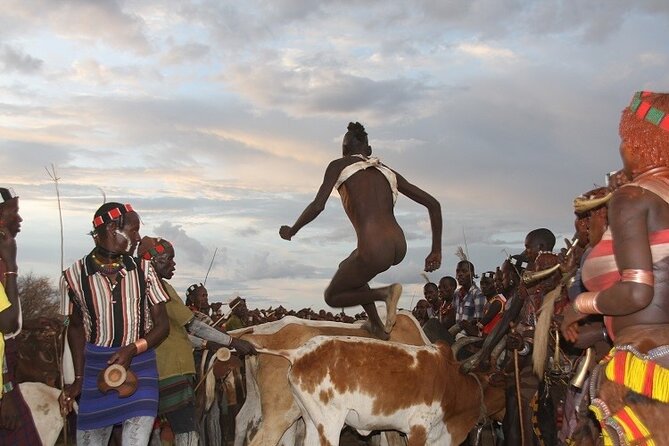
Turmi is known for traditional events, including Hamer marriage celebrations. If your dates happen to match one, you might see bull jumping and related customs. This is one of the most memorable possibilities on the route, but it is important to keep expectations sensible.
A ceremony is not a scheduled theater show. It may not happen during your visit, and the afternoon excursion toward Omorate can be canceled if a bull jumping event takes place. That tradeoff makes sense: a real ceremony is usually more valuable than forcing the published plan, but you need to accept that the day may change.
I like this flexibility. It suggests the operator is willing to give priority to an important local event rather than ticking off stops for the sake of a timetable. At the same time, it means you should not book this trip with a rigid list of guaranteed sights.
Day two: the long road to Omorate and the Dassanech
Day two is the longest, with an excursion to Omorate, about 70 kilometers each way from Turmi. The drive takes you toward the Dassanech, a community associated with a nomadic way of life and distinctive body decoration and scarification.
This is where the tour becomes especially demanding. A 140-kilometer round trip in the South Omo region is not the same as a short highway outing. You should be prepared for a long day in the air-conditioned vehicle, with the quality of the road and the pace of local visits shaping the schedule.
One special part of the Omorate visit is crossing the Omo River in a dugout canoe. The river views offer a change from the road and provide a physical sense of the region’s geography. The canoe crossing is included in the description of the excursion, but the exact conditions and timing may depend on the local situation.
The Dassanech are known for nomadic traditions and personal decoration. As with the Hamer visit, it is worth looking beyond the visual details. Ask your guide about how families live, how movement affects work and schooling, and what the decorations mean. The information provided for this tour does not promise a formal workshop or meal, so you should view the visit as a guided community encounter rather than a packaged cultural demonstration.
After the Omorate excursion, you drive to Jinka for the night. This late transfer adds to the day’s fatigue. The upside is that it positions you for the Mursi visit on day three. The downside is that you may have little energy left for anything beyond dinner and sleep, and dinner is not included in the stated package.
More history-first tours:
- Day Trip From Addis Ababa See Historical Monastery,Stunning Nature,Animals,Birds
★ 5.0 · 303 reviews - Hidden Treasures of Addis Ababa – Food, Culture and History Tour
★ 5.0 · 57 reviews - Northern Ethiopia Historic Route
★ 5.0 · 12 reviews - 5 Days Tour to World Heritage–listed Harrar, Dire Dawa and Awash NATIONAL PARK
★ 4.5 · 10 reviews
Day three: Mago National Park and the Mursi village
The final morning takes you by road through Mago National Park to a Mursi village. This segment lasts about four hours and includes the park admission fee.
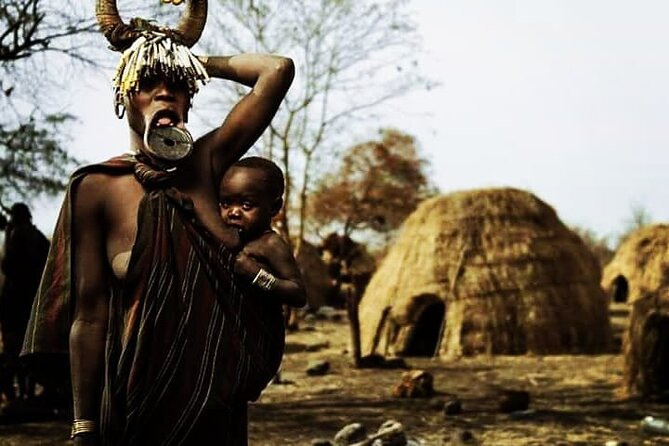
The Mursi are widely known for lower-lip and earlobe plates. These are among the most recognizable cultural features in South Omo, but they should not be reduced to a quick portrait opportunity. Their meaning belongs to Mursi society, and your guide’s explanation matters. Keep your attention on the people and their community, not only on the most visually striking details.
The park drive adds natural scenery to a trip otherwise centered on cultural visits. The tour does not promise wildlife sightings, hiking, or a dedicated nature walk, so I would not book it as a national park safari. Mago is part of the route and gives context to the setting, but the principal purpose is reaching the Mursi community.
After the village visit, you return to Jinka for the flight back to Addis Ababa. The tour ends at Bole Addis Ababa International Airport. Check your onward flight timing carefully, since the schedule includes a road transfer, a flight, and possible delays in a remote region.
What the $700 price really covers
At $700 per person, this is a premium short tour, but the price includes several costly pieces: the flight between Addis Ababa and Jinka, an air-conditioned vehicle, accommodation with breakfast, an English-speaking guide, all listed fees and taxes, and park admission.
The small group limit also matters. A maximum of six people can mean more space in the vehicle, easier communication with the guide, and less crowding during community visits. Group discounts are offered, so the per-person value may improve if you are traveling with companions.
The price does not include lunch, dinner, or tips. Budget for those separately. One booking account praised the way accommodation, meals, and transport were arranged, but the formal inclusions specify breakfast only. I would ask Liyu Ethiopia Tours to clarify exactly which meals are covered before paying.
You are also paying for access and coordination in a remote area. Arranging the flight, vehicle, driver, guide, park entry, village visits, and overnight stay independently could be difficult, especially if you do not speak local languages or know the roads. The value is strongest for you if you want a short, organized trip and do not want to manage each moving part yourself.
The guide and vehicle can make or break the trip

A good guide is not an optional extra in South Omo. You need someone who can explain customs, help with respectful interaction, manage timing, and adjust the plan when ceremonies or local conditions change.
Tariku is specifically praised for taking care of the group, while driver Sitotaw is also remembered for responsible service. Those details matter on a trip with long road sections and early connections. Personal care becomes more important when you are spending hours in a vehicle, crossing the Omo River, and moving between communities in a tight schedule.
The vehicle is air-conditioned, a practical inclusion in a hot region with long drives. The group maximum is six, but the exact number on your departure is not stated. If you want the smallest possible group, ask before booking rather than assuming you will travel alone or with only one other person.
Timing, comfort, and what to pack
The itinerary is short but intense. Day one combines a flight, a road transfer, and cultural visits. Day two is an eight-hour outing. Day three includes a four-hour drive through Mago National Park before the flight back to Addis Ababa.
I would pack light, bring water, and keep essential items in a small day bag. You should also plan for sun, dust, long periods in the vehicle, and limited time to rest. The tour does not list special equipment, meals beyond breakfast, or accessibility arrangements.
Most people can participate according to the supplied information, but the schedule still demands reasonable stamina. You should be comfortable with long drives, a full day of movement, and a dugout canoe crossing. If you have mobility concerns, ask the operator directly before booking because no detailed accessibility information is provided.
Photography deserves care. The tour description emphasizes body decoration, jewelry, scarification, and lip and earlobe plates, but it does not state whether village photography fees are included. Ask your guide about permission and any local charges. A photograph should never become more important than the person in it.
How the cancellation terms affect your plans
You can cancel for a full refund if you do so at least 24 hours before the start time. Changes made within 24 hours are not accepted, and cancellations inside that period are not refunded.
Weather and minimum group size can also affect departure. If poor weather causes cancellation, you should be offered another date or a full refund. If the minimum number of participants is not reached, the operator offers another date or experience, or a full refund.
Because the route depends on flights and remote roads, avoid scheduling an important international connection immediately after the tour unless you have a generous buffer. The official end point is Bole Addis Ababa International Airport, but a stated airport ending does not remove the risk of transport delays.
Who should choose this South Omo tour?
I would recommend it to you if you have only three days, want to see several major communities, prefer a planned route, and value a small group. It also suits people who want an English-speaking guide and airport-to-airport arrangements rather than a self-directed trip.
You should think twice if you dislike long drives, need a relaxed pace, or want guaranteed access to a ceremony. The Hamer bull jumping event is a possibility, not a promise. The trip also presents difficult cultural subjects, including ritual scarification and whipping, so you should arrive ready to listen and observe with respect.
Families and older visitors may find the compact format helpful, but the road time and canoe crossing still deserve careful thought. The information says most people can participate, yet it does not provide detailed accessibility guidance.
Should you book the 3-Day Cultural Tour in South Omo Valley?
Book it if you want a strong first look at South Omo and accept that the schedule will be fast. The combination of Hamer, Dassanech, and Mursi visits, the Mago National Park route, the Omo River crossing, and the chance of a real Hamer ceremony gives the tour plenty of substance for three days.
Before booking, confirm the meal arrangement, exact flight times, village photography rules, and whether the ceremony or canoe crossing is expected on your date. If you can handle the long second day and the $700 price, Liyu Ethiopia Tours offers a practical way to reach a remote part of Ethiopia with a guide and driver handling the hard logistics.
FAQ
Where does the tour begin?
The tour begins at Bole Addis Ababa International Airport in Addis Ababa, Ethiopia.
Where does the tour end?
The tour ends at Bole Addis Ababa International Airport. The stated ending point is Addis Ababa Bole Airport.
What time does the tour start?
The listed start time is 9:00 a.m.
How long does the experience last?
The tour lasts approximately three days.
How many people can join the tour?
The tour has a maximum group size of six people.
Is pickup available?
Yes. Pickup is offered, and the stated meeting point is Bole Addis Ababa International Airport.
What is included in the price?
The price includes an air-conditioned vehicle, all fees and taxes, accommodation with breakfast, and an English-speaking guide.
Are lunch and dinner included?
No. Lunch and dinner are listed as excluded. Tips are also not included.
Can I cancel for a full refund?
Yes, if you cancel at least 24 hours before the experience start time. Cancellations made less than 24 hours before the start time are not refunded.
More three-day trips
- 3 Day Danakil Depression Ertale and Dallol Tours
★ 5.0 · 44 reviews - 3 Days Dankile Depression group Tours
★ 5.0 · 40 reviews - 2-Night 3-Day Danakil Depression Tour without Flights
★ 4.8 · 31 reviews - Trekking at Bale Mountains 3 Days
★ 5.0 · 28 reviews
Just added around Addis Ababa
- 10 Days in Northern Ethiopia Tours★ 4.5 · 3 reviews
- Two days Lake Wenchi and Menagesha Forest★ 5.0 · 3 reviews
- Day Trip to Tiya UNESCO Site & Melka Kunture Archaeological Site★ 4.5 · 3 reviews
- 6 days 5 nights Addis Abeba sightseeing & Lalibela Rock-Hewn Churches★ 5.0 · 3 reviews
- Addis Ababa Half Day Shopping Tour★ 5.0 · 3 reviews
- 6 days Omo valley cultural Tour★ 5.0 · 3 reviews
- 12- Day Historical Route of Ethiopia★ 5.0 · 3 reviews
- Addis Ababa City Tour★ 4.5 · 3 reviews
Omo Valley Tribal Tours, compared.

6 Days Omo Valley Tribes Tours From Addis Ababa
Read our review →
Lalibela, Axum, Danakil and Omo Valley 8 DAYS
Read our review →
Danakil Depression, Lalibela, Omo Valley and Simien Mountains
Read our review →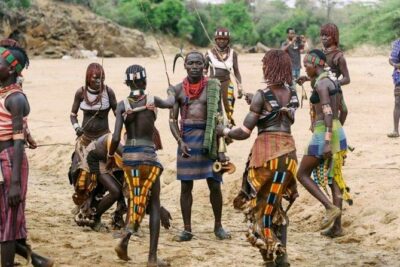



9 Days Tours To Danakil Depression, Simen MNP, Lalibela With Omo Valley Tribes
Read our review →Browse the lists this tour appears in