
Reviewed · OMO VALLEY TRIBAL TOURS
South Omo Valley Tribes 8 Days Tour Package
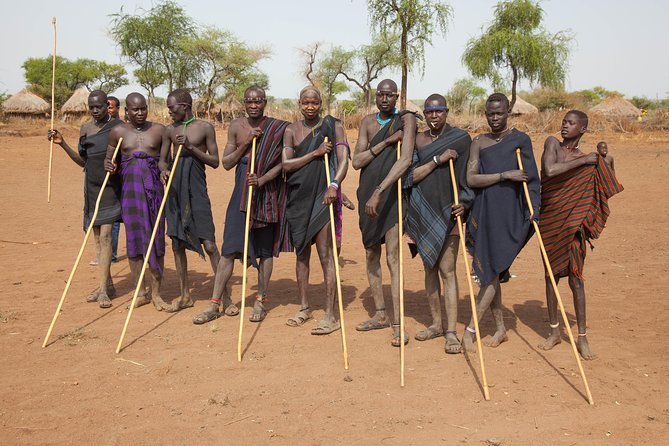
Africa gets wonderfully real here. This eight-day private journey links Addis Ababa with the remote South Omo Valley, where the Mursi, Hamer, Karo, Dorze, Konso, and Dasenech cultures each offer a different view of Ethiopian life. You travel by road through the Great Rift Valley, with long drives, simple accommodation, changing scenery, and local guides along the way.
I like the remarkable cultural range packed into one route, from Dorze weaving and Konso stone villages to Karo body painting and the Mursi lip-plate tradition. I also like the chance to meet communities in ordinary settings, including weekly markets and fishing areas, rather than seeing only museums. The main drawback is the pace: this is a serious road trip of roughly 2,200 kilometers, and some days involve many hours in the vehicle over basic routes.
In This Review
- Key points to know before booking
- What this South Omo journey is really like
- Day 1: Addis Ababa, Lucy, and Ethiopia’s many cultures
- Day 2: Tiya, Dorze homes, and the road to Arbaminch
- Day 3: Nechisar National Park and the lakes near Arbaminch
- Day 4: Konso stone villages and the waga tradition
- Day 5: Karo body painting along the Omo River
- Day 6: Mursi communities and Key Afer market
- Day 7: Hawassa, Abijatta-Shalla, and Rift Valley wildlife
- Day 8: Lake Hawassa fishing market, Shashemene, and Wendo Genet
- Guides, flexibility, and private touring
- Is $1,890.54 good value?
- Who should book this tour?
- Should you book the South Omo Valley Tribes tour?
- FAQ
- How long is the South Omo Valley Tribes tour?
- Is airport pickup included?
- Is this a private tour?
- What meals are included?
- Is bottled water included?
- Are flights included in the price?
- What fitness level is required?
- Can I cancel for a full refund?
Key points to know before booking
- Dorze villages sit high in the Gughe Mountains, with views toward Lakes Abaya and Chamo and famous beehive-shaped homes.
- The South Omo section is genuinely basic, so you need patience with long drives, simple facilities, and changing road conditions.
- Karo, Mursi, Hamer, Konso, and Dasenech communities each have distinct customs, making this more than a single-tribe visit.
- Haile and Danny receive especially strong praise for clear communication, cultural knowledge, flexibility, and personal care.
- Wildlife and birds add variety, with Nechisar National Park, Lake Chamo, Abijatta-Shalla, Lake Hawassa, pelicans, flamingoes, and ostriches on the route.
- The $1,890.54 price includes meals, transport, water, guides, and entrance fees, but flights, drinks, tips, and camera charges cost extra.
What this South Omo journey is really like
This is not a polished resort holiday. It is an overland trip into one of Ethiopia’s least modernized regions, with culture as the main attraction and the road itself part of the experience.
You start and finish in Addis Ababa, using an air-conditioned vehicle with an English-speaking guide and local guides at the cultural sites. The tour is private, so only your own group participates. That matters here. The route can be adjusted when circumstances allow, and one past solo participant particularly valued the freedom to change the plan.
The package includes seven breakfasts, eight lunches, eight dinners, two liters of bottled water per person per day, entrance fees, taxes, and driver allowance. Those inclusions make the price easier to understand. You are not simply paying for sightseeing stops. You are paying for a vehicle, a driver, regional guides, meals, and a difficult multi-day route across southern Ethiopia.
Still, you should not expect luxury. Accommodation is described in the feedback as fine rather than lavish, with at least one property offering air-conditioning. The basic conditions are part of the deal, not an unfortunate surprise.
More Omo Valley tours:
- 6 Days Omo Valley Tribes Tours From Addis Ababa
★ 5.0 · 33 reviews - 3 Days Omo Valley Tour
★ 5.0 · 24 reviews - Danakil Depression, Lalibela, Omo Valley and Simien Mountains
★ 5.0 · 23 reviews
Day 1: Addis Ababa, Lucy, and Ethiopia’s many cultures
Your arrival at Bole International Airport is covered by a pickup. A Finot Tour Ethiopia representative meets you after immigration, baggage claim, and customs, then helps with the transfer to your hotel.
The afternoon introduces Ethiopia before you head south. The Ethnological Museum presents objects, crafts, and displays connected with the country’s many ethnic groups. This is useful preparation for the days ahead because it gives you some cultural context before meeting communities in their own regions.
The National Museum adds Ethiopia’s archaeological story, including Lucy, the famous 3.2-million-year-old hominid discovered in the Afar region. Seeing Lucy is one of Addis Ababa’s essential stops, especially before a trip focused on the country’s long human story.
The day also refers to Mercato Market, though the detailed schedule centers on the two museums. Confirm the exact afternoon plan before departure. If Mercato is included, it would add a more immediate look at city life, but the museum visits are the clearest part of the program as written.
Day 2: Tiya, Dorze homes, and the road to Arbaminch
The southern drive begins early. You pass through Butajira and Hosaina, then stop at Tiya, a UNESCO-listed site known for its carved stone stelae.
This short visit breaks up the journey and adds an important archaeological layer to the trip. You then continue toward Wolayita Sodo for lunch before reaching the Arbaminch area later in the day.
The most memorable part is the climb into the Gughe Mountains to visit the Dorze people. Dorze homes are tall, rounded structures shaped like beehives. Their form is distinctive, practical, and closely linked with local building traditions.
Dorze communities are also known for fine cotton weaving. You can expect to see how local craft and daily life fit together, along with preparation of traditional food. The high elevation, about 2,600 meters, brings cooler conditions than the lowlands and gives you broad views toward Lakes Abaya and Chamo.
The day is listed at about eight hours, but road delays can affect any schedule on this route. You are covering a lot of ground, so treat the timetable as a guide rather than a promise.
Day 3: Nechisar National Park and the lakes near Arbaminch
Nechisar National Park is one of the scenic highlights of the trip. It covers about 750 square kilometers and includes parts of Lakes Abaya and Chamo, along with the mountainous area known as the Bridge of God between them.
The park is valued for its wide views, volcanic hills, water, and open plains. It is also less visited than many better-known African reserves. That gives the stop a quieter feel, although you should keep expectations realistic. This is not presented as a dedicated big-game safari, and sightings can vary.
A boat trip is part of the day’s description. Lake Chamo is especially noted for its birdlife and broad water views. After the park and lake outing, you drive toward Konso for the night.
This is another roughly six-hour day, so the combination of boat time, park roads, and onward driving makes for a full schedule. I like the change of rhythm here. After museums, villages, and mountain roads, water and wildlife give the tour a needed pause.
A few more tours of this kind worth a look:
- Full Day Tour of Addis Ababa with Hotel Pickup and Drop-off
★ 5.0 · 430 reviews - Taste of Ethiopia
★ 5.0 · 406 reviews - Day Trip From Addis Ababa See Historical Monastery,Stunning Nature,Animals,Birds
★ 5.0 · 303 reviews - Addis Ababa: Debre Libanos, Blue Nile Gorge, and Cave Tour
★ 4.5 · 256 reviews
Day 4: Konso stone villages and the waga tradition
Konso offers one of the strongest cultural visits on the route. Traditional villages are built on hilltops and protected by high stone walls. Inside, compounds are arranged around a social structure that has adapted to a dry and demanding environment.
Terraced fields spread beyond the settlements. The stonework and farming systems show how carefully the Konso shaped their surroundings over time. The area is recognized as a World Heritage site for its cultural value.
You will also hear about waga, carved wooden figures made to honor warrior heroes who killed an enemy or a dangerous animal. These sculptures are connected with funerary customs and community memory. A local guide is important here because the meaning behind the structures is not always obvious from simply walking through a village.
The description places a Dasenech Village stop on this day, although the detailed explanation focuses on Konso. The next day also uses that same stop label while describing the Karo area. Ask Finot Tour Ethiopia to confirm the exact village names and overnight locations before you set out. The cultural route is clear, but some itinerary labels appear inconsistent.
Day 5: Karo body painting along the Omo River
The Karo live along the eastern bank of the Omo River. Their farming system relies on planting after the river’s seasonal flooding, with maize, sorghum, and beans among the main crops.
Karo body and face painting is one of the most striking cultural features of this visit. White chalk may be mixed with yellow rock, red iron ore, and charcoal to create different colors. Paint can be used for ceremonies and personal decoration, while clay hair designs and occasional face masks add to the visual character.
The Karo keep relatively few cattle because tsetse flies make livestock raising difficult. That detail helps explain how environment shapes local life. This is not simply an opportunity to take photographs of unusual decoration. It is a chance to see how farming, ceremony, clothing, and geography connect.
You should approach all tribal visits with respect. Ask before taking photographs, listen to your guide, and remember that people are not performing a museum display for you. The tour includes local guides, which should help with introductions and customs, but good manners remain your responsibility.
Day 6: Mursi communities and Key Afer market
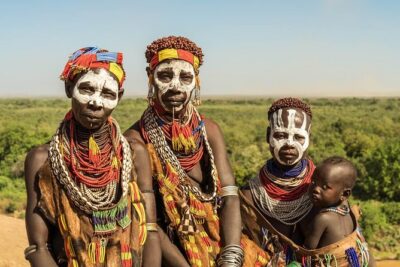
The journey from Jinka to a Mursi village brings you into one of the best-known cultural areas in the Omo region. Mursi women are widely associated with the practice of wearing circular clay plates in stretched lower lips after reaching maturity.
This custom often becomes the only thing outsiders know about the Mursi. A good guide can help you see beyond the image and explain the wider culture, clothing, social life, and relationship with the environment. As always, ask about photography and avoid treating personal appearance as a novelty.
The day also includes Key Afer Tribal Market, described as one of the best weekly markets in the valley. Several ethnic groups come into town, and the market includes animals, vegetables, cereals, and other everyday goods.
Markets are valuable because they show practical contact between communities. You are not only looking at ceremonial dress. You may see buying, selling, food production, and movement between rural areas. The stop is listed as a short six-minute attraction entry, but the wider day includes the Mursi visit and market excursion, so the schedule itself suggests a much longer outing.
The itinerary names the Konso Cultural Centre and mentions returning to Koso for the night. Because the wording is not fully consistent, confirm whether the overnight stop is Konso, Koso, or another nearby town. That small check could prevent confusion after a long day.
Day 7: Hawassa, Abijatta-Shalla, and Rift Valley wildlife
After the intensity of the Omo Valley, you begin the long return north toward Hawassa. The route includes Abijatta-Shalla National Park, about 200 kilometers south of Addis Ababa.
The park contains Lakes Abijatta and Shalla and is particularly noted for aquatic birds. Great white pelicans and greater and lesser flamingoes are among the species you may see. The area also supports ostrich farming, warthogs, and gazelles.
This stop broadens the trip beyond tribal culture. You get another look at the Rift Valley, this time through lakes, birds, and mammals. The plan also refers to hot springs and other southern lakes, though the exact timing of each visit is not stated.
Hawassa provides a useful change of base before the final return to Addis Ababa. The road day is substantial, so be ready for another early start and plenty of time in the vehicle.
Day 8: Lake Hawassa fishing market, Shashemene, and Wendo Genet
The final morning begins at Amora Gedel, the daily fishing market on the shore of Lake Hawassa. Pelicans, storks, and other birds are accustomed to people in this area, allowing you to see them at close range.
It is a lively final glimpse of daily work rather than a formal attraction. The fishing market also gives the journey a satisfying local finish, connecting the lakes, food, and communities you have seen throughout the trip.
The road then continues to Shashemene, where you visit a Rastafarian community. The town was given to the Rastafarian community by Emperor Haile Selassie I. This is a distinctive part of the route and adds a modern cultural chapter to a tour otherwise centered on long-established southern societies.
Before returning to Addis Ababa, you stop at Wendo Genet Spa for a thermal bath and time to relax. After many hours on the road, this is a sensible final pause. The day ends with a traditional Ethiopian buffet dinner and local drinks in Addis Ababa.
Guides, flexibility, and private touring
The strongest praise is directed at the guides. Haile is repeatedly credited with clear communication, strong knowledge of Ethiopian culture and nature, good humor, and a willingness to help with the smallest practical matters. Danny is also praised for explaining the cultures and natural areas during a trip covering about 2,200 kilometers.
That personal element matters in South Omo. You need someone who can explain customs without reducing them to oddities, manage a long road schedule, and adjust when the route requires it. Haile is also described as flexible enough to change the route for a solo participant, though you should not assume every change is possible.
The tour is private, not a shared bus departure. That gives you more control over stops and conversation, but it also means the price is based on a more personal arrangement rather than a large group cost.
Is $1,890.54 good value?
For eight days, the price is substantial, but the inclusions are broad. You receive private transport, an air-conditioned vehicle, an English-speaking guide, local guide fees, meals every day, bottled water, entrance fees, taxes, and driver allowance.
The biggest value is the logistics. South Omo is remote, the driving is extensive, and arranging local guides and park visits independently would take time and coordination. If you want one company to connect Addis Ababa, the Rift Valley, Konso, Jinka, the Omo communities, Hawassa, and the return route, this package offers practical convenience.
The price does not include international or domestic flights, alcoholic drinks, tips, telephone calls, laundry, personal spending, or video and camera fees where charged. Build those costs into your budget. Also ask exactly which hotels and lodges are planned, since comfort varies and basic conditions are part of the experience.
Who should book this tour?
You should consider it if you want cultural contact, remote roads, and a broad look at southern Ethiopia in one private trip. It suits people with moderate physical fitness who can handle early starts, long drives, simple accommodation, and a schedule that changes with local conditions.
I would be cautious if you want short transfers, polished hotels, a relaxed pace, or guaranteed wildlife sightings. This is a demanding route, and the main rewards come from people, place, and cultural variety rather than comfort.
Finot Tour Ethiopia offers free cancellation up to 24 hours before the start time for a full refund. Changes or cancellations within 24 hours are not accepted for a refund. Pickup is offered, the meeting time is 7:00 am, and confirmation is provided when you book.
Should you book the South Omo Valley Tribes tour?
I would book this tour if South Omo is your main reason for visiting Ethiopia and you prefer a private route with guides handling the difficult planning. The combination of Dorze homes, Konso terraces, Karo painting, Mursi culture, Key Afer Market, national parks, Lake Hawassa, and Shashemene gives you far more range than a short tribal excursion.
Before paying, confirm the daily driving times, exact hotels, the boat trip, camera charges, and the unclear village and overnight labels. If you accept basic conditions and approach the communities respectfully, this can be an unforgettable introduction to one of Africa’s most unusual cultural regions.
FAQ
How long is the South Omo Valley Tribes tour?
The tour lasts approximately eight days, beginning in Addis Ababa and returning there on the final day.
Is airport pickup included?
Yes. Pickup is offered, and a Finot Tour Ethiopia representative meets you at Bole International Airport after you clear immigration, collect baggage, and pass customs.
Is this a private tour?
Yes. Only your own group participates in this private activity.
What meals are included?
The package includes seven breakfasts, eight lunches, and eight dinners.
Is bottled water included?
Yes. Each passenger receives two liters of bottled water per day.
Are flights included in the price?
No. International and domestic flights are not included.
What fitness level is required?
A moderate physical fitness level is recommended.
Can I cancel for a full refund?
Yes, if you cancel at least 24 hours before the experience start time. Cancellations or changes made within 24 hours are not accepted for a refund.
Just added around Addis Ababa
- 10 Days in Northern Ethiopia Tours★ 4.5 · 3 reviews
- Day Trip to Tiya UNESCO Site & Melka Kunture Archaeological Site★ 4.5 · 3 reviews
- Two days Lake Wenchi and Menagesha Forest★ 5.0 · 3 reviews
- Addis Ababa Half Day Shopping Tour★ 5.0 · 3 reviews
- 6 days 5 nights Addis Abeba sightseeing & Lalibela Rock-Hewn Churches★ 5.0 · 3 reviews
- 12- Day Historical Route of Ethiopia★ 5.0 · 3 reviews
- 6 days Omo valley cultural Tour★ 5.0 · 3 reviews
- Addis Ababa at a Glance★ 5.0 · 3 reviews
Omo Valley Tribal Tours, compared.

6 Days Omo Valley Tribes Tours From Addis Ababa
Read our review →
Lalibela, Axum, Danakil and Omo Valley 8 DAYS
Read our review →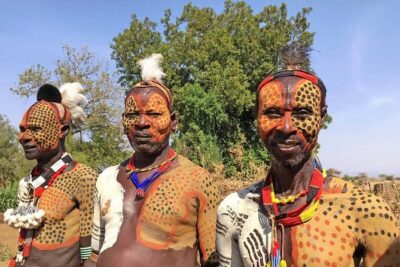
Danakil Depression, Lalibela, Omo Valley and Simien Mountains
Read our review →


9 Days Tours To Danakil Depression, Simen MNP, Lalibela With Omo Valley Tribes
Read our review →Browse the lists this tour appears in