
Reviewed · OMO VALLEY TRIBAL TOURS
Photography Expeditions to Omo Valley
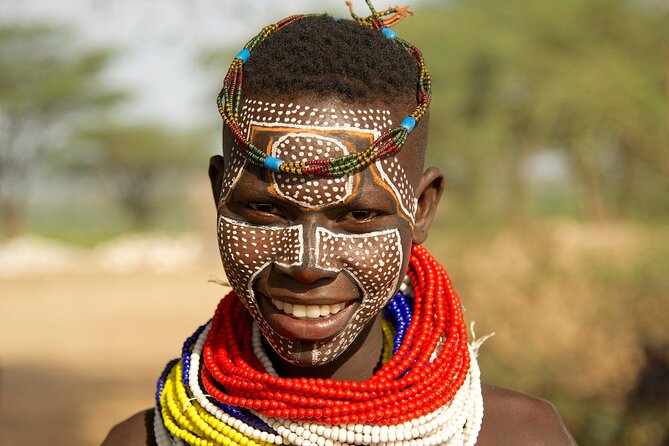
Faces tell the story here. Southern Ethiopia’s Omo Valley packs at least 30 distinct ethnolinguistic groups into a relatively small area, each with its own clothing, body decoration, language, and customs. I like the private format for up to seven people, and I like that the price includes flights within Ethiopia, meals, village entrance fees, and photography fees. The main drawback is the pace: six days covers a lot of ground, with several long drives and early starts.
I also like the way this trip reaches beyond the most famous Omo Valley images. You visit the Mursi, Hamer, Karo, and Dassanech communities, then finish with crocodiles and birds at Lake Chamo and the woven-cloth traditions of Dorze. The route is rewarding, but it is not a soft adventure. Roads, heat, changing plans, and long transfers are part of the bargain.
In This Review
- Key points to know before booking
- Why the Omo Valley makes such a strong subject
- Day 1: Addis Ababa to Jinka and Ari village
- Day 2: Mursi portraits and the road to Turmi
- Day 3: Karo body paint at Korcho
- Day 4: Crossing the Omo River to Dassanech country
- Day 5: From Turmi to Arba Minch and Lake Chamo
- Day 6: Dorze homes, weaving, and the flight home
- What the $3,312.83 group price really buys
- The practical tradeoffs you should consider
- Who will enjoy this tour most
- Should you book Photography Expeditions to Omo Valley?
- FAQ
- Where does the tour start?
- Where does the tour end?
- How long does the experience last?
- How many people can join the private tour?
- Are domestic flights included?
- Are meals included?
- Are village entrance fees included?
- Is a photography fee included?
- What is not included?
- Can I cancel for a full refund?
Key points to know before booking
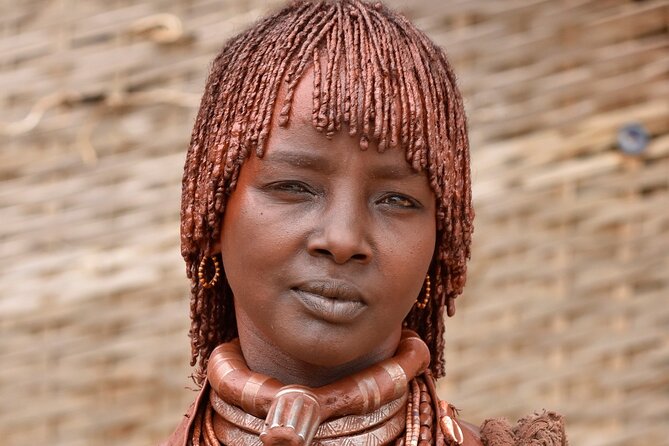
- Six days, four major cultural groups: The route includes Mursi, Hamer, Karo, and Dassanech communities, each known for different artistic and cultural traditions.
- A real photography focus: Photography fees and village entrance costs are included, making the tour more useful for serious image-making than a standard sightseeing trip.
- Private travel for up to seven people: Your group travels together rather than joining a large coach, which gives the schedule more flexibility.
- Domestic flights save valuable time: You fly between Addis Ababa, Jinka, Arba Minch, and Addis Ababa, avoiding an even longer overland journey.
- Wildlife joins the cultural itinerary: Lake Chamo brings crocodiles, hippos, African fish eagles, flamingos, herons, storks, and kingfishers into the picture.
- The price covers the basics: At $3,312.83 per group of up to seven, the package includes an air-conditioned vehicle, five breakfasts, five lunches, five dinners, village access, and photography fees.
Why the Omo Valley makes such a strong subject
The Omo Valley is not simply a place to collect dramatic portraits. It is a region where cultural identity can be seen in body paint, hairstyles, clothing, scarification, clay lip plates, feathers, and headdresses. The customs described for the area have changed little until recently, although outside influence is now reaching communities that have lived in relative isolation for generations.
That makes the trip visually powerful, but it also gives the photography a serious context. You are not just looking for unusual faces or striking decoration. You are seeing people whose customs help define who they are, while those same customs face pressure from a changing world.
The private format matters here. With a maximum of seven people, the group should be easier to manage around village visits and photography sessions than a large bus tour. It also gives your guide more room to adjust the day when roads, ceremonies, or local plans shift. One particularly positive account describes the operation as flexible when logistical problems appeared, with the group changing plans without losing the trip’s momentum.
Ethiopian Photography Tours is the provider, and Mulugeta appears in the feedback as a key contact who helped organize a visit from Spain over several months. Another account refers to traveling with Mulle and Captain. The names suggest a small team with personal involvement rather than a faceless booking operation, though exact guide assignments can vary.
More Omo Valley tours:
- 6 Days Omo Valley Tribes Tours From Addis Ababa
★ 5.0 · 33 reviews - 3 Days Omo Valley Tour
★ 5.0 · 24 reviews - Danakil Depression, Lalibela, Omo Valley and Simien Mountains
★ 5.0 · 23 reviews
Day 1: Addis Ababa to Jinka and Ari village
After airport pickup, the first day gives you an option in Addis Ababa: visit the National Museum or explore the open market known as Merkato. This is a useful choice because it lets you shape the opening hours around your arrival time and interests.
The National Museum offers a more structured introduction to Ethiopia, while Merkato gives you a livelier urban setting for street photography and daily life. The tour description does not specify how long you have at either stop, so treat this as a flexible preflight option rather than a full Addis Ababa sightseeing day.
Later, you fly from Addis Ababa to Jinka. After meeting the driver at the airport, you continue to an Ari village. The Ari are one of the communities of the southern region, and this first visit gives you an early look at village life before the more demanding days begin.
The listed activity time is about four hours, and admission is free. Since the day includes a flight and airport transfer, do not expect a leisurely arrival followed by a long, unhurried village session. Keep your camera gear accessible and your plans loose.
Day 2: Mursi portraits and the road to Turmi
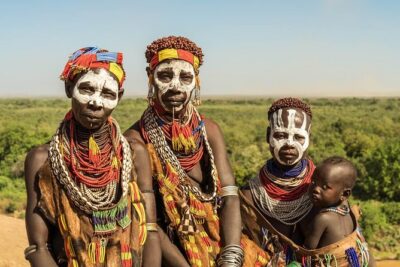
Day two begins early with a drive toward Mago National Park and the Mursi highlands. The Mursi are widely known for the clay lip plates worn by some women. These plates have become one of the most recognizable images associated with the Omo Valley, but the visit deserves more attention than a quick photo stop.
The tour is built around photographing Mursi culture and traditions. The lip plates are part of a wider set of customs and personal presentation, so take time to look at clothing, adornment, hairstyles, and the setting around each portrait. The photography fee is included, which is an important detail for anyone planning a serious image-making trip.
You return to Jinka for lunch, then continue by road through the Omo Valley toward Turmi. The route passes through Dimeka, with a possible stop at Alduba market before reaching the Hamer area. The day is listed at about seven hours, making it one of the longest and most tiring sections.
The reward is variety. You may photograph a market, roadside scenes, village life, and Hamer traditions in the same day. The cost is time in the vehicle. If you dislike long road transfers, this itinerary will test your patience. If you want broad coverage of the region in less than a week, the driving is part of what makes the route possible.
Day 3: Karo body paint at Korcho
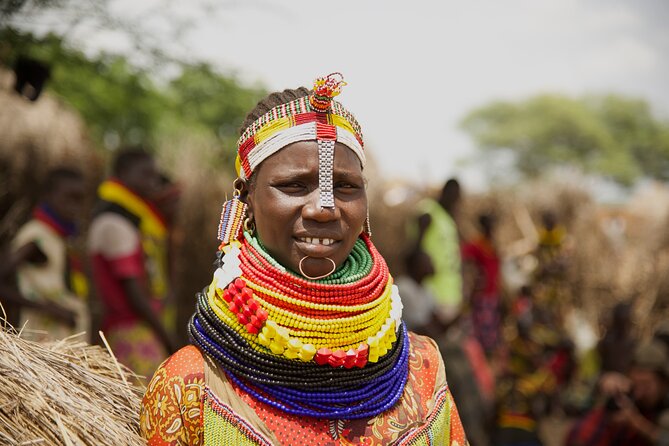
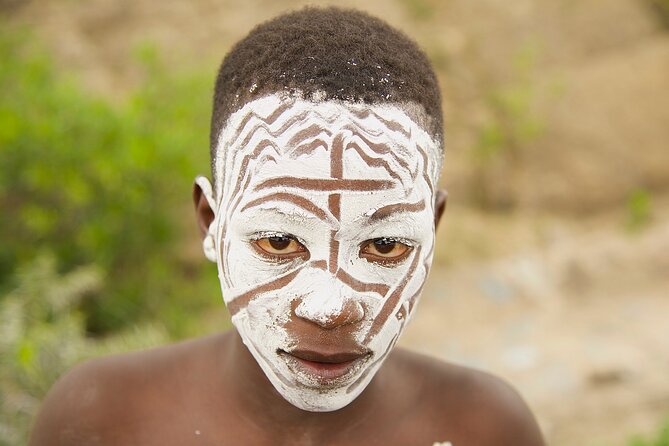
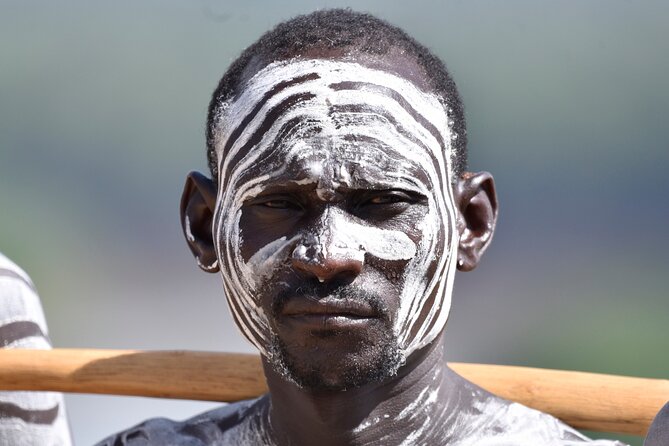
The third morning is dedicated to the Karo community at Korcho. The Karo are known for body painting, using clay and locally available vegetable pigments to create patterns on faces, chests, arms, and legs.
The description explains that these designs are made for aesthetic effect and enjoyment rather than for a fixed symbolic meaning. That detail helps you understand what you are seeing. The paint is not merely a costume for the camera. It is a creative practice, with people competing to produce eye-catching patterns.
Karo men may also shave and shape their hair into elaborate forms, sometimes adding ochre caps and ostrich feathers. For a photographer, this is a day built around detail: lines of paint, texture, feathers, hair, hands, and expressions.
The visit lasts about four hours and includes admission. Later, back in Turmi, there may be a chance to photograph a bull-jumping rehearsal or ceremony. The wording matters: this is a possibility, not a guaranteed event. You should book the tour for the wider cultural program, not for a promise of a specific ceremony on a particular date.
More photo sessions:
- 9 days Omo Valley Tribes and Photography Tour
★ 5.0 · 4 reviews
Day 4: Crossing the Omo River to Dassanech country
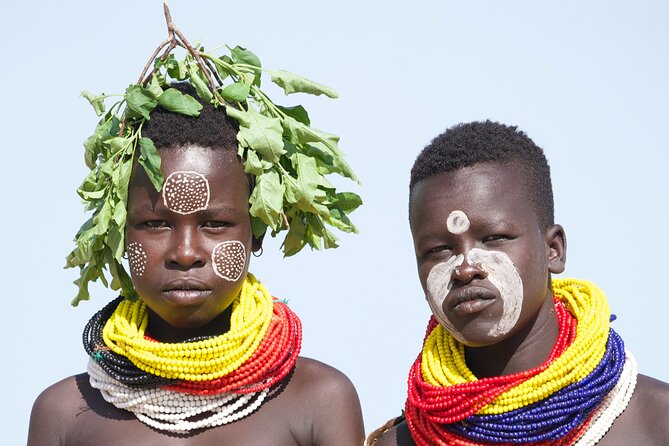
Day four starts early again. You drive to the edge of the Omo River, then cross by canoe to a village of the Dassanech tribe. The Dassanech are semi-nomadic, with clans extending across Sudan, Kenya, and southern Ethiopia. Their distinctive hair buns provide another strong visual thread for photography.
This is a different kind of outing from the Mursi and Karo visits. The river crossing adds a clear sense of place, while the Dassanech connection across national borders shows how modern boundaries do not always match older clan territories.
After photographing the community, you return to Turmi. The afternoon is left for rest or for photography in and around town. That pause is welcome after several early mornings and long road days. You can use it to sort files, clean equipment, recharge batteries, or simply sit out the hottest part of the day.
The listed duration is about four hours, with no admission fee specified. Because the crossing is by canoe, conditions may affect the timing. The tour does not give details about the canoe arrangement, so ask the operator what equipment and payment arrangements apply before departure.
Day 5: From Turmi to Arba Minch and Lake Chamo
The fifth day shifts the focus from cultural photography to wildlife. You drive to Arba Minch, then take a boat trip on Lake Chamo after 3 p.m. The lake is known for large crocodiles, which can often be seen resting along the northern shore.
Hippos and aquatic birds add more variety. The listed bird possibilities include African fish eagles, flamingos, herons, storks, and kingfishers. For a wildlife photographer, this is a useful change of pace after several days of portraits and village scenes.
The four-hour activity window does not include every detail of the road transfer from Turmi, so expect a substantial travel day. The late afternoon boat timing should provide a more suitable period for photography than the harsh middle of the day, but exact sightings cannot be guaranteed.
This stop also broadens the appeal of the tour. You do not need to be focused only on people and culture to enjoy the itinerary. The combination of wildlife, water, and bird photography gives you a second subject area before the final mountain villages.
Day 6: Dorze homes, weaving, and the flight home
On the final morning, you drive about 40 kilometers northwest of Arba Minch into the Guge Mountains to visit Dorze and Chencha villages. The Dorze were once warriors and now earn a living through farming and weaving. Their cotton cloth is one of the best-known local crafts included in this route.
The Dorze homes are a highlight. They are shaped like beehives and built entirely from organic material, with small gardens around them growing spices, cabbage, and tobacco. This visit offers a useful contrast to the portrait-focused stops earlier in the week. You can photograph architecture, gardens, weaving, and mountain village life in one setting.
After lunch, you transfer to Arba Minch Airport and fly back to Addis Ababa. Arrival is expected in the late afternoon, followed by a hotel room for day use so you can wash and change before continuing your onward plans.
That day-use room is a thoughtful practical touch. After six days of heat, dust, road travel, and early starts, a shower before an international flight or evening in Addis Ababa is worth real money. The timing still depends on flights and local conditions, so do not schedule an unmissable connection too tightly.
What the $3,312.83 group price really buys
The quoted price is $3,312.83 per group, with up to seven people. Divided among seven, that is roughly $473 per person before any personal costs. The actual per-person value changes sharply if you book with fewer people, so a full small group gets the best deal.
The package includes:
- An air-conditioned vehicle
- Village entrance fees
- Photography fees
- Five breakfasts
- Five lunches
- Five dinners
It also includes the domestic flights described in the route, although you should confirm the exact flight arrangements when booking. International airfare, visa costs, personal expenses, tips, and alcohol are not included.
For a private six-day itinerary covering Addis Ababa, Jinka, Mago National Park, Turmi, Omorate, Arba Minch, Lake Chamo, and the Guge Mountains, the price can make sense for a small group. The included meals and access fees reduce the number of small payments you need to handle along the way.
The value is strongest for photographers who would otherwise need to arrange local access, drivers, domestic flights, village fees, and a custom route separately. It is less compelling if you are a budget visitor who simply wants a quick look at southern Ethiopia and does not plan to use the photography focus.
The practical tradeoffs you should consider
This is a private activity, and most people can participate. Pickup is offered from Bole in Addis Ababa, and the tour ends back at the meeting point after the return to the capital.
The pace is the main issue. The route includes several early mornings, four to eight hours of scheduled activity on individual days, domestic flights, and long drives between communities. You will see a great deal, but you will not have unlimited time in every village.
The photography focus also requires patience and judgment. The tour includes photography fees, which is helpful, but the material does not specify how long each portrait session lasts or how permissions are handled in every community. Ask those questions before booking so your expectations match the operator’s approach.
The itinerary can also change. One strong account praised the company’s ability to adjust when logistical problems appeared. That flexibility is useful in southern Ethiopia, but it means you should avoid treating every stop and ceremony as fixed.
Free cancellation is available if you cancel at least 24 hours before the start time. Cancellations inside that window are not refunded, and changes are not accepted within 24 hours. If the minimum number of people is not reached and the company cancels, you receive another option or a full refund.
Who will enjoy this tour most
I would recommend this trip most strongly to photographers who want cultural portraits, local architecture, body decoration, wildlife, and birds in one compact program. It also suits small groups of friends who value a private vehicle and a guide-led route rather than arranging every transfer themselves.
You should be comfortable with early starts and long road days. The schedule is not designed for a slow resort holiday, and the best parts of the Omo Valley are reached by moving between widely separated communities.
The tour may also suit first-time visitors to Ethiopia who want support with a complex southern route. The positive comments emphasize planning help, airport transfers, communication before arrival, and the company’s ability to adapt. Mulugeta is specifically praised for helping organize a trip over the months before arrival, which is reassuring if you prefer advance contact with the operator.
Should you book Photography Expeditions to Omo Valley?
Book it if your priority is a focused, private introduction to southern Ethiopia with photography fees, domestic flights, meals, and access costs bundled together. The cultural range is impressive, and the final wildlife and Dorze visits prevent the itinerary from becoming a single repeated portrait exercise.
Think twice if you want lots of free time, guaranteed ceremonies, or a relaxed road schedule. You should also confirm flight times, accommodation details, canoe arrangements, and the operator’s photography expectations before paying.
For a group of up to seven, the price offers a practical way to share the cost of a difficult route. For a solo visitor or a pair, it becomes a much more expensive private trip. The best booking decision depends on your group size and your willingness to trade comfort and spare time for access to one of Ethiopia’s most unusual regions.
FAQ
Where does the tour start?
The tour starts in Bole, Addis Ababa, Ethiopia, with pickup offered.
Where does the tour end?
The activity ends back at the meeting point in Addis Ababa after the return from the southern route.
How long does the experience last?
The tour lasts approximately six days.
How many people can join the private tour?
The price is for a private group of up to seven people.
Are domestic flights included?
The itinerary includes flights from Addis Ababa to Jinka and from Arba Minch back to Addis Ababa. Confirm the exact flight arrangements with the provider before booking.
Are meals included?
Five breakfasts, five lunches, and five dinners are included.
Are village entrance fees included?
Yes. Village entrance fees are included in the tour price.
Is a photography fee included?
Yes. A photography fee is included.
What is not included?
Visa fees, international flights, personal expenses, tips, and alcohol are not included.
Can I cancel for a full refund?
Yes, if you cancel at least 24 hours before the experience start time. Cancellations or changes made less than 24 hours before the start time are not accepted for a refund.
Just added around Addis Ababa
- 10 Days in Northern Ethiopia Tours★ 4.5 · 3 reviews
- Day Trip to Tiya UNESCO Site & Melka Kunture Archaeological Site★ 4.5 · 3 reviews
- Two days Lake Wenchi and Menagesha Forest★ 5.0 · 3 reviews
- 6 days 5 nights Addis Abeba sightseeing & Lalibela Rock-Hewn Churches★ 5.0 · 3 reviews
- Addis Ababa Half Day Shopping Tour★ 5.0 · 3 reviews
- 6 days Omo valley cultural Tour★ 5.0 · 3 reviews
- 12- Day Historical Route of Ethiopia★ 5.0 · 3 reviews
- Addis Ababa City Tour★ 4.5 · 3 reviews
Omo Valley Tribal Tours, compared.
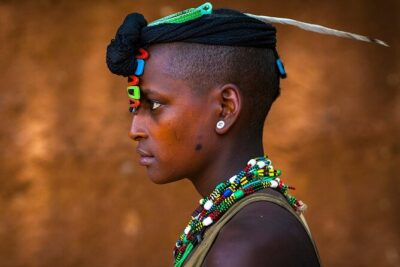
6 Days Omo Valley Tribes Tours From Addis Ababa
Read our review →
Lalibela, Axum, Danakil and Omo Valley 8 DAYS
Read our review →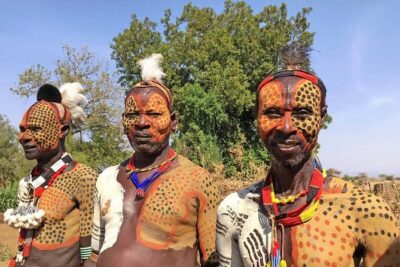
Danakil Depression, Lalibela, Omo Valley and Simien Mountains
Read our review →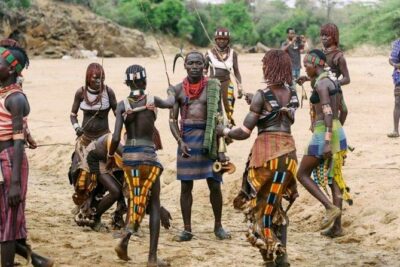

9 Days Tours To Danakil Depression, Simen MNP, Lalibela With Omo Valley Tribes
Read our review →Browse the lists this tour appears in