
Reviewed · OMO VALLEY TRIBAL TOURS
Ethiopian Fasika with North And South Omo Valley Tour Packages
Ethiopia celebrates Easter differently. Fasika is the heart of this 15-day journey, combining Orthodox Easter ceremonies in Lalibela with rock-hewn churches, mountain scenery, national parks, and visits to several communities in the Omo Valley. You move from the sacred highlands to the far south, with Addis Ababa, Axum, Gondar, Bahir Dar, Awassa, Arba Minch, Turmi, Omorate, Jinka, and Welayta Sodo along the way.
I like the way this tour joins major religious celebrations with Ethiopia’s best-known cultural and historical sights. I also like its range: you may attend a Fasika ceremony in Lalibela, visit the Mursi and Dassanech communities, see pottery and weaving in an Ari village, and finish with a traditional dinner and coffee ceremony in Addis Ababa. The main consideration is the pace. Long road journeys, highland visits, rougher southern routes, and a moderate fitness requirement make this better for an active person than for someone wanting an easy holiday.
In This Review
- Key points to know before booking
- Why Fasika makes this Ethiopia tour different
- Addis Ababa and the start at Bole Airport
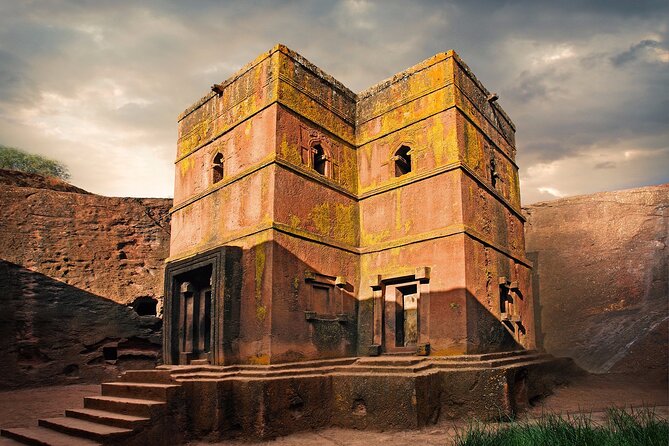
- Lalibela and an Easter night in the rock churches
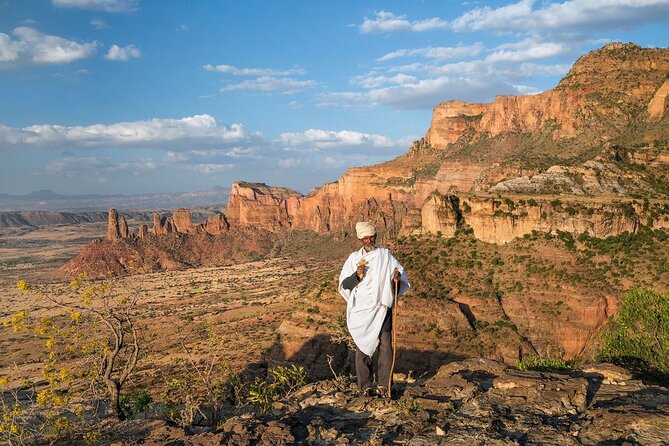
- Axum’s monuments and the Simien Mountains
- Bahir Dar, Awassa, and Arba Minch
- Turmi and the Hamer, Benna, and Tsemay communities
- Omorate, Dassanech, and the road to Jinka
- Ari pottery and weaving before the return north
- Tiya, Adadi Maryam, and the final Ethiopian evening
- What the $1,371.91 price covers
- Physical demands, clothing, and practical planning
- Who should book this Fasika journey?
- Should you book it?
- FAQ
- Where does the tour start?
- How long is the tour?
- Is this a private tour?
- What meals are included?
- Is vegetarian food available?
- What level of fitness is needed?
- What is the cancellation policy?
Key points to know before booking
- Fasika in Lalibela: You visit an Easter market and witness an important evening ceremony at Bete Medhanialem during Ethiopia’s most important Christian festival.
- A north-to-south route: The journey links Lalibela, Axum, the Simien Mountains, Gondar, Bahir Dar, and the Omo Valley in one extended trip.
- Authentic cultural encounters: The southern section includes visits to Benna, Tsemay, Hamer, Dassanech, Mursi, and Ari communities.
- Private touring: Only your group participates, with pickup from Bole Airport and the option of a multilingual guide.
- Meals are included: Accommodation, breakfast, buffet lunch, and buffet dinner are covered, while alcoholic drinks cost extra.
- A demanding schedule: The tour operates in all weather and asks for moderate physical fitness, with several long driving days.
Why Fasika makes this Ethiopia tour different
Fasika is not simply a decorative Easter holiday. For Ethiopian Orthodox Christians, it follows a 55-day fasting period during which meat, milk, and eggs are not eaten. The week before Easter, known as HeMamat, focuses on the suffering and pain of Jesus. The mood is serious, with people avoiding laughter, joking, kissing, and other forms of light entertainment.
That solemn period gives the Easter night in Lalibela added weight. You are not just arriving for a staged performance. You are reaching one of Ethiopia’s most important religious centers at the end of a long period of observance.
A week after Easter comes Dagme Tinsae, which celebrates the ascension of Jesus. The schedule places the main Easter events near the middle of the journey, but the supplied program does not clearly show how long you remain for the later celebration. Ask for exact dates and ceremony times before paying, since Fasika changes according to the Ethiopian calendar and show availability must be confirmed after booking.
More Omo Valley tours:
- 6 Days Omo Valley Tribes Tours From Addis Ababa
★ 5.0 · 33 reviews - 3 Days Omo Valley Tour
★ 5.0 · 24 reviews - Danakil Depression, Lalibela, Omo Valley and Simien Mountains
★ 5.0 · 23 reviews
Addis Ababa and the start at Bole Airport
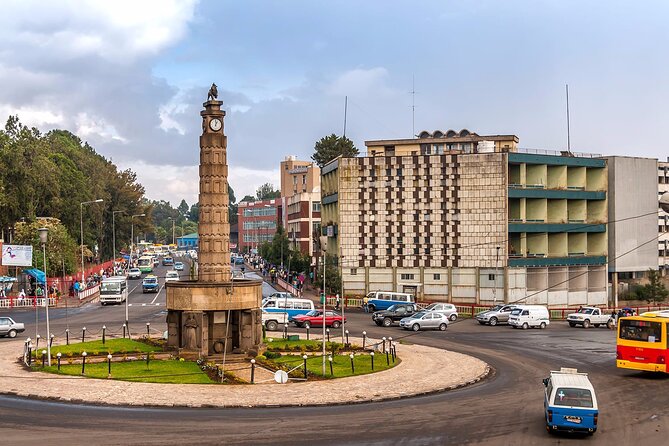
The tour begins at Bole Airport at 7:00 am. Arrival day is intentionally simple: a roughly 10-minute transfer brings you to your hotel, giving you time to settle in after the flight.
The final evening in Addis Ababa is more substantial. You attend a folkloric dinner with several national dishes, dances from different Ethiopian ethnic groups, and a traditional coffee ceremony. This is a good ending because the southern and northern portions of the trip can feel very separate. The dinner brings those threads together in one place.
The schedule also says you are transferred to the airport later that evening for departure. Check your flight time carefully. The program describes a 15-day tour, but the day-by-day description runs from Day 1 through Day 13, so you should ask the operator to confirm the missing days and the exact departure plan.
Lalibela and an Easter night in the rock churches
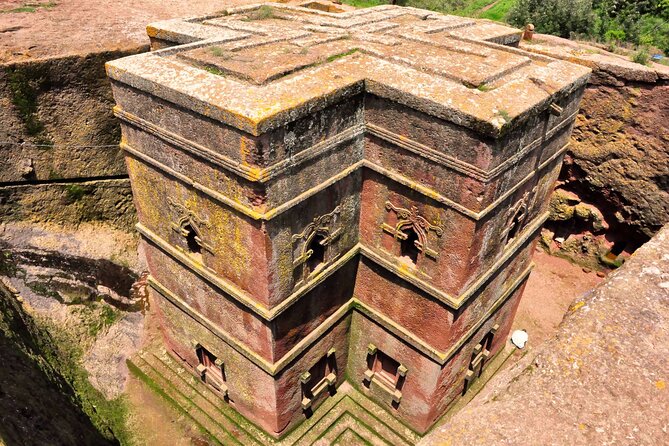
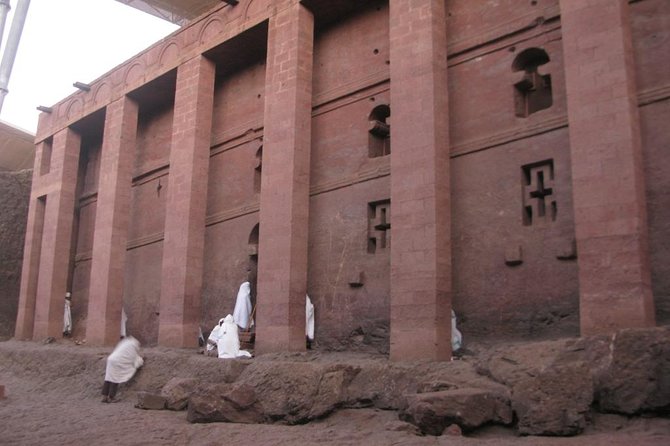
Lalibela is the spiritual center of the tour. The churches carved into the rock are the reason many people come to Ethiopia, and the Fasika timing gives the visit a special purpose beyond sightseeing.
On the first full day in the area, you continue exploring churches associated with King Lalibela. The next day combines more church visits with an Easter market in the afternoon. Markets are often where a festival feels most connected to ordinary life, giving you a chance to see food, clothing, household goods, and religious activity gathered in one place.
The evening ceremony takes place at Bete Medhanialem, described as one of the largest rock-hewn churches in Lalibela. Expect a religious service rather than a polished stage show. Dress formally, as requested by the tour conditions, and bring clothing suitable for cool highland weather and a long evening outside or around stone churches.
This part of the tour is likely to be the emotional high point. The drawback is that the program does not specify the length of the ceremony, how close you can stand, or how much of the service is explained in English. A multilingual guide may be used, but ask about language support if that matters to you.
Axum’s monuments and the Simien Mountains
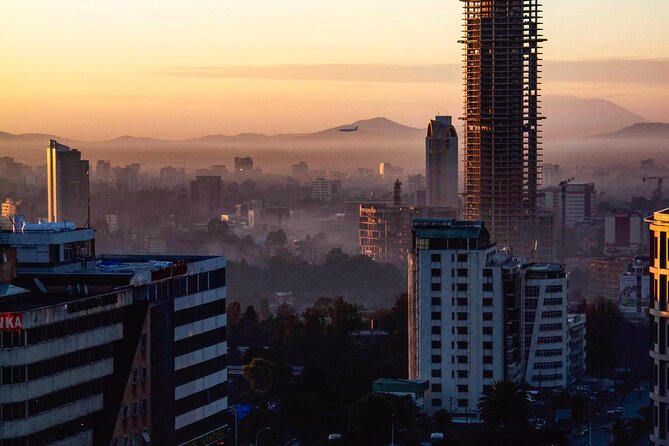
After Lalibela, the route continues to Axum, known here for its mysterious monoliths. The stop gives the tour a different historical mood. Lalibela is about sacred stone churches, while Axum focuses on tall carved monuments and the older foundations of Ethiopian civilization.
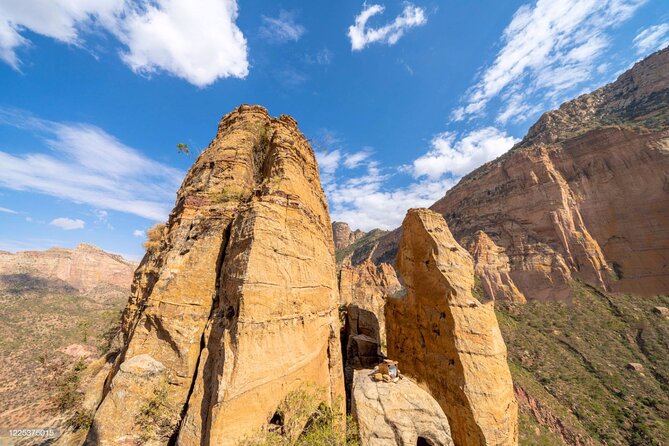
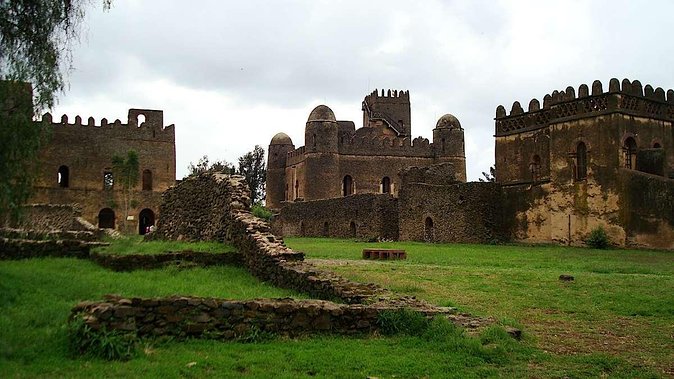
The next portion reaches the Simien Mountains. The schedule then moves from Debarq to Gondar, called the Camelot of Africa. This is a scenic change after the churches and monuments, but it is also one of the tour’s more physically demanding sections. You should be ready for road time, mountain conditions, and changing temperatures.
The program provides fewer details about exactly which Simien viewpoints or walks are included. That matters because a short roadside stop and a proper mountain excursion are very different experiences. Ask how much walking is planned and whether the route changes with weather.
Gondar gives the northern section another strong cultural stop. Its nickname hints at royal associations, and the town helps connect the religious sites in Lalibela and Axum with Ethiopia’s later imperial story. After Gondar, the schedule goes through Bahir Dar before returning to Addis Ababa.
A few more tours of this kind worth a look:
- Full Day Tour of Addis Ababa with Hotel Pickup and Drop-off
★ 5.0 · 430 reviews - Taste of Ethiopia
★ 5.0 · 406 reviews - Day Trip From Addis Ababa See Historical Monastery,Stunning Nature,Animals,Birds
★ 5.0 · 303 reviews - Addis Ababa: Debre Libanos, Blue Nile Gorge, and Cave Tour
★ 4.5 · 256 reviews
Bahir Dar, Awassa, and Arba Minch
The northern portion ends with the Bahir Dar to Addis Ababa transfer. This is a long change of region, and the schedule does not spell out sightseeing in Bahir Dar. If you want a specific visit there, ask before departure rather than assuming the transfer includes one.
From Addis Ababa, the route turns south to Awassa, then Arba Minch. These stops act as bridges between the northern highlands and the Omo Valley. Arba Minch includes a safari at Lake Chamo and visits connected with Nech Sar National Park.
The supplied details do not promise a particular animal sighting or boat ride, so keep expectations sensible. The value here is the chance to add a national park setting to a tour already full of churches and cultural visits. You also get a break from the religious focus before the more concentrated tribal visits farther south.
Turmi and the Hamer, Benna, and Tsemay communities
The drive from Arba Minch to Turmi includes a visit to Konso and views of Benna and Tsemay villages. Konso is listed as a stop on the way, though the exact length of the visit is not given. Again, confirm whether this means a guided village visit, a short roadside stop, or both.
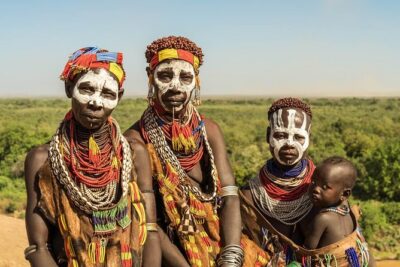
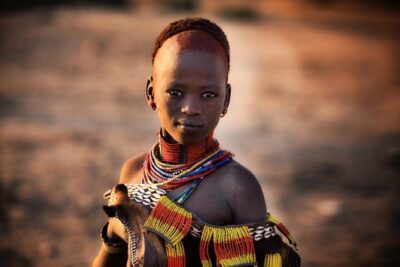
Turmi is the base for visiting the Hamer community, with overnight accommodation at Turmi Lodge. The route also includes villages connected with the Benna and Tsemay people. This is one of the tour’s most distinctive sections, but it requires sensitivity.
You are entering communities with their own customs, clothing, work, and family life. Ask your guide before taking photographs, and treat each visit as a meeting with people rather than a display arranged for cameras. The tour’s value rises when you listen, ask respectful questions, and allow the guide to explain local context.
The southern roads can be tiring. Turmi is far from Addis Ababa, and the schedule places several major visits close together. If you dislike long drives, this is the point where the trip may feel less like a holiday and more like an expedition.
Omorate, Dassanech, and the road to Jinka
From Turmi, you make an excursion to Omorate to visit the Dassanech people, described as the people of the Delta. The community lives on the northern shore of Lake Turkana, placing this visit in a very different setting from the Christian highlands.
The tour returns to Jinka for lunch, then continues to a Mursi village before returning to Jinka for the night at a resort. This is an ambitious day. It includes a long excursion, a community visit, lunch, another drive, and a second cultural visit.
The Mursi visit is likely to be memorable because it presents customs and visual traditions that are very different from those in northern Ethiopia. It can also feel intense if you are not prepared for the pace of organized cultural touring. Listen to your guide about appropriate behavior and photography, and remember that a short visit cannot explain every part of a community’s life.
The description uses the phrase Mursi tribes, but I would encourage you to learn and use the names of the communities respectfully. A good guide can help you understand the differences between the groups instead of treating the entire Omo Valley as one culture.
Ari pottery and weaving before the return north
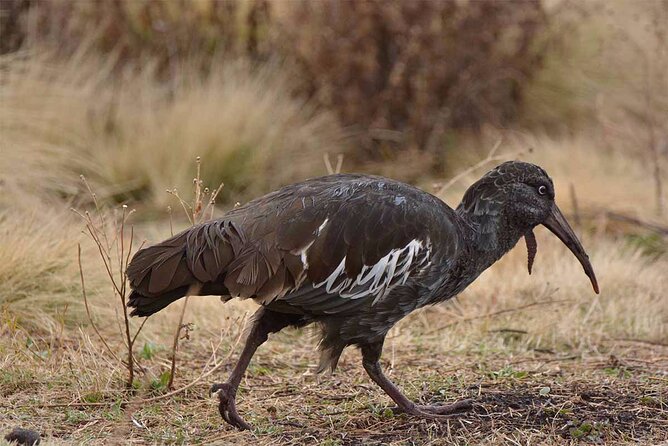
The morning in Jinka includes a visit to Ari villages, where you can see pottery making and weaving. This is one of the most practical cultural stops in the program. You are not only looking at clothing or finished objects; you are seeing how useful goods are produced.
This visit also gives the schedule a calmer rhythm after the long Omorate and Mursi day. The program then moves to Welayta Sodo for dinner and an overnight stay. The drive continues the return toward Addis Ababa, so this is still a transit day as much as a sightseeing day.
The itinerary does not state whether pottery or textiles can be purchased. If you hope to buy something directly from makers, ask the guide about appropriate payment and transport of purchases. Do not assume that every demonstration is a shopping stop.
Tiya, Adadi Maryam, and the final Ethiopian evening
The return drive to Addis Ababa includes Tiya, a UNESCO site known for its stelae. This adds another kind of monument to the trip, after Axum’s monoliths and Lalibela’s churches.
The route then visits Adadi Maryam, a rock-hewn church associated with St. Lalibela. Its inclusion is useful because it gives you one final connection to the sacred architecture seen earlier in the journey, but in a different setting.
The tour ends with the folkloric dinner, national dishes, ethnic dances, and coffee ceremony. Vegetarian food is available if requested at booking, and you should provide any other dietary needs at that time. Alcoholic drinks are not included but can be bought separately.
What the $1,371.91 price covers
At $1,371.91 per person, the price has real value if you want a private, multi-region journey with accommodation and meals arranged in advance. It covers accommodation according to the program, breakfast, buffet lunch, and buffet dinner. Pickup is offered, and group discounts may reduce the cost for a larger private party.
The value comes from the range of places linked together. Booking separate transport, hotels, guides, and cultural visits across northern and southern Ethiopia would take considerable work. The tour also removes much of the daily planning burden.
Still, the price does not include departure tax or alcoholic drinks. The departure tax is paid at tour check-in and may be required by the local supplier, transit authority, or governing authority. The exact hotel list is not provided here, so ask for names and room standards before booking if accommodation quality is central to your decision.
A private tour can also be good value for families or friends who want control over the pace. It does not automatically mean a slow pace, though. This program covers a great deal of ground.
Physical demands, clothing, and practical planning
You need moderate physical fitness. The tour operates in all weather, and the route includes mountain areas, church visits, national parks, village walks, and extended road journeys.
Formal dress is requested. For church visits, choose clothing that covers shoulders and knees, and bring layers for the highlands. In the south, light clothing may be comfortable, but the conditions can change, so practical sun and rain protection is sensible.
The tour is private, but the guide may be multilingual. Ask which language will be used for your group and how much explanation will be provided at religious ceremonies and community visits.
Confirmation is provided at booking. Shows cannot be checked for availability until a booking is made, and credit cards are charged only after show availability is confirmed. You can cancel for a full refund up to 24 hours before the start time. A minimum number of participants is required, and if the operator cancels for that reason, you are offered another date or experience, or a full refund.
Who should book this Fasika journey?
You should consider it if you want Ethiopia in broad strokes rather than a single-city break. It suits someone interested in Orthodox Christianity, ancient monuments, mountain scenery, national parks, food, coffee, and southern cultural traditions all at once.
It also suits families and private groups. The child rate applies only when a child shares with two paying adults, so families should ask for the exact calculation before booking.
I would be cautious if you need a clearly paced schedule, short transfers, or detailed hotel information before committing. The religious ceremonies may be lengthy, and the southern route is demanding. The day count also needs clarification because the program says approximately 15 days while the listed schedule ends at Day 13.
Should you book it?
Book this tour if Fasika in Lalibela is your main reason for visiting Ethiopia and you want to add the country’s best-known northern and southern sights in one private trip. The combination of church ceremonies, Axum, Simien, Gondar, Lake Chamo, Tiya, and Omo Valley communities is unusually broad.
Before you pay, confirm the complete 15-day schedule, hotel names, exact Easter dates, ceremony arrangements, guide language, and the amount of driving each day. If those details suit you, this is a strong choice for an active person who values cultural range over an easy pace. Amanuel is identified with the tour arrangements, and the overall planning is designed to connect many difficult-to-arrange destinations into one route.
FAQ
Where does the tour start?
The tour starts at Bole Airport in Addis Ababa, Ethiopia. The stated start time is 7:00 am.
How long is the tour?
The tour is advertised as approximately 15 days. The supplied day-by-day schedule runs from Day 1 through Day 13, so confirm the complete duration and missing days with the operator.
Is this a private tour?
Yes. Only your group participates in the activity.
What meals are included?
Accommodation, breakfast, buffet lunch, and buffet dinner are included. Alcoholic drinks are not included but are available to purchase.
Is vegetarian food available?
Yes. A vegetarian option is available, but you must request it when booking. You should also provide any other dietary requirements at that time.
What level of fitness is needed?
A moderate level of physical fitness is recommended. The tour operates in all weather and includes mountain areas, church visits, national parks, village visits, and long drives.
What is the cancellation policy?
You can cancel up to 24 hours before the experience start time for a full refund. Cancellations or changes made less than 24 hours in advance are not accepted for a refund.
Just added around Addis Ababa
- 10 Days in Northern Ethiopia Tours★ 4.5 · 3 reviews
- Day Trip to Tiya UNESCO Site & Melka Kunture Archaeological Site★ 4.5 · 3 reviews
- Two days Lake Wenchi and Menagesha Forest★ 5.0 · 3 reviews
- 6 days 5 nights Addis Abeba sightseeing & Lalibela Rock-Hewn Churches★ 5.0 · 3 reviews
- Addis Ababa Half Day Shopping Tour★ 5.0 · 3 reviews
- 6 days Omo valley cultural Tour★ 5.0 · 3 reviews
- 12- Day Historical Route of Ethiopia★ 5.0 · 3 reviews
- Northern Ethiopia (Historic route)★ 5.0 · 3 reviews
Omo Valley Tribal Tours, compared.
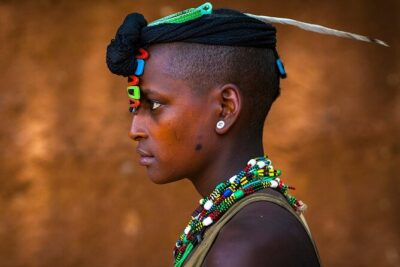
6 Days Omo Valley Tribes Tours From Addis Ababa
Read our review →
Lalibela, Axum, Danakil and Omo Valley 8 DAYS
Read our review →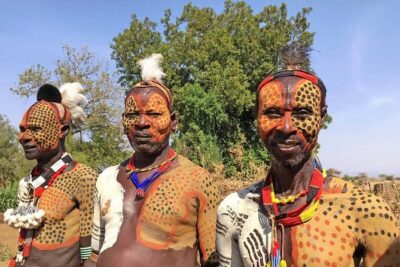
Danakil Depression, Lalibela, Omo Valley and Simien Mountains
Read our review →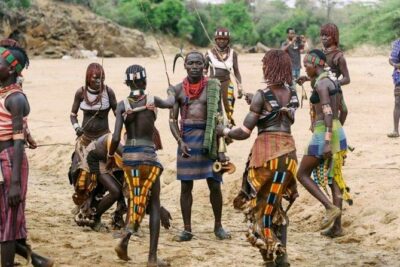

9 Days Tours To Danakil Depression, Simen MNP, Lalibela With Omo Valley Tribes
Read our review →Browse the lists this tour appears in