

Reviewed · MARKETS
Addis Ababa +Mount Entoto View Point,Museums Palace Market Tours
Addis Ababa reveals itself from the hills. This half-day outing combines wide city views from Mount Entoto with churches, royal history, museums, markets, monuments, coffee, and honey. I like the way it covers several sides of the capital in four to six hours, and I especially like the mix of major sights and ordinary shopping at Shiro Meda Market. The main drawback is that the schedule is ambitious, so some stops are brief and the Entoto Park entrance fee costs extra.
Guide Yonas receives repeated praise for his friendly manner, strong knowledge of Ethiopian history, and ability to adjust the day to suit a visitor’s interests. Pickup and drop-off, an air-conditioned vehicle, attraction fees, and WiFi are included, which makes the $65.55 price fair for a short stay or airport stopover. Just remember that lunch, tips, alcohol, and the $9 Entoto Park fee are not included.
In This Review
- Five useful things to know before booking
- Why this Addis Ababa route works well
- Mount Entoto at 3,200 meters
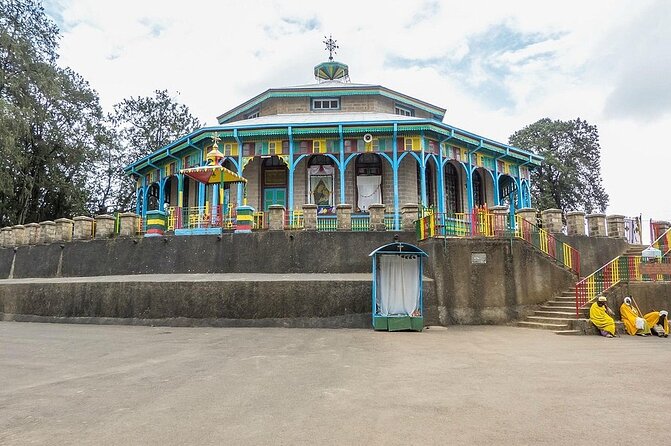
- Menelik II’s palace and Saint Mary’s church
- Shiro Meda Market and Ethiopian textiles
- Lunch and a taste of Addis Ababa
- Lucy at the National Museum of Ethiopia
- Monuments that explain modern Ethiopia
- Tomoca Coffee and Safi Honey
- What the $65.55 price really covers
- Who should book this Addis Ababa tour?
- FAQ
- How long does the Addis Ababa and Mount Entoto tour last?
- What is the price per person?
- Is hotel or airport pickup available?
- Is lunch included?
- Is the Entoto Park entrance fee included?
- Are Menelik Palace and Saint Mary’s church included?
- Is admission to the National Museum included?
- What can you buy at Shiro Meda Market?
- Can you buy Ethiopian coffee during the tour?
- How many people can join the tour?
- Can you cancel for a full refund?
- Should you book it?
Five useful things to know before booking
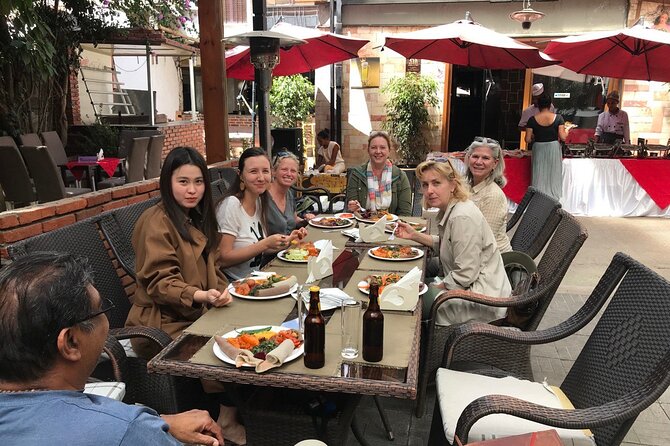
- Mount Entoto reaches about 3,200 meters, giving you a cool highland setting and broad views over Addis Ababa when skies are clear.
- Menelik II’s palace and museum explain how the emperor used Entoto as his base while founding the modern capital.
- Shiro Meda Market is a practical shopping stop, especially for handwoven cotton clothing, scarves, tablecloths, jewelry, and small gifts.
- The National Museum includes Lucy, the famous 3.5-million-year-old Australopithecus afarensis fossil known in Amharic as Dinkinesh.
- Tomoca Coffee adds a distinctly Ethiopian finish, with roasted Yirgacheffe coffee and beans or ground coffee available to take home.
- The route works well for a short visit, but the number of stops means you should not expect long, quiet visits at every site.
Why this Addis Ababa route works well
This is not simply a mountain viewpoint trip. It is a compact introduction to Addis Ababa, moving from highland forest and imperial history to archaeology, modern political memory, local shopping, and food culture.
That range gives the experience real value. You can see where Menelik II established his headquarters, learn about human origins, pause at monuments linked to Ethiopia’s difficult twentieth century, and finish with coffee, a drink that has been part of Ethiopian culture for centuries.
The tour lasts about four to six hours. That timing depends on traffic, the order of stops, and how much time you spend shopping or eating. Addis Ababa traffic can affect any city tour, so treat the schedule as a guide rather than a stopwatch.
The vehicle is air-conditioned, and pickup is offered from a hotel or the airport. That matters if you have only a long layover or a short stay. One review describes airport pickup working well for a solo visitor on a tight schedule, making this a useful way to get your first look at the city without arranging several separate visits.
The group can include up to 15 people. That is small enough for a personal feel, though a full group may move more slowly at the market or museum.
More market visits:
- Ethiopian Culinary Tour – Market, Food, Coffee Ceremony & more
★ 5.0 · 65 reviews - Go wheretheLocalsgo, Eatwhat thelocalseat!open Market&More Tours
★ 5.0 · 33 reviews - Market Tour and Cooking Class with a Coffee Ceremony at a Home in Addis Ababa
★ 5.0 · 32 reviews
Mount Entoto at 3,200 meters
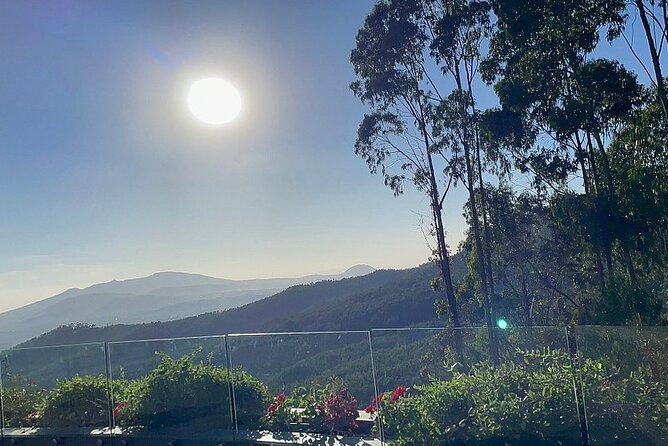
The drive uphill is part of the experience. As the road climbs, you pass homes, small settlements, and highland vegetation. Eucalyptus trees cover much of the mountain, filling the air with their sharp scent and giving Entoto its nickname as the lung of Addis Ababa.
The mountain’s elevation brings cooler air than you may expect in the capital. You may also notice the altitude more here, especially if you have just arrived in Ethiopia. Take the climb at an easy pace and bring a light layer. The information provided does not promise clear weather, and one cloudy visit during the rainy season produced limited views, though the historical stops remained worthwhile.
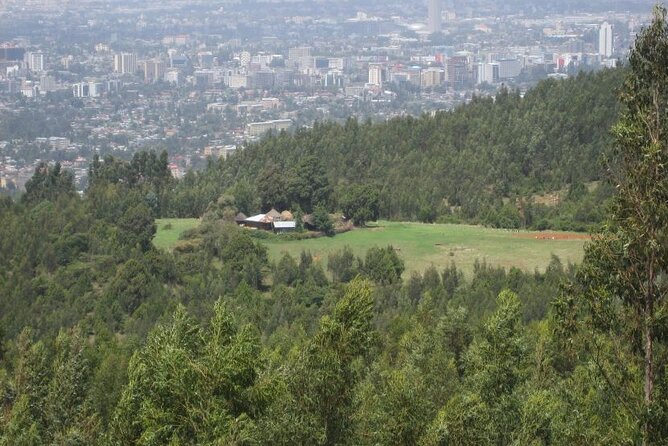
On a clear day, the viewpoint gives you a broad look across Addis Ababa and the surrounding countryside. The city spreads below in a way that helps you understand its size and setting. This is the photo stop, but it is also a useful orientation point early in your visit.
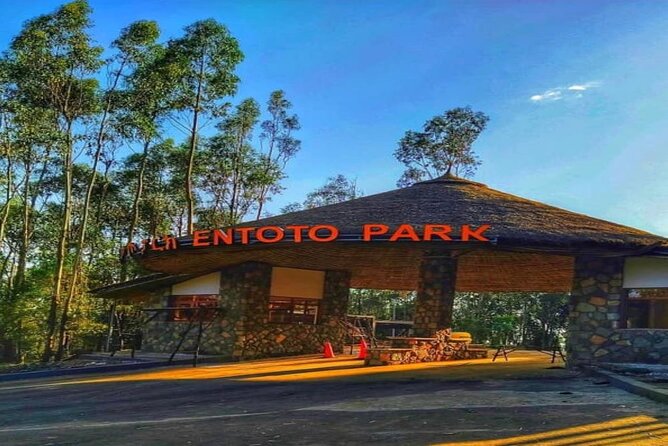
There is one cost to watch. The Entoto Park entrance fee is listed at $9 per person and is not included. The tour includes the Mount Entoto viewpoint and other attraction fees, but the park charge is separate if you choose to enter. Ask your guide to clarify the exact park access before paying.
The main viewpoint stop is listed at about 35 minutes. That is enough for the view and a short walk, but not for a long mountain outing.
Menelik II’s palace and Saint Mary’s church
Entoto is closely tied to the birth of modern Addis Ababa. Emperor Menelik II came from Ankober and used the mountain as his permanent camp and headquarters before the capital developed below.
The Menelik palace area gives you a more personal sense of that period. Rather than seeing only a statue or a name in a textbook, you can connect the emperor with the place where he lived and governed. The palace is also part of a sacred mountain that contains monasteries and important churches.
Saint Mary’s, also called Entoto Maryam Cathedral, is one of the major religious stops. The church visit includes access to the museum, and the tour price covers admission to Menelik’s palace, the Menelik Museum, and Saint Mary’s church.
The stop is scheduled for about an hour. That is one of the better time allocations on the route because the palace, museum, church, and mountain setting all deserve some attention. You should dress respectfully at religious sites and follow local instructions about photography.
Mount Entoto’s eucalyptus forest has an important practical story too. The trees were imported from Australia during Menelik II’s reign and planted mainly during Emperor Haile Selassie’s period. The forest became a source of firewood and, earlier, building material for the city. That detail helps you see the mountain as part of Addis Ababa’s daily life, not just a scenic overlook.
Shiro Meda Market and Ethiopian textiles
Shiro Meda is where the itinerary becomes more local and hands-on. Near the US Embassy, this market sells Ethiopian textiles in many forms, including handwoven cotton clothing, wedding dresses, linens, scarves, tablecloths, and bed covers.
You will also find small gifts such as T-shirts, necklaces, and earrings. The strongest reason to stop here is the textile work. Colorful embroidery and locally made cotton clothing give you something more distinctive to take home than a standard airport souvenir.
The visit lasts about 35 minutes. That is enough to browse, but it is not a leisurely market expedition. If shopping matters to you, tell the guide early and use the time wisely. Look first, compare prices, then return to the items you like.
Bargaining is expected. Keep your tone friendly and decide what an item is worth to you before making an offer. The market is a better fit for shoppers who enjoy conversation and comparison than for anyone wanting fixed prices and a quiet shop.
Because the stop focuses on local goods, stock and prices can vary. The tour does not promise a particular garment or color, so treat the market as a chance to find something appealing rather than a guaranteed place to buy a specific item.
More shopping trips:
- Addis Mercato Market
★ 5.0 · 22 reviews - Vintage Coffee Shops, Restaurants, Sightseeing in Addis Ababa
★ 5.0 · 17 reviews - Ethiopian Culinary Tour – Market, Coffee Ceremony and More
★ 5.0 · 10 reviews - Addis Ababa: Entoto hill and Mercato Market layover tour
★ 5.0 · 5 reviews
Lunch and a taste of Addis Ababa
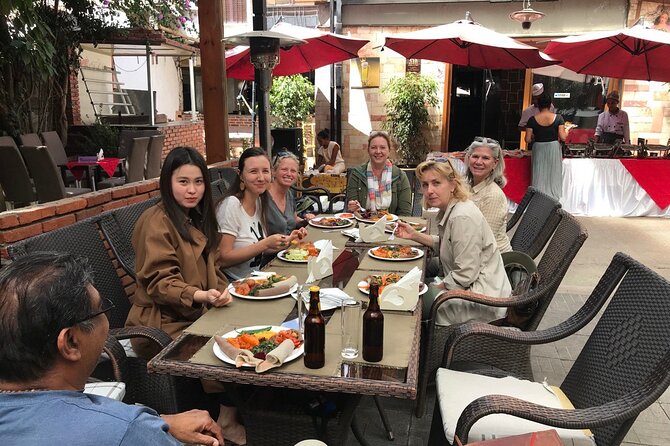
Lunch is planned at Addis Ababa Restaurant. The meal is not included in the tour price, so budget separately for it. The restaurant’s name comes from Ethiopia’s capital, and its interior uses murals and lamps decorated with Ethiopian cultural and historical themes.
The listed decorations include angels from Debre Birhan Selassie Church and an image of the Queen of Sheba with King Solomon. That makes the meal more than a simple break between sightseeing stops. It gives you another setting in which to connect food, religion, and national history.
The lunch stop is scheduled for about 45 minutes. That is a sensible amount of time for eating, but your exact experience may depend on service speed and traffic. One especially praised day included a traditional Ethiopian meal and a coffee ceremony, so ask your guide if that option is available during your visit.
The tour description does not give a fixed menu. Lunch is therefore best treated as an optional cultural stop rather than a prepaid meal with guaranteed dishes. Alcohol is also not included, though it can be purchased separately.
Lucy at the National Museum of Ethiopia
The National Museum is one of the most important stops in the city. Its archaeological collection includes Lucy, the 3.5-million-year-old fossil of Australopithecus afarensis. In the local language, she is called Dinkinesh, meaning you are wonderful.
Lucy’s discovery in 1974 changed thinking about human development. Her remains showed that an early human relative walked upright much earlier than many researchers had expected. Seeing the fossil in Addis Ababa gives the museum genuine importance, not just local interest.
The museum also contains artifacts from pre-Aksumite civilization and other periods of Ethiopian history. The tour allows about 45 minutes, which gives you time to see the main highlights. If archaeology is your main interest, you may find the visit too short for every gallery.
The museum is a strong counterpoint to Entoto. The mountain explains the founding of Addis Ababa and the imperial period, while the museum reaches much farther back, into the story of human origins and early civilizations.
Admission is included. That helps the tour’s value, since you do not have to pay separately at each major attraction.
Monuments that explain modern Ethiopia
Several quick stops focus on political memory. The Tiglachin Monument, also called the Derg Monument, commemorates Ethiopian and Cuban soldiers involved in the Ogaden War. It was built during Mengistu Haile Mariam’s rule and includes a central statue, a tall pillar, wall reliefs, and spaces showing portraits of Cuban soldiers.
Some sculptures were given by North Korea in 1984. Even a short visit can raise questions about Ethiopia’s Cold War alliances and the way governments use public monuments to tell national stories.
The Yekatit 12 monument commemorates the Italian war crime and pogrom that took place in Addis Ababa from February 19 to 21, 1937. It sits at Sidist Kilo Square, also known as Yekatit 12 Square. The memorial is an obelisk at the center of the roundabout.
These are brief photo and explanation stops rather than full museum visits. Their value depends heavily on the guide’s context. Yonas is praised for explaining Ethiopia’s past clearly and for engaging directly with visitors, which is particularly useful at monuments where a quick look alone tells you very little.
The Lion of Judah and Menelik II Square add another layer. The Lion of Judah is linked to the biblical tribe of Judah, Jesus Christ, and the Ethiopian monarchy, especially Emperor Haile Selassie. Menelik II Square features an equestrian statue of the emperor and serves as a public gathering place during religious and national holidays.
Tomoca Coffee and Safi Honey
Tomoca Coffee is one of the most appealing small stops. Ethiopia is famous for coffee, and the shop lets you smell freshly roasted Yirgacheffe beans and order coffee or a macchiato. The visit is listed at about 15 minutes.
You can also buy roasted or ground beans as a practical souvenir. Coffee is easier to pack than clothing and gives you a useful reminder of the trip once you are home.
The tour description also refers to frankincense during the Ethiopian coffee ceremony, while the dining experience may include a traditional ceremony. Ask what is planned on your particular day, since the schedule does not promise a full ceremony at every stop.
The final honey tasting at Safi Honey in Bole takes about 10 minutes. The shop is near Flamingo and in front of the Hyatt Regency Hotel. It offers different Ethiopian honey varieties, including light and stronger flavors, plus infused and raw honey products.
This is a short shopping stop, not a long tasting session. Still, it gives you another local product to consider after coffee and textiles. The stop is free to enter, but purchases are your responsibility.
What the $65.55 price really covers
At $65.55 per person, the tour offers good value if you plan to visit several of these places anyway. You receive airport or hotel pickup and drop-off, private transport by air-conditioned vehicle, a driver-guide, WiFi on board, included attraction fees for the listed sites, and taxes and handling charges.
The value is strongest for solo visitors, first-time visitors, and people with only one day or a long airport layover. Booking about 20 days ahead is the average pattern, so reserving early may be wise if your dates are fixed.
Extra costs are straightforward:
- Lunch at Addis Ababa Restaurant
- The $9 Entoto Park fee, if you enter the park
- Tips for your driver-guide
- Alcoholic drinks
- Personal shopping at Shiro Meda, Tomoca, or Safi Honey
The route includes many stops, but some last only 10 to 20 minutes. You are paying for transport, explanation, and a broad introduction rather than long visits at every location.
Who should book this Addis Ababa tour?
I would choose this tour if you want an efficient first look at Addis Ababa and prefer having transport and a guide arranged for you. It suits solo visitors, short-stay visitors, and anyone who wants history, city views, shopping, and coffee in one outing.
It is also a good match for readers who value context. The monuments and palace mean more when someone explains the people and events behind them. Yonas has been praised by name for being personable, friendly, informative, and willing to personalize the day.
I would hesitate if you want a slow museum day, extended shopping, or a long walk in the Entoto forest. The route covers a lot, and rainy or cloudy weather can reduce the mountain views. Ask about the day’s order, confirm the park fee, and say which stops matter most to you.
The activity has a five-star rating from 42 reviews and a 100 percent recommendation rate. That is a strong record, though the best choice still depends on your pace and interests.
FAQ
How long does the Addis Ababa and Mount Entoto tour last?
The experience lasts approximately four to six hours.
What is the price per person?
The listed price is $65.55 per person.
Is hotel or airport pickup available?
Yes. Pickup and drop-off are offered from hotels and the airport.
Is lunch included?
No. Lunch at Addis Ababa Restaurant is not included in the tour price.
Is the Entoto Park entrance fee included?
No. The Entoto Park fee is listed as $9 per person if you choose to enter the park.
Are Menelik Palace and Saint Mary’s church included?
Yes. Admission to Menelik Palace, the Menelik Museum, and Saint Mary’s church is included.
Is admission to the National Museum included?
Yes. The National Museum of Ethiopia admission fee is included.
What can you buy at Shiro Meda Market?
You can shop for handwoven cotton clothing, Ethiopian wedding dresses, linens, scarves, bed covers, tablecloths, T-shirts, necklaces, and earrings.
Can you buy Ethiopian coffee during the tour?
Yes. At Tomoca Coffee, you can buy roasted beans or ground coffee.
How many people can join the tour?
The maximum group size is 15 people.
Can you cancel for a full refund?
Yes. You can cancel at least 24 hours before the experience starts for a full refund. Changes or cancellations made less than 24 hours before the start time are not accepted for a refund.
Should you book it?
Book this tour if you want many of Addis Ababa’s key themes in one well-organized half-day: Entoto’s views, Menelik II’s palace, Lucy, local textiles, monuments, coffee, and honey.
The strongest reason to go is the combination of places. The main caution is the pace and the extra costs for lunch, tips, shopping, and Entoto Park. If you have limited time and want a friendly guide such as Yonas to connect the sights, this is a sensible and well-priced introduction to Ethiopia’s capital.
More museums and galleries
- Museum Highlights Guided Day Tour in Addis Ababa
★ 5.0 · 9 reviews - Airport Layover Tour | Half Day Addis City Tour : sightseeing, museum , markets
★ 5.0 · 4 reviews - Tour 11 monolithic rock churches & museum in Lalibela & cave church with mummies
★ 5.0 · 37 reviews - Lalibela churches , church museum & Yemrehan kirstose ( cave church)
★ 5.0 · 19 reviews
Just added around Addis Ababa
- 10 Days in Northern Ethiopia Tours★ 4.5 · 3 reviews
- Two days Lake Wenchi and Menagesha Forest★ 5.0 · 3 reviews
- Day Trip to Tiya UNESCO Site & Melka Kunture Archaeological Site★ 4.5 · 3 reviews
- 6 days 5 nights Addis Abeba sightseeing & Lalibela Rock-Hewn Churches★ 5.0 · 3 reviews
- Addis Ababa Half Day Shopping Tour★ 5.0 · 3 reviews
- 6 days Omo valley cultural Tour★ 5.0 · 3 reviews
- 12- Day Historical Route of Ethiopia★ 5.0 · 3 reviews
- Addis Ababa City Tour★ 4.5 · 3 reviews
Markets, compared.
Ethiopian Culinary Tour – Market, Food, Coffee Ceremony & more
Read our review →
Go wheretheLocalsgo, Eatwhat thelocalseat!open Market&More Tours
Read our review →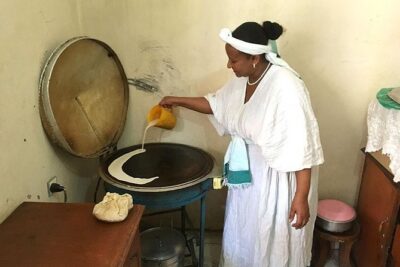
Market Tour and Cooking Class with a Coffee Ceremony at a Home in Addis Ababa
Read our review →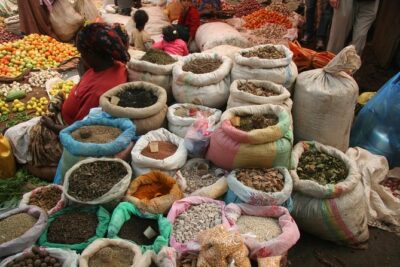
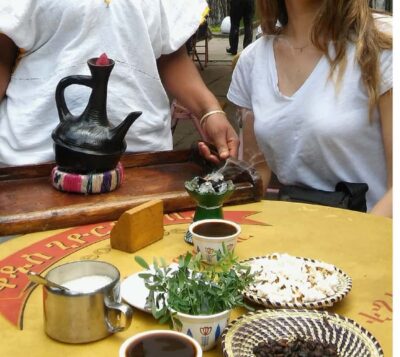
Ethiopian Culinary Tour – Market, Coffee Ceremony and More
Read our review →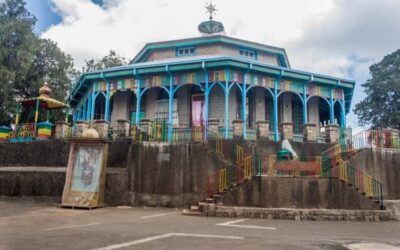
Browse the lists this tour appears in