
Reviewed · MUSEUMS
Museum Highlights Guided Day Tour in Addis Ababa
History takes center stage in Addis Ababa. This full-day tour links the city’s main museums, churches, royal sites, and viewpoints in a sensible route through more than three millennia of Ethiopian history. I especially like the hotel pickup and drop-off, which removes the hassle of arranging transport across a spread-out city, and the chance to see Lucy at the National Museum alongside Ethiopia’s living religious and cultural traditions.
I also like the human touch supplied by the English-speaking guide and local museum guides. One guide, Seya, is praised for giving detailed explanations of Ethiopian history and culture, while another review describes the day as feeling like a friend showing you the city. The main drawback is the pace: with eight stops packed into roughly six to eight hours, some visits may feel brief, and lunch at the Taitu Hotel costs extra.
In This Review
- Key things to know before booking
- Why this Addis Ababa tour works well for first-time visitors
- Mount Entoto gives the day its opening view
- Menelik II and the early royal sites
- Ethnological Museum: culture inside a former palace
- National Museum and the famous Lucy display
- Lunch at Taitu Hotel, with the bill separate
- St. George’s Cathedral in the city center
- Holy Trinity Cathedral and its museum
- Addis Ababa’s streets complete the picture
- Transport, timing, and group size
- What the $102.57 price really covers
- The guide can make or break the day
- Who should book this tour?
- Should you book the Museum Highlights Guided Day Tour?
- FAQ
- What time does the tour start?
- Where can pickup and drop-off take place?
- How long does the tour last?
- Is lunch included?
- Which main sites are visited?
- Is museum admission included?
- What is the minimum age and group size?
Key things to know before booking
- See Lucy and Ethiopia’s major museums in one day: The National Museum, Ethnological Museum, and church museums give you a strong first look at the country.
- Start at Mount Entoto: The hill offers a useful view over Addis Ababa and introduces the city’s early beginnings.
- Historic churches are part of the story: Holy Trinity Cathedral, Entoto Maryam, and St. George’s Cathedral show different sides of Ethiopian Christianity and architecture.
- Transport is built in: Pickup and drop-off are available from a hotel, house, or airport in Addis Ababa.
- Lunch is optional and separate: You can eat at the Taitu Hotel, Ethiopia’s oldest hotel, but the meal is not included in the $102.57 price.
- Expect a full day: The tour begins at 9:00 a.m., requires at least two people per booking, and can include up to 30 participants.
Why this Addis Ababa tour works well for first-time visitors
Addis Ababa can feel scattered when you first arrive. Its museums, churches, palaces, and city squares are spread across different districts, and the meaning of each site is not always obvious from a quick visit. This tour solves that problem by connecting the places in a clear order.
The route begins at Entoto, where Addis Ababa began to grow, then moves through royal history, church traditions, national archaeology, cultural life, and modern city streets. That order matters. Instead of seeing unrelated buildings, you get a basic story of how the city developed.
The $102.57 price includes a vehicle, driver, fuel, an accompanying English-speaking guide, local museum guides, taxes, and admission fees to four or five museums. For a visitor who would otherwise need to arrange several rides and pay admission separately, that is a fair package. The value is strongest if you want an efficient introduction rather than long, independent museum visits.
The trade-off is time. This is not a slow art tour. You will see a lot, but you may not linger over every display. If you already know Addis Ababa well, or if one museum is your main goal, a private visit focused on fewer places may suit you better.
More museums and galleries:
Mount Entoto gives the day its opening view
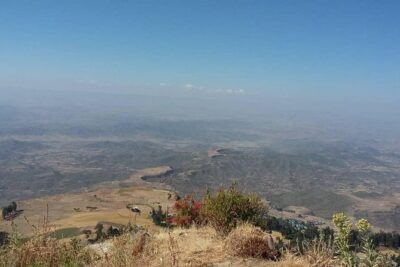
Your first stop is Mount Entoto, about 30 minutes. This is where the tour places the beginnings of Addis Ababa, and the high viewpoint lets you look across broad parts of the city.
That opening view gives useful context before you enter the museums. You can see how large Addis Ababa is and why moving between its districts takes time. It also helps you picture the city as more than a collection of separate sights.
Admission to the viewpoint is free. The stop is short, so expect an orientation rather than a long mountain visit. Dress for changing conditions, since the tour operates in all weather and the hill may feel different from the warmer city below.
Menelik II and the early royal sites
The next stop is Menelik Palace, with about 30 minutes set aside. The palace is connected with Emperor Menelik II, the ruler associated with keeping Ethiopia independent from colonial powers. The description of the palace as humble compared with the king’s political importance gives you a useful way to approach the site.
This stop is less about grand rooms and more about the person and period behind modern Addis Ababa. Your guide can connect the palace to the city’s early growth and to Ethiopia’s struggle against outside control.
You then visit Entoto Maryam Church for another 30 minutes. The church compound includes the first church in and around Addis Ababa, and the setting is described as quiet, with traditional Ethiopian church architecture.
For many people, this is an important early lesson in how religion, royal power, and city-building overlap in Ethiopia. The visit is included, but the short schedule means you should listen closely to the guide rather than expect time for an unhurried examination of every feature.
Ethnological Museum: culture inside a former palace
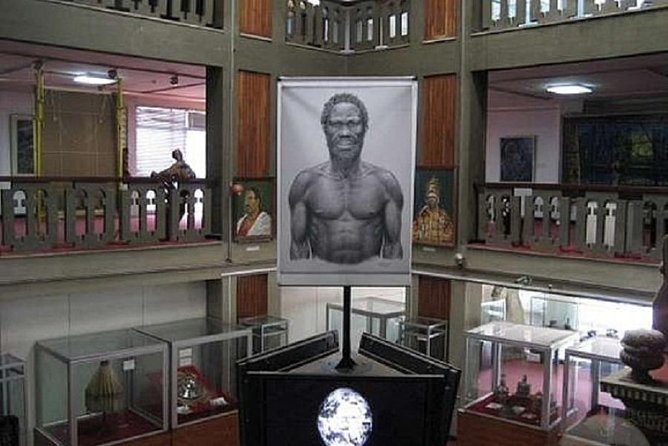
The Ethnological Museum receives about an hour, making it one of the longer stops. It occupies Haile Selassie’s former palace and sits among the gardens and fountains of Addis Ababa University.
The museum presents Ethiopia’s cultural and social life across two floors. The country has more than 80 ethnic groups, so this is the place where the tour broadens beyond royal and religious history. You can expect displays that help explain daily customs, social traditions, and the variety of communities found across Ethiopia.
The building itself adds another layer. You are not simply entering a museum in a modern box. You are walking through a former palace, which makes the setting part of the visit.
I would pay close attention to the guide here. Museum labels alone may not explain how the objects relate to different communities or why certain customs matter. The tour’s use of local museum guides is valuable, especially at a museum with such a wide subject.
A few more tours of this kind worth a look:
- Full Day Tour of Addis Ababa with Hotel Pickup and Drop-off
★ 5.0 · 430 reviews - Taste of Ethiopia
★ 5.0 · 406 reviews - Day Trip From Addis Ababa See Historical Monastery,Stunning Nature,Animals,Birds
★ 5.0 · 303 reviews - Addis Ababa: Debre Libanos, Blue Nile Gorge, and Cave Tour
★ 4.5 · 256 reviews
National Museum and the famous Lucy display
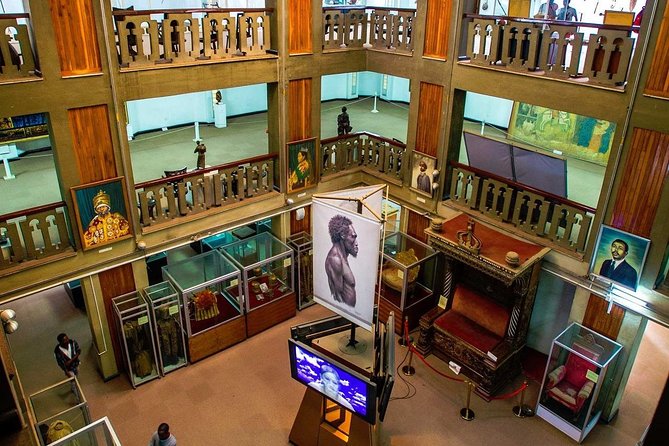
The National Museum of Ethiopia is the essential stop for anyone interested in archaeology and national identity. You have about 45 minutes here, and the main draw is Lucy, the partial skeleton of Australopithecus afarensis.
Lucy is not the only reason to visit, but she gives the museum an immediate focus. The display places Ethiopia at the center of the story of early human ancestry, while other national treasures broaden the picture.
Forty-five minutes is enough for a guided introduction, but not enough for a careful look at every collection. If you are passionate about archaeology, you may wish you had more time. For a first visit, though, the guide can point you toward the most important displays and prevent the museum from becoming a blur of cases and labels.
This stop is one reason the tour works well for visitors with only a short stay in Addis Ababa. You get a major archaeological site without having to plan the visit, arrange transport, or work out which sections deserve your attention.
Lunch at Taitu Hotel, with the bill separate
After the National Museum, the tour can stop for a traditional Ethiopian lunch at the Taitu Hotel, described as the oldest hotel in the country. Lunch is optional and at your own expense.
That arrangement gives you flexibility. You can enjoy a local meal in a historic setting, or you can keep the day moving if you prefer not to add another expense. The food itself is not specified in the tour details, so I would treat the lunch as a cultural option rather than assume a fixed menu or included tasting.
Budget for lunch separately. The tour price covers transport, guiding, taxes, and admissions, but not food or tips. It is also wise to remember that a long museum day can feel tiring if you rush through lunch, so this is a useful point to pause.
St. George’s Cathedral in the city center
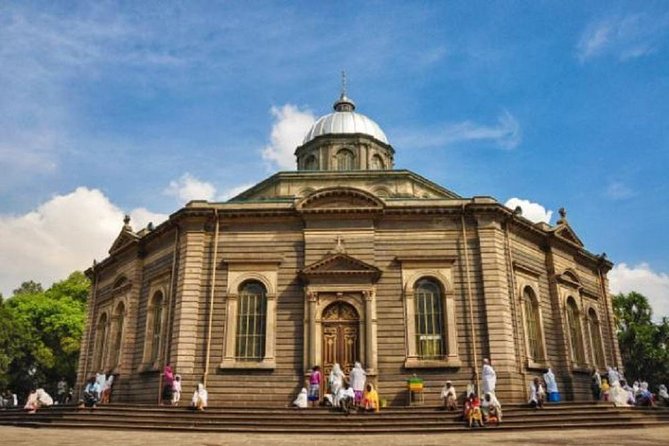
St. George’s Cathedral is next, with approximately 45 minutes. Its octagonal shape makes it easy to recognize, and its central location connects the religious site to the everyday movement of Addis Ababa.
The cathedral and museum add another side to the story begun at Entoto Maryam. You can compare the architecture and setting of the two churches while learning how Ethiopian religious traditions remain part of the city’s identity.
This is a guided visit, and admission is included. The stop is not only about taking a photograph of the unusual exterior. Give attention to the explanation of the cathedral’s place in Addis Ababa and to the museum collection on site.
As with the other churches, appropriate dress matters. The tour operates in all weather, and you should dress suitably for both outdoor walking and visits to religious buildings.
Holy Trinity Cathedral and its museum
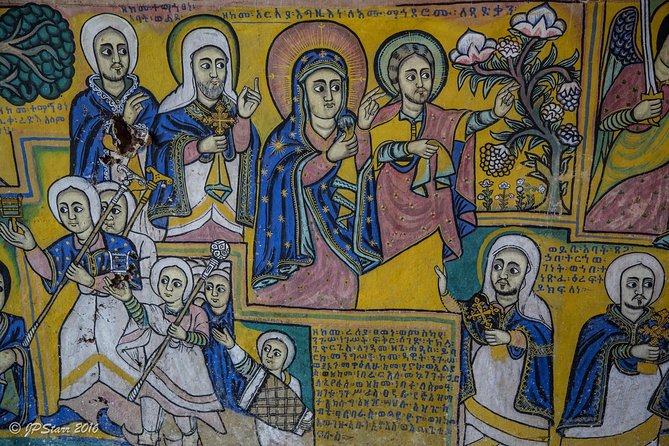
Holy Trinity Cathedral receives about an hour, making it the longest church stop on the route. It is described as the highest-ranking cathedral church in Addis Ababa and is known for distinctive architecture and an on-site museum.
Your guide walks around the church with you, explaining its construction, history, and religious importance. That guidance is useful because the building can be appreciated at two levels: as a striking piece of architecture and as a major religious site.
The museum adds more historical material to the visit. Together, the church and museum help bring the day’s subjects into one place: monarchy, faith, national memory, and Ethiopia’s place in the wider world.
The tour does not promise a private service or special access, so expect a standard guided visit. Still, an hour gives you more breathing room here than at some of the shorter stops.
Addis Ababa’s streets complete the picture
The tour also takes you through Menelik II Square, Old Piazza, Arat Kilo, Meskel Square, and Piassa. These are drive-through portions rather than full museum visits, but they matter because they show how the historic sites fit into the working city.
Old Piazza is noted for old Italian buildings and heavy movement between different parts of Addis Ababa. From the vehicle, you get a quick look at streets, people, and transport patterns that no museum can fully explain.
Meskel Square and Arat Kilo add more city context, while Piassa helps round out the route before you return to your hotel. Keep your expectations clear: these are observation stops, not long walking tours. Their value comes from seeing the city between the formal attractions.
Transport, timing, and group size
Pickup begins at 9:00 a.m. from any location in Addis Ababa, including a hotel, house, or airport. The tour then returns you to your chosen drop-off point, which is especially useful if you have luggage, are new to the city, or would rather not negotiate separate rides.
A car, driver, and fuel are included, as is an English-speaking guide. The tour may be operated by a multilingual guide, so confirm your language needs when booking if English is not suitable.
The advertised duration is about six to eight hours. That range makes sense because the route includes several museums, church visits, viewpoint time, city driving, and an optional lunch. Traffic and the size of the group may affect the pace.
The maximum group size is 30 people. That is not a small private tour, so do not expect every stop to feel personal. On the other hand, the group format helps keep the price below what a private full-day vehicle and guide might cost.
At least two people are required per booking, and the minimum age is eight. Most people can participate, but you should be ready for a full day with repeated stops, outdoor time, and visits to religious sites.
What the $102.57 price really covers
At $102.57 per person, this tour is not the cheapest way to see one Addis Ababa museum. It can be good value if you want several major sites in one organized day.
The strongest value comes from the bundled transport and admissions. You are paying for more than entry tickets. You are also paying to have the route arranged, to avoid finding transport between Entoto and the city center, and to receive historical explanations as the day unfolds.
The package includes entrance fees to four or five museums, although the exact number may depend on which sites are counted as museums. Lunch, tips, and other costs are not included. Set aside extra money for food and a gratuity if the guide provides a useful day of service.
The price makes the most sense for a first visit, a short stopover, or anyone who wants broad coverage without spending days planning. It is less compelling for repeat visitors who already know the city or want to spend two or three hours in one collection.
The guide can make or break the day
The most important personal element is the guide. Seya is specifically praised for detailed explanations of Ethiopian history and culture, and that kind of guide is exactly what this route needs.
A good guide can connect Lucy to Ethiopia’s ancient past, explain the role of Menelik II, place the churches in their religious setting, and clarify the differences among Ethiopia’s many communities. Without that connection, the day risks becoming a string of buildings.
The local museum guides are another useful feature. They may bring more specific knowledge to individual collections, while the main guide keeps the whole day organized. The strongest experience will come when both roles work together.
One of the most appealing descriptions of the tour is that it feels like a friend taking you around the city. That suggests a warm, personal tone rather than a purely scripted transfer between sights. Still, guide quality can vary, and the tour may use a multilingual guide.
Who should book this tour?
I would recommend it to first-time visitors who want a solid introduction to Addis Ababa and Ethiopia in a single day. It also suits people staying briefly before or after another trip, since the pickup and drop-off can be arranged from an Addis Ababa hotel, house, or airport.
Families with children aged eight and older may find the mixed route easier than spending all day in museums. The viewpoints, churches, palace setting, archaeological displays, and city drive provide variety.
I would be more cautious if you dislike group tours, want a slow museum visit, or have mobility needs not addressed in the tour information. The route has many stops, and the schedule is full. Most people can participate, but the details do not promise special accessibility arrangements.
Free cancellation is available if you cancel at least 24 hours before the start time. Changes or cancellations made less than 24 hours in advance are not accepted for a refund.
Should you book the Museum Highlights Guided Day Tour?
Book it if you want the main historical and cultural sights of Addis Ababa explained in one day, with transport and admissions handled for you. The strongest reasons are the mix of Lucy, former royal sites, major churches, the Ethnological Museum, and views from Entoto.
Skip it if you prefer to choose one museum and explore at your own pace. The $102.57 cost is fair for the amount of transport, guiding, and admission included, but the day is busy and lunch costs extra.
For a first look at the city, I think the tour earns its place. Arrive ready for a long day, dress for changing weather and religious visits, budget separately for lunch and tips, and pay close attention when the guide connects each stop to the next. That is where this experience offers its real value.
FAQ
What time does the tour start?
The tour starts at 9:00 a.m.
Where can pickup and drop-off take place?
Pickup and drop-off are available at any location in Addis Ababa, including a hotel, house, or airport.
How long does the tour last?
The tour lasts approximately six to eight hours.
Is lunch included?
No. Lunch is not included. You may choose to eat at the Taitu Hotel, Ethiopia’s oldest hotel, at your own expense.
Which main sites are visited?
The route includes Mount Entoto, Menelik Palace, Entoto Maryam Church, the Ethnological Museum, the National Museum of Ethiopia, Menelik II Square, St. George’s Cathedral, and Holy Trinity Cathedral.
Is museum admission included?
Yes. Entrance fees to four or five museums are included, along with all fees and taxes.
What is the minimum age and group size?
The minimum age is eight. At least two people are required per booking, and the maximum group size is 30 people.
Just added around Addis Ababa
- 10 Days in Northern Ethiopia Tours★ 4.5 · 3 reviews
- Day Trip to Tiya UNESCO Site & Melka Kunture Archaeological Site★ 4.5 · 3 reviews
- Two days Lake Wenchi and Menagesha Forest★ 5.0 · 3 reviews
- 6 days 5 nights Addis Abeba sightseeing & Lalibela Rock-Hewn Churches★ 5.0 · 3 reviews
- Addis Ababa Half Day Shopping Tour★ 5.0 · 3 reviews
- 12- Day Historical Route of Ethiopia★ 5.0 · 3 reviews
- 6 days Omo valley cultural Tour★ 5.0 · 3 reviews
- Northern Ethiopia (Historic route)★ 5.0 · 3 reviews
Museums, compared.
Tour 11 monolithic rock churches & museum in Lalibela & cave church with mummies
Read our review →
Lalibela churches , church museum & Yemrehan kirstose ( cave church)
Read our review →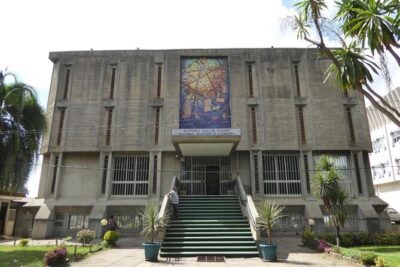
Airport Layover Tour | Half Day Addis City Tour : sightseeing, museum , markets
Read our review →Browse the lists this tour appears in