
Reviewed · OMO VALLEY TRIBAL TOURS
6 Days Visiting Omo Valley Tribes
Southern Ethiopia rewards patience. This six-day trip links Addis Ababa with the Omo Valley’s distinctive communities, using a domestic flight to reduce the long return journey and a 4WD vehicle for rougher roads. I like the wide cultural range, from Dorze beehive homes and Konso terraces to Hamer, Dassanech, Bana, and Mursi villages. I also like the practical mix of scenery, markets, wildlife, and heritage sites rather than focusing on tribal visits alone.
The main drawback is the demanding schedule. Long road days, early starts, and several brief visits leave little spare time. You should also clarify the group arrangement before paying, since one booking complaint described a private-tour price but a shared vehicle, while other experiences praised the planning, guide support, and safe driving by people including Tsehaynew and Wonde.
In This Review
- Key points to know before booking
- What this six-day route really offers
- Day one: Addis Ababa from Entoto to Merkato
- Day two: Tiya and the long road to Arba Minch
- Day three: Lake Chamo and Dorze mountain homes
- Day four: Konso terraces, Bana style, and Turmi
- Day five: Omorate and the Dassanech people
- Day six: Mago National Park and the Mursi village
- What the $1,100 price includes
- Guides, vehicles, and the pace of the road
- Who should choose this Omo Valley trip?
- Should you book it?
- FAQ
- How long is the Omo Valley tour?
- Where does the tour begin?
- Is a domestic flight included?
- Are meals included in the price?
- Which communities are included?
- Does the tour visit Mago National Park?
- How large can the group be?
- Can I cancel for a full refund?
Key points to know before booking
- Six days covers a remarkable amount of southern Ethiopia: Addis Ababa, Tiya, Arba Minch, Lake Chamo, Dorze, Konso, Turmi, Omorate, Jinka, and Mago National Park all appear in the route.
- The route uses both road transport and domestic flights: the southern circuit is reached by road, while the return from Jinka to Addis Ababa is by air.
- The cultural visits are varied: you see Konso terraces, Bana hairstyles, Hamer traditions, Dassanech life, and Mursi villages.
- The $1,100 price includes major trip costs: accommodation, an air-conditioned vehicle, an English-speaking guide, entrance fees, taxes, and the domestic flight, but not meals.
- The pace suits fit, curious visitors: some days run for 8 to 10 hours, with early breakfasts and long drives.
- Confirm whether your booking is private or shared: this is especially important if you expect a vehicle reserved only for your party.
What this six-day route really offers
The tour is designed for people with less than a week who still want a serious introduction to the Omo Valley. It does not attempt every community or every village. Instead, it creates a fast-moving loop through several of southern Ethiopia’s best-known cultural areas.
That range is the strongest reason to consider it. In a single trip, you can see ancient stone markers at Tiya, boat-based wildlife viewing on Lake Chamo, Dorze mountain homes, Konso farming terraces, and communities farther south with very different clothing, architecture, and customs.
The schedule also cuts out some of the hardest overland mileage by using a flight from Jinka back to Addis Ababa. That matters. Driving the full route both ways would consume much more of your holiday, though the current day-by-day plan still includes a long road journey from Addis Ababa to Arba Minch.
The itinerary has a small point that deserves clarification. The overview describes flying down to Arba Minch, while the detailed plan has you drive from Addis Ababa to Arba Minch on day two and fly back from Jinka on day six. Ask the operator to confirm the exact flight and road plan for your dates.
More Omo Valley tours:
- 6 Days Omo Valley Tribes Tours From Addis Ababa
★ 5.0 · 33 reviews - 3 Days Omo Valley Tour
★ 5.0 · 24 reviews - Danakil Depression, Lalibela, Omo Valley and Simien Mountains
★ 5.0 · 23 reviews
Day one: Addis Ababa from Entoto to Merkato
Your first day begins with pickup at Harmony Hotel at 8:00 a.m. After arrival at your hotel, the city tour heads uphill to Mount Entoto for a broad view over Addis Ababa. This is a useful first stop because it gives you a sense of the capital’s size and setting before you move into its museums, churches, and markets.
The National Museum follows. Its best-known display is Lucy, the famous early hominid fossil. You should not expect a huge museum visit in this itinerary, since the day also includes Holy Trinity Cathedral and Merkato, but the museum gives the southern journey an important human-history frame.
Holy Trinity was built during the Second World War and adds a religious and architectural stop to the day. The final visit is Merkato, described as the largest market in East Africa. It is a lively place to finish, but it can also be tiring after several stops, so keep your belongings secure and wear comfortable shoes.
The day is listed at about seven hours. That is a full introduction rather than a relaxed city day. If your international arrival is on the same morning, the schedule may feel tight, even though the plan allows time to refresh at your hotel.
Day two: Tiya and the long road to Arba Minch
An early breakfast starts the drive south. Tiya is the main cultural stop, and its UNESCO designation reflects the unusual engraved standing stones found there. These markers are unlike the church and palace sights of northern Ethiopia, giving you a very different view of the country’s past.
After Tiya, the vehicle continues toward Welayta for lunch before carrying on to Arba Minch. The full day is listed at around ten hours, so the road itself becomes a major part of the experience. You will want water, snacks, sun protection, and something to occupy you during the longer stretches.
This is where the air travel question becomes important. The overview says the itinerary uses a flight to Arba Minch to remove one full driving day, but the detailed schedule puts this road journey on day two. The $1,100 cost includes a domestic flight, and day six clearly specifies a flight from Jinka to Addis Ababa. Confirm if the flight is only for the return or if the route has changed.
Overnight accommodation is in Arba Minch. The town is a useful base for Lake Chamo and the Dorze visit that follows, but do not expect day two to leave much energy for extra sightseeing.
Day three: Lake Chamo and Dorze mountain homes
The morning begins with a boat trip on Lake Chamo. The so-called Crocodile Market is not a market where goods are bought or sold. It is a local name for a place where crocodiles come out of the water and rest. The boat trip also includes views of hippos and different kinds of birds.
This stop adds wildlife to a trip otherwise centered on people and culture. It also changes the pace after the previous day’s long drive. Keep your expectations measured, since the information provided does not specify the length of the boat ride or how close the animals come.
Next comes the drive to the Dorze village in the Gughe Mountains. Dorze homes are known for their tall, beehive-like shape, and the architecture is one of the visual highlights of the route. The mountain setting also gives this visit a different feel from the drier areas farther south.
You return to Arba Minch for lunch, then continue to Konso. The day runs about seven hours, including the boat trip and road travel. That means the Dorze visit is not an unhurried village stay. You will see an important style of local building and community life, but the day leaves limited room for wandering.
More six-day itineraries:
- 6 Days Lalibela, Omo Valley and Harar
★ 5.0 · 15 reviews - 6-Day Omo Valley Cultural Private Tour
★ 5.0 · 6 reviews - 6 day Omo ValleyTours
★ 5.0 · 5 reviews - 6 days 5 nights Addis Abeba sightseeing & Lalibela Rock-Hewn Churches
★ 5.0 · 3 reviews
Day four: Konso terraces, Bana style, and Turmi
Konso is one of the strongest cultural stops on the route. Its villages are known for carefully built terraces, a reminder that farming methods and community organization are central to daily life here. The area is also associated with a respected coffee tradition.
The tour includes the Konso Cultural Centre and a village visit. The centre can help provide context before you see the surrounding settlement, though the supplied details do not specify how long each part lasts. Your guide’s explanation will matter here, especially when interpreting the terraces and local customs rather than simply photographing them.
After Konso, you continue to a Bana village. One detail highlighted in the itinerary is the men’s hair, often shaped with a colorful clay cap and decorated with feathers. It is a striking example of how appearance can communicate identity and tradition.
The final destination is Turmi, home of the Hamer people. Arriving here gives you access to the southern part of the route and prepares you for the next day’s excursion to Omorate. The road day lasts about eight hours, so Turmi is best treated as a base for the next visits, not as a place where you will have a long free afternoon.
Please approach every village visit with respect. Ask before taking photographs, follow your guide’s instructions, and remember that these are lived-in communities, not staged museum displays.
Day five: Omorate and the Dassanech people
From Turmi, the excursion to Omorate covers about 75 kilometers and takes roughly two hours each way. The destination is the Dassanech community, described as the people of the Delta, living on the northern shore of Lake Turkana.
The distance and road time explain why this is a dedicated outing. You are not simply passing through on the way to somewhere else. The visit gives you a look at a community whose home region differs from the mountain areas around Dorze and Konso.
You return to Turmi for lunch, then drive to Jinka. The day is listed at six hours, but the road conditions and stop lengths can affect the exact timing. Since meals are not included, plan to pay for lunch and other food yourself.
Jinka is an important overnight point because it places you close to Mago National Park for the final morning. It also keeps the return to Addis Ababa practical. The trip does not promise a leisurely evening in town, so use the time to rest, charge devices, and prepare for an early start.
Day six: Mago National Park and the Mursi village
The last full excursion goes to Mago National Park to visit a Mursi village. The Mursi are known for low huts made from straw and leaves, along with distinctive body adornment, including terra-cotta lip and ear ornaments worn by some women.
This is one of the most recognizable cultural visits in Ethiopia, but it is also one where respectful conduct matters most. You should listen carefully to the guide about photography, payments, and personal space. The supplied information does not specify the exact village or the length of the visit, so ask for a clear plan before setting out.
After the visit, you return to Jinka for lunch and then go to the airport. The listed day lasts about five hours, followed by the flight to Addis Ababa. A driver is scheduled to meet you at Bole Airport and take you to your hotel, which is helpful after the early excursion and flight.
The return flight is a major practical benefit. It prevents the final day from becoming another long road transfer and makes the six-day format possible.
What the $1,100 price includes
At $1,100 per person, the package is not a bare transport deal. It includes accommodation, an air-conditioned vehicle, an English-speaking guide, entrance fees, taxes, and a domestic flight. Those inclusions cover several costs that can otherwise add up quickly on a southern Ethiopia circuit.
The value depends on how the group is handled. A maximum of 15 people is specified, but one complaint described a booking sold as private that became shared. That does not prove every booking has the same issue, but it gives you a clear question to ask: Is the quoted price for a private vehicle and guide, or will you join a group?
Meals are not included. Budget separately for breakfasts, lunches, and dinners, and confirm whether your accommodation provides breakfast or whether the early departures require an alternative arrangement. The itinerary repeatedly starts after breakfast, but the package does not include food.
The cancellation policy is flexible if your plans change. You can receive a full refund by canceling at least 24 hours before the local start time. Cancellations or changes made inside that period are not accepted for a refund.
Guides, vehicles, and the pace of the road
The experience includes an air-conditioned vehicle and an English-speaking guide. The route requires a 4WD vehicle for the Omo Valley section, according to the trip description, which is appropriate for the long and sometimes difficult road connections described in the schedule.
Specific staff praise includes Tsehaynew as a friendly guide and Wonde as a careful driver who helped keep the trip safe and on schedule. Gashaw is also associated with arranging a six-day trip for a returning visitor and family. If you have the option, ask in advance who will guide and drive your departure.
The physical requirement is listed as moderate. That does not mean strenuous hiking. It means you should be ready for early breakfasts, long drives, boat transport, village walking, and the general fatigue that comes from changing places almost every day.
A group of up to 15 can keep the cost down, but it may make village visits less personal and vehicle loading slower. If you want more control over timing and photography, confirm a private arrangement in writing before booking.
Who should choose this Omo Valley trip?
I would recommend this tour to you if you have only six days, want a broad first look at southern Ethiopia, and prefer a package that handles transport, accommodation, entry fees, and guiding. It is also a good fit if you want both cultural stops and variety, including wildlife on Lake Chamo and heritage at Tiya and Konso.
You should think twice if you dislike long road days or want extended time with one community. This route samples many places, but it does not offer a slow, quiet stay in any one village. You should also be comfortable paying separately for meals and confirming the private-versus-shared arrangement.
Should you book it?
Book this tour if efficiency matters most. In six days, you reach a wide section of southern Ethiopia, see several distinct communities, visit Mago National Park, and return to Addis Ababa by air.
Before paying, ask for the final transport plan, the names of your guide and driver, the exact accommodation, meal arrangements, and written confirmation of whether the vehicle is private. With those points clear, the tour offers a practical way to see the Omo Valley without organizing every road transfer yourself.
FAQ
How long is the Omo Valley tour?
The experience lasts approximately six days, beginning in Addis Ababa and ending after your return flight from Jinka to Addis Ababa.
Where does the tour begin?
Pickup begins at Harmony Hotel, XQWP+FFR, 104 Namibia Street, Addis Ababa, at 8:00 a.m.
Is a domestic flight included?
Yes. The package includes a domestic flight, and the final day specifies a flight from Jinka to Addis Ababa. The detailed plan should be checked if you expect a flight to Arba Minch as well.
Are meals included in the price?
No. Meals are not included, so you need to pay for food during the trip.
Which communities are included?
The route includes visits connected with the Dorze, Konso, Bana, Hamer, Dassanech, and Mursi communities.
Does the tour visit Mago National Park?
Yes. The sixth day includes an excursion to Mago National Park and a visit to a Mursi village.
How large can the group be?
The activity has a maximum group size of 15 people.
Can I cancel for a full refund?
Yes, if you cancel at least 24 hours before the experience start time. Cancellations or changes made less than 24 hours before the start time are not accepted for a refund.
Just added around Addis Ababa
- 10 Days in Northern Ethiopia Tours★ 4.5 · 3 reviews
- Day Trip to Tiya UNESCO Site & Melka Kunture Archaeological Site★ 4.5 · 3 reviews
- Two days Lake Wenchi and Menagesha Forest★ 5.0 · 3 reviews
- 6 days 5 nights Addis Abeba sightseeing & Lalibela Rock-Hewn Churches★ 5.0 · 3 reviews
- Addis Ababa Half Day Shopping Tour★ 5.0 · 3 reviews
- 6 days Omo valley cultural Tour★ 5.0 · 3 reviews
- 12- Day Historical Route of Ethiopia★ 5.0 · 3 reviews
- Addis Ababa City Tour★ 4.5 · 3 reviews
Omo Valley Tribal Tours, compared.

6 Days Omo Valley Tribes Tours From Addis Ababa
Read our review →
Lalibela, Axum, Danakil and Omo Valley 8 DAYS
Read our review →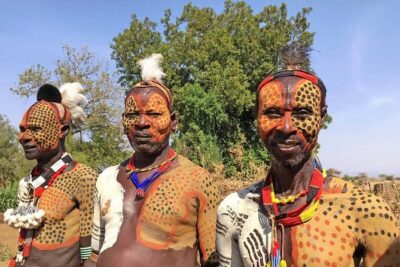
Danakil Depression, Lalibela, Omo Valley and Simien Mountains
Read our review →



9 Days Tours To Danakil Depression, Simen MNP, Lalibela With Omo Valley Tribes
Read our review →Browse the lists this tour appears in