
Reviewed · OMO VALLEY TRIBAL TOURS
6-Day Omo Valley Cultural Private Tour
Africa’s most unusual cultural journey starts here. This six-day private trip from Addis Ababa takes you through southern Ethiopia by air, road, boat, and foot, with encounters involving the Hamer, Karo, Erbore, Tsemai, Konso, Dorze, and other local communities. I like the mix of wildlife, markets, village visits, and museum stops. I also like that you visit a family house as a guest, rather than seeing the region only through a vehicle window. The main drawback is the long driving. Several days involve five to seven hours on the road, and the schedule appears to need clarification around Jinka and Konso.
The private format is a real plus. Your group travels with its own car, driver, and guide, so you can ask questions and adjust the pace within reason. The $500 price per person also offers solid value because accommodation, entrance fees, transport by car, guiding, water, and government tax are included. Still, lunch, dinner, laundry, and apparently the flights are not listed among the inclusions, so confirm those costs before paying.
In This Review
- Key points at a glance
- What the $500 price really gives you
- Day 1: Lake Chamo, hippos, and Nech Sar National Park
- Day 2: The road to Turmi through Weyto and Erbore
- Day 3: Karo body painting and a Hamer village
- Day 4: Jinka, museum context, and a confusing transfer
- Day 5: Key Afar markets and Konso’s stone terraces
- Day 6: Arba Minch, Dorze weaving, and the flight back
- The people, guides, and private touring style
- What to pack and how to pace yourself
- Who should book this tour?
- Should you book the Omo Valley tour?
- FAQ
- Where does the tour start?
- Where does the tour end?
- Is airport pickup included?
- What is included in the $500 price?
- Are meals included?
- Which market days are mentioned?
- Can the tour be canceled or changed?
Key points at a glance

- Lake Chamo begins the journey with hippos and wildlife: A boat ride leads across the lake toward Nech Sar National Park, where zebras may appear on the drive.
- Hamer culture is a major focus: You visit a Hamer village and may see evangadi, the traditional night dance.
- Karo body painting is a highlight: Kolcho village sits beside the Omo River and is known for striking traditional body art.
- Market days can shape the best version of the tour: Key Afar is busiest on Thursday, while Weyto and Erbore markets are held on Saturday.
- Konso adds art and farming heritage: Waka statues and carefully built agricultural terraces give the trip a different cultural angle.
- The tour ends with Dorze weaving: A visit to the Chencha mountains offers a chance to see local weaving and shop for wool and cotton work.
What the $500 price really gives you
At $500 per person, this is not a bare-bones road trip. You receive a private vehicle with a driver, a guide, accommodation, entrance fees, bottled water during touring, and government tax. That package covers many of the costs that can quietly add up on a six-day trip.
I especially value the private vehicle. Southern Ethiopia involves long stretches between towns and villages, so sharing a car with strangers could make the road days tiring. With your own group, you have more room for questions and a better chance of stopping when the guide finds something worth seeing.
The price does not include lunch or dinner. Laundry is also extra, and the supplied details do not clearly say that the flights from Addis Ababa to Arba Minch and back are included. You should ask the operator for a full cost sheet. That one question can make the difference between a good deal and a trip that costs more than expected.
Accommodation is listed at Paradise Lodge in Arba Minch, Turmi Lodge for the two Turmi nights, and Kanta Lodge in Konso. One schedule entry places the night after Jinka at Kanta Lodge in Konso, while the following day also says you stay there after visiting Konso. Ask for the final hotel plan and driving route before departure.
More Omo Valley tours:
- 6 Days Omo Valley Tribes Tours From Addis Ababa
★ 5.0 · 33 reviews - 3 Days Omo Valley Tour
★ 5.0 · 24 reviews - Danakil Depression, Lalibela, Omo Valley and Simien Mountains
★ 5.0 · 23 reviews
Day 1: Lake Chamo, hippos, and Nech Sar National Park

You fly from Addis Ababa to Arba Minch, where pickup is provided at the airport. After checking into Paradise Lodge, the first outing heads to Lake Chamo.
The boat trip gives you an easy opening to the south. You cross the lake toward Nech Sar National Park and look for local hippos along the water. From there, a drive through the park brings chances to see wildlife such as zebras before you return to Arba Minch.
I like this opening because it avoids launching straight into a long road transfer. You get water, wildlife, and a national park on the first afternoon. It also gives you a quick sense of the region’s physical variety before the cultural visits begin.
The listed activity takes about three hours, although airport arrival, hotel check-in, and local transport add to the day. Keep your first day flexible. Flight timing can affect how much time remains for the lake and park.
Day 2: The road to Turmi through Weyto and Erbore
Day two is mainly a road day, with about five hours of driving from Arba Minch to Turmi. The route passes through Weyto, home to the Tsemai people, then continues through the Weyto Valley toward Erbore.
You make a brief visit to an Erbore village before continuing to Turmi, the main base for the Hamer portion of the trip. The timing matters here. Weyto and Erbore market days are Saturday, so a Saturday visit can add a trading scene to the route. On other days, you should expect a quieter village stop rather than a market visit.
Turmi is not just a place to sleep. It is the base for the next two days, and the evening may bring evangadi, a traditional Hamer night dance. This is one of the tour’s strongest cultural moments because it gives you a chance to see a living social tradition rather than only a museum display.
I would keep expectations respectful and practical. Village visits work best when you listen to the guide, ask before taking photographs, and remember that daily life is not a stage set. The tour description emphasizes interaction with local families, including a family house visit, which makes good manners especially important.
Day 3: Karo body painting and a Hamer village

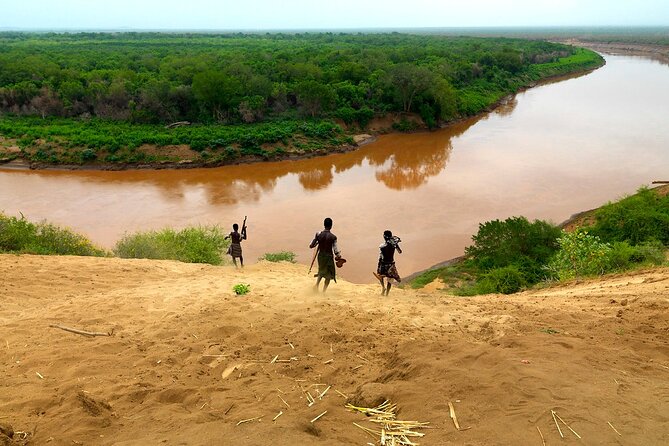
The third day is the longest scheduled outing, at about seven hours. You travel to Kolcho village beside the Omo River to meet the Karo people, who are known for traditional body painting.
This stop gives the tour a visual change from the Hamer villages. The Karo are associated with painted designs made for personal and cultural expression, and Kolcho’s position along the Omo adds a strong setting to the visit. I like that the day does not simply repeat the previous village encounter. You see a different community with its own artistic practices and settlement style.
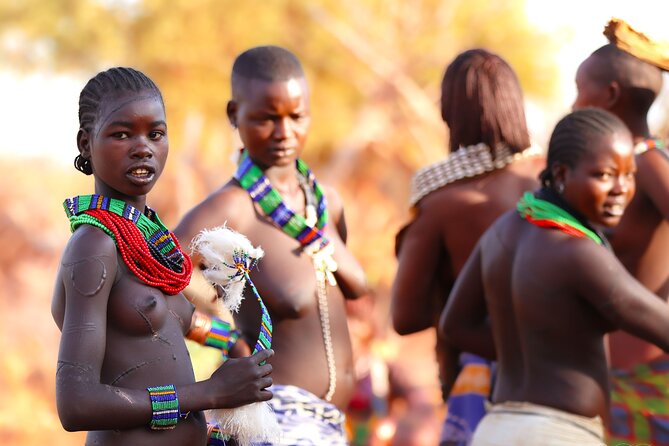
In the evening, you visit a Hamer village near your accommodation. The Hamer are known for carefully styled red dyed plaited hair, leather skirts decorated with shells, and pride in personal appearance. The houses are described as being made from local materials such as mud, wood, and thatch, with roughly 10 to 15 huts arranged around the life of an extended family.
That detail helps you understand what you are seeing. The village is not a collection of isolated huts. It is a small social unit where home design, clothing, work, and family life fit together.
The seven-hour schedule means you should prepare for a demanding day. Bottled water is included, but meals are not, so plan your food arrangements with the guide. You may also want to pack sun protection and comfortable clothing for warm, dusty road travel, though specific weather conditions are not guaranteed.
More six-day itineraries:
- 6 Days Lalibela, Omo Valley and Harar
★ 5.0 · 15 reviews - 6 day Omo ValleyTours
★ 5.0 · 5 reviews - 6 Days Visiting Omo Valley Tribes
★ 4.0 · 4 reviews - 6 days 5 nights Addis Abeba sightseeing & Lalibela Rock-Hewn Churches
★ 5.0 · 3 reviews
Day 4: Jinka, museum context, and a confusing transfer

Day four takes you across dry sandy plains toward Key Afar, then into more fertile rolling hills near Jinka. The drive is listed at about six hours.
Jinka provides a useful change of pace. You visit a small museum that explains local customs and tribal life, giving you context before or after the village encounters. I consider this an important stop because it can help you understand the meaning behind clothing, objects, ceremonies, and settlement patterns.
An optional walk into town is also offered. It is described as a chance to meet local people along the way, but the schedule does not specify its length or exact route. Ask the guide how much time is available before setting out.
The route details become less clear after Jinka. The day says you drive out to Kanta Lodge in Konso for the night, while the next day begins from Jinka and later returns to Arba Minch via Konso. Since the wording overlaps, confirm the actual overnight location and driving order. This is not a small detail. It affects how much time you have in Jinka, Konso, and the villages along the way.
Day 5: Key Afar markets and Konso’s stone terraces

Day five is another long day, listed at about seven hours. You travel through Key Afar and Konso, with the strongest market opportunity on Thursday.
Key Afar’s Thursday market brings together Benna and Tsemai people trading goods. Market visits can be among the most revealing parts of a cultural tour because they show ordinary exchange, clothing, produce, and social contact in one place. If your dates allow, arranging this day around Thursday could improve the experience.
Konso offers a different kind of cultural story. The Konso people are known for waka statues, wooden figures placed in honor of dead heroes, and for inventive agricultural terracing. The terraces are not just scenic. They show how communities shaped farming on difficult ground and organized land over time.
Konso market days are Monday and Thursday. The schedule includes a brief local village visit and a cultural museum displaying waka statues. This pairing works well: you see community life outdoors, then receive a more focused explanation indoors.
I would not rush this part of the trip. Konso has enough variety to deserve careful attention, especially after several days of driving. The schedule is full, so ask your guide which stops are fixed and which can be shortened if the road takes longer than expected.
Day 6: Arba Minch, Dorze weaving, and the flight back
The final day begins early, with a drive from the fertile area around Arba Minch across dry plains. Arba Minch means Forty Springs and is known here as a fruit-producing valley, including ensete, often called false banana.
From Arba Minch, you drive into the Chencha mountains to visit a Dorze village. Dorze weaving in wool and cotton is a major feature of the stop, and the schedule specifically points out shopping. This gives you a chance to take home a locally made item while supporting the craft economy.
The Dorze visit also provides a final contrast. After the dry plains, river communities, markets, and Hamer settlements, you reach a mountain setting with a strong weaving tradition. I like ending here because the trip closes with craft and village life rather than one last hurried road transfer.
After the village visit, you are transferred to the airport for the flight back to Addis Ababa. The day is listed at about three hours, but you should confirm the flight time and airport transfer schedule. An early start is part of the plan.
The people, guides, and private touring style

The operator is Ethio Target Tours, and Solomon is identified as a helpful organizer who kept in touch during a broader Ethiopia trip that included Bahir Dar, Gondar, the mountains, Lalibela, and Addis Ababa. That suggests the company can coordinate more than one region if you are building a longer journey.
The strongest praise centers on the staff, drivers, organization, and accommodation. The driver is described as friendly and very good, while the food also receives positive attention. Since lunch and dinner are not included in the package, treat the food praise as useful encouragement, not as a promise that every meal is covered.
Your group is the only group on the activity. Most people can participate, service animals are allowed, and the meeting point is Bole Addis Ababa International Airport at 8:00 a.m. Pickup is offered, and the activity ends back at the meeting point. The mobile ticket makes the start simple, but I would still keep the operator’s contact details available.
What to pack and how to pace yourself
Six days in the Omo Valley combines flights, long drives, village walks, markets, museums, a boat trip, and an airport transfer. You will be happier with a light bag, practical clothes, and shoes that can handle uneven ground.
Bring enough personal spending money for meals, laundry, and purchases. Water is provided during the touring, but the package does not include lunch or dinner. Market and weaving stops may tempt you to shop, especially in Dorze, so leave room in your luggage.
The pace is active. Days two, three, four, and five list five to seven hours of touring or driving. If you need a slow holiday, this is not the right fit. If you enjoy seeing several parts of a region in a short time, the packed schedule makes good use of six days.
Who should book this tour?
I would choose this trip if you want a private introduction to southern Ethiopia and care more about cultural contact than polished sightseeing. The program gives you several distinct communities, a family house visit, traditional dancing, body painting, markets, museums, wildlife, and weaving.
It suits people who can handle long road days and an early final morning. It also suits a small group that wants its own driver and guide instead of joining a large coach.
I would hesitate if you need exact scheduling, included meals, or a fully confirmed flight package. The unclear Jinka and Konso sequence should be settled before booking. The cancellation terms are strict: the booking is non-refundable and cannot be changed, except that poor weather may lead to a different date or a full refund.
Should you book the Omo Valley tour?
Book it if the chance to meet several distinct communities, see Hamer evangadi, watch for hippos on Lake Chamo, and visit Karo and Konso cultural sites is worth a demanding route. The strongest value comes from the private setup, included accommodation and entrance fees, and the broad range of experiences packed into six days.
Before you commit, confirm three things in writing: the flights, the meal arrangements, and the exact overnight plan around Jinka and Konso. If those points are clear, this is a focused and fairly priced way to see the Omo Valley with an organized local operator.
FAQ
Where does the tour start?
The tour starts at Bole Addis Ababa International Airport in Addis Ababa, Ethiopia. The stated start time is 8:00 a.m.
Where does the tour end?
The activity ends back at the meeting point in Addis Ababa after the return flight from Arba Minch.
Is airport pickup included?
Yes. Pickup is offered, including pickup from Arba Minch Airport on arrival.
What is included in the $500 price?
The package includes a car with driver, a guide, entrance fees, accommodation, bottled water during the tours, and government tax.
Are meals included?
No. Lunch and dinner are not included. Laundry service is also not included.
Which market days are mentioned?
Weyto and Erbore markets are held on Saturday. Key Afar market day is Thursday, and Konso market days are Monday and Thursday.
Can the tour be canceled or changed?
The experience is non-refundable and cannot be changed for any reason. If poor weather causes the operator to cancel it, you will be offered another date or a full refund.
Just added around Addis Ababa
- 10 Days in Northern Ethiopia Tours★ 4.5 · 3 reviews
- Two days Lake Wenchi and Menagesha Forest★ 5.0 · 3 reviews
- Day Trip to Tiya UNESCO Site & Melka Kunture Archaeological Site★ 4.5 · 3 reviews
- 6 days 5 nights Addis Abeba sightseeing & Lalibela Rock-Hewn Churches★ 5.0 · 3 reviews
- Addis Ababa Half Day Shopping Tour★ 5.0 · 3 reviews
- 6 days Omo valley cultural Tour★ 5.0 · 3 reviews
- 12- Day Historical Route of Ethiopia★ 5.0 · 3 reviews
- Addis Ababa City Tour★ 4.5 · 3 reviews
Omo Valley Tribal Tours, compared.

6 Days Omo Valley Tribes Tours From Addis Ababa
Read our review →
Lalibela, Axum, Danakil and Omo Valley 8 DAYS
Read our review →
Danakil Depression, Lalibela, Omo Valley and Simien Mountains
Read our review →



9 Days Tours To Danakil Depression, Simen MNP, Lalibela With Omo Valley Tribes
Read our review →Browse the lists this tour appears in