
Reviewed · ROCK-HEWN CHURCHES OF LALIBELA
Trekking in Ethiopia’s Lalibela Wollo Highland 4 Days / 3 Nights
Lalibela’s best views lie beyond its churches. This four-day trek takes you into the Wollo Highlands, where you walk between traditional communities, sleep in local guesthouses, and see a quieter side of Ethiopia. I like the close contact with rural life, and I like that the route includes a real chance to spot Gelada baboons and highland birds. The main consideration is comfort: daily walks run for roughly three to six hours, guesthouse facilities are simple, and bottled water is not included.
The trip costs $500 per person and includes private transport, meals, snacks, and three nights of community lodging. Guide Maereg receives especially strong praise for his warmth, cultural explanations, and ability to answer the many questions that come with a first visit to Ethiopia. Still, the final day’s detailed schedule is not provided, so I would confirm its walking distance, return time, and exact route before booking.
In This Review
- Key points before you book
- Why this trek adds something to a Lalibela visit
- Day one: Lalibela to Flakit and Mekuat Maryam
- Day two: Meskel wildlife and the Acacia trees of Wajela
- Day three: From Wajela through Gala Dejen to Aterow
- The community guesthouse experience
- What $500 buys you
- Walking difficulty, altitude, and what to pack
- The role of Maereg and the human side of the route
- Who should choose this four-day trek?
- Should you book the Wollo Highland trek?
- FAQ
- Where does the trek start?
- What time does the tour begin?
- How long is the experience?
- What meals are included?
- Is transportation included?
- Is bottled water included?
- Is this a private tour?
- What is the cancellation policy?
Key points before you book
- Mekuat Maryam sits at 2,820 meters, on a promontory above the plateau, giving the trek an impressive first destination.
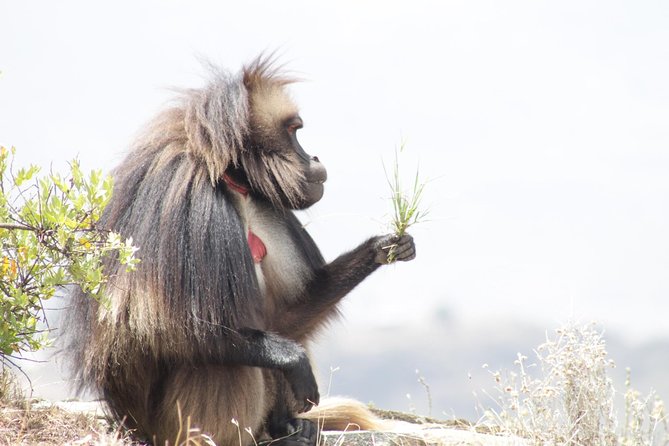
- Meskel is the wildlife stop, with opportunities to see several bird species and the Ethiopian endemic Gelada baboon.
- You sleep in community guesthouses, making the trip more personal than a standard sightseeing circuit.
- Wajela is known for its Acacia woodland, adding a different setting to the open highland views.
- The walking is spread over four days, with several stages lasting about three hours and one day totaling about six hours.
- Maereg is the named guide, praised for explaining local culture, history, and everyday life in a friendly way.
Why this trek adds something to a Lalibela visit
Lalibela is famous for its rock-hewn churches, and rightly so. Yet the town can feel like a single, highly focused stop on a larger Ethiopia trip. This trek changes the pace. Instead of moving from one historic site to another by vehicle, you spend several days on foot, passing through highland communities and seeing how people live beyond the town.
That difference matters. The appeal is not just a mountain view or a list of stops. You get time to notice the small details of rural Ethiopia, meet people in the communities, and understand the setting around Lalibela. The experience is designed around local participation, with overnight stays at community guesthouses rather than a conventional hotel.
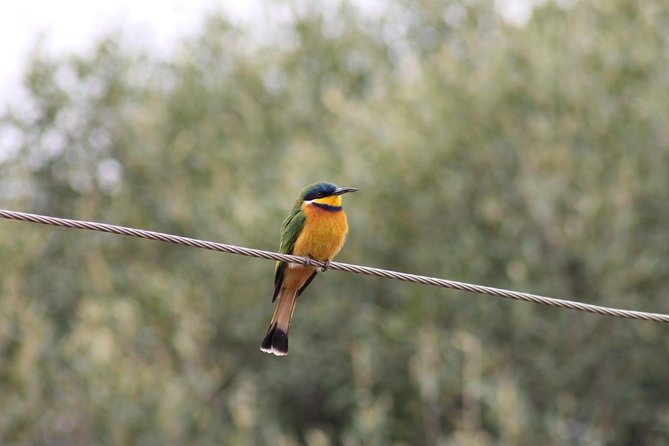
I also like the balance between nature and culture. The route includes high-altitude scenery, birds, Gelada baboons, Acacia trees, and traditional villages. At the same time, your guide can help explain the history and customs of the area. That combination gives the walking a purpose beyond exercise.
The trek is private, so only your own group participates. That can be useful if you want to set a comfortable pace, stop for photographs, or ask plenty of questions. It also means the quality of the experience depends heavily on communication with the guide and on how well the route suits your group.
More Lalibela church tours:
- Visiting Lalibela churches
★ 5.0 · 40 reviews - Tour 11 monolithic rock churches & museum in Lalibela & cave church with mummies
★ 5.0 · 37 reviews - Lalibela, Axum, Danakil and Omo Valley 8 DAYS
★ 5.0 · 29 reviews
Day one: Lalibela to Flakit and Mekuat Maryam
The first day begins with breakfast in Lalibela, followed by a two-hour drive to Flakit. This transfer gets you away from town and toward the start of the walking route. Since the activity begins at Lalibela Airport at 10:00 a.m., I would confirm how breakfast and the airport meeting point fit together, especially if you are staying in central Lalibela.
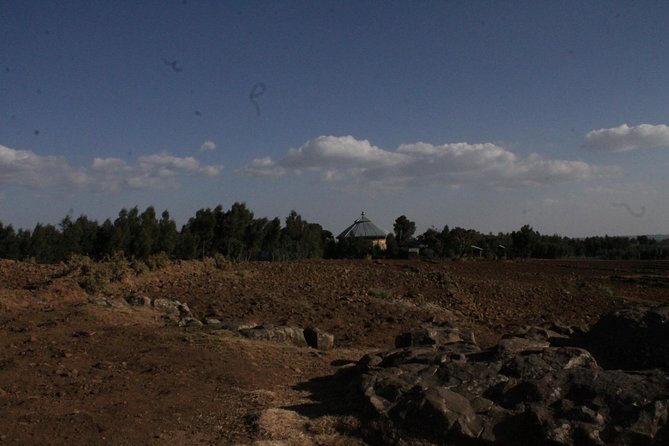
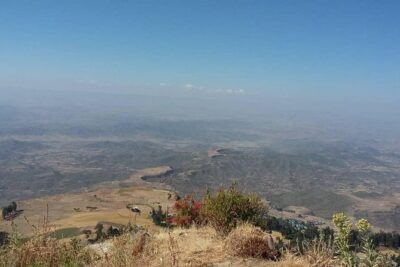
After the drive, lunch is served at Warkahye. You then walk for about three hours to Mekuat Maryam, the first major stop. The site sits at 2,820 meters above sea level on a promontory of the plateau. That elevation gives the day a strong sense of arrival, but it also makes pacing important.
You do not need to treat the first walk as a race. At high altitude, even a moderate uphill route can feel harder than expected. A slow, steady pace and regular water breaks will make the day more pleasant. Because bottled water is not included, bring your own supply or ask the operator in advance how water is obtained along the route.
Dinner and the night are at the Mekuat community guesthouse. This is one of the central features of the trip. You are not simply passing through a village for a quick photograph. You are spending the night in a local setting, which gives you more time to observe daily life and speak with people through your guide.
The trade-off is that community lodging may be basic. The supplied information does not give details about beds, bathrooms, electricity, or hot water, so I would ask before departure if those points matter to you. Pack with simple accommodation in mind rather than expecting hotel service.
Day two: Meskel wildlife and the Acacia trees of Wajela
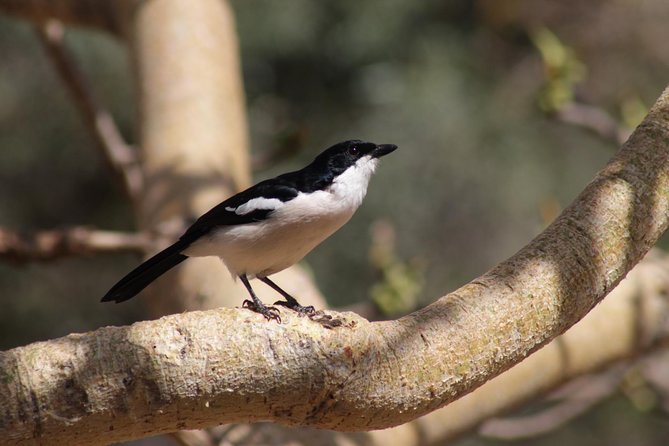
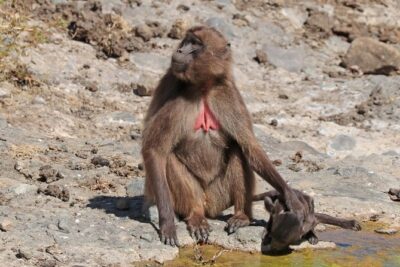
After breakfast at the Mekuat guesthouse, you hike for about three hours to Meskel. This is the day’s most appealing stop for wildlife watchers. You may see different bird species, along with Gelada baboons, one of Ethiopia’s endemic mammals.
Geladas are closely linked with Ethiopia’s highland environment, so seeing them here adds real character to the route. Wildlife is never guaranteed, and the information does not specify how close sightings usually are or how long you spend watching them. Still, Meskel gives the trek a natural focus that is more memorable than a generic walk through the countryside.
Lunch is served at Meskel. Afterward, you trek for about two and a half hours to Wajela. The total walking time is roughly five and a half hours, not counting pauses. That makes this a fuller day than day one, though it is divided into two manageable sections.
Wajela is noted for its beautiful Acacia trees. The change in scenery is welcome. After the open plateau around Mekuat, woodland provides a different visual rhythm and a more enclosed setting. It is also a reminder that the Wollo Highlands are not one uniform stretch of grass and rock.
Dinner and overnight accommodation are at the Wajela community guesthouse. As on the first night, the stay offers local contact but likely comes with modest facilities. I would pack a small towel, a warm layer, and only the personal items you genuinely need. A four-day walking trip is easier when your bag stays light.
The strongest feedback about this trip points to the human side of the route. The walking is important, but the chance to understand local culture and history through Maereg is what gives the days extra meaning. He has been praised for making the trip feel full and friendly, not simply organized.
Day three: From Wajela through Gala Dejen to Aterow
Day three begins with breakfast at the Wajela community guesthouse. You then hike for about three hours to Gala Dejen, where lunch is served. The route keeps the same steady pattern as the earlier days: walk, pause for a meal, then continue toward the next overnight point.
After lunch, you hike another three hours to Aterow. That makes about six hours of walking for the day. For many people, this will be the most demanding stage, not because the individual sections are unusually long, but because the distance comes after two previous days on foot.
I would treat day three as a pacing day. Keep your morning effort controlled, eat the lunch provided, and avoid carrying unnecessary weight. Snacks are included, which helps, but you should still clarify what kind of snacks are supplied if you have dietary restrictions or need extra food during long walking days.
The route from Gala Dejen to Aterow is also a good place to keep your attention on the countryside rather than rushing toward the finish. This is a trip built around seeing rural life, not ticking off attractions. The exact features of Aterow and the overnight arrangements there are not detailed in the supplied information, so ask the operator to confirm where you sleep and what facilities are available.
The schedule provided does not give the full day-four route. That is the biggest information gap in the description. Before paying, ask for the final day’s walking time, lunch arrangements, transport details, and the exact point where the activity ends. The tour is described as returning to the meeting point, but the timing is not stated.
More hikes and treks:
- 3-days Scheduled Lalibela Churches & Abune Yosef Trekking
★ 5.0 · 7 reviews - Day Hike Around Lalibela
★ 5.0 · 5 reviews - Lasta Mountains: Highland Eco Trekking Tour in Lalibela
★ 5.0 · 4 reviews - Lalibela 2-Day Eco Trekking Tour
★ 5.0 · 3 reviews
The community guesthouse experience
The guesthouses are not just a place to sleep. They are part of the reason to choose this trip. Staying in communities lets you see more of local life than you would from a vehicle window or a short roadside stop.
That said, the word guesthouse can cover a wide range of conditions. No room descriptions are supplied, and there is no promise of private bathrooms, hot showers, heating, or reliable power. I would ask direct questions before booking. If the answers are vague, prepare for a basic rural stay.
The meals are included: breakfast, lunch, dinner, and snacks. One detailed comment describes the food as simple but good, which is a fair expectation. You are eating to support several days of walking, not signing up for a restaurant tour. If you have dietary needs, tell the provider when booking.
Alcoholic drinks are not included, and bottled water is also excluded. Those costs are easy to overlook in a $500 package. Bring enough cash for drinks and ask how water is handled on the trail. Hydration is especially important at the altitude reached on the first day.
What $500 buys you
At $500 per person, the price covers four days of private transportation, guiding, meals, snacks, and three nights of community guesthouse accommodation. The value is strongest if you want a private, locally focused experience rather than a quick excursion from Lalibela.
The private format can justify a higher price than a large group outing. Your group does not have to wait for strangers, and you can discuss the walking pace and interests with Maereg. You also avoid arranging transport, meals, and overnight stops separately.
The price does not cover alcohol or bottled water. It also does not tell you whether entrance fees, tips, extra transfers, or equipment are required, because those details are not provided. I would request a written list of every extra cost before you commit.
The tour has received a listed rating of 5 from six ratings, and the written feedback consistently highlights the guide, the countryside, the village contact, and the sense of a genuine experience. One person described the days as full and happy, while another praised the chance to understand the culture and history of the area. That pattern suggests the trip succeeds best for people who value conversation and local contact as much as scenery.
Walking difficulty, altitude, and what to pack
The itinerary gives walking times but does not provide distances, trail surfaces, or elevation changes beyond Mekuat Maryam’s 2,820-meter height. I would classify this as a moderate multi-day trek rather than a casual sightseeing walk.
Most travelers can participate, according to the supplied details, but that does not remove the need for sensible preparation. You should be comfortable walking for about three hours at a time, with day three reaching approximately six hours in total. If you have concerns about altitude, fitness, or a medical condition, seek professional medical advice before booking.
Pack practical basics:
- Broken-in walking shoes
- Warm layers for highland evenings
- Sun protection
- A refillable water container
- Personal toiletries and a small towel
- Snacks suited to your diet
- A light bag that you can carry comfortably
Service animals are allowed, and the activity is near public transportation. Those points may matter to some visitors, but the trail and lodging details for an animal are not explained. Contact the operator before booking if you need a service animal to join the full route.
The role of Maereg and the human side of the route
A guide can make or break a walking trip. Here, Maereg is repeatedly praised for his kindness, cultural explanations, and ability to make people feel at ease. The strongest accounts describe him as someone who helped explain both the history of the region and ordinary life in the villages.
That is especially useful in Ethiopia, where a visitor may have many questions about religion, farming, family life, customs, and the different communities around Lalibela. A good guide also helps you behave respectfully, interpret what you see, and avoid treating village life like a stage show.
The trip provider is Extraordinary Ethiopia Tours. Since the listed contact information identifies Maereg as the guide praised in the feedback, I would ask if he will lead your departure personally. If another guide is assigned, request the person’s name and experience.
Who should choose this four-day trek?
I would recommend this trip to you if you want to add several days of countryside walking to a visit to Lalibela. It suits people who enjoy basic accommodation, simple meals, wildlife sightings, community contact, and a slower pace.
It is also a good match if you have already seen Lalibela’s churches and want to understand the area beyond the main historic sites. The private format works well for friends, couples, and small groups who want to ask questions and set their own rhythm.
I would hesitate if you want luxury accommodation, a tightly detailed schedule, guaranteed wildlife, or very short walking days. I would also wait for more information if the missing fourth-day itinerary makes planning difficult. The trip can be excellent value, but only if your expectations match the basic, active style.
Cancellation is free with a full refund when you cancel at least 24 hours before the 10:00 a.m. start time. Within 24 hours, no refund is offered. Poor weather can cause cancellation, in which case you are offered another date or a full refund.
Should you book the Wollo Highland trek?
Book it if you want the countryside, not just the headline sights of Lalibela. The combination of Mekuat Maryam at 2,820 meters, Gelada baboons at Meskel, Acacia woodland at Wajela, and community guesthouses gives the route a clear identity.
I would book after confirming the fourth-day schedule, water arrangements, guesthouse facilities, and any extra fees. If you are comfortable with long walks and simple lodging, the $500 price offers a useful package and a personal way to see the Wollo Highlands with Maereg’s guidance. If you prefer polished hotels and predictable comforts, spend more time in Lalibela and choose shorter excursions instead.
FAQ
Where does the trek start?
The activity starts at Lalibela Airport, listed at XXHM+6MG, Girany Amba, Ethiopia.
What time does the tour begin?
The scheduled start time is 10:00 a.m.
How long is the experience?
The trek lasts approximately four days and includes three nights of accommodation.
What meals are included?
Breakfast, lunch, dinner, and snacks are included.
Is transportation included?
Yes. Private transportation is included.
Is bottled water included?
No. Bottled water is not included.
Is this a private tour?
Yes. Only your group participates in this private activity.
What is the cancellation policy?
You receive a full refund if you cancel at least 24 hours before the start time. Cancellations within 24 hours are not refunded. If poor weather causes the operator to cancel, you are offered another date or a full refund.
More four-day itineraries
- 4-Day Tour: Tigray Churches & Danakil Depression Adventure.
★ 5.0 · 11 reviews - 4 days semien mountain national park trekking,
★ 5.0 · 11 reviews - Omo Valley 4days 3nights Cultural Tour
★ 5.0 · 7 reviews - 4 Days Trekking to Simien Mountain National Park
★ 5.0 · 7 reviews
Just added around Lalibela
- Lalibela 2-Day Eco Trekking Tour★ 5.0 · 3 reviews
- Full Day Tour in Lalibela★ 5.0 · 3 reviews
- Lasta Mountains: Highland Eco Trekking Tour in Lalibela★ 5.0 · 4 reviews
- Lalibela: Churches Full-Day Private Tour w/Coffee Ceremony★ 4.7 · 5 reviews
- Day Hike Around Lalibela★ 5.0 · 5 reviews
- Full Day Tour To The 11 Rock Hewn Churches Of Lalibela★ 5.0 · 5 reviews
- Fully guided city tours of Addis Ababa with hotel pickup★ 5.0 · 5 reviews
- 3 Days 2 nights Lalibela & Yemrehana Krestos seightseeeing tour★ 5.0 · 6 reviews
Rock-Hewn Churches of Lalibela, compared.
12 Days SIMIEN MOUNTAIN-LALIBELA-DANAKIL-TIGRAY CHURCHES
Read our review →
Tour 11 monolithic rock churches & museum in Lalibela & cave church with mummies
Read our review →
5 DAYS Lalibela, Axum, Tigray churches and Danakil
Read our review →
6 Days tour Package (Simien Mountains, Lalibela, and Danakil Depression)
Read our review →
Lalibela, Axum, Danakil and Omo Valley 8 DAYS
Read our review →
Browse the lists this tour appears in