
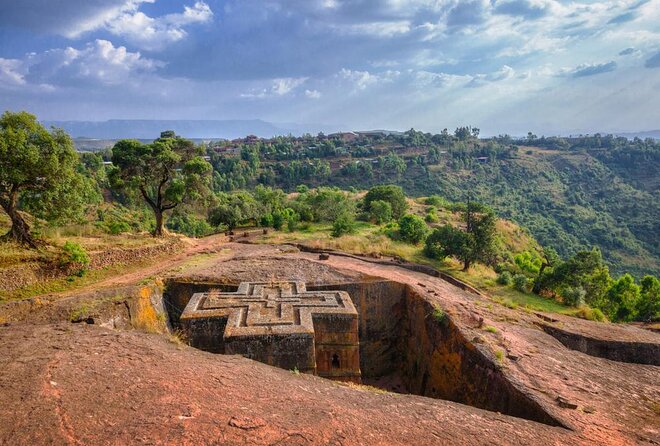
Reviewed · ROCK-HEWN CHURCHES OF LALIBELA
3-days Scheduled Lalibela Churches & Abune Yosef Trekking
Churches meet highland trekking here. I like the rare mix of Lalibela’s UNESCO rock-hewn churches and a community-based mountain route, especially the overnight village stay and the chance to join a traditional coffee ceremony. I also like that guides such as Sami, Joseph, Moges, and Kanu are praised for pacing groups carefully and helping less experienced hikers.
The main consideration is the effort. The tour is graded easy, but it covers about 45 kilometers, reaches roughly 4,200 to 4,280 meters, and includes a 10-hour, 18-kilometer day. The altitude and long walks matter more than the label suggests, and you should clarify sleeping arrangements and bring a sleeping bag if you can.
In This Review
- Five things that define this three-day trek
- Why this route is more than a church tour
- Day one: Asheton Maryam and the walk into village life
- Day two: the long climb to Abune Yosef
- Day three: downhill to Lalibela and the stone churches
- The community experience and what you actually gain
- Price, group size, and practical preparation
- Should you book the Abune Yosef trek?
- FAQ
- How long is the Lalibela and Abune Yosef experience?
- How high does the trek go?
- Which days does the tour operate?
- Are meals included?
- Are the Lalibela church and park entrance fees included?
- What happens if I need to cancel?
Five things that define this three-day trek
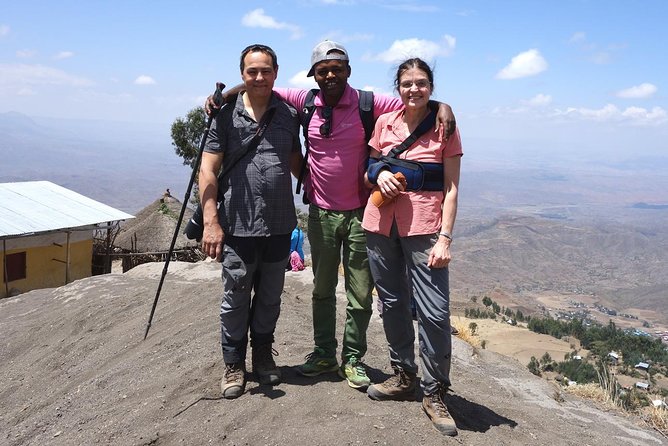
- Abune Yosef at 4,200 meters: Reach a high mountain viewpoint over valleys, fields, and scattered villages.
- A night in Ade Medhamialem: Spend time in a local mountain community rather than returning to Lalibela each evening.
- Gelada baboons in the wild: Keep watch for herds of Ethiopia’s distinctive highland primates.
- A real coffee ceremony: Share one of Ethiopia’s most meaningful social customs in a mountain village.
- Lalibela churches on the final afternoon: Visit the famous rock-hewn churches, including St. George, after returning from the hills.
Why this route is more than a church tour
Lalibela is famous for its churches, and rightly so. But the town can become a quick stop on a northern Ethiopia trip: see the stone sanctuaries, take a few photographs, and move on. This trek gives you a slower look at the area, where daily life takes place among fields, huts, animals, steep paths, and high mountain ridges.
The community focus is important. Your spending supports local guides, porters, food providers, and village hosts rather than keeping every part of the experience inside town. You also get a better sense of how people live in the highlands, where a coffee ceremony, a school visit, or a conversation in a village can be as memorable as a famous monument.
The tour operates on Mondays and Fridays. It costs $350 per person, with a maximum group size of 16. That price includes a professional guide, park admission, Lalibela church admission, bottled water, hotel pickup and drop-off, two dinners, two lunches, and two breakfasts. The package is good value if you want both the mountain route and the churches, since entrance fees and meals are already covered.
Still, read the inclusions carefully. The first day’s breakfast is not included, alcoholic drinks cost extra, and transportation to or from attractions is listed separately from hotel pickup and drop-off. Overnight village accommodation is part of the described experience, but it is not clearly listed among the included services. I would ask exactly where you sleep, what bedding is supplied, and whether the village stay has basic indoor facilities before paying.
More Lalibela church tours:
- Visiting Lalibela churches
★ 5.0 · 40 reviews - Tour 11 monolithic rock churches & museum in Lalibela & cave church with mummies
★ 5.0 · 37 reviews - Lalibela, Axum, Danakil and Omo Valley 8 DAYS
★ 5.0 · 29 reviews
Day one: Asheton Maryam and the walk into village life
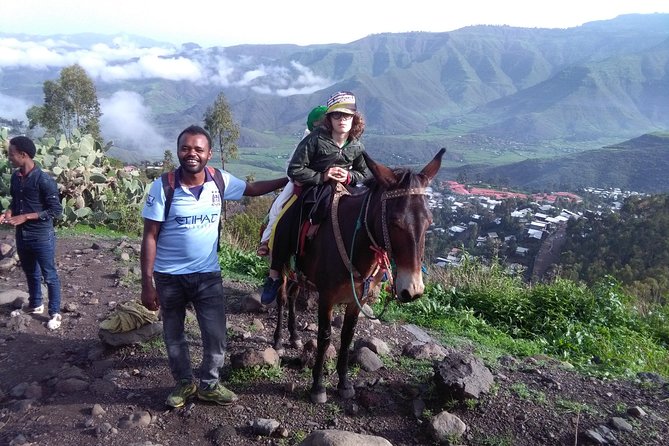
The tour begins with a meeting at the operator’s office in central Lalibela, next to the Ethiopian Airlines office. This takes place the day before the trek, giving you a chance to confirm the plan and look over the route map. The following morning, the guide and porter meet you at your hotel reception at 7:45 a.m.
Your luggage and trekking supplies are organized for transport by donkey, then you walk from the office or take a short tuk-tuk ride to the trailhead, depending on the arrangements for your group. That small transfer matters because it saves energy before the climb begins. Confirm the exact pickup details the day before.
The first route includes Asheton Maryam Monastery, Ade Medhamialem, Asheton, Hudad, and the lower slopes of Abune Yosef. Asheton Maryam is a mountain church, so the setting is part of the visit. You are not simply moving between town attractions. You are walking through the highlands toward a religious site that feels tied to the surrounding terrain.
This day lasts about seven hours. It is also described in the feedback as the toughest day for some people, even though the overall grade is called easy. The pace is a key part of the experience. Guides Sami and Joseph are praised for taking a mixed-ability group uphill slowly, while Moges is noted for leading a memorable three-day trek. If your hiking experience is limited, tell the guide early rather than trying to prove something on the first climb.
One of the day’s best moments may be the coffee ceremony in a mountain village. Coffee in Ethiopia is not just a quick drink. It is a social welcome, and taking part gives you a direct connection with local routine rather than a staged stop built only for photographs.
You may also visit a local school. That adds a useful human detail to the mountain route, particularly if you want to understand the community beyond scenery and wildlife. The pace may feel unhurried, but that is part of the point. This is a community-based trip, not a race from one viewpoint to the next.
The overnight stop is Ade Medhamialem village. Past participants describe being treated like family in a small local home, which sounds appealing but also means you should prepare for simple conditions. Pack a sleeping bag if possible. Extra blankets are provided, but mountain nights can be cold, especially at altitude.
Day two: the long climb to Abune Yosef
Day two begins after breakfast and heads toward Tegu Kebele. The route includes the small and big Ziget mountains before reaching the top of Mount Abune Yosef, listed at about 4,200 meters. The day covers more than 18 kilometers and lasts around 10 hours, making it the physical center of the trip.
This is where the tour’s easy grade needs a practical footnote. The path may not require technical climbing, but a long high-altitude walk can tire you quickly. You will want sturdy shoes, sun protection, water, warm layers, and enough snacks to keep your energy steady. Bottled water is included, but do not assume that every personal item will be available in the villages.
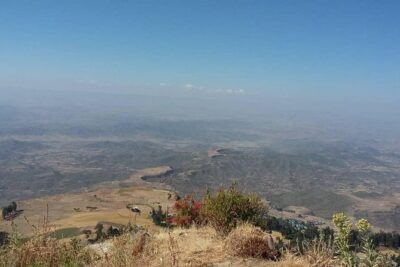
The reward is the view. From the summit, you can see broad valleys, mountain ridges, fields, meadows, huts, horses, and cows. The appeal is not a single dramatic viewpoint alone. It is the changing picture as you walk higher, with village life becoming smaller below and the open highlands taking over.
Abune Yosef is also a strong place for wildlife watching. Gelada baboons are one of the main attractions, and several people report seeing herds along the route. These are not zoo animals placed beside a path. You may find them feeding or moving across the highland slopes, so keep your distance and let the guide handle the approach.
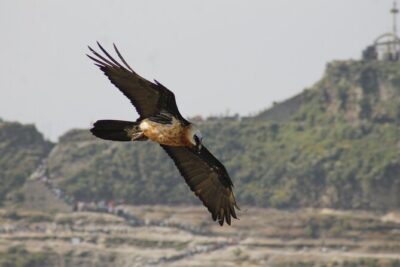
The route can also bring sightings of the lammergeier, described here as the biggest bird. Wildlife is never guaranteed, so treat these as possibilities rather than promises. The mountain setting itself is worth the walk, but the chance of seeing large baboon groups and a soaring bird adds excitement.
Lunch takes place on or near the summit, then you return to Ade Medhamialem village. That return makes the day feel long, particularly after the climb. A leisurely start is not an option here, so use the early morning well and keep your pack light.
Altitude deserves serious attention. The tour reaches around 4,200 to 4,280 meters, and the supplied information does not promise a gradual acclimatization program. If you know you react badly to high altitude, or if you have medical concerns, seek professional advice before booking. The guides can control the pace, but they cannot remove the effects of thin air.
Day three: downhill to Lalibela and the stone churches
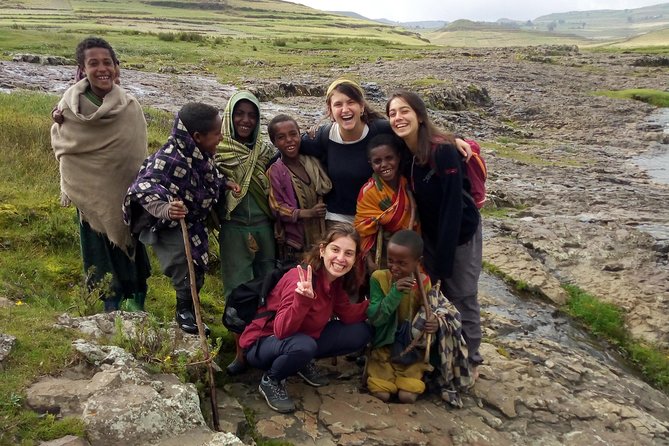
After breakfast, you walk downhill toward Lalibela city. The day’s walking takes about five hours, followed by lunch and an afternoon church visit. Compared with the summit day, this sounds gentle, but downhill walking can still work hard on knees and ankles after two days on mountain paths.
Returning on foot gives you a satisfying change of pace. You begin among high villages and open mountain views, then gradually approach the town where the rock-hewn churches are located. That contrast helps you understand Lalibela as a living place, not only as an archaeological site.
After lunch, you visit the UNESCO World Heritage churches of Lalibela, including St. George. The churches are cut directly into volcanic rock and linked by passageways, courtyards, and stepped routes. Your guide provides historical and religious context, which is particularly useful after seeing the churches’ wider setting from the mountains.
The timing is smart for anyone who wants both activities without rushing through the churches on arrival day. You spend the first two days focused on village life and mountain walking, then finish with Lalibela’s main cultural sight. The drawback is that you may be tired during the church visit. If detailed architecture and religious history are your main priority, consider adding extra time in Lalibela beyond this tour.
Architecture students who joined the route found the guide support useful even when not everyone was in strong hiking shape. That is encouraging for mixed groups, but you should still be honest about your fitness. A group of up to 16 can include different speeds, and a patient guide helps, but the 18-kilometer second day remains a fixed challenge.
More hikes and treks:
- Trekking in Ethiopia’s Lalibela Wollo Highland 4 Days / 3 Nights
★ 5.0 · 6 reviews - Day Hike Around Lalibela
★ 5.0 · 5 reviews - Lasta Mountains: Highland Eco Trekking Tour in Lalibela
★ 5.0 · 4 reviews - Lalibela 2-Day Eco Trekking Tour
★ 5.0 · 3 reviews
The community experience and what you actually gain
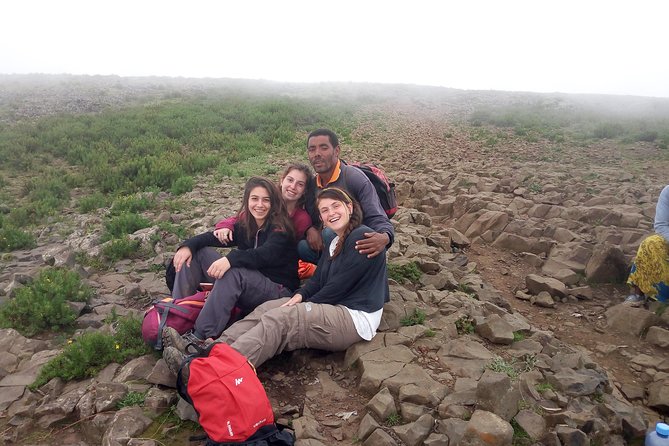
The strongest part of this tour is its contact with ordinary life. A coffee ceremony, a village overnight, a school visit, and time among local families give you more than a mountain photograph. You get small observations: how homes are arranged, how food is shared, how animals fit into village life, and how people live at high elevation.
The ethical side also matters. The tour is presented as eco-friendly and community-based, with local benefits built into the route. That does not mean every effect is automatically positive, so it is still fair to ask how porters, donkey handlers, village hosts, and guides are paid. But choosing a locally run route gives you a better chance of directing money into the communities you visit.
You should also expect simple meals and basic accommodation rather than hotel comfort. Two dinners, two lunches, and two breakfasts are included, but the exact menu is not specified. If you have dietary restrictions, tell the operator before departure.
Price, group size, and practical preparation
At $350, the cost is reasonable for three days if you make use of everything included. Church admission, park entry, guide services, porter support, bottled water, hotel transfers, and five included meals reduce the number of extra expenses. The village stay and local contacts add value that would be difficult to arrange on your own.
The price is less attractive if you only want a short church visit or a gentle half-day walk. You are paying for distance, guiding, community access, and the logistics of moving supplies into the mountains. For a private group, confirm whether the quoted price changes with group size, since the advertised maximum is 16 people.
Bring layers for changing mountain weather, comfortable walking shoes, sun protection, a sleeping bag if available, personal medication, and a small bag for daily essentials. The tour operates in all weather conditions, so dress for rain and cold as well as sunshine.
The cancellation rule is simple: cancel at least 24 hours before the local start time for a full refund. Later cancellations and changes are not accepted. Confirmation is provided when you book, and service animals are allowed.
Should you book the Abune Yosef trek?
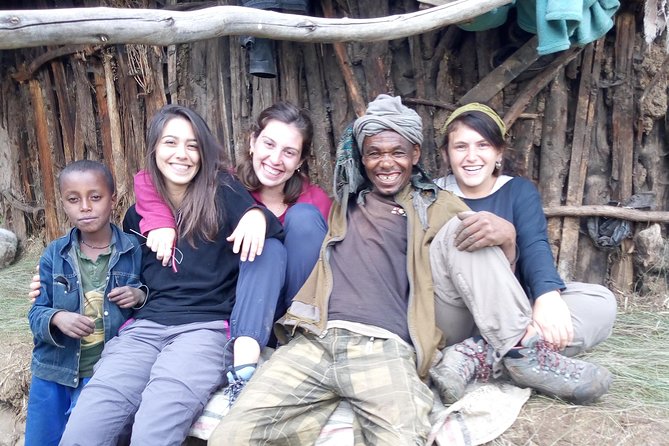
I would choose this tour if you want Lalibela to feel like more than a monument stop. The village night, coffee ceremony, Gelada baboons, high summit, and church visit create a well-rounded three-day experience. The highly praised guides, including Sami, Joseph, and Moges, are another reason to feel comfortable with a mixed-ability group.
I would skip it if you want luxury, short walks, or a flexible schedule. The second day is long, the altitude is serious, and village accommodation may be basic. Ask about bedding, facilities, meals, and transportation before you commit.
For fit visitors who value local contact and mountain scenery, this is a strong use of three days in Lalibela. Pack light, bring warm gear, take the pace seriously, and leave room in your schedule to appreciate the churches after the trek.
FAQ
How long is the Lalibela and Abune Yosef experience?
It lasts approximately three days. The total trekking distance is about 45 kilometers.
How high does the trek go?
The route reaches Mount Abune Yosef at approximately 4,200 meters. The overall tour information also gives an altitude of 4,280 meters.
Which days does the tour operate?
Departures are scheduled every Monday and Friday.
Are meals included?
Two dinners, two lunches, and two breakfasts are included. Breakfast on the first day is not included.
Are the Lalibela church and park entrance fees included?
Yes. The Lalibela Churches Entrance Fee and Park Entrance Fee are included.
What happens if I need to cancel?
You can receive a full refund by canceling at least 24 hours before the local start time. Cancellations or changes made less than 24 hours before departure are not accepted.
Just added around Lalibela
- Lalibela 2-Day Eco Trekking Tour★ 5.0 · 3 reviews
- Full Day Tour in Lalibela★ 5.0 · 3 reviews
- Lasta Mountains: Highland Eco Trekking Tour in Lalibela★ 5.0 · 4 reviews
- Lalibela: Churches Full-Day Private Tour w/Coffee Ceremony★ 4.7 · 5 reviews
- Day Hike Around Lalibela★ 5.0 · 5 reviews
- Full Day Tour To The 11 Rock Hewn Churches Of Lalibela★ 5.0 · 5 reviews
- Fully guided city tours of Addis Ababa with hotel pickup★ 5.0 · 5 reviews
- 3 Days 2 nights Lalibela & Yemrehana Krestos seightseeeing tour★ 5.0 · 6 reviews
Rock-Hewn Churches of Lalibela, compared.
12 Days SIMIEN MOUNTAIN-LALIBELA-DANAKIL-TIGRAY CHURCHES
Read our review →
Tour 11 monolithic rock churches & museum in Lalibela & cave church with mummies
Read our review →
5 DAYS Lalibela, Axum, Tigray churches and Danakil
Read our review →
6 Days tour Package (Simien Mountains, Lalibela, and Danakil Depression)
Read our review →
Lalibela, Axum, Danakil and Omo Valley 8 DAYS
Read our review →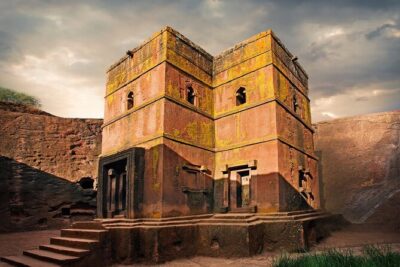
Browse the lists this tour appears in