

Reviewed · OMO VALLEY TRIBAL TOURS
Omo valley Tour: Discover unique 0 century 🕛 tribes culture
The Omo Valley rewards curious, patient visitors. This tour links Jinka with Hamar, Karo, Mursi, Bana, Tsemay and other communities, giving you a close look at southern Ethiopia’s culture, markets and national parks. The phrase 0 century tribes used in the promotion is awkward, but the intended message is clear: you are visiting communities with longstanding traditions, not a polished theme park.
I like the chance to meet more than three Omo Valley communities in a short trip, and I like that the package covers guides, park entry, meals, water, accommodation and transport. Kali is praised for personal service, environmental care and flexibility, while driver Elias helped make one three-day trip especially enjoyable. The main drawback is the demanding schedule: roads, heat, long drives and early starts can make three days feel tight.
A second consideration is that cultural visits require care. Some practices, clothing and ceremonies are deeply personal. You will get more from the experience if you follow your guide’s advice, ask before taking photographs and treat each meeting as a human encounter rather than a collection of pictures.
In This Review
- Key points to know before you book
- What the $500 price really covers
- Day one: Jinka to Turmi and the Hamar community
- Day two: Karo villages and the Saturday Dimeka market
- Day three: Mago National Park and the Mursi visit
- Adding Bana, Tsemay, Dasenech and Ari communities
- Transport, food and daily comfort
- Guide quality and the human side of the trip
- Ethical visits and good cultural manners
- Who should book this Omo Valley tour?
- Should you book it?
- FAQ
- How long does the Omo Valley tour last?
- What is included in the $500 price?
- Which communities can I visit?
- Can I visit the Dimeka market?
- Where can the tour pick me up and drop me off?
- Is the tour suitable for pregnant women?
Key points to know before you book
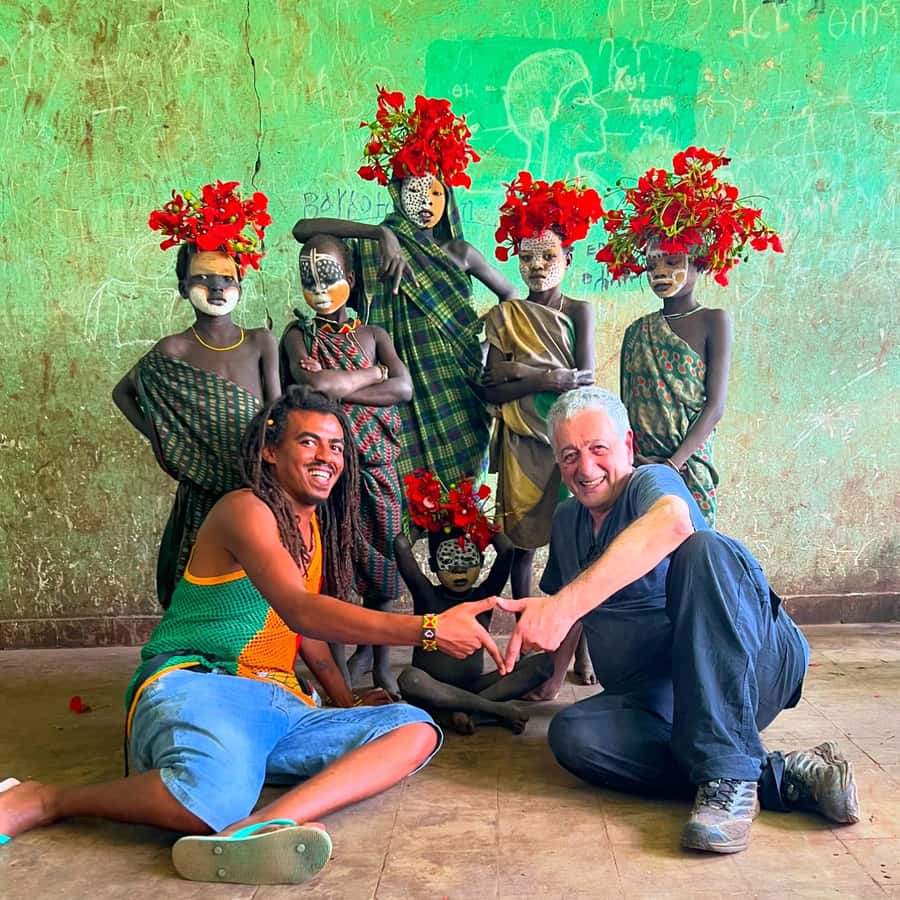
- Three days covers Hamar, Karo and Mursi communities: The standard short plan also includes the Dimeka market, with possible contact with Bana, Tsemay and Dasenech communities.
- The Hamar visit may be the emotional high point: Bull jumping is a major rite connected with adulthood and marriage, but it is a ceremony, not a performance arranged for visitors.
- Dimeka market brings several communities together: Saturday is the key market day, when Hamar, Bana, Karo, Dasenech and Tsemay people come to trade goods and cattle.
- Mursi country requires a park drive: The village visit is about 66 kilometers from Jinka, inside Mago National Park, with a park scout included.
- The package is unusually inclusive: Meals, mineral water, park and village fees, local guides, a boat crossing, accommodation and camping equipment are included.
- The trip can be adjusted: Private and small-group tours are available, and pickup can be arranged from several Ethiopian airports and hotels in Addis Ababa.
What the $500 price really covers
The advertised price is $500 per person. For the three-day route, that is not simply a guiding fee. The package includes hotel pickup and drop-off, Jinka airport transfers, local guides, village entry fees, entry to Mago, Nech Sar and Omo national parks, a park scout, three meals each day, unlimited mineral water, accommodation, camping equipment and a boat crossing on the Omo River.
That list matters in southern Ethiopia. Transport and park arrangements are not small extras, and paying entrance fees separately can make a supposedly cheap trip less simple than it first appears. Here, much of the practical work is bundled into one price.
The value depends on your group size and final route. The standard plan is a two-night, three-day trip, but the operator also offers trips lasting from two to seven days, with longer private programs possible according to your time and budget. Before paying, ask what the $500 covers for your exact number of days, group size and starting point.
Pickup from Addis Ababa can be arranged from Bole International Airport or an Addis hotel. You can also start from Jinka, Arba Minch, Mekelle or Semera airports. The final drop-off can be arranged at Jinka, Semera, Mekelle or Arba Minch Airport. This flexibility is useful, but confirm the route carefully, since a transfer from Addis Ababa involves a different travel plan from a tour beginning in Jinka.
More Omo Valley tours:
- 6 Days Omo Valley Tribes Tours From Addis Ababa
★ 5.0 · 33 reviews - Lalibela, Axum, Danakil and Omo Valley 8 DAYS
★ 5.0 · 29 reviews - 3 Days Omo Valley Tour
★ 5.0 · 24 reviews
Day one: Jinka to Turmi and the Hamar community
The first day begins with pickup in Jinka, followed by lunch and a drive toward Turmi. This is your introduction to the Hamar area, where the accommodation may be an eco-lodge inside a Hamar village or a campsite with the community.
The Hamar are known for body scarification, clay-shaped hairstyles and the bull-jumping ceremony. Bull jumping is tied to a young man’s passage toward marriage and adulthood. If a ceremony takes place during your visit, it can be a powerful cultural moment, but timing is not something you should assume. The description presents it as a possible highlight, not a guaranteed daily show.
This is also the part of the route most likely to feel personal. One three-day visit included a bull-jumping ceremony, and the experience was described as the most exciting part of the trip. That does not mean every departure will see one. Ask Kali or your guide before departure whether a ceremony is expected and how visitors should behave.
The overnight setting is part of the appeal. Sleeping at Turmi, possibly in an eco-lodge or camp, keeps you close to the area you came to see. It also means you should be ready for basic conditions rather than city-hotel polish. Camping materials and fees are included, which helps, but ask what type of accommodation is planned for your dates.
Kali founded the tour company in 2013 and is based around Jinka and Arba Minch. The company presents its work as ethical, ecological and sustainable, with attention to fair wages and limiting harm to people, animals and nature. Those promises are encouraging, but the best way to support responsible visits is to ask your guide about photography, payments and local customs once you arrive.
Day two: Karo villages and the Saturday Dimeka market
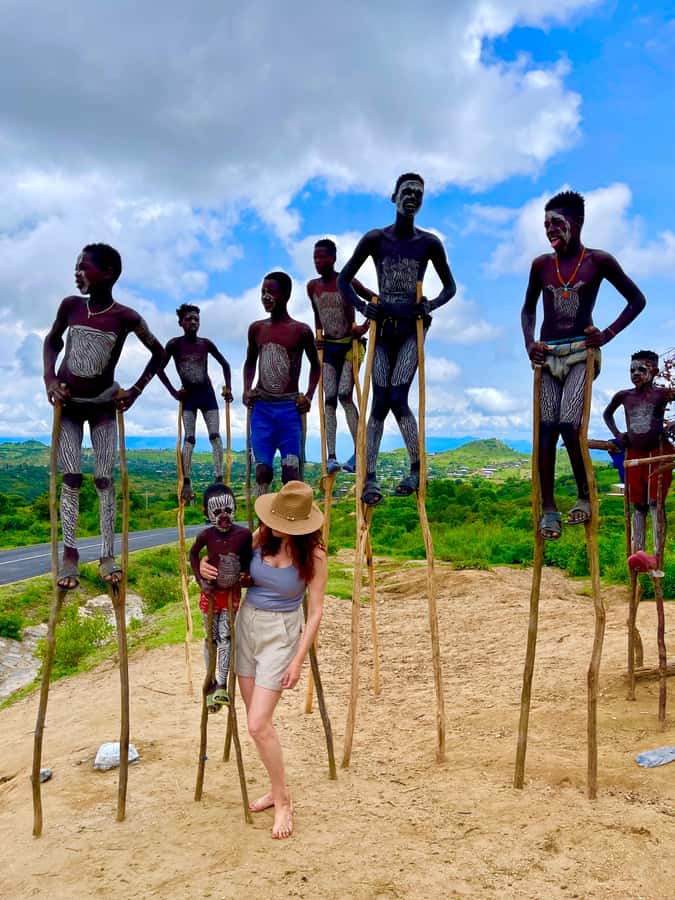
After breakfast, you head toward the Karo communities along the Omo River. The Karo are agro-pastoralists, meaning their way of life connects livestock with farming. They are also known for body painting, a practice that has become one of the most recognizable visual features of the Omo Valley.
This visit works best when you look past the paint. Ask your guide to explain when and why body decoration is used, rather than treating it as a costume display. The value of the stop is in understanding how appearance, identity and ceremony connect within each community.
The route then reaches Dimeka market, provided your schedule lines up with Saturday. This is described as one of the largest Hamar markets in the area. Hamar, Bana, Karo, Dasenech and Tsemay people come to buy and sell products and cattle.
Dimeka gives you a wider view than a village visit alone. Instead of meeting one community in isolation, you see people from several groups sharing a trading place. Markets also bring a practical side of local life into view: selling, buying, social contact and livestock exchange.
Saturday timing is important. If your trip is only two or three days, missing Saturday means missing this particular market day. Ask for the departure dates before booking. The tour can be changed to suit your schedule, but a change in dates may affect which communities and markets you see.
You spend the night in Jinka after the market and Karo excursion. That return makes the third day possible, since Mago National Park and the Mursi village are reached from Jinka. It also breaks up the driving and gives you a more practical base than remaining in Turmi.
Day three: Mago National Park and the Mursi visit
The final morning takes you to a Mursi village, about 66 kilometers from Jinka, inside Mago National Park. Entry to the park and a scout inside the park are included. The scout is an important part of the arrangement because this is a protected area and a remote rural route.
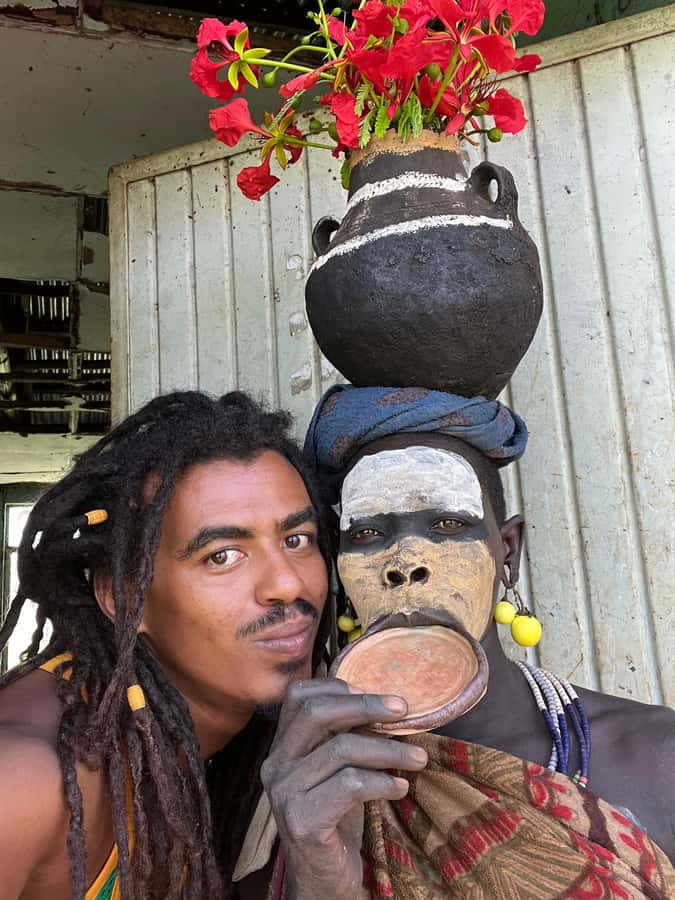
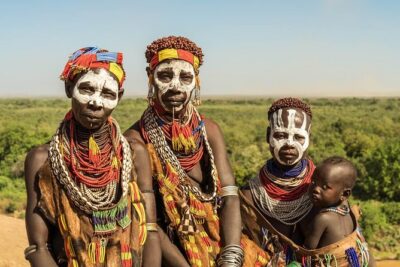
The Mursi are widely known for large lip plates and ear-lobe plates. The tour also describes a traditional practice in which some Mursi men take blood from cattle through a small puncture, then use traditional medicine to help the wound heal. The blood is consumed without killing the animal.
This account may be striking, but you should approach it with respect. It is not an attraction staged on demand. If you encounter the practice, listen to the explanation and avoid reducing it to a shocking photograph. Your guide’s role is especially important here, both for translation and for helping you understand what you are seeing.
The Mursi visit is the most remote section of the three-day route. The drive is not long by some Ethiopian road standards, but the combination of distance, park access and village time can make the morning feel full. Wear practical clothing, carry your passport or identification, and keep some cash with you, as the operator specifically recommends.
After the Mursi excursion, the short itinerary finishes in Jinka. This is useful if you have a flight from Jinka Airport or plan to continue through southern Ethiopia. It is not a round trip back to Addis Ababa unless you arrange a separate flight or transfer.
A few more tours of this kind worth a look:
- 3 days around Arbaminch and Konso Adventure Tours Life Time
★ 5.0 · 24 reviews - Private 3 Days Adventure Tour Through Arba Minch
★ 5.0 · 16 reviews - 5 Day Private tour to the Omo Valley Tribes and Adventure Tour
★ 5.0 · 11 reviews - Omo Valley Tribes 6 Days Tours
★ 4.9 · 10 reviews
Adding Bana, Tsemay, Dasenech and Ari communities
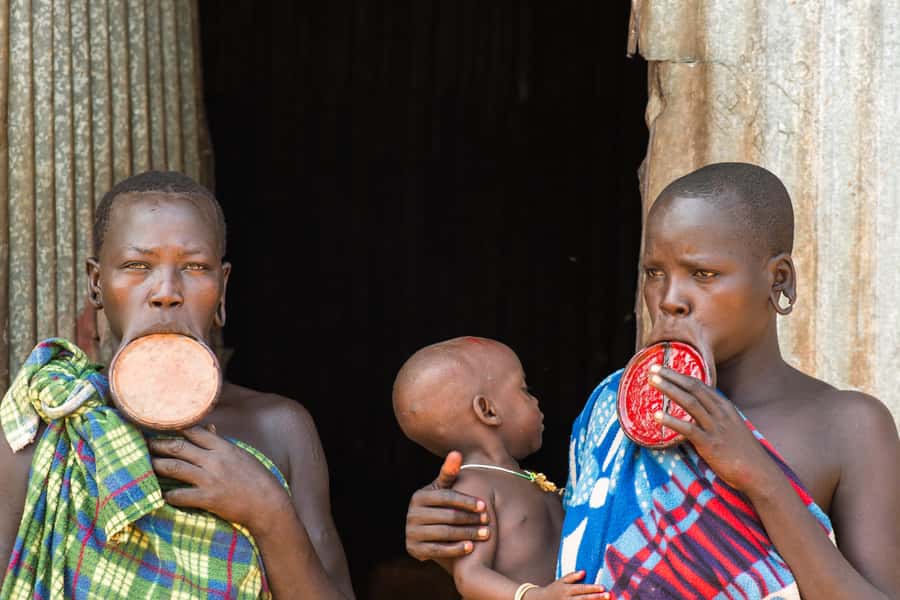
The short plan names Hamar, Karo and Mursi visits, while the broader description lists Bana, Tsemay and Dasenech among the communities connected with the market and longer trips. One previous itinerary also included Ari, Dasenech, Hamar and Mursi communities.
That variation is a strength if you want a private trip. It is also a reason to request a written day-by-day plan. Do not assume that every community listed in the general description will be visited on a three-day departure. Your dates, market day and available time will shape the final route.
A longer two-to-seven-day program should give you more room for these additions. The company says private tours can be arranged for one to twenty days according to your time and budget, so there is room to build a slower program. The advertised activity duration is two to seven days, however, and you should clarify the maximum length available for your booking.
Transport, food and daily comfort
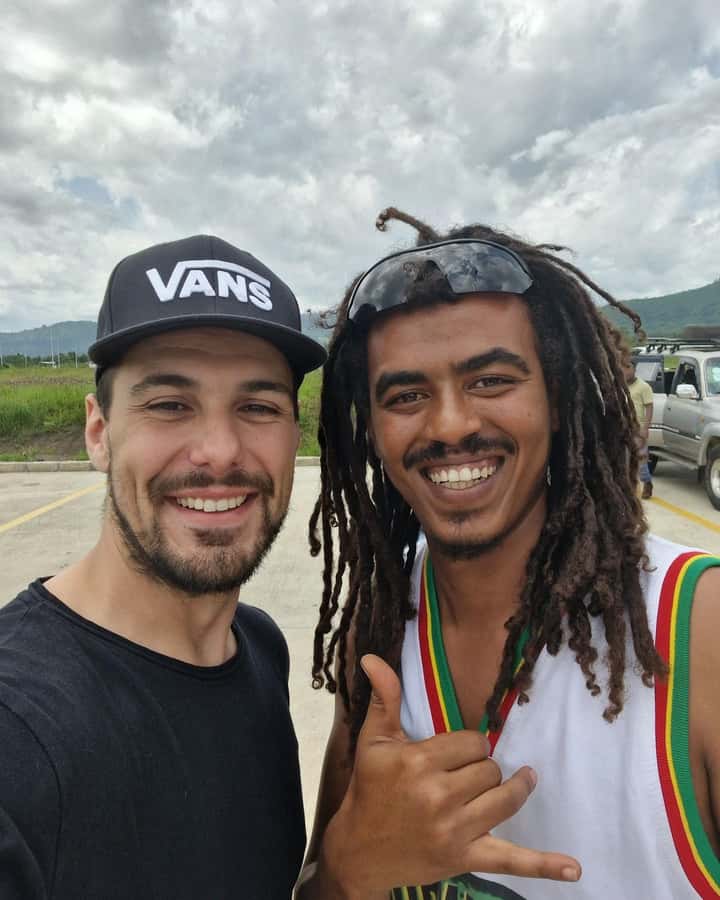
The experience includes hotel and lodge accommodation, camping materials and camping fees. You may sleep in Turmi near or inside a Hamar village, then in Jinka the following night. The exact standard can vary, so ask whether your dates use a lodge, hotel or tented camp.
Three meals a day and unlimited mineral water are included. That is a useful benefit in a hot, remote area where finding food between stops may not be easy. Alcoholic drinks are not included, so budget separately if you want them.
A comfortable car was singled out as a positive feature in one trip. Vehicle comfort matters here because the route includes repeated drives between Jinka, Turmi, Dimeka, Karo areas and Mago National Park. A private or small group booking should give you more control over stops and pace, although the available information does not specify the exact vehicle model or maximum group size.
The tour is advertised as wheelchair accessible, and private or small groups are available. Because road conditions and village access can vary, explain your mobility needs before booking and ask how each planned stop will work in practice.
Guide quality and the human side of the trip
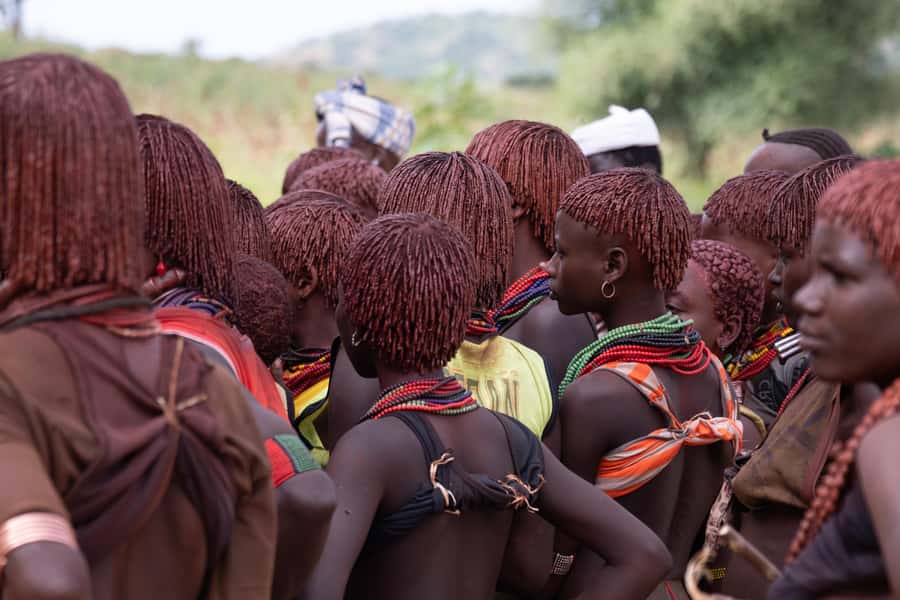
Kali is the central contact and guide, with strong local knowledge of the Jinka and Arba Minch areas. He is also associated with photography tours, which may appeal to anyone interested in portraits, daily life and careful visual storytelling.
Driver Elias was specifically praised as fun to travel with during a three-day trip. That detail matters more than it may sound. You spend a large part of the route in the vehicle, so a relaxed driver and clear communication can shape the whole experience.
The guiding service is offered in English, Amharic, Arabic, Chinese, Dutch, French, Italian, Japanese and Spanish. An optional English audio guide is also listed. Confirm which language your live guide will speak, since the available language list does not necessarily mean every language is available for every departure.
The most consistent strengths are personal attention, flexibility, safety and care for the environment and animals. One booking described the guide as attentive to individual needs, while another praised the comfortable car and accommodation. The overall rating is 5 out of 5 from four verified bookings, though that is a small sample. I would treat it as encouraging evidence rather than a guarantee that every departure will be identical.
Ethical visits and good cultural manners
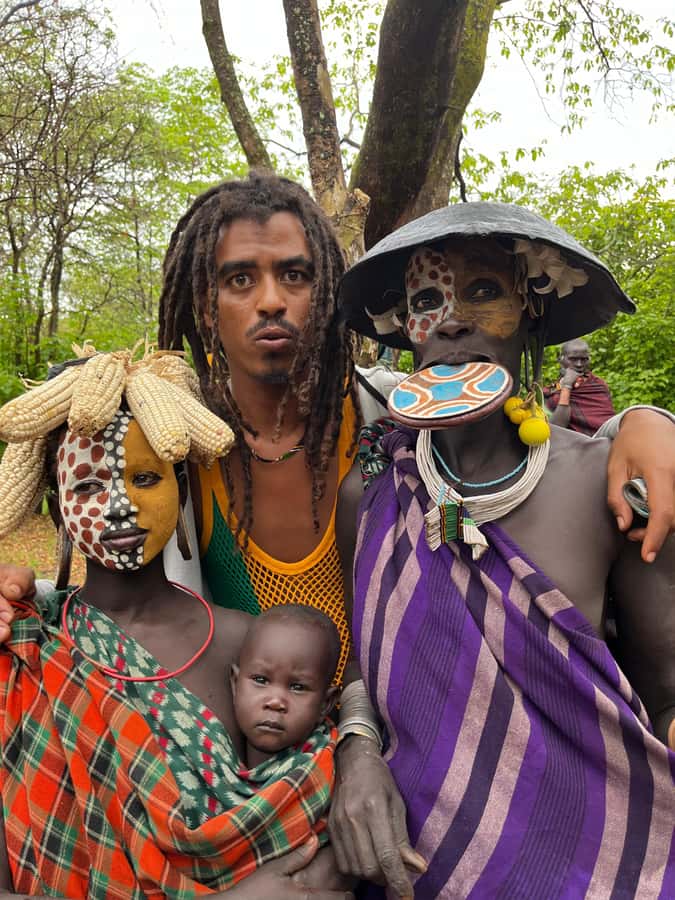
The Omo Valley has become famous for images of body decoration, lip plates, ceremonies and traditional dress. That fame can create a risk: you may start looking at people as subjects before you have considered their daily lives.
Kali Omo Valley says it aims to pay fair wages, reduce environmental harm and leave only footprints. Those goals fit the setting, but responsible conduct also comes from you. Ask permission before photographs, listen when a guide explains local rules and do not pressure anyone to pose or repeat an action.
A small group or private trip may help here because it allows more time and fewer distractions. It also lets you ask for a slower pace or more explanation. If your main goal is photography, say so at the start and agree with your guide on respectful ways to work.
Who should book this Omo Valley tour?
This trip suits you if you want a concentrated introduction to southern Ethiopia and are comfortable with long drives, basic accommodation and a full schedule. It is a good match for people who want cultural encounters paired with national park visits, rather than a resort-style holiday.
It also suits photographers, solo visitors and small groups who value a flexible guide. The private format can help you adjust the length, communities and departure point. Families may appreciate the inclusive meals and transfers, but the operator specifically says the activity is not suitable for pregnant women.
You may want a longer itinerary if you dislike rushing or want more than three communities. The three-day plan is efficient, but it leaves little spare time if transport takes longer than planned or if you want to stay with one community for a while.
Free cancellation up to 24 hours before the activity and reserve-now, pay-later booking make planning less risky. Still, confirm the final price, airport transfer, accommodation type, market date and exact communities before you commit.
Should you book it?
I would book this tour if you want an organized, all-inclusive route through the Omo Valley with a strong chance of meeting Hamar, Karo and Mursi communities in three days. The $500 price is reasonable when you count guides, park scouts, entries, meals, water, lodging, camping gear and transport.
I would choose a longer private version if you have the time and want a calmer pace. Ask for Saturday Dimeka market, confirm any planned ceremony without expecting one, and discuss respectful photography before you arrive. For an intense first look at southern Ethiopia, this is a practical and personal option, provided you come prepared for rough roads, cultural sensitivity and a schedule that asks a lot of each day.
FAQ
How long does the Omo Valley tour last?
The advertised duration is two to seven days. A detailed short itinerary runs for two nights and three days, and longer private programs can be arranged according to your time and budget.
What is included in the $500 price?
The package includes hotel pickup and drop-off, Jinka airport transfers, village entry fees, entry to Mago, Nech Sar and Omo national parks, local guides, a park scout, three meals daily, unlimited mineral water, a boat crossing on the Omo River, lodges or hotels, camping materials and camping fees.
Which communities can I visit?
The three-day plan includes Hamar, Karo and Mursi visits. The wider route and Dimeka market can also involve Bana, Tsemay, Dasenech and other communities, depending on your dates and customized itinerary.
Can I visit the Dimeka market?
Yes, the itinerary includes the Saturday Dimeka market. It is described as a major Hamar market where Hamar, Bana, Karo, Dasenech and Tsemay people buy and sell goods and cattle. Confirm your dates if this market is important to you.
Where can the tour pick me up and drop me off?
Pickup can be arranged from Bole International Airport or a hotel in Addis Ababa, as well as Jinka, Arba Minch, Mekelle or Semera airports. Drop-off can be arranged at Jinka, Semera, Mekelle or Arba Minch Airport.
Is the tour suitable for pregnant women?
No. The activity is listed as unsuitable for pregnant women.
Just added around Ethiopia
- 10 Days in Northern Ethiopia Tours★ 4.5 · 3 reviews
- Lalibela 2-Day Eco Trekking Tour★ 5.0 · 3 reviews
- Day trek to Simeien Mountains★ 5.0 · 3 reviews
- Full Day Tour in Lalibela★ 5.0 · 3 reviews
- Day Trip to Tiya UNESCO Site & Melka Kunture Archaeological Site★ 4.5 · 3 reviews
- Two days Lake Wenchi and Menagesha Forest★ 5.0 · 3 reviews
- 4 Days tour in omo valley.★ 4.5 · 3 reviews
- 6 days 5 nights Addis Abeba sightseeing & Lalibela Rock-Hewn Churches★ 5.0 · 3 reviews
Omo Valley Tribal Tours, compared.

6 Days Omo Valley Tribes Tours From Addis Ababa
Read our review →
Lalibela, Axum, Danakil and Omo Valley 8 DAYS
Read our review →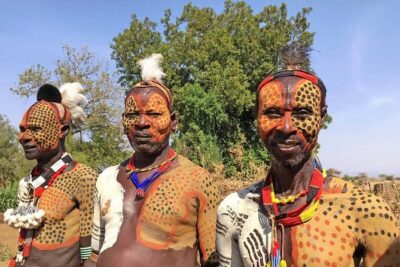
Danakil Depression, Lalibela, Omo Valley and Simien Mountains
Read our review →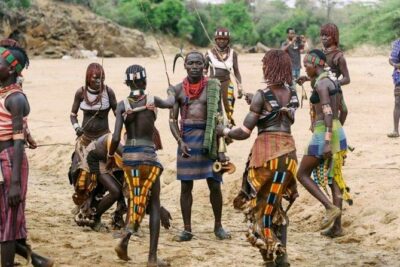


9 Days Tours To Danakil Depression, Simen MNP, Lalibela With Omo Valley Tribes
Read our review →Browse the lists this tour appears in