
Reviewed · 4-DAY EXPERIENCES
Arba Minch, Dorze Tribe, Konso, and Awasa Private 4 Days Tour from Addis Ababa
Southern Ethiopia packs a lot into four days. This private trip links UNESCO sites, tribal villages, Rift Valley lakes, and local communities in one long but rewarding route from Addis Ababa.
I like the comfort of a private, air-conditioned Toyota minivan, and I like having both an English-speaking guide and local guides at important sites. The included coffee ceremony, family visits, bottled water, and snacks add a human touch. The drawback is the pace: long drives and four full days leave little room for rest, and accommodation and meals are not included in the $1,285 group price.
The strongest praise goes to guide Muluken and drivers including Belay and Fitsum. Their care, safe driving, humor, strong English, and ability to adjust the day are important advantages on a route where road time can be substantial. This tour is best for a small group that wants a broad first look at southern Ethiopia rather than a slow stay in one place.
In This Review
- Key points before you book
- What the four-day route really offers
- Day one: Tiya stones and the Rift Valley
- Day two: Konso’s stone villages and terraced fields
- Day three: Dorze homes and enset cooking
- Day four: fish, wildlife, and three Rift Valley lakes
- Vehicle, guides, and the human side of the trip
- Hotels, clothing, and practical planning
- Who will get the most from this private tour?
- Should you book it?
- FAQ
- Is the tour private?
- What vehicle is used?
- Is accommodation included?
- Are meals included?
- Is the tour suitable for people with limited fitness?
- Can I cancel for a full refund?
Key points before you book
- Tiya’s carved grave markers offer a quick but worthwhile introduction to southern Ethiopia’s ancient sites.
- Konso’s terraced farming areas and stone-fenced villages are the cultural heart of the trip.
- Dorze homes are built from bamboo, and you can learn how enset, also called false banana, becomes bread and porridge.
- Awassa’s fish market gives you a close look at an active local food economy early in the morning.
- The private vehicle and small group format make a demanding route more comfortable and flexible.
- Hotels and meals are extra, so your final budget will be higher than the tour price alone.
What the four-day route really offers
This is not a relaxed resort holiday. You will cover a wide section of southern Ethiopia by road, moving from archaeological sites near Addis Ababa to Arba Minch, Konso, Dorze country, Awassa, and the Rift Valley lakes before returning north.
That range is the main attraction. In four days, you see stone monuments, farming terraces, traditional architecture, religious communities, wildlife, fishing, and lake scenery. The tradeoff is that each stop is fairly focused, and some days require several hours in the vehicle.
The private arrangement helps. Your group can travel with its own guide and driver rather than following a large coach schedule. That matters when you want extra time at a village, need a break, or want to stop at a viewpoint.
The tour costs $1,285 for up to six people. Divided among six, that is about $214 per person for four days before hotels, meals, and drinks. For two people, the per-person price is much higher, but a private vehicle, guide, local guides, coffee, snacks, water, and entrance-related costs that are listed as included provide real value for a small group.
More four-day itineraries:
- Omo Valley 4days 3nights Cultural Tour
★ 5.0 · 7 reviews - 4-Day Tour: Tigray Churches & Danakil Depression Adventure.
★ 5.0 · 11 reviews - 4 days semien mountain national park trekking,
★ 5.0 · 11 reviews
Day one: Tiya stones and the Rift Valley
The first major stop is Tiya, a UNESCO World Heritage site known for roughly 40 carved stone grave markers. The stones date from the 14th century AD and carry distinctive markings whose meaning adds mystery to the site.
You get about 45 minutes here, which is enough for a guided visit but not a long archaeological study. Admission is not included, so carry some local currency or confirm the current fee before setting out.
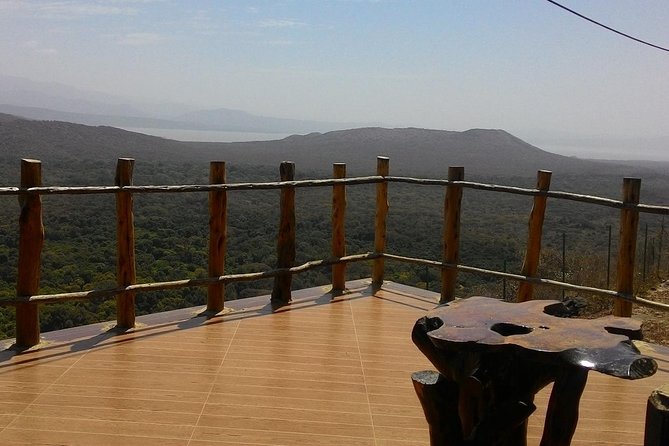
After lunch in Butajira, the route continues toward Crater Lake Hare Sheitan, also called Devil’s Lake. The lake and surrounding viewpoints introduce you to the Ethiopian section of the Great East African Rift Valley, with time to stop for broad views and photographs.
This part of the day works best as a gradual change of scenery. Addis Ababa gives way to open countryside, crater lakes, and high viewpoints. The stops are simple, but they help you understand the geography shaping much of the southern route.
Do not expect a full hiking day. The focus is on roadside viewpoints and sightseeing, with the vehicle doing most of the work. That is useful for a four-day schedule, though anyone hoping for long walks should set expectations accordingly.
Day two: Konso’s stone villages and terraced fields
Konso receives the largest block of sightseeing time, and rightly so. The Konso Cultural Landscape is a UNESCO World Heritage site known for carefully built agricultural terraces, villages enclosed by large stones, and traditional structures used for community ceremonies.
The terraces are more than a scenic feature. They show how local farming communities have shaped steep ground to protect soil and grow crops. With a guide, you can better understand how the stonework, village design, and farming system fit together.
The villages are also visually distinctive. Expect stone walls, wooden ceremonial structures, handwoven cotton clothing, traditional masks, shields, and decorative feathers. These details are not simply arranged for display. They form part of a living culture, which is why a local guide adds so much value.
The schedule allows about four hours for the Konso excursion, followed by another two hours for a meeting with the King of Konso and a visit to the Konso Museum. The title refers to the traditional authority connected with governing the nine Konso clans, and the meeting provides a different view of local leadership.
The museum helps place what you see in context. Without it, a visit to the villages could become a sequence of photographs and unfamiliar objects. With it, the stone structures, clothing, and ceremonial traditions have a clearer social and historical setting.
Konso is likely to be the most rewarding day for anyone interested in community life, architecture, or farming. It is also one of the places where respectful behavior matters most. Follow your guide’s advice about photography, village visits, and interactions with residents.
Day three: Dorze homes and enset cooking
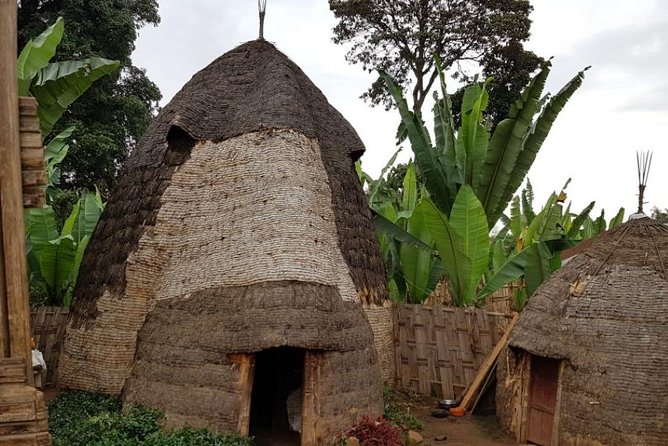
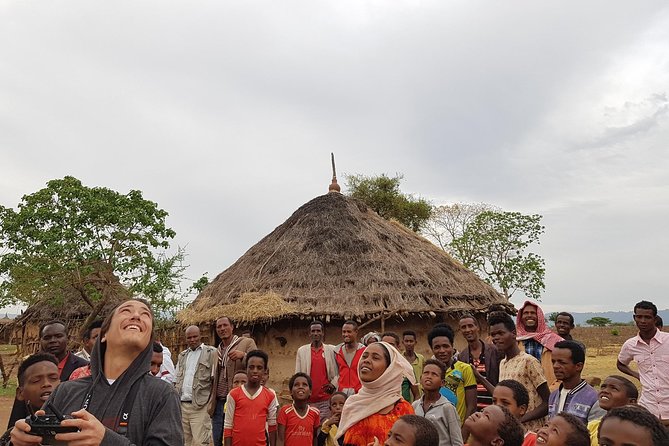
After breakfast, you drive for about an hour to Chencha to visit a Dorze village. The Dorze are known for tall bamboo houses, which are among the most memorable forms of traditional architecture on this route.
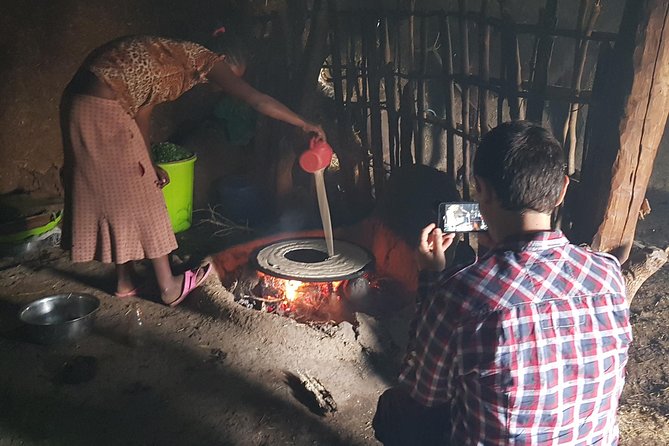
The visit lasts about three hours and centers on daily life. You can see how the homes are made and learn how enset, the false banana tree, is used to prepare bread and porridge.
Enset is especially interesting because it shows how a plant can support more than one part of household life. The roots and other parts are processed into food, and the preparation gives you a more practical look at local cooking than a standard restaurant meal would.
This is also one of the tour’s included family visits. That format can make the experience feel more personal, but you should still treat it as a real home and community setting rather than a performance arranged only for photographs.
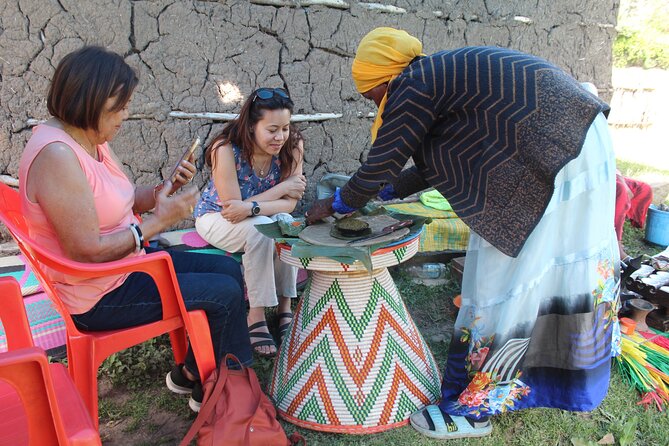
Admission to the Dorze stop is not included. The tour also includes an Ethiopian coffee ceremony and coffee, either here or during the wider program. Take that moment seriously. Coffee in Ethiopia is a social ritual, not merely a quick drink between sights.
The road then turns north toward Awassa, with a visit to villages of the Alaba people along the way. After lunch in Shashemene, the tour explores the religious and historical background of Rastafarianism through a visit to a Jamaican Rastafarian community and its church.
This is a notable change of subject. You move from local agricultural and architectural traditions to a community shaped by connections between Ethiopia and Jamaica. The visit is likely to appeal most to people interested in religion, migration, and modern cultural history.
The day ends beside Lake Awassa, where you can walk along the shore and watch the sunset. After a long road day, this hour beside the water provides welcome breathing room. The sunset is weather-dependent, of course, but the lakeside setting gives the day a calm finish.
A few more tours of this kind worth a look:
- Full Day Tour of Addis Ababa with Hotel Pickup and Drop-off
★ 5.0 · 430 reviews - Taste of Ethiopia
★ 5.0 · 406 reviews - Day Trip From Addis Ababa See Historical Monastery,Stunning Nature,Animals,Birds
★ 5.0 · 303 reviews - Addis Ababa: Debre Libanos, Blue Nile Gorge, and Cave Tour
★ 4.5 · 256 reviews
Day four: fish, wildlife, and three Rift Valley lakes
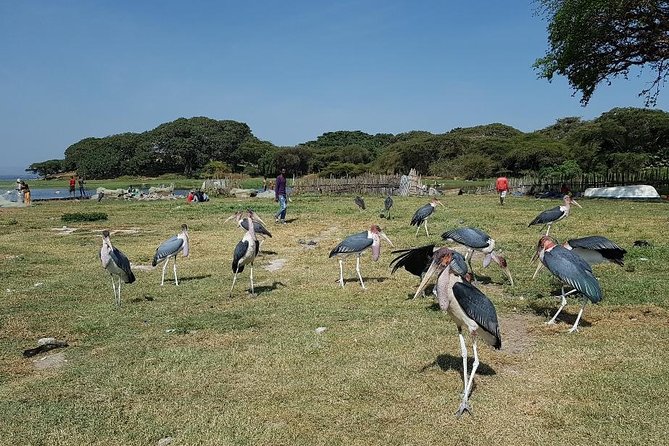
Start early at the fish market on Lake Awassa. You can see local fishers bring in their catch by net, clean the fish by hand, and eat fresh fish for breakfast.
This is one of the most direct experiences on the tour. It is active, practical, and tied to the daily economy of the lake. If you prefer polished attractions, the market may feel rough around the edges. If you want to see how a local food system works, it is a strong stop.
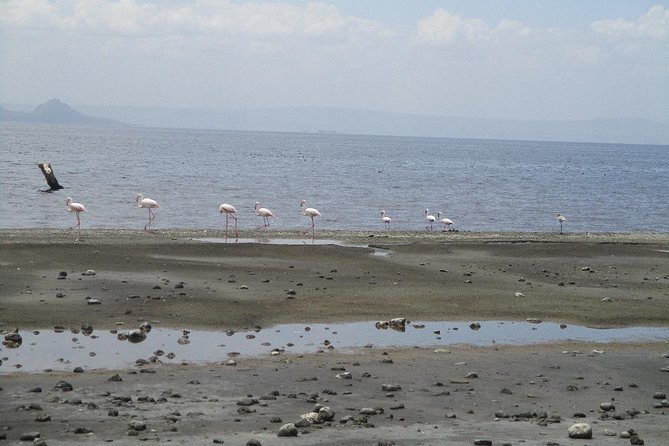
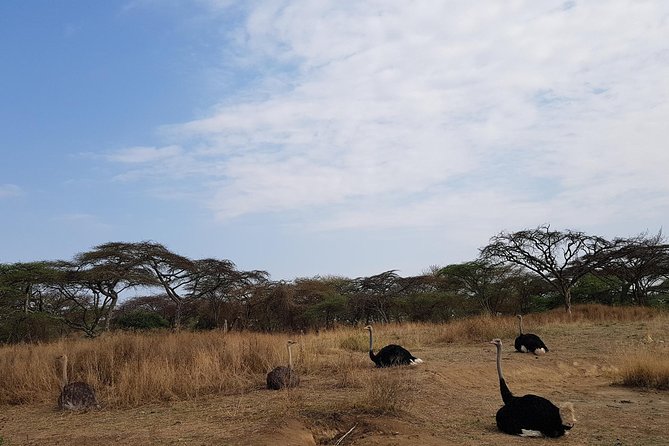
The next visit is Abidjatta-Shalla National Park. A gentle walking tour offers the chance to see gazelles, warthogs, and ostriches, followed by a viewpoint over Lake Abidjatta and Lake Shalla.
Wildlife sightings are never guaranteed, so think of this as a short nature stop rather than a full safari. The scenery may be the more reliable reward, especially from the viewpoint. Entrance fees are not included here, so budget for them.
The itinerary then continues through the Rift Valley. It includes lunch beside Lake Langano, described as the only Ethiopian Rift Valley lake free from bilharziasis and safe for swimming. Swimming is not listed as an included activity, so treat it as an available setting rather than a promised part of the tour.
On the return toward Addis Ababa, you stop at Lake Ziway and one of the crater lakes around Bishoftu. This final stretch gives you a last look at Ethiopia’s volcanic and lake country before the capital.
Day four covers a lot of ground. The fish market, national park, lake lunch, Ziway, and Bishoftu are worthwhile, but the return journey can be tiring. I would plan to keep your evening in Addis Ababa free rather than schedule an important flight or event immediately afterward.
Vehicle, guides, and the human side of the trip
The tour uses a private Toyota minivan with air conditioning and seat belts. For this route, that is more than a comfort detail. You spend substantial time on the road, and a private vehicle gives your group a place to store bags, carry water, and pause when needed.
An English-speaking professional guide leads the tour, with local guides at selected sites. The strongest personal praise is directed toward Muluken, who is described as warm, funny, highly capable in English, and especially good at explaining major sites. Drivers Belay and Fitsum are also praised for safe driving and taking good care of their groups.
That combination is important in southern Ethiopia. A driver handles the long road sections while the guide explains what you are seeing and helps with local visits. At village and heritage sites, local guides can add details that a general guide may not provide.
The tour also includes bottled water and local snacks in the car. These are modest inclusions, but they are useful during long drives. Meals, other drinks, hotel stays, and any expense not specifically listed remain your responsibility.
Hotels, clothing, and practical planning
You must book your own accommodation before booking the tour. Suggested properties include Paradise Lodge and Haile Resort in Arba Minch, plus Lewi Resort and Haile Resort in Awassa.
Because hotels are excluded, compare the room rates before committing. The tour price is easier to judge once you add three nights of accommodation, meals, drinks, entrance fees not included in the package, and personal spending.
June, July, and August are the rainy season. Pack clothing that can handle wet weather, along with shoes suitable for moderate walking. The tour asks for a moderate level of physical fitness, but it is not presented as a strenuous trekking program.
Women should cover their hair when visiting Adadi Mariam Rock Church. That church is not listed among the main stops in this four-day route, so confirm with the operator if it is added to your particular plan.
The cancellation terms are friendly: you can receive a full refund if you cancel at least 24 hours before the local start time. Changes or cancellations inside that window are not accepted for a refund.
Who will get the most from this private tour?
I would recommend it to a small group that wants variety and prefers having one vehicle and guide throughout the journey. Families, friends, and couples who can share the group price will get the strongest value.
It also suits you if you care more about cultural contact and regional variety than luxury facilities. Konso, Dorze, the fish market, the Rastafarian community, and the coffee ceremony all offer more than a quick sightseeing circuit.
I would think twice if you dislike long drives, need a slow pace, or want every cost included upfront. The itinerary is full, admission fees vary by stop, and meals and hotels are separate.
Should you book it?
Book this tour if you have only four days and want a broad introduction to southern Ethiopia with private transport and personal guiding. The best reasons are the depth of the Konso visit, the unusual Dorze architecture, the morning fish market, and the chance to connect several very different communities and lake regions.
Choose another plan if you want several days in one village, a dedicated wildlife safari, or a luxury package with meals and accommodation included. For the right small group, this is a practical and culturally focused way to see a large part of southern Ethiopia without managing every road, guide, and local visit yourself.
FAQ
Is the tour private?
Yes. Only your group participates, with a maximum group size of six people.
What vehicle is used?
The tour provides a private Toyota minivan with air conditioning and seat belts.
Is accommodation included?
No. You must book and pay for your own hotels. Suggested properties include Paradise Lodge and Haile Resort in Arba Minch, and Lewi Resort and Haile Resort in Awassa.
Are meals included?
No. Meals and drinks are not included. Bottled water and local snacks in the vehicle are included.
Is the tour suitable for people with limited fitness?
The tour requires a moderate level of physical fitness. It includes walking at places such as Dorze Village, Abidjatta-Shalla National Park, and the Lake Awassa shoreline.
Can I cancel for a full refund?
You can cancel for a full refund at least 24 hours before the experience start time. Cancellations or changes made less than 24 hours before the start are not accepted for a refund.
Just added around Addis Ababa
- 10 Days in Northern Ethiopia Tours★ 4.5 · 3 reviews
- Day Trip to Tiya UNESCO Site & Melka Kunture Archaeological Site★ 4.5 · 3 reviews
- Two days Lake Wenchi and Menagesha Forest★ 5.0 · 3 reviews
- Addis Ababa Half Day Shopping Tour★ 5.0 · 3 reviews
- 6 days 5 nights Addis Abeba sightseeing & Lalibela Rock-Hewn Churches★ 5.0 · 3 reviews
- 12- Day Historical Route of Ethiopia★ 5.0 · 3 reviews
- 6 days Omo valley cultural Tour★ 5.0 · 3 reviews
- Northern Ethiopia (Historic route)★ 5.0 · 3 reviews
4-Day Experiences, compared.
4-Day Tour: Tigray Churches & Danakil Depression Adventure.
Read our review →
4 Days Trekking to Simien Mountain National Park
Read our review →
Trekking in Ethiopia’s Lalibela Wollo Highland 4 Days / 3 Nights
Read our review →
Browse the lists this tour appears in