
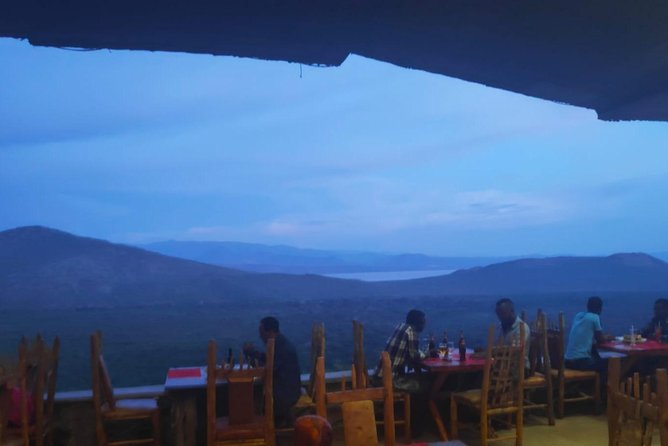
Reviewed · OMO VALLEY TRIBAL TOURS
7 Days Cultural Tours to Omo Valley
Meet Ethiopia’s south in one bold trip. This seven-day private journey from Addis Ababa reaches the Dorze, Konso, Mursi, Hamar, Karo, and Dassanech communities, while adding Lake Chamo and Hawassa for wildlife and lakeside life. I like the wide cultural range packed into a single week, and I like having private, air-conditioned transport for roads that involve long driving days.
The main trade-off is pace. You cover a huge amount of southern Ethiopia, with several days requiring five to eight hours on the road. I also like that local guides are part of the operation, with Abebe praised for personal attention and flexibility, but you should confirm exactly who will guide your group and what accommodation, meals, and facility charges are included before paying.
In This Review
- Key things to know before booking
- What this seven-day route is really offering
- Day 1: Addis Ababa to Arba Minch and the Dorze highlands
- Day 2: Konso’s terraces and the road to Jinka
- Day 3: Mago National Park, the Mursi, Bena, and Hamar
- Day 4: The Karo village of Korcho above the Omo River
- Day 5: The Dassanech near the Kenyan border
- Day 6: Lake Chamo wildlife and Hawassa
- Day 7: Hawassa Fish Market and return to Addis Ababa
- The private vehicle and pace
- Respectful visits in the Omo Valley
- Is $1,835 good value?
- Who should book this Omo Valley trip?
- Should you book it?
- FAQ
- Where does the tour start and finish?
- How long does the tour last?
- Is transportation included?
- Is this a private tour?
- Which communities are included?
- Can I cancel for a full refund?
Key things to know before booking
- Chencha’s Dorze visit includes beehive-shaped bamboo homes, weaving, cotton clothing, and food and drink made from banana plants.
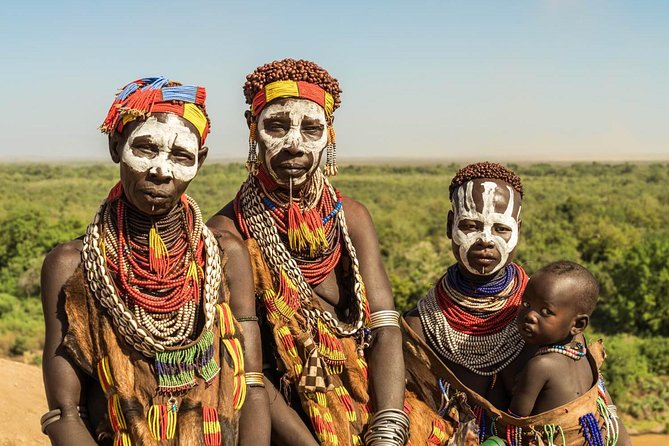
- The Omo Valley communities are visited across several regions, including the Mursi, Bena, Hamar, Karo, and Dassanech.
- Konso’s UNESCO-listed cultural area adds terraced hillsides, defensive structures, wooden features, and a local market.
- Mago National Park provides the setting for the Mursi visit, followed by a drive to Turmi.
- Lake Chamo’s boat trip is a wildlife highlight, with crocodiles, hippos, birds, and monkeys.
- Private transport gives your group control over the pace, but the route still involves long drives and early starts.
What this seven-day route is really offering
This is not a relaxed resort holiday. It is a road journey through southern Ethiopia, built around meetings with communities whose customs, clothing, architecture, farming, and ceremonies differ sharply from one another.
That variety is the strongest reason to choose it. In seven days, you see highland villages around Chencha, terraced Konso country, dry Omo Valley settlements, river viewpoints, a national park, and two major lakes. You also get a taste of daily trade at Konso and Hawassa markets.
The tour costs $1,835 per person. That is a serious price, but the value depends on what the operator confirms is covered. Private transportation and an air-conditioned vehicle are included. Overnight stays are named in the schedule, but the supplied details do not clearly state whether hotels, meals, park charges, boat fees, or local community payments are included. Landing and facility fees are specifically excluded.
For a private seven-day route across this much ground, transport and coordination are meaningful parts of the cost. Still, ask for a written breakdown before booking. The phrase landing and facility fees is broad, and you do not want surprises at the end of an expensive trip.
More Omo Valley tours:
- 6 Days Omo Valley Tribes Tours From Addis Ababa
★ 5.0 · 33 reviews - 3 Days Omo Valley Tour
★ 5.0 · 24 reviews - Danakil Depression, Lalibela, Omo Valley and Simien Mountains
★ 5.0 · 23 reviews
Day 1: Addis Ababa to Arba Minch and the Dorze highlands

The first day is a long transfer to Arba Minch, listed at about eight hours. You stop for local food and scenic photo breaks, then continue into the mountains toward Chencha late in the afternoon.
Chencha is home to the Dorze people, known for weaving and for tall, beehive-shaped houses made with bamboo. The visit is more than a quick photo stop. You are scheduled to see the homes, learn about local customs, and watch how food and alcohol are produced from banana trees and leaves.
I would treat this as one of the most useful cultural visits on the route because it connects architecture, clothing, craft, and food in one place. The Dorze way of building is especially memorable: the shape of the houses is unlike the usual village architecture you see elsewhere in Ethiopia.
The drawback is timing. After a full day in the vehicle, you may reach Chencha tired, and the late-afternoon visit could feel rushed. If the Dorze experience is a priority, ask whether the schedule can allow enough time for conversation and demonstration rather than only a fast walk around the village.
You sleep in Arba Minch, giving you a practical base for the next stage.
Day 2: Konso’s terraces and the road to Jinka
After an early breakfast, you drive to the Konso cultural area, a UNESCO site. The schedule lists about five hours of driving, including time for a short lunch and a stop at a Konso market before continuing to Jinka.
Konso is a strong change of scene from Chencha. The hills are shaped by carefully built terraces, and the villages include defensive features, wooden constructions, and distinctive upright poles. These details show how the community has organized farming, protection, and village life over generations.
The terraces are not just something to photograph from the roadside. They help you understand how people use steep ground for agriculture and how settlement design responds to local conditions. A guide who explains the purpose of the structures will make this stop far more meaningful than a quick circuit with a camera.
The market adds a human, everyday element. You can watch local buying and selling rather than seeing only formal cultural displays. Since the itinerary calls for a short lunch and then more driving, keep your morning organized and do not expect a slow market visit.
Jinka is the overnight stop. This day is less physically demanding than the next one, but it still works best if you are comfortable with early breakfasts and repeated road transfers.
Day 3: Mago National Park, the Mursi, Bena, and Hamar
Day three takes you to Mago National Park to visit the Mursi community, followed by a drive to Turmi. The road time is listed at roughly six hours, and the day also includes encounters with Bena and Hamar communities along the way.
The Mursi are widely known for the lip plates worn by some women after reaching maturity. This custom is often treated as a spectacle, but it deserves a more careful approach. You are entering a community, not a museum exhibit. Follow the guide’s instructions, ask before taking photographs, and give people room to decline.
This is a visually striking part of the trip, but the value should not rest only on body decoration. Pay attention to clothing, settlement patterns, social interaction, and the explanations provided by the local guide. The best visit is one where you leave with more understanding, not just more pictures.
The Bena and Hamar stops broaden the day. Their inclusion means you are not seeing one single version of Omo Valley culture. Customs and appearance can vary from one community to the next, and the route gives you a chance to notice those differences.
You sleep in Turmi, a useful base for the following visits. Be well-rested, as this is one of the fuller days. The combination of park roads, community visits, and several hours in the vehicle can make the schedule feel packed.
More week-long itineraries:
- Omo Valley Cultural Tours 7 Days From Addis Ababa
★ 5.0 · 6 reviews - Simien Mountains National Park – 7 Day Trek
★ 5.0 · 5 reviews
Day 4: The Karo village of Korcho above the Omo River
Day four is shorter on paper, with around five hours of driving. You head to Korcho, a Karo village set beside a panoramic view of the Omo River.
The Karo are known for face and body painting, along with elaborate body decoration. The setting matters here. The village is not presented in isolation, and the view toward the Omo River gives you a stronger sense of the region’s geography and the communities living along it.
The Karo population is described as one of the smallest among the Omo Valley communities included on the route. That makes respectful behavior especially important. Do not assume that a striking appearance gives you permission to photograph someone. Ask first, listen to the guide, and keep your interaction courteous.
This is also a day when the private format can help. If your group is interested in the painting, the river view, or the village layout, you can ask for time to look carefully instead of being pushed through a fixed group schedule. The tour is private, so only your own party participates.
You return to Turmi for a second night. That is useful because it avoids another hotel change and gives the route a little breathing room.
Day 5: The Dassanech near the Kenyan border
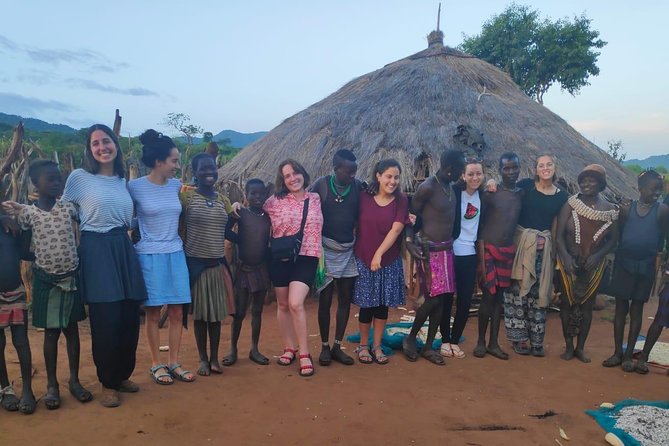
The fifth day is another early start. You travel toward the Kenyan border to visit the Dassanech, then drive back to Arba Minch. The schedule gives about six hours for the day’s driving.
The Dassanech visit focuses on hunting, farming, village design, and the construction of homes. The itinerary also notes their dancing, which you may have the chance to see. This is a good example of why a local guide matters: the visit is not only about looking at buildings, but about understanding how work, family life, and local materials fit together.
The return to Arba Minch makes this a demanding day. You go south toward the border and then reverse direction, so the experience is as much a road expedition as a cultural tour. If you dislike long transfers, this is one of the days to consider carefully.
On the other hand, the route gives you a wider picture of the Omo region than a shorter trip based only around one or two communities. I would choose this day for the geographic range, not for comfort.
Day 6: Lake Chamo wildlife and Hawassa
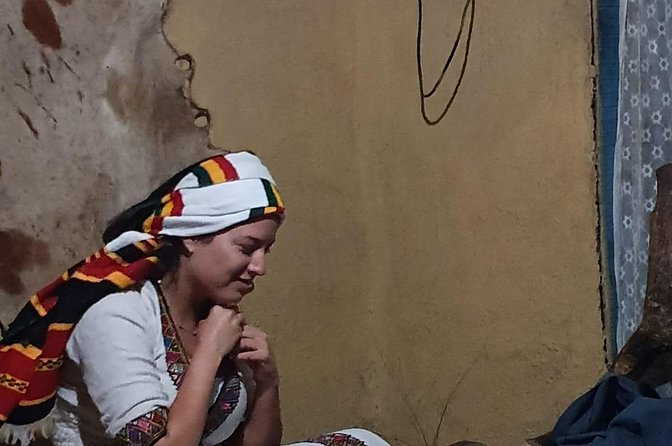
Day six begins with a boat trip on Lake Chamo, described as Ethiopia’s second-largest lake. The wildlife focus includes large crocodiles, hippos, several kinds of birds, and monkeys.
A boat is a sensible way to see the lake because it brings you close to the water’s edge and wildlife areas without turning the morning into another long road transfer. The crocodiles are the headline attraction, but keep your attention on the birdlife and hippos as well. The setting gives the trip a welcome change of rhythm after several days centered on villages and vehicles.
After the boat trip, you drive to Hawassa in the afternoon and walk along the shoreline of Lake Hawassa. The contrast is pleasant: Lake Chamo is presented as a wildlife outing, while Hawassa offers a more social lakeside experience.
The wording in the schedule calls this a bot trip, but the intended activity is clearly a boat trip. Confirm the boat fee before departure, since the inclusions list does not specifically say that it is covered.
You spend the night in Hawassa. This is one of the more varied days, combining wildlife, water, road travel, and a walk.
Day 7: Hawassa Fish Market and return to Addis Ababa
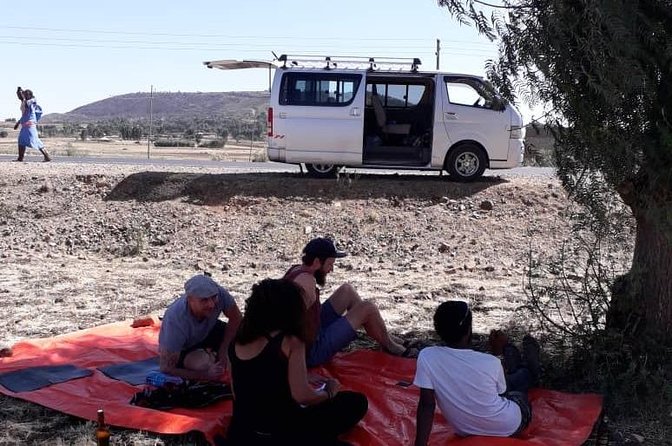
The final morning takes you to Hawassa’s Fish Market. You can watch local fish being sold and prepared and meet fishermen. It is a practical, working market rather than a polished attraction, which makes it a fitting final stop.
Markets are often where a place feels most immediate. Here, you see food supply, trade, and local work in action. Go with an open mind, and remember that preparation areas can be busy and informal. Follow the guide’s lead and ask before taking close-up photographs.
After the market, you drive back to Addis Ababa, with about five hours of driving listed. Lunch is planned with views of the lake before the journey continues. You spend the final night in Addis Ababa.
This last day is manageable compared with the first, but your arrival time will depend on stops, road conditions, and lunch. Do not schedule an important flight immediately after the stated return unless the operator confirms the timing.
The private vehicle and pace
Private transportation is a major advantage on this route. Your group is not combined with strangers, and you can discuss photo stops, meal breaks, and how long to spend at a community. The air-conditioned vehicle is also welcome on long drives.
Still, air conditioning does not turn eight hours on the road into a short transfer. The itinerary includes full driving days on days one, three, five, and six, plus substantial travel on the other days. You should be comfortable with early breakfasts, changing scenery, and a schedule that keeps moving.
The tour is suitable for most people according to the supplied information, but physical comfort and patience matter. The cultural visits themselves are not described as strenuous. The bigger challenge is time spent in the vehicle and the repeated early starts.
The operation’s strongest personal touch appears to be its guide service. Abebe is praised for adapting plans, allowing adequate time at places of interest, and arranging experiences that feel individual rather than built around overpriced tourist restaurants. Another account names Desta in connection with local guiding and strong ties with the communities. Because both names appear in the supplied material, confirm your lead guide at booking.
Respectful visits in the Omo Valley
The communities on this route are not props for a sightseeing checklist. The Mursi lip plates, Karo body painting, Hamar traditions, and Dassanech village life can be visually powerful, but a good visit depends on how you behave.
Ask the guide how photographs work at each stop. Do not touch clothing, decorations, homes, or personal items without permission. If dancing or demonstrations are offered, watch with respect and avoid turning every moment into a performance for your camera.
The local guide is important here. Abebe is described as someone who knows the people and uses local guides, which can help with introductions and interpretation. You should still ask how community visits are arranged and whether any photography or local participation fees are paid directly.
Is $1,835 good value?
The price is fair only if the private vehicle, driver, guide team, accommodation, park access, boat trip, and local visit costs are clearly itemized. Private transport across a large part of southern Ethiopia has real value, especially when it allows your own group to set the rhythm.
But the supplied inclusions list names only private transportation and an air-conditioned vehicle. Landing and facility fees are excluded, while the itinerary marks admission as free at each stop. That does not answer every cost question. Ask specifically about:
- Hotel rooms for each overnight stop
- Breakfasts, lunches, and dinners
- Mago National Park charges
- Lake Chamo boat charges
- Local guide and community fees
- Market visits and any photography fees
- Addis Ababa pickup and final drop-off
The free-cancellation rule is helpful if you cancel at least 24 hours before the start time. Changes made inside that period are not accepted, and poor weather may lead to a new date or a full refund.
Who should book this Omo Valley trip?
I would recommend it to you if you want a concentrated introduction to southern Ethiopia and prefer private travel over a large group. It suits curious visitors who care about local customs, village design, markets, wildlife, and the chance to meet communities beyond the capital.
It is less suitable if you want leisurely mornings, short transfers, or a trip focused on one region. The schedule is ambitious, and the road time is unavoidable.
Couples, friends, and small private groups may get the most from the format. You can ask for more time at the Dorze homes, Konso terraces, Karo viewpoint, or Hawassa market instead of following the needs of a busload of people.
Should you book it?
Book this tour if your priority is variety. In one week, you reach six cultural communities, two lakes, Mago National Park, markets, and the highlands around Chencha. That is a lot of southern Ethiopia for the time available.
Before you commit, request a day-by-day cost sheet and confirm the guide’s name, hotel standards, boat charges, park fees, and local payments. If those details are clear, the private vehicle and broad route can make the $1,835 price worthwhile.
If you prefer slow travel, choose a longer custom itinerary instead. For a first look at the Omo Valley with strong cultural range and private logistics, this is a serious option, provided you accept the long drives.
FAQ
Where does the tour start and finish?
The tour starts in Addis Ababa, Ethiopia, with pickup offered. The final day returns to Addis Ababa for an overnight stay.
How long does the tour last?
The experience lasts approximately seven days, with one overnight stop in each main destination listed in the schedule.
Is transportation included?
Yes. Private transportation in an air-conditioned vehicle is included.
Is this a private tour?
Yes. Only your group participates in the activity.
Which communities are included?
The route includes visits involving the Dorze, Konso, Mursi, Bena, Hamar, Karo, and Dassanech communities.
Can I cancel for a full refund?
You can receive a full refund if you cancel at least 24 hours before the experience starts. Cancellations or changes made less than 24 hours before the start time are not accepted for a refund.
Just added around Addis Ababa
- 10 Days in Northern Ethiopia Tours★ 4.5 · 3 reviews
- Day Trip to Tiya UNESCO Site & Melka Kunture Archaeological Site★ 4.5 · 3 reviews
- Two days Lake Wenchi and Menagesha Forest★ 5.0 · 3 reviews
- 6 days 5 nights Addis Abeba sightseeing & Lalibela Rock-Hewn Churches★ 5.0 · 3 reviews
- Addis Ababa Half Day Shopping Tour★ 5.0 · 3 reviews
- 6 days Omo valley cultural Tour★ 5.0 · 3 reviews
- 12- Day Historical Route of Ethiopia★ 5.0 · 3 reviews
- Addis Ababa City Tour★ 4.5 · 3 reviews
Omo Valley Tribal Tours, compared.

6 Days Omo Valley Tribes Tours From Addis Ababa
Read our review →
Lalibela, Axum, Danakil and Omo Valley 8 DAYS
Read our review →
Danakil Depression, Lalibela, Omo Valley and Simien Mountains
Read our review →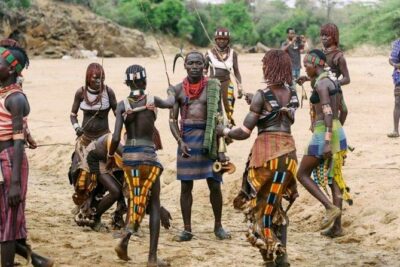



9 Days Tours To Danakil Depression, Simen MNP, Lalibela With Omo Valley Tribes
Read our review →Browse the lists this tour appears in