
Reviewed · ROCK-HEWN CHURCHES OF LALIBELA
2 days trek around Lalibela
Lalibela rewards those who walk slowly. This two-day trek trades a quick visit for mountain paths, wildlife watching, and a night with a local family near the community. I like the small maximum group of 12, which should make the walking pace and local stay more personal. I also like that the $250 price includes two nights of accommodation plus two breakfasts, lunches, and dinners.
The main consideration is the physical effort. You will walk for five to six hours on the first day, then hike to a high point and return to Lalibela on the second. The route details are brief, so you should be comfortable with a moderate level of fitness and ready for a simple, active trip rather than a polished sightseeing excursion.
In This Review
- Key Things to Know Before You Go
- Why This Trek Adds More Than a Church Visit
- Day One: Five to Six Hours Through the Highlands
- Staying With a Local Family
- Day Two: Hike to the High Point, Then Return
- Guides, Group Size, and the Feel of the Walk
- Is $250 Good Value?
- Who Should Book This Experience?
- Final Verdict: A Strong Choice for Active Lalibela Visits
- FAQ
- How long is the trek?
- Where does the trek take place?
- What wildlife might I see?
- Is accommodation included?
- Are meals included?
- What fitness level is required?
Key Things to Know Before You Go
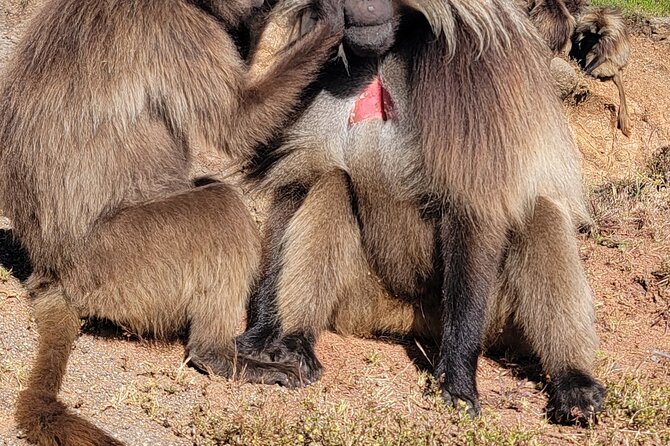
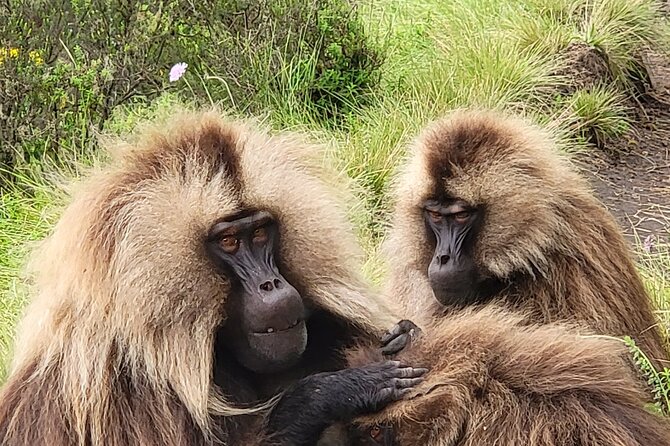
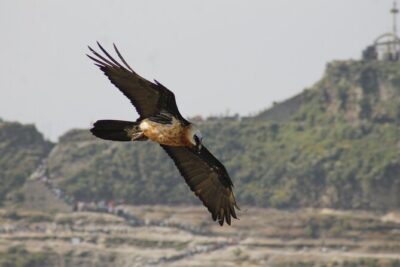
- Wildlife is part of the point: The area may offer sightings of the rare simian wolf, gelada baboons, and many types of birds.
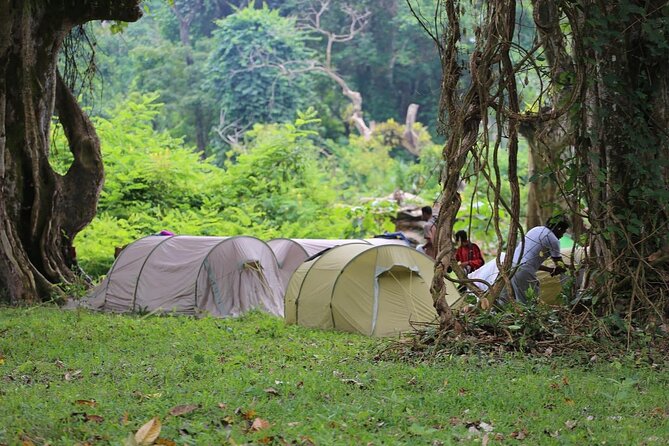
- The first day lasts five to six hours: Expect a full walking day before staying with a local family.
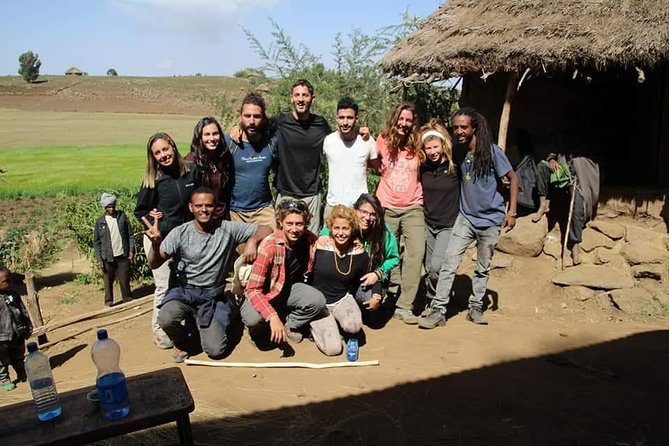
- You sleep with a local community: This gives the trip a more personal setting than a standard hotel-based tour.
- The second day reaches a high point: You hike upward, enjoy the views, then trek back to Lalibela.
- Meals and two nights are included: Breakfast, lunch, and dinner are provided for both days.
- The group is capped at 12: That is a useful size for a guided walk and community visit.
Why This Trek Adds More Than a Church Visit
Lalibela is best known for its remarkable churches, but the surrounding highlands offer a different kind of experience. This trip puts the walking itself at the center. Instead of moving only between formal sights, you spend time on foot, watching the terrain and looking for wildlife.
I like that balance. A visit to Lalibela can easily become a series of short stops, especially if your schedule is tight. Here, the five to six hours of walking create room for the countryside to become part of the trip. You are not simply passing through the area. You are seeing how the communities, paths, animals, and high ground fit together.
The wildlife focus also gives you something specific to watch for. The description names the rare simian wolf, gelada baboons, and many types of birds. Sightings are never guaranteed, so you should treat these as possible rewards rather than promised attractions. The trek will still have value if the animals keep their distance, since the route is built around walking and local contact as much as wildlife.
The group limit of 12 matters here. A smaller party is easier to manage on a walking route, and it should help preserve a quieter mood. It also gives you a better chance to speak with the guide and ask questions as the day unfolds.
More Lalibela church tours:
- 12 Days SIMIEN MOUNTAIN-LALIBELA-DANAKIL-TIGRAY CHURCHES
★ 5.0 · 45 reviews - 5 DAYS Lalibela, Axum, Tigray churches and Danakil
★ 5.0 · 34 reviews - Danakil Depression and Lalibela 5 Days Tours
★ 5.0 · 28 reviews
Day One: Five to Six Hours Through the Highlands
The first day is the more demanding walking day. You will spend roughly five to six hours on foot, moving through the area around Lalibela and stopping to take in the scenery and look for wildlife.
The route is described in broad terms rather than with a fixed distance, elevation gain, or list of named stops. That means you should not expect a highly engineered hiking schedule. Your walking time may depend on the group, the guide, the route chosen, and the pace of the day.
That flexibility can be a good thing. A guide can spend more time when the scenery or wildlife deserves it, rather than rushing everyone toward a rigid timetable. The tradeoff is that you will not know every detail of the path before setting out. Ask about the expected pace and terrain at the start.
The wildlife element works best when you slow down. Gelada baboons are specifically mentioned, along with the rare simian wolf and many types of birds. Bring patience. This is not a zoo visit, and the description does not promise a particular number of sightings. A good attitude is to enjoy the search, not only the moment of a successful sighting.
I would also treat the first day as a full outdoor excursion, not a casual stroll between sights. A moderate fitness level is required, and five to six hours can feel long if you are unused to extended walking. Comfortable walking shoes, sun protection, and a refillable water bottle are sensible choices, though drinks are not included in the price.
At the end of the day, you stay with a local family in the community. That is one of the strongest features of the trip. It changes the evening from a simple return to a hotel into a chance to experience local hospitality in a more direct setting.
The accommodation may be basic, and the information provided does not specify room arrangements or bathroom facilities. You should be prepared for a simple overnight stay and ask the provider about sleeping arrangements before booking if comfort or privacy is important to you.
Staying With a Local Family
The community stay is not just a place to sleep. It gives the trek a human center. After hours of walking, sharing an evening with a family can help you understand the area in a way that a standard room rarely can.
I like this part because it supports the main promise of the experience: time spent close to local life. It also makes the trip feel less packaged. You are still on an organized tour, but the accommodation is connected to the community rather than described as a conventional hotel.
Keep your expectations practical. The details do not state the exact level of comfort, the number of people per room, or whether the family speaks a particular language. The provider should confirm those points. You should also remember that dinner is included, while drinks are not. Budget for beverages separately.
The meal plan lists breakfast, lunch, and dinner for both days. That removes one common worry on a rural walking trip, since you are not left to find food after a long day. Still, no menu or dietary information is provided. If you have allergies, medical dietary needs, or strong food restrictions, ask about them before confirming.
The trip includes two nights of accommodation even though the walking schedule is described as two days. That may mean the overnight plan includes accommodation connected to the start or finish of the trek, but the supplied details do not explain the exact arrangement. Clarify where each night is spent, especially if you are coordinating this activity with flights or other tours.
Day Two: Hike to the High Point, Then Return
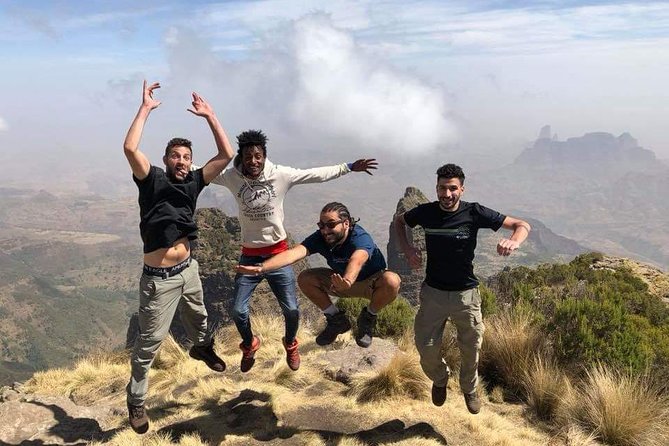
The second day begins with a hike to the high point, followed by a trek back to Lalibela. This gives the trip a clear shape: a longer first day through the area, a community overnight, and a second day focused on gaining height before returning.
The high point should be the visual payoff of the trek. From higher ground, you may get broader views across the surrounding area and a stronger sense of the setting around Lalibela. The description does not give the elevation, route length, or difficulty of the climb, so you should not assume that it is either an easy viewpoint walk or a serious mountain ascent.
The return to Lalibela is useful for anyone using the trek as a compact two-day activity. You finish where the trip began rather than ending at an unspecified rural point. The pace will still matter. A climb followed by a return walk can be tiring, especially after the first day’s five to six hours.
This is where the moderate fitness requirement deserves attention. You do not need to be an expert hiker based on the information provided, but you should be able to walk for several hours and handle an uphill section. If you have concerns about stamina, ask the operator how often the group stops and whether the route can be adjusted.
The itinerary does not list a separate church visit. Lalibela’s churches may be part of a wider stay in town, and past feedback connected with the company highlights guides such as Moges and Abebe for church visits and broader Ethiopia trips. Do not assume that church entrance or a church tour is included in this two-day trek unless the provider confirms it. That distinction matters if you want both hiking and formal sightseeing.
More hikes and treks:
- Addis Ababa Monasteries, Wildlife, & Hike Day Trip
★ 4.9 · 75 reviews - Trekking at Bale Mountains 3 Days
★ 5.0 · 28 reviews - 3 Days Bale Mountains Trekking
★ 5.0 · 19 reviews - Simien Mountains Trekking Adventure
★ 5.0 · 8 reviews
Guides, Group Size, and the Feel of the Walk

A good guide can make a walking trip much easier. The guide controls the pace, helps the group notice wildlife, explains the area, and manages the transition between the trail and the community stay.
The company’s feedback has praised guides named Moges and Abebe for being helpful, patient, flexible, caring, and good company. If one of them is assigned to your departure, those qualities would be valuable on a trek where conditions and group pace may shape the day. Guide assignment is not confirmed in the supplied details, so ask who will lead your trip.
Abebe is also associated with a personal approach that goes beyond standard information. That matters if you want more than directions and basic facts. A strong guide can point out details you might miss alone and help make the local stay feel respectful and natural.
The maximum group size is 12 people. That is not a private tour, but it is small enough to avoid the feel of a large procession. A group of this size can also share meals and local activities without overwhelming the host family, though the exact arrangement is not stated.
Pickup is offered, which is helpful if you need assistance getting to the meeting point. The listing gives Addis Ababa as the location while describing the trek around Lalibela. That is a point I would clarify before paying, since the distance between those places is significant and no Addis to Lalibela transport is described as included.
The mobile ticket makes it easy to keep the booking information on your phone. Confirmation is provided at booking, and a valid passport is required on the day of travel. Service animals are allowed, according to the supplied details.
Is $250 Good Value?
At $250 per person, the price is reasonable if you want a guided, two-day walking experience with food and community accommodation. You receive two nights of accommodation, two breakfasts, two lunches, and two dinners. That covers the core needs of an overnight trek and makes the cost easier to assess.
The value also comes from the guide and the local connection. You are paying for route support, wildlife spotting, meals, and access to a community stay, not just for transport from one point to another. The group limit of 12 helps the price feel more attractive than a large coach-style excursion.
Still, you should check what the price does not cover. Drinks and tips are excluded. The available details also do not say whether transport from Addis Ababa, entrance fees, equipment, or any church tickets are included. Do not assume they are.
For a solo visitor, the value may be especially good if you want company and guidance without paying for a fully private trip. For two or more people, the cost is easier to compare with arranging accommodation and meals independently. An independent hiker may spend less, but would also need to organize the route, local host, meals, and wildlife search without the same support.
Who Should Book This Experience?

You should consider this trek if you want:
- Several hours of walking rather than a short viewpoint stop
- A chance to look for gelada baboons, birds, and the rare simian wolf
- A community stay with a local family
- Included meals across two days
- A small organized group
- A high point and return route around Lalibela
It is a good match for active visitors who want the countryside to be part of their time in Lalibela. It also suits people who value local contact and do not mind accommodation that may be simpler than a hotel.
I would hesitate to recommend it to anyone seeking a highly detailed, fixed schedule. The route description does not give distances, elevations, start times, or named trail stops. It is also not the best choice if you dislike long walks, uphill sections, or uncertainty about rural accommodation.
Families should note that a child rate applies only when the child shares with two paying adults. The general fitness requirement still applies, so the child’s ability to manage the walking day matters. The maximum group size is 12, which may help keep the experience manageable for a small family group.
You can cancel for a full refund if you do so at least 24 hours before the local start time. Cancellations or changes made inside that window are not accepted for a refund. The experience also requires a minimum number of people, and if the operator cancels because that number is not reached, you will be offered another date or experience, or a full refund.
Final Verdict: A Strong Choice for Active Lalibela Visits

I like this trek because it gives Lalibela more room to breathe. The wildlife focus, the high-point hike, and the local family stay create a fuller experience than a quick town visit. The included meals and two nights of accommodation also make the $250 price easier to justify.
The weak point is the lack of route detail. Before booking, confirm the exact meeting location, transport arrangements, sleeping setup, trail difficulty, guide name, and whether any church visits or entrance fees are included.
Book it if you want a small-group walking trip with local contact and are comfortable with a moderate physical challenge. Skip it if you need a precise timetable, hotel-level accommodation, or a tour centered mainly on Lalibela’s churches. For the right kind of visitor, this is a practical way to pair the town’s famous sights with its open highland setting and community life.
FAQ
How long is the trek?
The experience lasts approximately two days. The first day includes five to six hours of walking, and the second day includes a hike to a high point followed by a trek back to Lalibela.
Where does the trek take place?
The trek is described as taking place around Lalibela. Addis Ababa is listed as the location, so confirm the exact meeting point and any transport arrangements before booking.
What wildlife might I see?
The experience focuses on wildlife including the rare simian wolf, gelada baboons, and many types of birds. Sightings are not guaranteed in the supplied information.
Is accommodation included?
Yes. Two nights of accommodation are included. The first day includes a stay with a local community and family, but the exact sleeping arrangements are not specified.
Are meals included?
Yes. The price includes two breakfasts, two lunches, and two dinners. Drinks are not included.
What fitness level is required?
A moderate level of physical fitness is required. You should be prepared for five to six hours of walking on the first day, followed by an uphill hike and a return trek on the second day.
More two-day trips
- 2 Days Private Tour in Addis Ababa Ethiopia
★ 5.0 · 36 reviews - 2 Days Wildlife Safari to Awash National Park
★ 4.5 · 21 reviews - 2 Days Awash National Park Safari Tours
★ 5.0 · 9 reviews - Lalibela One Night/two Days
★ 5.0 · 8 reviews
Just added around Addis Ababa
- 10 Days in Northern Ethiopia Tours★ 4.5 · 3 reviews
- Two days Lake Wenchi and Menagesha Forest★ 5.0 · 3 reviews
- Day Trip to Tiya UNESCO Site & Melka Kunture Archaeological Site★ 4.5 · 3 reviews
- Addis Ababa Half Day Shopping Tour★ 5.0 · 3 reviews
- 6 days 5 nights Addis Abeba sightseeing & Lalibela Rock-Hewn Churches★ 5.0 · 3 reviews
- 12- Day Historical Route of Ethiopia★ 5.0 · 3 reviews
- 6 days Omo valley cultural Tour★ 5.0 · 3 reviews
- Addis Ababa at a Glance★ 5.0 · 3 reviews
Rock-Hewn Churches of Lalibela, compared.
12 Days SIMIEN MOUNTAIN-LALIBELA-DANAKIL-TIGRAY CHURCHES
Read our review →
Tour 11 monolithic rock churches & museum in Lalibela & cave church with mummies
Read our review →
5 DAYS Lalibela, Axum, Tigray churches and Danakil
Read our review →
6 Days tour Package (Simien Mountains, Lalibela, and Danakil Depression)
Read our review →
Lalibela, Axum, Danakil and Omo Valley 8 DAYS
Read our review →
Browse the lists this tour appears in