
Reviewed · 2-DAY EXPERIENCES
2 Days Ethiopian Rift Valley Lakes Tour from Addis Ababa
History meets wide-open water. This private trip gives you a quick but varied look at southern Ethiopia, from the carved stones of Tiya and ancient tools at Melka Kunture to hippos, birds, crater lakes, and village life. I especially like the mix of wildlife and archaeology, and the chance to share an Ethiopian coffee ceremony with a local Oromo family rather than spending both days behind a hotel window.
The private format is another strong point. You travel with an English-speaking guide and driver in an air-conditioned Toyota Corolla or minivan, and guides such as Teddy, Muluken, and Biruk have earned praise for being helpful, hospitable, and safety-conscious. The main drawback is pace: this is a packed two days with long drives, separate entrance fees, meals, and accommodation not included.
In This Review
- Key points at a glance
- What this two-day trip is really about
- Day one: Tiya, Butajira, and the Rift Valley road
- Tiya’s mysterious stone markers
- Butajira viewpoints and a Silte village
- Lake Ziway’s birds and possible hippos
- Melka Kunture and the human story
- Day two: Awassa wildlife and the fish market
- Amora Gedel at Lake Awassa
- Abiyatta Shalla National Park: wildlife with a weather clause
- Ostriches, gazelles, and hot springs
- Shashemene and the Rastafarian connection
- Bishoftu and the final coffee ceremony
- A crater lake and Oromo hospitality
- Guides, vehicles, and the private format
- What the price includes, and what it does not
- Who should book this experience?
- Should you book the Rift Valley Lakes tour?
- FAQ
- Is this a private tour?
- How many people can join?
- Are meals and accommodation included?
- What wildlife might I see?
- When does the rainy season occur?
- Is Adadi Mariam included in the route?
Key points at a glance
- Tiya’s carved grave markers: See UNESCO-listed stone steles dating from roughly the 12th to 14th centuries.
- Lake Ziway and Lake Awassa: Look for pelicans, storks, fish eagles, hippos, and other lowland wildlife.
- Awassa fish market: Watch local life around fresh tilapia and look for black-and-white colobus monkeys.
- Melka Kunture archaeology: Explore evidence connected to human history, including old stone tools, fossil footprints, and an ancient butchery site.
- Coffee with an Oromo family: End the trip with a traditional ceremony at a village near Bishoftu.
- Private transport for up to six: The cost is $845.39 per group, which becomes much better value when shared by several people.
What this two-day trip is really about
This is not a slow lakeside holiday. It is a compact introduction to several sides of Ethiopia, with culture, wildlife, archaeology, and scenery packed into one private route from Addis Ababa.
That variety is the reason to book it. In two days, you can see stone monuments, walk beside a Rift Valley lake, visit a fish market, stop at a Rastafarian community, look for ostriches and gazelles, and sit through a coffee ceremony. Few short excursions offer such a broad sweep.
The price is $845.39 per group of up to six people. For one person, that is expensive. For six, it works out to about $141 per person before meals, lodging, and admission costs. The package includes the vehicle, fuel surcharge, guide, bottled water, local family visits, coffee ceremony, onsite guides, and park scouts. You should still budget separately for entrance fees, food, and a place to sleep.
The private setup matters here. You can stop for fruit, photographs, or a roadside curiosity more easily than you could with a large group. One account of the trip described the guide and driver stopping when needed, even for small moments such as buying fruit or examining a termite anthill. That kind of flexibility is useful on a route where the most memorable moments may not be scheduled down to the minute.
More two-day trips:
- 2 Days Private Tour in Addis Ababa Ethiopia
★ 5.0 · 36 reviews - 2 Days Wildlife Safari to Awash National Park
★ 4.5 · 21 reviews - 2 Days Awash National Park Safari Tours
★ 5.0 · 9 reviews
Day one: Tiya, Butajira, and the Rift Valley road
Tiya’s mysterious stone markers
The first major stop is Tiya World Heritage Site, about an hour of guided touring. Its stone grave markers were erected between the 12th and 14th centuries in honor of important local warriors or heroes.
The stones are not covered with long explanatory displays, so your guide adds real value. Look closely at the carvings, which include repeated symbols and shapes whose meanings are not always fully certain. The site is modest in size, but its setting and unanswered questions make it a good early stop.
Admission is not included. Bring cash in local currency if possible, since the tour price does not cover entrance charges. You also need to remember that this is a standing and walking visit, not simply a roadside photo stop.
Butajira viewpoints and a Silte village
Around Butajira, the road opens to views of the Ethiopian section of the Great East African Rift Valley. You stop at a couple of outlooks and visit a village of the Silte people for about an hour.
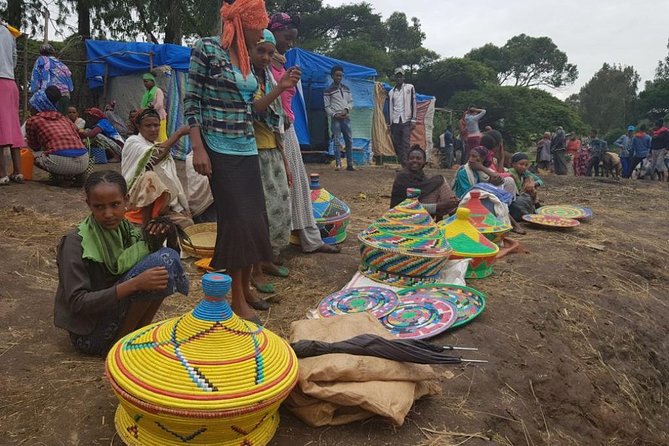
This is one of the more personal parts of the route. Instead of only looking at scenery through a car window, you get a chance to learn about local daily life. The village visit is included, but you should approach it with courtesy. Follow your guide’s advice about photographs, greetings, and what is appropriate to ask.
The timing is short, so do not expect a full anthropological study. Think of it as a brief introduction that adds human context to the scenery.
A few more tours of this kind worth a look:
- Full Day Tour of Addis Ababa with Hotel Pickup and Drop-off
★ 5.0 · 430 reviews - Taste of Ethiopia
★ 5.0 · 406 reviews - Day Trip From Addis Ababa See Historical Monastery,Stunning Nature,Animals,Birds
★ 5.0 · 303 reviews - Addis Ababa: Debre Libanos, Blue Nile Gorge, and Cave Tour
★ 4.5 · 256 reviews
Lake Ziway’s birds and possible hippos
At Lake Ziway, you walk along the shore for about an hour, watching Ethiopian lowland water birds. Possible sightings include great white pelicans, marabou storks, African fish eagles, sacred ibis, and hammerkops. Families of hippos may also appear, but wildlife is never guaranteed.
This is a good place to carry binoculars if you have them. The stop is more rewarding if you enjoy patient observation rather than expecting animals to perform on cue. The guide can help identify birds, while local support and the included park or onsite assistance add structure to the visit.
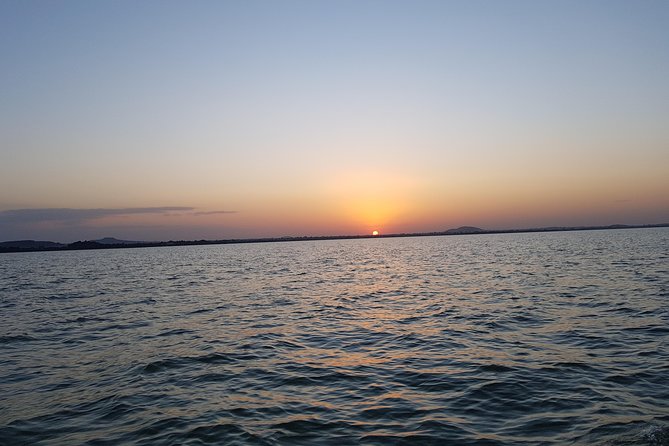
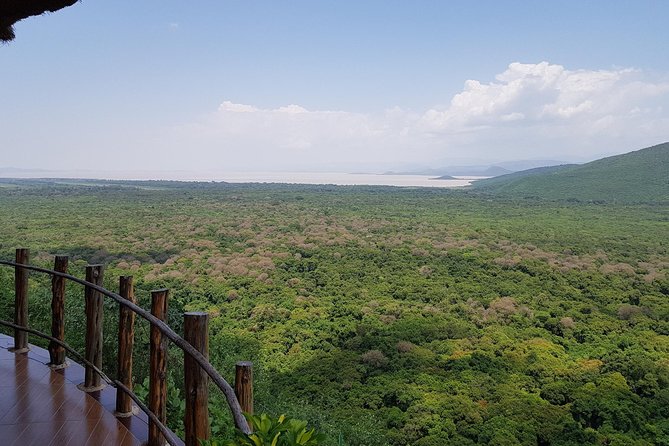
After Lake Ziway, the route continues about 115 kilometers south toward Lake Awassa. If the weather cooperates, you may catch the sun setting over the lake. This is a long day, and the road time is part of the experience. You will see changing scenery, but you should not book this trip expecting constant activity.
Melka Kunture and the human story
Melka Kunture sits beside the Awash River and takes about 40 minutes to visit. At the museum and archaeological area, you learn about stone tools associated with Homo erectus, fossilized footprints, and an open-air butchery site dating to about 800,000 years ago. The site reaches back roughly 1.8 million years.
This stop gives the route intellectual weight. After birds and viewpoints, you are suddenly looking at evidence linked to humanity’s long development. The visit is especially worthwhile if you like archaeology, early tools, or the story of how people lived long before written records.
Admission is not included. The listed route also mentions Adadi Mariam in the overall description, but the detailed schedule provided here names Melka Kunture instead. If the rock-hewn church is important to you, confirm the final route before booking. The clothing note is clear: women visiting Adadi Mariam are expected to dress fully and cover their hair.
Day two: Awassa wildlife and the fish market
Amora Gedel at Lake Awassa
After breakfast, you head to Amora Gedel on the shores of Lake Awassa. The visit lasts about two hours and centers on the local fish market, where people come for fresh tilapia and birds gather around leftover fish.
This is not a polished tourist attraction, and that is the point. You see a working lakeside food market and a slice of everyday life. It can be lively and visually striking, but you should be prepared for strong smells and an active market setting.
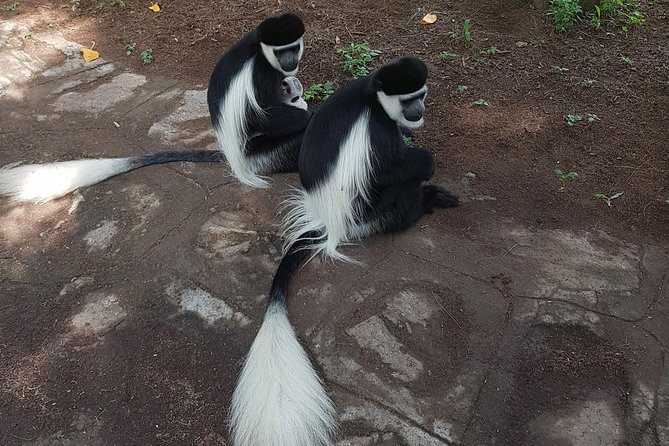
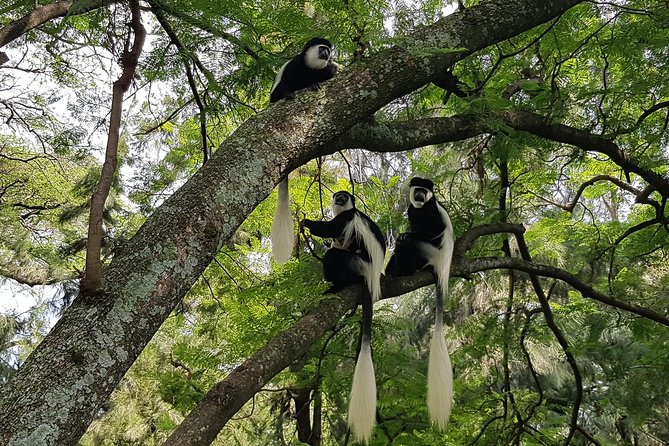
Look also for the rare black-and-white colobus monkey. The chance to see one adds a wildlife element beyond the birds and hippos of the previous day. As always, animal sightings depend on conditions and luck.
Breakfast and other meals are not included, so plan for food costs. The tour does include bottled water in the vehicle, which is useful during a warm, busy morning.
Abiyatta Shalla National Park: wildlife with a weather clause
Ostriches, gazelles, and hot springs
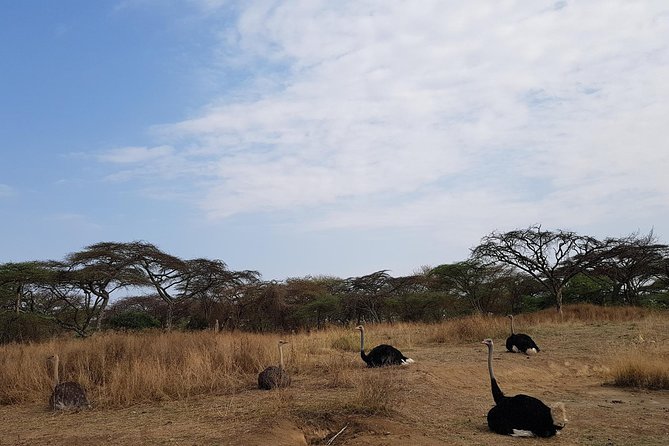
From Awassa, the route turns north toward Abiyatta Shalla Lakes National Park, with a stop at Shashemene along the way. Inside the park, you walk for about half an hour while looking for ostriches, gazelles, warthogs, and lowland birds.
The walking time is fairly short, but the park adds a different setting from Lake Awassa. You are no longer watching a fish market or lakeshore birds. Instead, you are looking across open country for larger animals and moving between lowland habitats.
If the weather is good, particularly from September through June, the drive may continue to natural hot springs. Local people use the waters for healing skin diseases. This is an interesting cultural detail, but do not treat the spring as a guaranteed stop. Weather and road conditions affect the plan.
Park admission is extra, and a park scout is included in the package. That support can help with wildlife spotting and local rules. Wear practical shoes and bring sun protection, since the park section involves walking outdoors.
Shashemene and the Rastafarian connection
The stop in Shashemene lasts about an hour and introduces you to the Jamaican Rastafarian community. Your guide explains the background of Rastafarian beliefs and the connection with Emperor Haile Selassie I.
This is a distinctive stop, but it is also one where a good guide makes a major difference. The subject involves religion, Ethiopia’s modern history, Jamaica, and the legacy of Haile Selassie. You will get an introduction rather than a full course, so ask questions if the topic interests you.
The visit is listed as free. Be respectful and listen carefully. The best value here is not a formal attraction but the chance to understand why this community exists in Shashemene and how Ethiopia became part of a much wider cultural story.
Bishoftu and the final coffee ceremony
A crater lake and Oromo hospitality
The final stop is Bishoftu, also known as Debre Ziet, where you pause at one of the town’s crater lakes. The area is noted for scenic beauty, and this stop gives you a calmer change of pace after the national park and long drives.
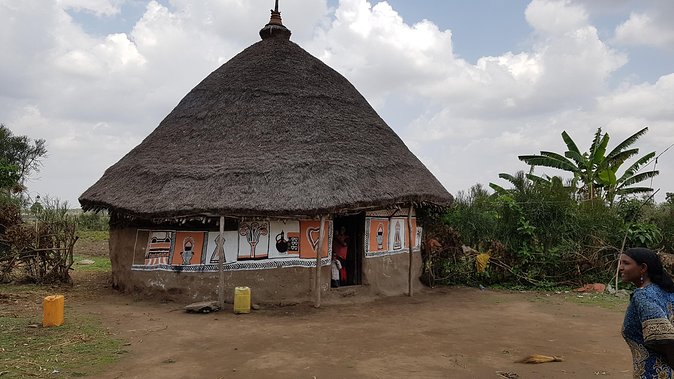
You then visit an Oromo village for a traditional Ethiopian coffee ceremony with local people. Coffee in Ethiopia is not simply a quick drink. The ceremony is a social welcome, and the value lies in sitting, watching, and sharing time rather than rushing through a tasting.
This is one of my favorite features of the tour because it turns culture into an encounter rather than a museum label. You are not just told that coffee matters in Ethiopia. You get to see how a local ceremony brings people together.
The village visit and coffee are included. The tour description does not specify how long the ceremony lasts beyond the one-hour Bishoftu stop, so expect it to fit within that schedule.
Guides, vehicles, and the private format
The tour includes an English-speaking guide, an experienced driver, fuel, bottled water, and an insured private Toyota Corolla for one or two people. Larger groups use a minivan with air conditioning and seat belts.
For a couple, the Corolla should make the trip feel more personal, while groups of up to six gain better value from the minivan arrangement. The vehicle is important because this tour covers a lot of ground in only two days. Air conditioning and seat belts are practical comforts, not luxury extras.
The strongest praise has gone to the human side of the service. Teddy was described as hospitable and helpful with airport pickup and smooth arrangements. Muluken has run his guide business for 17 years and was praised for making people feel safe and secure. Biruk was singled out for being helpful during a family trip.
Those details suggest that the guide can shape the experience. You are not buying only transport between stops. You are paying for explanations, local introductions, timing, and help with the small problems that arise on a fast-moving trip.
What the price includes, and what it does not
At $845.39 per group, the tour makes the most financial sense for a family or group of friends. A solo traveler pays the full group price unless the provider offers a different arrangement, so ask before committing.
Included:
- Private air-conditioned vehicle
- Insurance, seat belts, and fuel surcharge
- English-speaking guide and driver
- Bottled water
- Local family visits
- Ethiopian coffee ceremony
- Onsite guides and park scouts
Not included:
- Accommodation
- Meals
- Entrance fees
- Any expense not listed as included
The accommodation gap is important. This is a two-day tour, but no hotel is supplied in the stated price. The operator can help book accommodation if needed, so settle that detail before departure. You also need to ask which exact admission fees apply to your final route.
The rainy season runs from June through mid-September. Roads, visibility, sunsets, wildlife activity, and the hot spring stop may all be affected by wet weather. Pack accordingly and keep your schedule flexible.
Who should book this experience?
I would recommend this tour to someone with only two days who wants more than a city visit in Addis Ababa. It suits people who enjoy switching between subjects: archaeology in the morning, birds by a lake, local culture after lunch, and a coffee ceremony before the trip ends.
It is also a good match for families and small private groups. The guides have experience helping families, solo visitors, and people who want a secure, organized route. The private format means you do not have to fit into a large group’s rhythm.
I would hesitate if you dislike long drives, early starts, warm outdoor stops, or changing plans around weather. You also need to be comfortable paying separately for meals, lodging, and admissions. This is an active sampling of the Rift Valley, not a restful resort break.
Should you book the Rift Valley Lakes tour?
Book it if you want a high-value cultural sampler and can share the cost with several people. The combination of Tiya, Melka Kunture, Lake Ziway, Lake Awassa, Abiyatta Shalla, Shashemene, and Bishoftu gives you an unusually broad look at Ethiopia in a short time.
Before paying, confirm the overnight accommodation, expected entrance fees, and whether Adadi Mariam is part of your final schedule. If those details are clear, the private vehicle and personal guiding can make this a practical way to get far beyond Addis Ababa without arranging every road stop yourself.
Free cancellation is available up to 24 hours before the start time. That gives you some protection, but changes made inside that window are not accepted.
FAQ
Is this a private tour?
Yes. Only your group participates, with a private vehicle, driver, and English-speaking guide.
How many people can join?
The tour is priced for a group of up to six people. One or two people travel in a Toyota Corolla, while larger groups use a minivan with air conditioning and seat belts.
Are meals and accommodation included?
No. Meals, accommodation, admission fees, and expenses not listed under inclusions are separate. The provider can help arrange accommodation if needed.
What wildlife might I see?
At Lake Ziway, you may see great white pelicans, marabou storks, African fish eagles, sacred ibis, hammerkops, and possibly hippos. Lake Awassa offers a chance to see black-and-white colobus monkeys. Abiyatta Shalla National Park may have ostriches, gazelles, warthogs, and lowland birds.
When does the rainy season occur?
June through mid-September is the rainy season. Weather can affect the views, sunset, wildlife conditions, and the possible visit to the natural hot springs.
Is Adadi Mariam included in the route?
Adadi Mariam appears in the tour overview, but the detailed two-day schedule lists Melka Kunture instead. Confirm the final itinerary with the provider if you specifically want to visit the rock-hewn church. Women visiting it are expected to dress fully and cover their hair.
Just added around Addis Ababa
- 10 Days in Northern Ethiopia Tours★ 4.5 · 3 reviews
- Day Trip to Tiya UNESCO Site & Melka Kunture Archaeological Site★ 4.5 · 3 reviews
- Two days Lake Wenchi and Menagesha Forest★ 5.0 · 3 reviews
- Addis Ababa Half Day Shopping Tour★ 5.0 · 3 reviews
- 6 days 5 nights Addis Abeba sightseeing & Lalibela Rock-Hewn Churches★ 5.0 · 3 reviews
- 12- Day Historical Route of Ethiopia★ 5.0 · 3 reviews
- 6 days Omo valley cultural Tour★ 5.0 · 3 reviews
- Northern Ethiopia (Historic route)★ 5.0 · 3 reviews
2-Day Experiences, compared.

2 Days 1 night tour to Lalibela Rock-hewn churches
Read our review →
Browse the lists this tour appears in