
Reviewed · DANAKIL DEPRESSION TOURS
2 Days Dallol Trip
The earth turns strange here. I like this 2-day Dallol trip for its wild mix of neon mineral colors and working camel caravans, not just pretty scenery. I also like that meals, water, camping equipment, guides, and police support are included. The tradeoff is real: long drives, basic camping, severe heat, and a moderate fitness requirement make this a serious desert outing.
The price is $307.70 per person, which is fair if you value having transport, food, equipment, local guiding, and security arrangements handled together. I would not book it expecting a relaxed sightseeing tour. This is a demanding trip into one of Ethiopia’s harshest regions, with very little comfort between the remarkable sights.
In This Review
- Key points at a glance
- Why Dallol feels unlike any ordinary day trip
- Day one: Mekele to Hamad Ela through the Danakil
- Day two: salt cutting, Dallol, and Lake Assal
- What the transport and group size mean
- Camping, meals, and what the price covers
- The strongest part: nature with people in the middle of it
- Drawbacks you should think through before booking
- Who will get the most from this trip
- Should you book the 2 Days Dallol Trip?
- FAQ
- Where does the Dallol trip begin?
- How long does the tour last?
- How much does the trip cost?
- What is included in the price?
- Is camping included?
- Will I see camel caravans?
- How physically demanding is the trip?
- Can I cancel for a full refund?
Key points at a glance
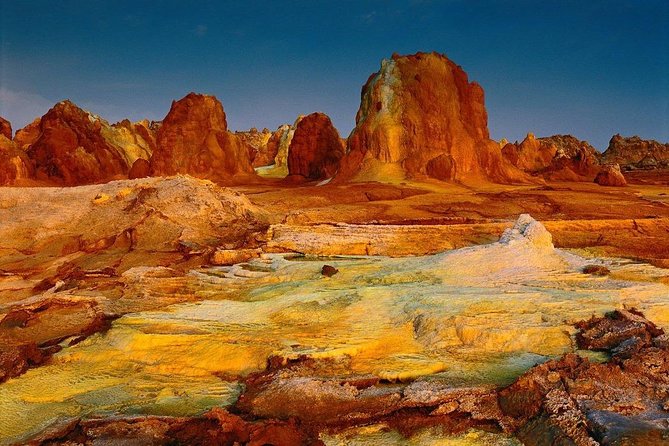
- Dallol sits 116 meters below sea level, among acidic springs and strange mineral colors formed by volcanic activity.
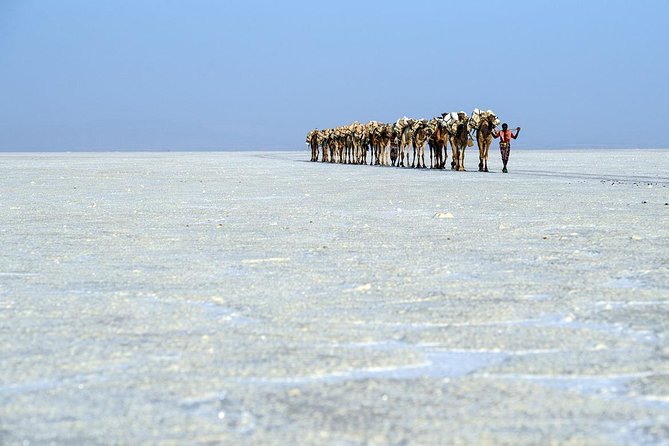
- Camel caravans are part of the working scene, carrying salt to and from the Danakil Depression.
- Hamad Ela camping gives you an overnight base near the desert route, with dinner, breakfast, lunch, water, and camping equipment included.
- Lake Assal adds another stark stop, with salt, open desert, and a campfire mentioned as part of the evening experience.
- The trip includes local guides, scouts, and police service, an important feature in this remote region.
- The group can have up to 15 people, while the drive to the main sights takes several hours each day.
Why Dallol feels unlike any ordinary day trip
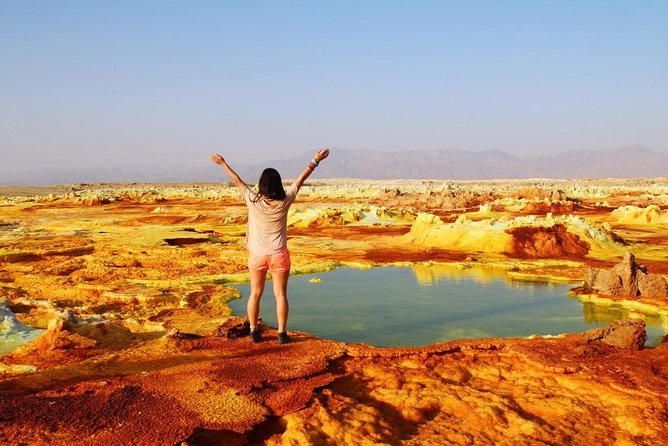
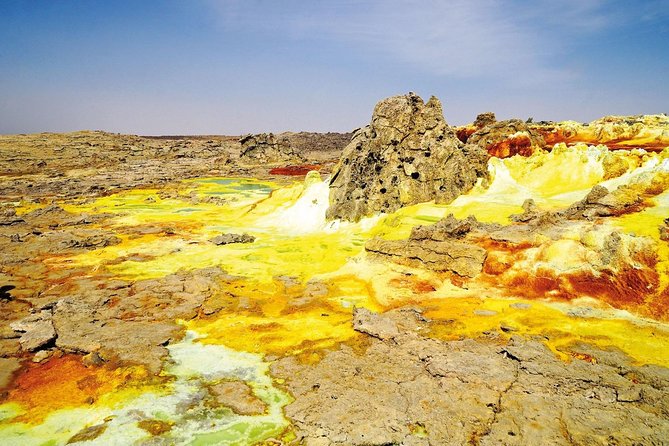
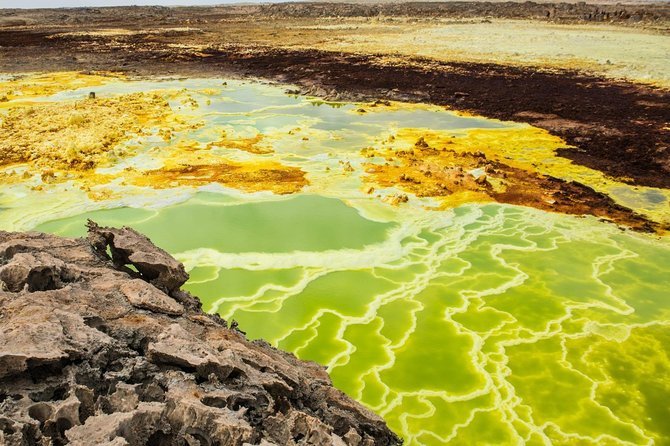
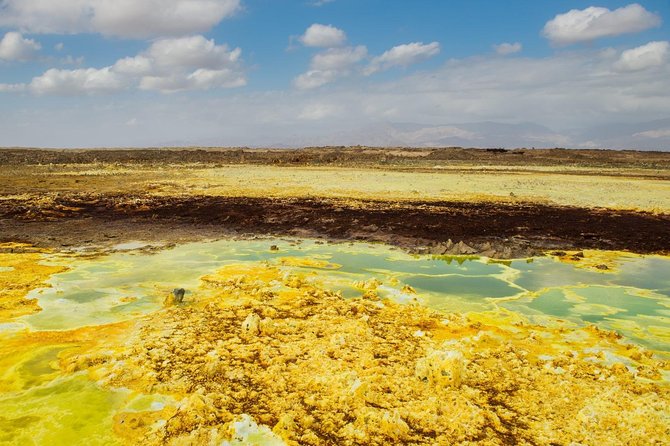
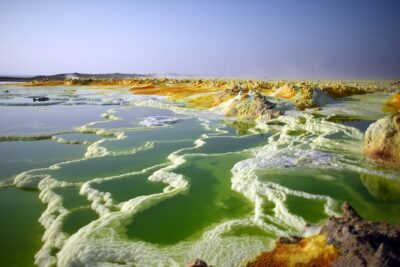
Dallol is not simply a scenic viewpoint. It is a terrestrial hydro-thermal area where hot, highly acidic fluids come through the ground and leave behind strong mineral colors and patterns. The result is a place that can look almost artificial, with sulfur tones, crusted salt, and unusual ground formations.
I like the fact that this tour puts those natural features beside everyday work. You are not only looking at geological oddities. You also see salt being cut, loaded onto camels, and moved through the desert. That connection gives the trip more meaning than a quick stop for photographs.
The Danakil Depression contains areas more than 100 meters below sea level. Dallol itself is listed at 116 meters below sea level, making it one of the lowest places on Earth. That number matters because it helps explain the intense setting: a vast, sun-baked depression where salt, volcanic heat, and mineral-rich water shape the ground.
The tour begins from Mekele at 9:00 a.m. The supplied schedule labels both daily stops as Erta Ale, but the descriptions focus on the Danakil route, Hamad Ela, Dallol, Lake Assal, and the salt-mining area. I would confirm the exact plan with Danakil Tour and Travel before departure, especially if seeing an Erta Ale volcano feature is important to you.
More Danakil expeditions:
- 3 Days Danakil Depression Tour
★ 4.5 · 135 reviews - 3 Days Danakil Depression Tours Via Semera
★ 5.0 · 47 reviews - 12 Days SIMIEN MOUNTAIN-LALIBELA-DANAKIL-TIGRAY CHURCHES
★ 5.0 · 45 reviews
Day one: Mekele to Hamad Ela through the Danakil
The first day is mainly about reaching the remote desert base. From Mekele, the drive takes about three to four hours to pass through Berhale and continue toward Hamad Ela. That may sound manageable on paper, but the destination and terrain are the point. You are moving from the regional city into a far more isolated setting.
Berhale is described as a stopping place for camel caravans before they continue toward the northern highlands. Along the route, you may see long lines of camels heading to the salt mines and others leaving with salt loaded on their backs. This is one of the most valuable parts of the trip because the desert is still a workplace, not an empty stage built for sightseeing.
The salt trade gives the region a human rhythm. Camels carry the material that trucks and machines might move elsewhere, and the route links the low desert with communities farther north. I would pay attention to the pace of the caravans and the way the loaded animals move across the open ground. Those details may be more memorable than another wide photograph.
The overnight stop is Hamad Ela, described as a village with a population of about 500 people. It is a better base than a completely isolated camp, but you should still expect simple conditions. Camping equipment is included, along with dinner, breakfast, lunch, and bottled water for the trip.
The schedule gives the first day about eight hours. Much of that time is driving, with the desert itself providing the changing view. Do not judge this trip by the number of formal stops. The long approach is what places you in the setting where the salt routes and low-lying desert make sense.
A campfire at Afdera Lake is specifically associated with the evening experience, along with soup at dinner. The supplied plan places the overnight camp at Hamad Ela, so ask the operator how Afdera Lake fits into the current route. The mention is useful because it suggests a simple, social end to a demanding day, but exact camp arrangements should be confirmed before you go.
Day two: salt cutting, Dallol, and Lake Assal
The second day begins with a drive to Ragad, also called Asebo, where local workers mine salt. This is not a museum display. The description focuses on the actual process: breaking salt from the ground, cutting it into rectangular pieces, and loading it onto camels.
That stop gives you a clear reason to rise early. You are seeing the source of the material carried through the region, then following the route toward Dallol and Lake Assal. The day connects natural forces with local labor in a way that makes the area easier to understand.
The schedule allows about eight hours for the second day. After Ragad, the group continues to Dallol, which sits 116 meters below sea level. Here the attraction is the unusual ground itself: colorful salt deposits, mineral patterns, and acidic water emerging from hydro-thermal springs.
Dallol is visually powerful, but it is also a place where you need to follow instructions. The fluids are described as very acidic, so this is not a setting for wandering off alone or touching unusual pools. Stay with the local guide and police or scout support, and treat the marked route and safety advice as part of the experience.
You may find that the colors look different depending on the light and the exact part of the site you visit. The supplied information does not promise a particular color sequence or a specific viewing platform, so keep your expectations focused on the overall mineral formations rather than one perfect photograph.
Lake Assal adds another type of desert scenery. The route combines the lake with the salt-mining area, camel caravans, and time walking with Afar people. That combination matters. You are not simply ticking off three disconnected sights. The lake, salt, and caravan route all belong to the same severe environment.
The return drive goes back to Hamad Ela and then continues to Mekele. This makes the second day long and physically tiring. I would plan to spend the evening resting rather than arranging another activity in Mekele.
What the transport and group size mean
An air-conditioned vehicle is included, which is one of the most important practical features. In a region known for intense heat and long road sections, cooling between stops can make a major difference. The tour also provides bottled water, but I would still treat hydration as a priority and ask how much water is supplied per person.
The group size can reach 15 people. That is not a private trip, and the experience may feel less flexible when the vehicle stops or the group walks near the mineral areas. On the other hand, a group of this size can make the remote setting feel more supported, especially when scouts and police service are included.
Pickup is offered, and the stated start time is 9:00 a.m. The exact pickup point is not given in the supplied details, so confirm it with the operator in Mekele. A mobile ticket is available, which is handy if you are booking while moving around Ethiopia.
The trip is listed as suitable for people with moderate physical fitness. That phrase should be taken seriously. The demands come from heat, long drives, walking on rough ground, and the general strain of a two-day desert route. The information does not state a walking distance, so ask before booking if you have mobility limits or health concerns.
More two-day trips:
- 2 Days Private Tour in Addis Ababa Ethiopia
★ 5.0 · 36 reviews - 2 Days Wildlife Safari to Awash National Park
★ 4.5 · 21 reviews - 2 Days 1 night tour to Lalibela Rock-hewn churches
★ 5.0 · 12 reviews - Two Days Tigray Churches Trip
★ 5.0 · 10 reviews
Camping, meals, and what the price covers
At $307.70 per person, the price covers much more than admission to a geological site. Included are dinner, breakfast, two lunches, bottled water, an air-conditioned vehicle, all listed fees and taxes, local guide service, camping equipment, and scout and police service.
That package gives the trip useful value. Organizing the route independently would mean arranging desert transport, food, water, equipment, and local support across an area where normal city-tour assumptions do not apply. The price is especially reasonable for someone who wants a structured trip rather than a do-it-yourself expedition.
Still, included does not mean luxurious. Camping equipment is supplied, but the details of tents, bedding, washing facilities, and toilets are not provided. I would ask Danakil Tour and Travel what the camp setup includes. The same applies to the vehicle: air conditioning is listed, but no vehicle type or seat arrangement is specified.
Meals are included, and soup at dinner is a small detail worth noting. After a hot day on the road, a warm meal can matter more than an impressive menu. Alcoholic drinks are not included, and other services outside the inclusion list cost extra or are unavailable.
The strongest part: nature with people in the middle of it
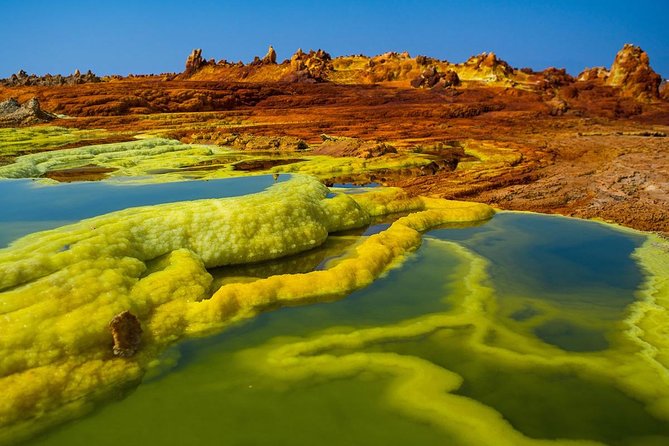
The mineral colors are the obvious draw, but I think the camel caravans make the experience more memorable. Dallol could otherwise feel like a distant science lesson. Seeing salt cut into blocks and carried across the same region gives the place a working identity.
The time with Afar people is another important feature. The description says you walk with Afar people, but it does not spell out whether this means a guided community encounter, an introduction along the route, or time near the caravan workers. Ask for clarification if cultural contact is central to your plans, and approach it with respect. This is a lived environment, not a performance arranged only for photographs.
The organizers also receive strong praise for professional drivers and helpful guides. That matters here more than it would on a standard city excursion. Good driving, clear instructions, and reliable local support are part of your comfort and safety in a remote desert.
The four published comments are all highly positive, with particular praise for the drivers, company, guides, organization, dinner soup, and campfire near Afdera Lake. One description calls the Danakil experience challenging but exciting from departure to return. That is a fair expectation: this is fun because it is demanding, not because it is easy.
Drawbacks you should think through before booking
The biggest drawback is time spent in the vehicle. The program gives about eight hours on each day, and the first day includes a three to four hour drive just to reach the desert route and Hamad Ela. If you dislike long road journeys, the remarkable sights may not compensate for the transit.
The second issue is comfort. The trip includes camping equipment and meals, but it does not promise hotel rooms or modern facilities. You should be ready for a basic overnight stop and a hot, exposed setting.
The itinerary wording also needs clarification. Both days list Erta Ale as the stop heading, while the detailed descriptions explain a Dallol-focused route and do not clearly describe a visit to an Erta Ale crater or lava lake. Contact the provider before paying if that distinction matters to you.
Finally, the acidic springs and extreme environment require discipline. You should follow your guide, scout, and police instructions without treating the area like an ordinary walking trail. The tour is organized, but organized does not mean risk-free.
The experience is booked, on average, 51 days in advance. That suggests you should plan early if your Ethiopia schedule is fixed. Free cancellation is available until 24 hours before the local start time. Within 24 hours, you receive no refund, and late changes are not accepted.
Who will get the most from this trip
I would recommend this trip to you if you want unusual geology, working salt routes, desert scenery, and a guided experience in a difficult-to-reach region. It suits people who can handle long drives, basic camping, heat, and a moderate amount of walking.
It is also a good fit if you value practical organization. The combination of transport, meals, water, equipment, guides, and security support removes much of the hard planning.
I would be cautious about booking it for young children, anyone needing high comfort, or anyone unable to manage a demanding two-day schedule. The supplied information does not give age limits or detailed accessibility provisions, so ask direct questions before reserving.
Should you book the 2 Days Dallol Trip?
Book it if Dallol’s acidic springs, salt colors, camel caravans, and low desert setting are high on your Ethiopia wish list. The price buys a serious amount of logistical support, and the strongest praise goes to the drivers, guides, organization, and the memorable camp atmosphere.
Skip it if you want a gentle outing, a hotel bed, or a tightly specified itinerary with every stop clearly named. Before booking, confirm the Erta Ale wording, the camping facilities, pickup location, water amount, and walking expectations. If those answers suit you, this is one of the more unusual ways to see Ethiopia: demanding, stark, and very far from an ordinary sightseeing day.
FAQ
Where does the Dallol trip begin?
The experience is based in Mekele, Ethiopia, with pickup offered. The stated start time is 9:00 a.m.
How long does the tour last?
The tour lasts approximately two days. Each listed day allows about eight hours, including driving and visits.
How much does the trip cost?
The listed price is $307.70 per person.
What is included in the price?
The package includes dinner, breakfast, two lunches, bottled water, an air-conditioned vehicle, all fees and taxes, local guide service, camping equipment, and scout and police service.
Is camping included?
Yes. Camping equipment is included, and the first night is scheduled at Hamad Ela.
Will I see camel caravans?
Yes. The route includes camel caravans carrying salt to and from the Danakil Depression, with visits to salt-mining areas where salt is cut and loaded onto camels.
How physically demanding is the trip?
A moderate level of physical fitness is required. The tour includes long drives and walking around the Dallol and salt-mining areas.
Can I cancel for a full refund?
Yes. You can cancel at least 24 hours before the experience start time for a full refund. Cancellations or changes made within 24 hours are not accepted for a refund.
Just added around Ethiopia
- 10 Days in Northern Ethiopia Tours★ 4.5 · 3 reviews
- Lalibela 2-Day Eco Trekking Tour★ 5.0 · 3 reviews
- Day trek to Simeien Mountains★ 5.0 · 3 reviews
- Full Day Tour in Lalibela★ 5.0 · 3 reviews
- Day Trip to Tiya UNESCO Site & Melka Kunture Archaeological Site★ 4.5 · 3 reviews
- Two days Lake Wenchi and Menagesha Forest★ 5.0 · 3 reviews
- 4 Days tour in omo valley.★ 4.5 · 3 reviews
- 6 days 5 nights Addis Abeba sightseeing & Lalibela Rock-Hewn Churches★ 5.0 · 3 reviews
Danakil Depression Tours, compared.
12 Days SIMIEN MOUNTAIN-LALIBELA-DANAKIL-TIGRAY CHURCHES
Read our review →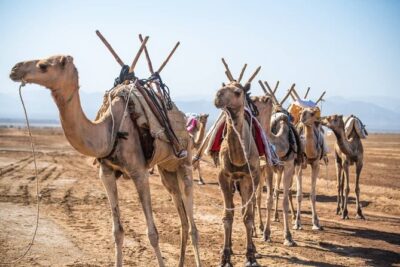
3 Day Danakil Depression Ertale and Dallol Tours
Read our review →3 Days Danakil Depression Tour from Semera City
Read our review →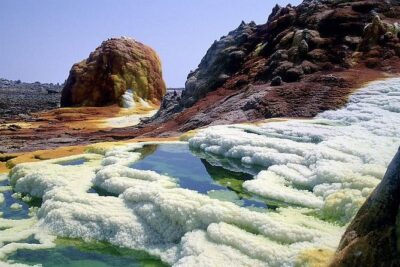
5 DAYS Lalibela, Axum, Tigray churches and Danakil
Read our review →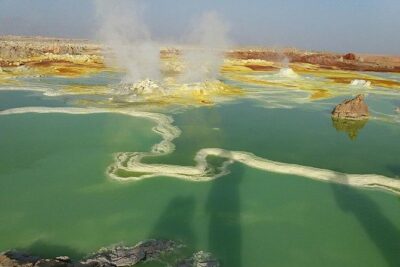
6 Days tour Package (Simien Mountains, Lalibela, and Danakil Depression)
Read our review →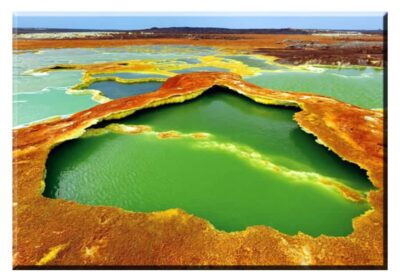
2-Night 3-Day Danakil Depression Tour without Flights
Read our review →Browse the lists this tour appears in