

Reviewed · CITY TOURS
Addis Ababa highlight city tour
See Addis Ababa through its oldest stories. This $50 city tour links Lucy at the National Museum, St George’s Cathedral, Shiromeda market, Entoto Mountain, and a cup of Tomoca coffee, giving you a useful first look at Ethiopia’s capital without wrestling with the city’s traffic alone. I especially like the strong mix of archaeology and everyday culture, plus the sweeping view from Entoto.
I also like the practical pickup and drop-off service, which works well for a short stay or airport layover. Guides such as Amanuel, Oli, Yhun, and Abraham have helped visitors understand both Ethiopia’s past and daily life today. The main consideration is that the church stop may feel modest, and museum closures or renovation dates can affect the plan, so confirm the schedule before you go.
In This Review
- Key points to know before booking
- A smart first look at Addis Ababa
- Lucy and the National Museum of Ethiopia
- St George’s Cathedral and Ethiopia’s Orthodox tradition
- Shiromeda market and traditional Ethiopian cloth
- Entoto Mountain and the view over Addis Ababa
- Mercato, Africa’s biggest open market
- Ethiopian food and the final coffee at Tomoca
- Guides, drivers, and the practical side
- Who will get the most from this tour
- Is $50 good value?
- Should you book the Addis Ababa highlight tour?
- FAQ
- How much does the Addis Ababa highlight city tour cost?
- What is included in the price?
- Is the National Museum included?
- What can I see at the National Museum?
- Does the tour visit Mercato?
- Will I visit Entoto Mountain?
- Is food included?
- Is the tour suitable for wheelchair users?
- Can I cancel the booking?
Key points to know before booking
- Lucy gives the tour a powerful beginning: The National Museum holds the famous 3.5-million-year-old fossil, along with artifacts from Ethiopia’s early civilizations.
- Mercato is a sensory city lesson: You walk through one of Africa’s biggest open markets, with time to see local trade at close range.
- Entoto changes your view of Addis Ababa: The mountain viewpoint looks over the capital and adds cooler highland air to the day.
- Shiromeda is best for Ethiopian textiles: This market is known for traditional clothing and woven fabrics, making it a useful stop for souvenirs.
- Tomoca ends the outing well: The coffee stop gives you a taste of Addis Ababa’s serious coffee culture.
- The tour is built for tight schedules: Hotel and airport transfers make it especially useful during a long layover.
A smart first look at Addis Ababa
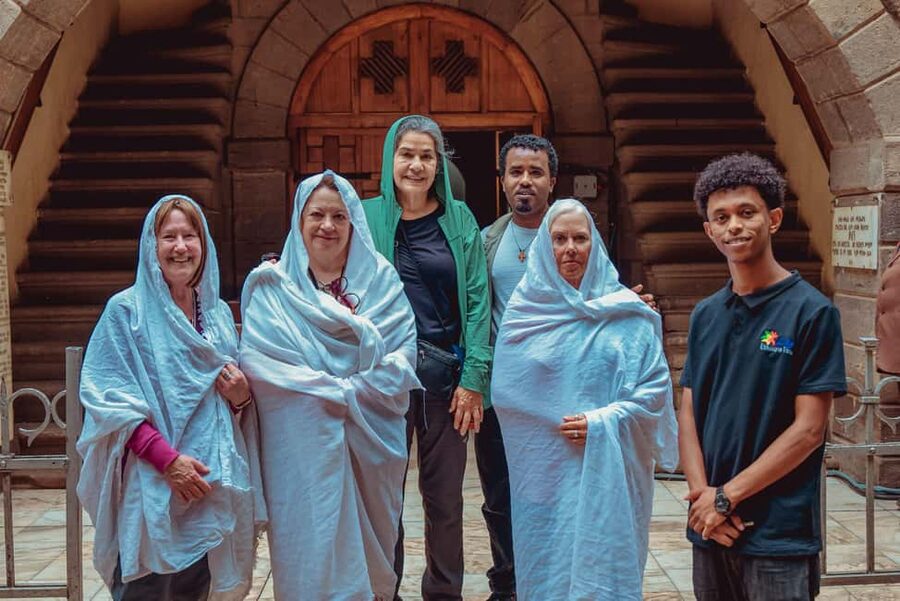
Addis Ababa can feel spread out, busy, and hard to read on a first visit. This route helps you place the city in context. You see Ethiopia’s place in human evolution, its Orthodox Christian tradition, its market life, its mountain setting, and its coffee culture in one outing.
The tour costs $50 per person and includes an English-speaking guide, transport, entrance fees, bottled water, coffee, tax, and pickup and drop-off. That is a fair package if you value convenience. Getting between the stops on your own could take time, and the guide adds context that you would miss by simply photographing the buildings.
The tour is also a good fit for a day between flights. Several visitors used it during layovers, including one person with 19 hours in Addis Ababa and another with only a single day in the city. Airport pickup and drop-off remove one large worry, though you should provide your flight timing clearly when arranging the visit.
A few more tours of this kind worth a look:
- Full Day Tour of Addis Ababa with Hotel Pickup and Drop-off
★ 5.0 · 430 reviews - Taste of Ethiopia
★ 5.0 · 406 reviews - Day Trip From Addis Ababa See Historical Monastery,Stunning Nature,Animals,Birds
★ 5.0 · 303 reviews
Lucy and the National Museum of Ethiopia
The National Museum is the intellectual center of this tour. Its most famous object is Lucy, known locally as Dinkinesh, meaning wonderful. She is a fossil of Australopithecus afarensis, an early human ancestor who lived about 3.5 million years ago.
Lucy matters because her discovery changed ideas about when human ancestors first walked upright. The fossil showed that upright walking reached far deeper into the human past than many researchers had believed. Seeing her in Ethiopia gives the subject a stronger sense of place than seeing a photograph in a textbook.
The museum also contains archaeological objects from the pre-Aksumite period and other Ethiopian cultural material. The value is not only the age of the exhibits. The museum helps you see Ethiopia as a center of early human development and an old African civilization, rather than simply as a stopover city.
The museum has officially reopened as of May 20, and the tour once again includes a full visit. Still, museum hours and special closures matter. Monday closures caused disappointment for some people, and renovation periods have also affected visits. Confirm that the museum will be open on your date, especially if Lucy is your main reason for booking.
Allow yourself time to look closely rather than rushing from case to case. If you have strong interest in archaeology, ask your guide to spend extra time on the early human material. If you have limited time, the guide can help you focus on the most important objects.
St George’s Cathedral and Ethiopia’s Orthodox tradition

The next major stop is St George’s Cathedral, or Giorgis Cathedral, at the north end of Churchill Road. Built in 1896, the octagonal church commemorates Ethiopia’s victory over Italy at the Battle of Adwa.
The building introduces you to Ethiopian Orthodox Christianity, one of the world’s oldest Christian traditions and an important part of Ethiopian identity. Your guide can explain the church’s place in national life, religious practice, and the story of Ethiopia’s resistance to European conquest.
Inside, the cathedral is associated with the work of Afewerk Tekle, the Ethiopian artist who also created the stained-glass windows of Africa Hall. The art and architecture are the main reasons to visit, but expectations should stay realistic. One part of the site has been described as poorly maintained and limited in what it offers.
That makes the guide especially important. A good explanation can turn a fairly quiet church visit into a useful lesson in Ethiopian faith and national history. Visitors who expected a large, polished attraction may find this stop less impressive than the museum or Entoto viewpoint.
Dress and behavior should be respectful at a religious site. High-heeled shoes are not allowed on the tour, and comfortable, practical footwear is a much better choice for the church, market, and mountain stops.
Shiromeda market and traditional Ethiopian cloth
On the drive toward Entoto Mountain, the tour stops at Shiromeda market. This is one of the city’s main places for Ethiopian traditional clothing and woven fabrics.
The market offers a more focused experience than a general shopping center. You might find embroidered garments, shawls, scarves, and other textiles associated with Ethiopian dress. The exact selection changes, so treat the stop as a chance to browse and learn rather than a guaranteed shopping list.
This is a useful place to ask about fabric, patterns, and the role of traditional clothing in Ethiopian celebrations. Some visitors have also used the tour to buy souvenirs, and guides have adjusted the route to allow time for shopping.
Keep your pace relaxed and pay attention to your belongings in crowded areas. Your guide can help with communication and explain what you are seeing. If you want to buy something, ask about prices and take a moment before committing. The point is not to rush through the market, but to see how clothing and trade fit into city life.
Something different, still within Addis Ababa:
- Addis Ababa: Debre Libanos, Blue Nile Gorge, and Cave Tour
★ 4.5 · 256 reviews - Addis Ababa Guided City Tour With Airport & Hotel Pick Up
★ 5.0 · 237 reviews - Breathtaking Nature, Wildlife and Cave Church Tour – Free Pickups
★ 5.0 · 225 reviews - Full-Day Private City Tour of Addis Ababa
★ 5.0 · 147 reviews
Entoto Mountain and the view over Addis Ababa

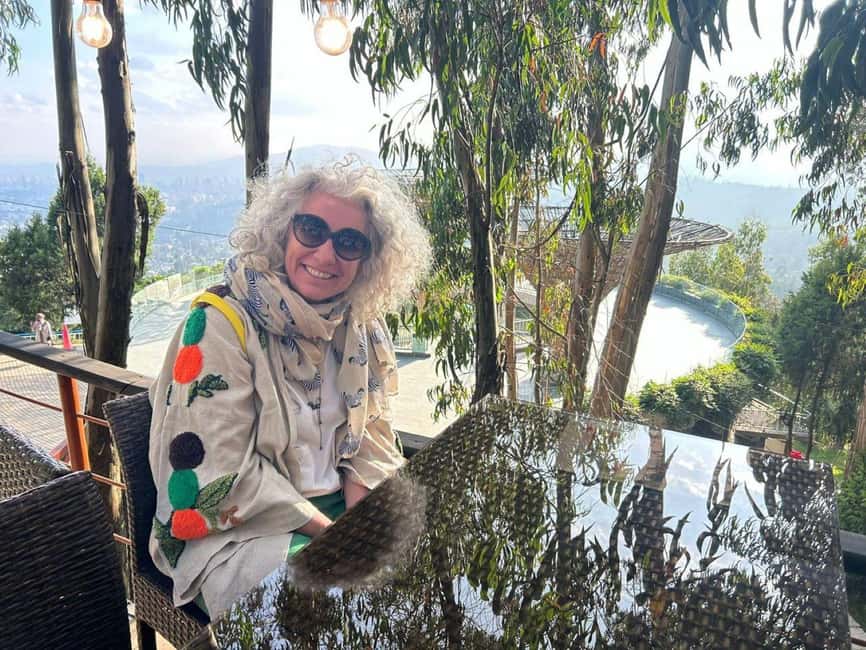
The drive climbs toward Entoto Mountain, one of the tour’s strongest stops. From the viewpoint, Addis Ababa spreads below you, giving you a clearer sense of the capital’s size and setting.
The view also explains part of the city’s character. Addis Ababa sits at high elevation, and Entoto gives you a different atmosphere from the streets below. The mountain stop provides a pause after the museum, church, and market, while the guide connects the view to the city’s development.
Entoto is more than a photo stop. It lets you understand how the capital is arranged and why the city can feel so expansive when you are moving through it by road. Bring a light layer if you are sensitive to cool mountain air. The supplied information does not promise a particular weather condition, and conditions can change quickly.
One especially worthwhile addition mentioned by visitors is the palace behind the church in Entoto. It was not part of everyone’s original research, yet it added another layer to the mountain visit. Ask your guide what is open and included on your date, since added stops can depend on timing and site conditions.
There is also Entoto Park, and at least one itinerary was adjusted to include entry there when the National Museum was closed. That does not mean it is guaranteed in every tour, but it shows that the company may offer a substitute when a planned attraction cannot be visited.
Mercato, Africa’s biggest open market
The tour also takes you through Mercato, described as the biggest open market in Africa. This is the most direct look at Addis Ababa’s commercial life, with people buying and selling goods across a large, crowded area.
Mercato can be intense. Traffic may slow the vehicle, and the market itself can feel difficult to navigate without someone who knows the area. That is exactly where a local guide earns the fee. You can concentrate on what is around you instead of worrying about directions or missing the vehicle.
The market is not designed as a tidy shopping attraction. You might see goods that have little interest for an international shopper, but the value is in observing how the city works. It is a place for trade, movement, conversation, and practical daily business.
Do not arrive expecting a quiet stroll. Wear comfortable shoes, keep valuables secure, and listen to your guide about where to walk. If you want to purchase something, tell the guide early so the schedule can allow for it.
Ethiopian food and the final coffee at Tomoca
Food is part of the appeal, but the exact meal is not presented as a fixed inclusion. Some visitors were able to stop for authentic Ethiopian food, and guides adapted the day to make room for lunch or a meal. Ask in advance if eating local food is a priority.
That flexibility is useful because Ethiopian cuisine is one of the best ways to understand the country’s culture. You may have the chance to try traditional dishes, but the supplied tour details guarantee coffee, not a full meal. Plan your expectations accordingly.
The final stop is Tomoca Coffee, one of Addis Ababa’s best-known coffee shops and a fitting end to a city tour. Ethiopia is widely associated with coffee, and Tomoca gives you a chance to enjoy that tradition in a simple, focused way.
The coffee stop also helps the rhythm of the tour. After the market and mountain, you can sit down, ask final questions, and think through what you have seen. Several visitors singled out Tomoca as a memorable part of the day, especially when paired with an Ethiopian meal.
Guides, drivers, and the practical side
The strongest part of the experience is the human service. Guides named Amanuel, Oli, Olinol, Yhun, Abraham, Wondiye, Seya, and Seljiu have been praised for clear English, good organization, humor, historical explanations, and attention to comfort.
You should not expect every departure to have the same guide, but the repeated pattern is useful: the guide is central to the quality of this tour. Amanuel has been described as prepared and friendly, while Oli has been praised for his English, history knowledge, and easy manner. Yhun has also helped visitors understand what each stop means and why it belongs on the route.
Drivers matter just as much in Addis Ababa. Visitors have described clean vehicles, smooth driving, punctual pickups, and a strong sense of safety. One driver kept the journey comfortable during a hailstorm, which says something about the care taken on difficult roads.
Communication is usually clear, and some guides have helped with photographs, video, mobile internet access, and personal requests. Still, one visitor experienced a late pickup and weak WhatsApp response, so do not assume communication will always be perfect. Confirm the meeting point and timing before the day begins.
Who will get the most from this tour
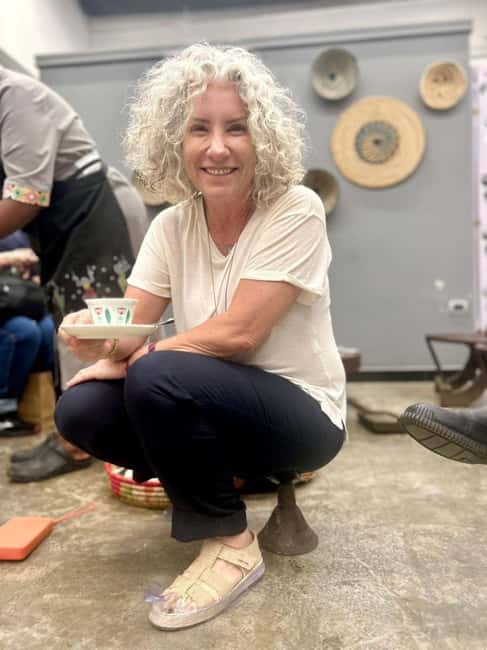
I would choose this tour if you have one day or less in Addis Ababa and want a broad introduction rather than a slow study of one neighborhood. It works particularly well for first-time visitors, solo travelers, people on layovers, and anyone who prefers a guide in a complicated city.
It also suits visitors who want history and culture in equal measure. Lucy gives you archaeology, the cathedral gives you religion and national memory, Mercato gives you city life, Entoto gives you views, and Tomoca gives you coffee.
This is less suitable if you use a wheelchair or have a pre-existing medical condition, since the experience is not recommended for wheelchair users or people with such conditions. High heels are not allowed, so choose flat, comfortable footwear.
The tour is conducted in English. If you need another language, this experience may not be the right choice.
Is $50 good value?
For $50 per person, the value is solid if you use the included transport and entrance fees. Hotel or airport pickup, an English-speaking guide, bottled water, museum and site admissions, coffee, and drop-off add up quickly when arranged separately.
The price is also buying time. Addis Ababa traffic can make independent sightseeing slow, and the route covers several parts of the city. A guide who can adjust the schedule, help with photos, explain local customs, and handle the practical details makes the day easier.
The value drops if the museum is closed and no replacement is offered. That is why I would confirm opening arrangements before paying. The company allows you to reserve and pay later, and cancellation is available up to 24 hours ahead for a full refund, which gives you some flexibility.
Should you book the Addis Ababa highlight tour?
I would book it for a short visit, a long layover, or a first day in Addis Ababa. The best parts are the National Museum, Entoto Mountain, Mercato, and the guide’s explanations between stops. Tomoca coffee is a small but well-chosen finish.
Book with realistic expectations about the church and the market. The church may feel under-maintained, and Mercato is more about seeing real commerce than finding polished souvenirs. Confirm the National Museum’s opening day, request airport timing clearly, and wear practical shoes.
If you want a compact introduction to Ethiopia’s capital with dependable transport and a personal guide, this is a strong choice at $50.
FAQ
How much does the Addis Ababa highlight city tour cost?
The tour costs $50 per person.
What is included in the price?
The price includes hotel pickup and drop-off, airport pickup and drop-off, entrance fees, an English-speaking guide, bottled water, coffee, and tax.
Is the National Museum included?
Yes. The National Museum of Ethiopia has officially reopened as of May 20, and the tour includes a visit to see Lucy and other exhibits.
What can I see at the National Museum?
You can see Lucy, also called Dinkinesh, a fossil of Australopithecus afarensis dating back about 3.5 million years. The museum also contains archaeological material from pre-Aksumite civilization and other Ethiopian artifacts.
Does the tour visit Mercato?
Yes. The route includes a visit to Mercato, described as the biggest open market in Africa.
Will I visit Entoto Mountain?
Yes. The tour drives to Entoto Mountain for a panoramic view over Addis Ababa. It also stops at Shiromeda market on the way.
Is food included?
Coffee at Tomoca is included. A full meal is not listed as a guaranteed inclusion, although the schedule may sometimes be adapted for an Ethiopian food stop.
Is the tour suitable for wheelchair users?
No. The experience is not suitable for wheelchair users.
Can I cancel the booking?
Yes. You can cancel up to 24 hours in advance for a full refund. You can also reserve and pay later to keep your plans flexible.
Just added around Addis Ababa
- 10 Days in Northern Ethiopia Tours★ 4.5 · 3 reviews
- Day Trip to Tiya UNESCO Site & Melka Kunture Archaeological Site★ 4.5 · 3 reviews
- Two days Lake Wenchi and Menagesha Forest★ 5.0 · 3 reviews
- 6 days 5 nights Addis Abeba sightseeing & Lalibela Rock-Hewn Churches★ 5.0 · 3 reviews
- Addis Ababa Half Day Shopping Tour★ 5.0 · 3 reviews
- 6 days Omo valley cultural Tour★ 5.0 · 3 reviews
- 12- Day Historical Route of Ethiopia★ 5.0 · 3 reviews
- Addis Ababa City Tour★ 4.5 · 3 reviews
City Tours, compared.
Addis Ababa Guided City Tour With Airport & Hotel Pick Up
Read our review →

Authentic Addis Ababa City Tour with a Local Guide
Read our review →

Addis Ababa City Tours Full Day With Hotel Pickup And Drop Off.
Read our review →Browse the lists this tour appears in