
Reviewed · 6-DAY EXPERIENCES
6 days private Sight Seeing Tours.
Southern Ethiopia rewards patience. This six-day private tour links tribal villages, national park roads, mountain communities, and Lake Chamo in one demanding but memorable route. I like the small private format, limited to three people in one car, and I like the chance to meet Mursi, Dassanach, Konso, Banna, and Dorze communities rather than staying only in Arba Minch.
The guide, Fasil, receives especially strong praise for his care, answers, planning, and ability to adjust around weather. He also helped arrange visits to Dorze village and Lake Chamo with a friendly, professional manner. The main concern is the pace: long road days, basic accommodation in the south, and some unclear details about flights and entrance fees mean you should confirm the arrangements before paying.
In This Review
- Key things to know before booking
- Why this route is different from a standard Arba Minch tour
- Day 1: Ari village after the flight to Jinka
- Day 2: Mursi country through Mago National Park
- Day 3: Dassanach life near Lake Turkana
- Day 4: Konso walls, terraces, and memorial traditions
- Day 5: Lake Chamo wildlife and Dorze mountain culture
- Day 6: A flexible finish in Arba Minch
- What the $1,300 price covers
- The guide’s role and the private format
- Where the tour is strongest
- Where you should set realistic expectations
- Should you book this six-day Ethiopia tour?
- FAQ
- Where does the tour start?
- How many people can join the private vehicle?
- What communities are included?
- What is included in the price?
- Is the Jinka flight included?
- What is the cancellation policy?
Key things to know before booking
- Ari village begins the journey near Jinka, after a flight that is part of the opening plan but should be confirmed separately.
- Mago National Park leads to a Mursi visit, with a full seven-hour day and an additional park entrance charge listed for that stop.
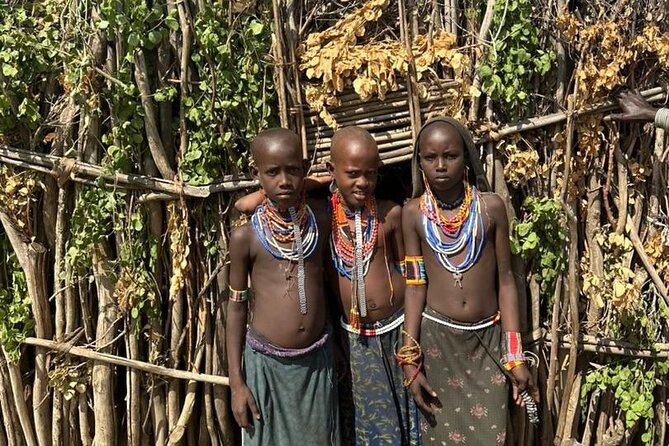
- Dassanach country lies near Lake Turkana, where pastoral life meets farming and fishing in a harsh setting.
- Konso’s stone walls and terraces are UNESCO-recognized, making this more than a village visit.
- Lake Chamo adds wildlife and photography, with crocodiles, hippos, and aquatic birds listed as highlights.
- The $1,300 price covers core touring costs, including a car, fuel, driver, rooms, food, soft drinks, entrance fees, and taxes, but the exact inclusions should be confirmed because the daily notes are not fully consistent.
Why this route is different from a standard Arba Minch tour
Arba Minch is the practical anchor, but the strongest part of this trip is the range of settings around it. You move from Jinka and the Ari community to Mago National Park, then south toward the Dassanach, back through Konso, and finally into the mountains and lakes around Arba Minch.
That variety matters. You are not seeing one village, taking one boat ride, and calling it a southern Ethiopia trip. You get several cultural regions, different building styles, farming methods, clothing traditions, and ways of using the land. The tradeoff is simple: the route takes time on rough or tiring roads, and you should be comfortable with early starts and changing conditions.
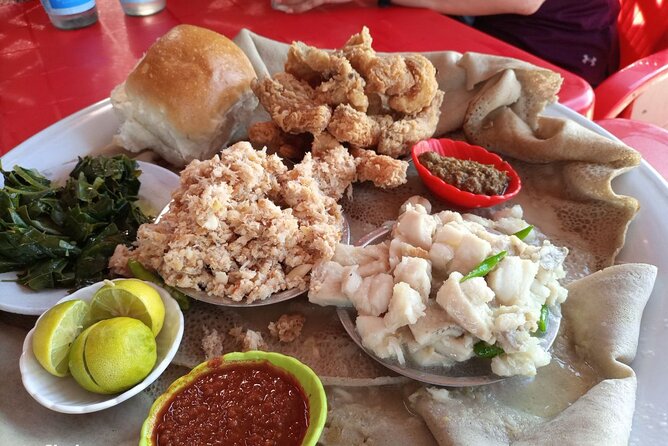
The private setup makes the journey easier to shape around your interests. If photography matters to you, you can ask for time to work with people, architecture, animals, and scenery. If you want more cultural explanation, Fasil’s role is important. His warm manner and practical help were repeatedly praised, along with his suggestions for restaurants during time in Arba Minch.
More six-day itineraries:
- 6 Days Omo Valley Tribes Tours From Addis Ababa
★ 5.0 · 33 reviews - 6 Days tour Package (Simien Mountains, Lalibela, and Danakil Depression)
★ 5.0 · 32 reviews - 6 Days Lalibela, Omo Valley and Harar
★ 5.0 · 15 reviews
Day 1: Ari village after the flight to Jinka
The opening day takes you by air to Jinka, followed by an afternoon visit to an Ari village. The Ari are one of the communities around Jinka, and this first meeting gives you a gentler start than immediately heading into the longer park drive.
An afternoon village visit is useful because it introduces local life before the more demanding days begin. You can expect the focus to be on daily routines and cultural observation, with photography likely to be possible if you ask first and behave respectfully. Your overnight stay is at Nasa Pension.
The plan says the flight is to Jinka, while the tour meeting point is Arba Minch. That creates an important planning question. Confirm where you begin, who handles the flight arrangements, and how the first transfer connects with the rest of the tour. The supplied information does not clearly state if the airfare is included in the $1,300 price.
Nasa Pension is named for this night and the following night. The information gives no detailed room description, so I would treat this as a functional base rather than expect resort comforts. Food and soft drinks are listed among the included services, but it is still sensible to ask about bottled water and any special dietary needs before departure.
Day 2: Mursi country through Mago National Park
Day two is the cultural and road-heavy centerpiece. You travel through Mago National Park to meet the Mursi, with about seven hours set aside for the day.
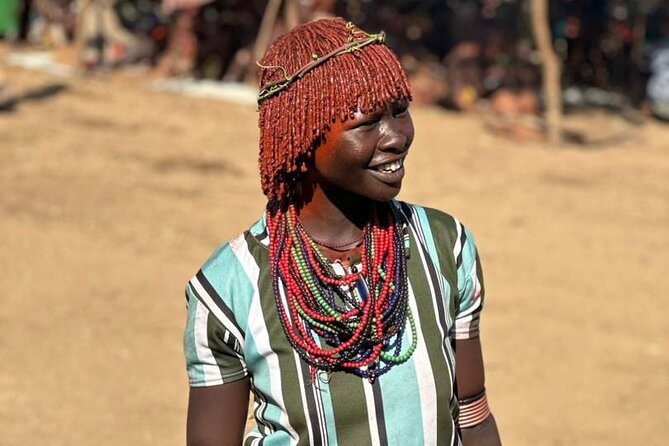
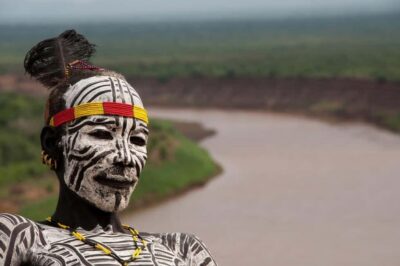
The Mursi are widely known for lip plates, scarification, and body painting. Those features can attract intense photographic interest, but the best approach is to remember that you are meeting people, not collecting pictures. Ask permission before taking close portraits, listen to your guide, and allow the conversation to be more important than the camera.
A private car is helpful here. You can discuss how long to stay, how to handle photography, and what questions are appropriate without being tied to a large group’s timetable. Fasil’s ability to answer questions and manage your needs is one of the strongest reasons this format may work well.
Mago National Park adds a nature setting to the cultural visit. The route is not simply a transfer from one village to another. You pass through a protected area, so the day may appeal to anyone who wants photography that includes both people and open country.
The practical drawback is the length. Seven hours can feel like a full day even before road conditions and stops are considered. The daily details also list the park admission as not included, while the general service description says entrance fees are included. Get this point in writing. It may be a minor accounting difference, but it is better to know who pays at the gate.
You return to Nasa Pension for the second night. Since the same accommodation is used on days one and two, the arrangement avoids another hotel change, though it also means two nights of fairly simple lodging in the Jinka area.
Day 3: Dassanach life near Lake Turkana
The third day focuses on the Dassanach village and allows around five hours for the visit. The Dassanach live north of Kenya’s Lake Turkana, near the Turkana people, and their way of life reflects a demanding environment.
They are pastoralists who raise cattle, using them for meat, milk, and clothing. The description also notes that some have moved toward crop growing and fishing because the area is harsh. That detail gives the visit more depth than a simple presentation of traditional dress. You see how a community adapts when one way of making a living is no longer enough.
This is a particularly good day for anyone interested in how climate and geography shape culture. Cattle remain central, but farming and fishing show practical change. Your guide can help put those choices into context, especially if you ask about food, work, movement, and family life.
The five-hour duration leaves less room for drift than the Mursi day. Keep your schedule flexible, but do not assume every stop will be quick. The route is remote, and the supplied information does not give detailed driving times, meal locations, or accommodation for this night. Confirm where you sleep after the Dassanach visit and what the day’s food arrangements include.
The stop also carries an extra-charge warning in the daily notes. Again, the broad service description says village and park entrance fees are included, while the day-by-day information marks some admission tickets as not included. This is the clearest point to settle before departure.
A few more tours of this kind worth a look:
- 3 days around Arbaminch and Konso Adventure Tours Life Time
★ 5.0 · 24 reviews - Private 3 Days Adventure Tour Through Arba Minch
★ 5.0 · 16 reviews - 5 Day Private tour to the Omo Valley Tribes and Adventure Tour
★ 5.0 · 11 reviews - Omo Valley Tribes 6 Days Tours
★ 4.9 · 10 reviews
Day 4: Konso walls, terraces, and memorial traditions
Day four turns north toward Arba Minch and includes Konso and the Banna community. Konso is one of the tour’s most substantial cultural stops because its traditions are tied to farming, settlement design, and soil protection.
The Konso cultural site received UNESCO recognition in 2011. Its villages are known for stone-walled paths, terraces, and ceremonial gathering spaces. The terraces are not just attractive from a viewpoint. They show how farmers manage sloping ground and reduce soil loss.
Walking through the villages gives you a chance to notice the details that a roadside stop would miss. The plan highlights Moras, which serve as gathering places, and Wakas, wooden figures placed on the graves of heroes. Paletas, made from dry wood, serve as memorial markers across generations.
This is a day where a good guide can make a major difference. Without explanation, a stone wall may look like a wall. With context, you begin to see how defense, farming, public life, remembrance, and village organization fit together.
The description gives about five hours for Konso and another five hours for Arba Minch. That sounds like a full transit and touring day, so wear practical shoes and save some energy for the road. You stay at Ezana Hotel in Arba Minch. The service details list a room, food, and soft drinks, but do not describe the hotel’s facilities, so ask if you need specific amenities.
Day 5: Lake Chamo wildlife and Dorze mountain culture
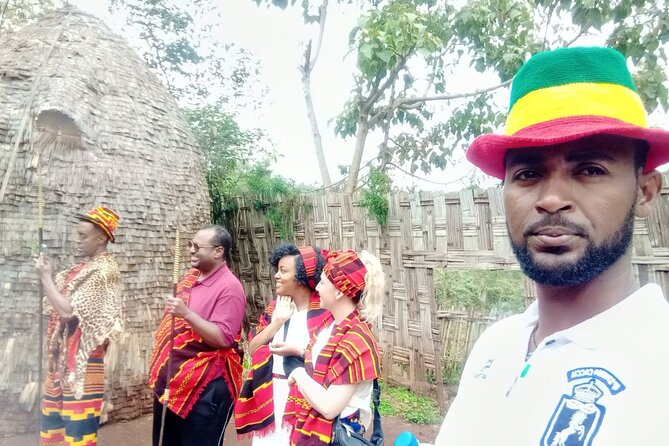
Day five pairs two very different places. In the morning, you visit Lake Chamo to look for large crocodiles, hippos, and aquatic birds. Later, you head into the Gughe Mountains to visit a Dorze village.
The lake visit is a strong choice for photographers. Wildlife sightings can never be guaranteed, but the listed targets give the outing a clear purpose. Crocodiles and hippos are the main draw, while aquatic birds add variety for anyone who enjoys nature photography.
The wording identifies a visit to see the biggest crocodile, but it does not explain the boat arrangements, exact departure point, or length of the lake outing. Ask Fasil how the visit works and what equipment or clothing is useful. The excursion was specifically praised for careful planning, so this is a good place to use his local advice.
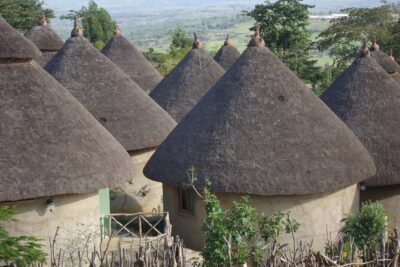
The Dorze visit changes the mood completely. High in the Gughe Mountains, the village offers a look at a community with a distinctive way of life and architecture. The plan also includes traditional music and dance, which makes the stop more active than a simple walk through houses.
I like this pairing because it gives the day balance. Lake Chamo is about wildlife and water. Dorze is about highland culture, buildings, music, and social life. You finish the day back in Arba Minch, avoiding another remote overnight stay.
As with the other cultural visits, approach photography with care. Ask before photographing people, especially during music, dance, or family activities. Your guide can help explain when a picture is welcome and when it is better to watch quietly.
Day 6: A flexible finish in Arba Minch
The final day is listed simply as Arba Minch, with a full day attached to the stop. The supplied plan does not specify another attraction or a fixed activity, so do not assume an additional excursion is automatically included.
This open ending can work in your favor. You might use it to rest after the long route, revisit a place that interested you, or clarify your departure plans with Fasil. If you have a particular wish for the final day, ask before booking so the guide can confirm what is possible.
The tour begins at 7:00 a.m. from Arba Minch, but the first day’s flight plan creates some uncertainty about the exact starting arrangement. Confirm the pickup location and whether the opening transfer begins in Arba Minch or at Jinka airport.
What the $1,300 price covers

At $1,300 per person, this is not a budget day tour. It is a six-day private journey with a small vehicle, a driver, accommodation, food, soft drinks, fuel, taxes, and stated entrance fees. For up to three people sharing one car, the price may offer fair value if the major transport and park costs are truly included.
The private vehicle is a major part of the value. You avoid a large coach and can keep the focus on your own questions, photography, and pace. The driver and guide arrangement also matters in a remote region where timing and road knowledge can affect the day.
Still, the price needs careful checking. The general inclusions say entrance fees, village fees, and park fees are included, but individual days show some admission tickets as not included. Airfare to Jinka is not clearly identified as included either. Ask for a written cost breakdown covering flights, park entry, village entry, boat costs if applicable, drinks beyond those supplied, and any extra transfers.
The price is negotiable, according to the supplied details. That does not always mean you should simply push for the lowest number. Ask what changes with the price, such as room quality, included transfers, guide services, or additional activities. A clear agreement is more valuable than a small discount that later produces surprise charges.
The guide’s role and the private format
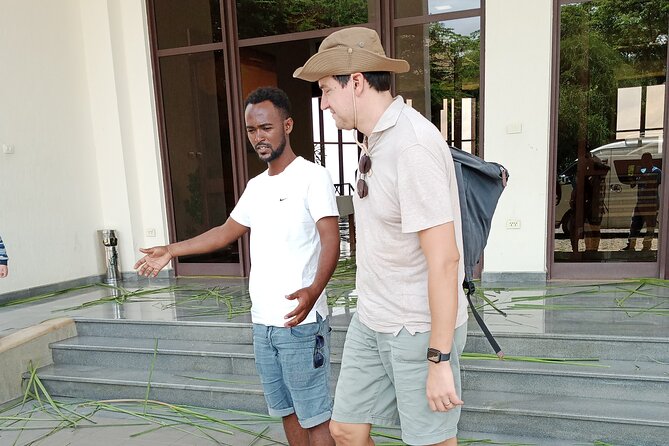
Fasil is the name to know. He is praised for answering questions, arranging excursions, handling requests, watching weather conditions, and recommending restaurants in Arba Minch. Those details suggest a guide who does more than point out sights.
That matters on a route with cultural sensitivity and changing conditions. You need someone who can explain local customs without turning communities into displays, and who can adjust plans when weather affects roads or outdoor visits.
The vehicle holds a maximum of three people. That limit is excellent for couples, friends, or a small family who want privacy. It may feel tight if you have large camera bags or bulky luggage, so confirm the vehicle size before arrival.
Pickup is offered, and the activity is private, meaning only your group participates. Service animals are allowed, and the experience is listed near public transportation. Most people can participate, but the schedule still includes long days and village walking, so ask about any personal mobility concerns in advance.
Where the tour is strongest
The strongest feature is its cultural range. You see several communities, and each visit has a different focus: body decoration and identity among the Mursi, pastoral and fishing life among the Dassanach, farming and memorial traditions among the Konso, and architecture, music, and dance among the Dorze.
The second strength is the guide service. Fasil’s care with questions, food suggestions, weather, and arrangements gives the trip a human center. That kind of help is especially useful in southern Ethiopia, where a smooth day depends on more than a printed schedule.
The third strength is the mix of culture and nature. Mago National Park, Lake Chamo, crocodiles, hippos, birds, mountains, and village life all appear within six days. You get a broad taste of the region without spending the entire trip in one town.
Where you should set realistic expectations
This is not a relaxed resort holiday. The route is ambitious, and days of five to seven hours can be tiring. The supplied accommodation details are brief, especially for Nasa Pension and the final Arba Minch nights, so ask direct questions if comfort is important to you.
The schedule also contains gaps. The first flight, the final Arba Minch day, and the admission fees need clarification. That does not make the tour a poor choice, but it means you should not rely on the headline description alone.
Cultural visits require good manners. Ask before photographing people, follow your guide’s advice, and remember that a village is a home and workplace, not a stage set. You will get more from the experience if you stay curious and patient.
Cancellation is free up to 24 hours before the 7:00 a.m. start time for a full refund. Changes or cancellations within 24 hours are not accepted for a refund, with cut-off times based on local time.
Should you book this six-day Ethiopia tour?
I would recommend it if you want a private, culture-focused route with real variety and you are prepared for long road days. It suits photographers, couples, small groups, and anyone who values a responsive guide over polished luxury.
Before booking, confirm the Jinka flight, pickup point, accommodation, exact entrance fees, and what happens on day six. If those details are clear and the $1,300 covers what you expect, the combination of Mursi, Dassanach, Konso, Dorze, Lake Chamo, and Mago National Park offers strong value.
Choose this tour for access, local contact, and range. Skip it if you want a slow itinerary, high-end hotels, or a fixed schedule with no rough edges.
FAQ
Where does the tour start?
The meeting point is Arba Minch, Ethiopia, with a listed start time of 7:00 a.m. The first day then describes a flight to Jinka, so confirm the exact pickup and flight arrangement before booking.
How many people can join the private vehicle?
The maximum is three people in one car. Only your own group participates in the activity.
What communities are included?
The route includes visits connected with the Ari, Mursi, Dassanach, Konso, Banna, and Dorze communities.
What is included in the price?
The listed inclusions are a room, food, soft drinks, a car with fuel and driver, entrance fees, village and park entrance, and all fees and taxes. The daily notes give different information about some admission tickets, so confirm the final cost.
Is the Jinka flight included?
The plan says you take a flight to Jinka, but it does not clearly state that the airfare is included in the $1,300 price. Ask the provider to confirm this before booking.
What is the cancellation policy?
You can cancel at least 24 hours before the local start time for a full refund. Cancellations or changes made less than 24 hours before the experience are not refunded or accepted.
Just added around Ethiopia
- 10 Days in Northern Ethiopia Tours★ 4.5 · 3 reviews
- Lalibela 2-Day Eco Trekking Tour★ 5.0 · 3 reviews
- Day trek to Simeien Mountains★ 5.0 · 3 reviews
- Full Day Tour in Lalibela★ 5.0 · 3 reviews
- Day Trip to Tiya UNESCO Site & Melka Kunture Archaeological Site★ 4.5 · 3 reviews
- Two days Lake Wenchi and Menagesha Forest★ 5.0 · 3 reviews
- 4 Days tour in omo valley.★ 4.5 · 3 reviews
- Addis Ababa Half Day Shopping Tour★ 5.0 · 3 reviews
6-Day Experiences, compared.
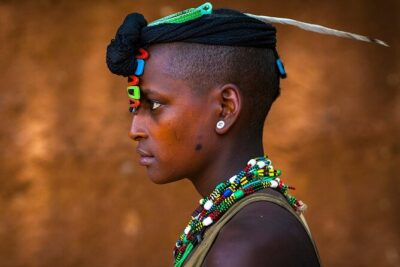
6 Days Omo Valley Tribes Tours From Addis Ababa
Read our review →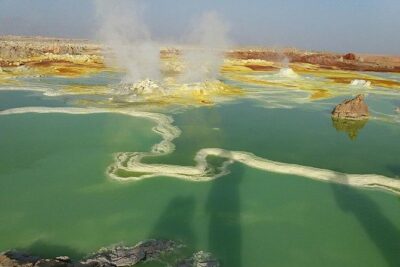
6 Days tour Package (Simien Mountains, Lalibela, and Danakil Depression)
Read our review →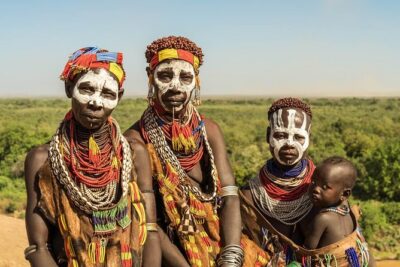
6 Days Omo valley Tribal Tour (Starts Arba Minch End Jinka)
Read our review →
Browse the lists this tour appears in