
Reviewed · DANAKIL DEPRESSION TOURS
3 Days 2 Nights Small Group Danakil Depression Tours
Heat, salt, fire, and strange colors await. This three-day Danakil Depression trip from Semera packs Afdera, Dallol, Erta Ale, salt flats, and Afar communities into a small-group journey of up to 10 people. I like the small group size and the fact that meals, camping gear, permits, taxes, and transport inside the region are included. I also like the chance to meet Afar people during coffee stops instead of simply racing from one viewpoint to the next.
The main drawback is the demanding setting. This is a remote, hot, rough-edged trip with long drives and basic camping, not a soft sightseeing holiday. I would also confirm the pickup hour before paying: the meeting details show 2:00 a.m., while the first-day plan describes an 8:00 a.m. airport pickup.
In This Review
- Key points at a glance
- Why the Danakil Depression feels so different
- Day one: Semera to Afdera and the Assale salt flats
- Night one: basic camping in a remote place
- Day two: Dallol’s mineral colors and salt caves
- Salt plains, Lake Karum, and the people behind the salt trade
- Night two near Erta Ale
- Day three: Afdera’s salt industry and the return to Semera
- What the $500 price really covers
- The practical drawbacks to consider first
- Who should book this Danakil trip?
- Should you book the 3-day Danakil Depression tour?
- FAQ
- Where does the Danakil Depression tour start?
- Where does the tour end?
- How long is the tour?
- Are flights from Addis Ababa included?
- How many people can join the group?
- What meals are included?
- Is camping equipment provided?
- Can I cancel for a full refund?
Key points at a glance
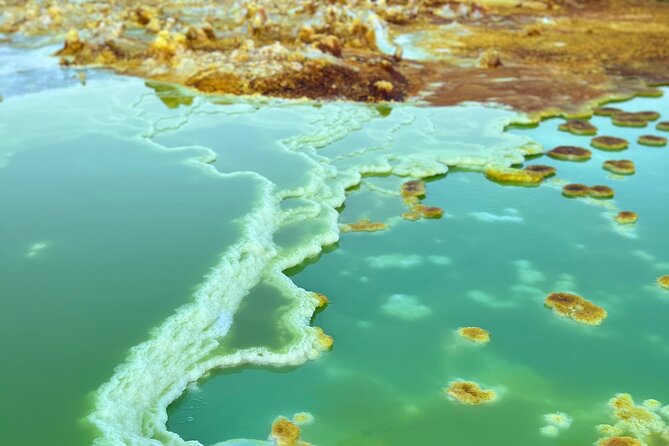
- Dallol before sunrise: See colorful geothermal ground, mineral formations, salt, and mud in one of Earth’s most unusual settings.
- Erta Ale overnight: Spend the second night near the volcanic area, with the chance to experience one of the region’s defining natural attractions.
- Afar contact along the road: Coffee stops and time in Afdera offer a more human view of the region’s salt economy.
- All meals and camping gear included: Two breakfasts, three lunches, two dinners, mattresses, pillows, and clean bedsheets are covered.
- Maximum of 10 people: A small vehicle group should make stops and camp routines easier to manage.
- Domestic flights cost extra: You must arrange and pay for flights between Addis Ababa and Semera.
Why the Danakil Depression feels so different
The Danakil Depression is not a normal sightseeing destination. It is a harsh, low-lying region of salt flats, geothermal ground, desert roads, and intense heat. The appeal comes from seeing natural forces at close range, not from comfortable facilities or polished attractions.
This tour begins and ends in Semera, the capital of the Afar region. That makes it useful if you are arranging a flight from Addis Ababa, but the domestic flights are not part of the $500 tour price. You need to build those tickets into your total budget.
I like the way the route combines major natural sights with everyday life. You are not only driven to Dallol and Erta Ale. You also stop in Afdera, see salt production, pass through remote scenery, and have opportunities to interact with Afar people during coffee breaks. Those small moments can give the trip more meaning than a series of quick photo stops.
The score is 4.7 out of 5 from 13 ratings, with 92 percent recommending the experience. That is a strong response, but the sample is small. One serious complaint involved a person being left at the airport after a communication problem between the booking platform and the operator. I would treat this as a practical warning: confirm your exact pickup point and time directly before departure, especially if you arrive by air.
More Danakil expeditions:
- 3 Days Danakil Depression Tour
★ 4.5 · 135 reviews - 3 Days Danakil Depression Tours Via Semera
★ 5.0 · 47 reviews - 12 Days SIMIEN MOUNTAIN-LALIBELA-DANAKIL-TIGRAY CHURCHES
★ 5.0 · 45 reviews
Day one: Semera to Afdera and the Assale salt flats
The first day starts with pickup in Semera. The information supplied gives two different times: the meeting details list 2:00 a.m., while the day plan says airport pickup after a morning arrival at about 8:00 a.m. This is the first thing I would clear up in writing.
After pickup and breakfast, the drive heads toward Afdera, a major center for salt production and distribution. The road is part of the experience. You make stops for wide desert views and coffee with local Afar people. These breaks provide a welcome change from sitting in the vehicle and offer a chance to connect with the people who live and work in this demanding part of Ethiopia.
Afdera is about more than scenery. The town sits roughly 102 meters below sea level and is linked closely to the salt trade. You return here on the third day, so the first visit helps you understand the practical side of the region before you reach the more unusual geothermal sites.
After lunch in Afdera, the group obtains the special permits and ranger escort needed for the remote areas. This matters. The Danakil is not a place where you should simply set off alone, and an organized security arrangement is an important part of the tour’s value.
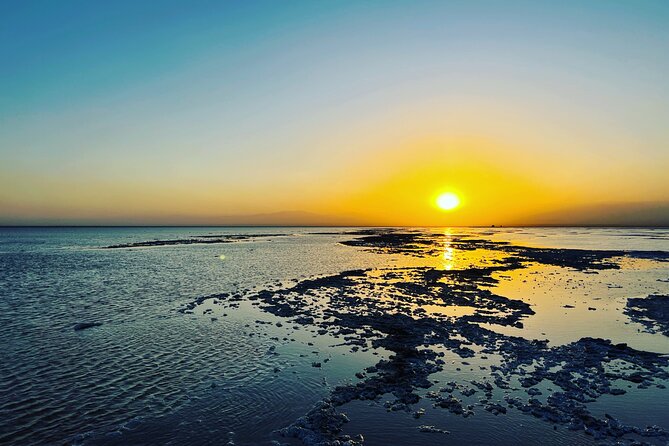
The drive continues to Hamedela, where the group reaches the Assale salt flats in time for sunset. A picnic in the salt flat gives you a dramatic first evening, with open white ground stretching toward the horizon and the light changing as the sun drops.
The sunset stop is likely to be one of the gentler parts of the trip. There is no complicated activity to master. You simply have time to look, take photographs, and absorb the scale of the salt plain before settling into camp.
Night one: basic camping in a remote place
The tour includes camping gear for both nights, including mattresses, pillows, and clean bedsheets. That is useful because you do not need to carry a full sleeping setup from Addis Ababa.
Still, I would keep expectations sensible. The supplied details describe clean basic gear, not hotel-style rooms or elaborate camp facilities. You are choosing this trip for access to the Danakil, not for comfort. The heat, dust, rough roads, and remote conditions are part of the bargain.
Two dinners, three lunches, and two breakfasts are included across the three days. On the first day, lunch is planned in Afdera and dinner is part of the overnight arrangement. Meals reduce the need to search for food in places where choices may be limited, though the supplied information does not provide menus or special-diet details. If you have dietary needs, ask the operator before departure.
Day two: Dallol’s mineral colors and salt caves
The second day begins early, before sunrise, with a drive from Hamedela to the Dallol geothermal area. The early start is practical. It allows the group to reach the site in the cooler part of the day, although the region can still be punishingly hot.
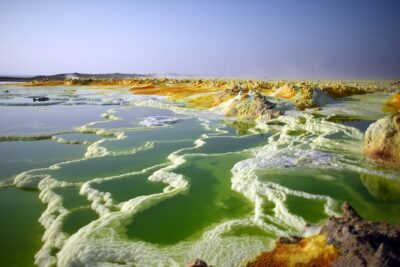
Dallol is the visual centerpiece for many people. The ground is shaped by geothermal activity and chemical reactions, producing strong mineral colors and unusual textures. The site can make familiar ideas about desert scenery feel inadequate. Instead of dunes alone, you see a strange mix of mineral crusts, acidic-looking pools, mud, and vivid ground tones.
This is a place where you should follow the guide and ranger closely. The setting is remote and naturally hazardous, and colorful ground does not mean safe ground. The tour includes a ranger escort, but you still need to pay attention to where you walk and where you place your feet.
After Dallol, the group drives to a salt and mud-formed mountain cave beneath the crater area. The short transfer brings a sharp change in scenery. A picnic breakfast near the cave follows the visit, giving you time to eat after the early departure.
The combination of Dallol and the cave makes day two varied. You are not stuck looking at one type of formation for hours. The drawback is that the schedule may feel tight if you prefer slow photography or long quiet stops. The route covers large distances, so the day is built around movement as much as sightseeing.
More three-day trips:
- 3 Day Danakil Depression Ertale and Dallol Tours
★ 5.0 · 44 reviews - 3 Days Dankile Depression group Tours
★ 5.0 · 40 reviews - 3 Days Danakil Depression Tour from Semera City
★ 4.7 · 34 reviews - 2-Night 3-Day Danakil Depression Tour without Flights
★ 4.8 · 31 reviews
Salt plains, Lake Karum, and the people behind the salt trade
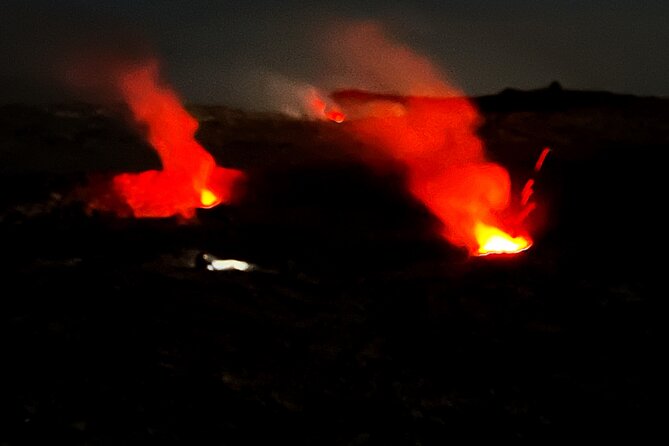
After the Dallol area, the route continues across broad salt plains. The scale here is the point. The open ground can appear almost empty, yet the region supports a long-standing salt economy.
The plan includes a stop at Lake Karum, described as a cold saltwater pool under the intense Danakil sun. That contrast is memorable: bright heat above, cold saltwater below. You should still listen carefully to local instructions before entering the water, since the tour information does not provide detailed swimming conditions or safety rules.
The salt miners are another important stop. Their work connects the dramatic natural setting to daily life and trade. I value this part of the route because it gives context. The salt flats are not only a strange backdrop for photographs. They are also a working environment.
The tour’s contact with Afar communities is one of its strongest features. The coffee stops on the road and the salt-mining visit make the journey feel less like a quick expedition to collect photographs. At the same time, respectful behavior matters. Ask before taking close photographs of people, listen to the guide, and remember that this is someone’s home and workplace.
Night two near Erta Ale
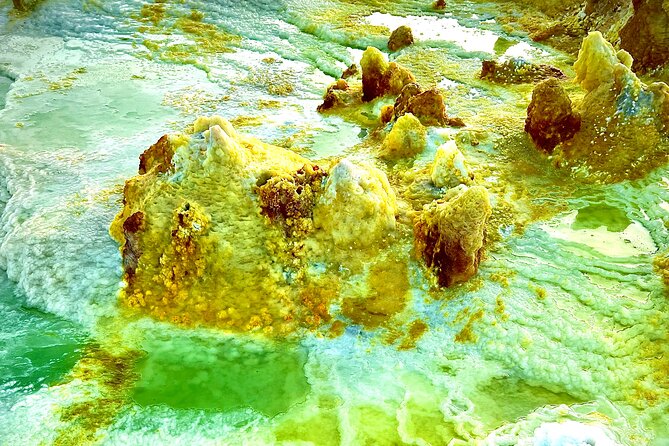
The second night is associated with Erta Ale, one of the Danakil’s best-known natural attractions. The supplied plan identifies the route as Hamedela to Dallol and Erta Ale, with the overnight portion continuing in the volcanic area.
Erta Ale is a major reason many people choose the three-day format. The extra night allows the route to reach this remote part of the region instead of returning to Semera after the salt-flat visits. You get more time in the Danakil and a chance to experience a setting shaped by volcanic activity.
The information does not state how far the camp is from the volcanic crater, how long any walk takes, or what conditions you will find there. I would ask those questions before booking if Erta Ale is your main reason for going. The tour clearly includes the area, but the precise viewing arrangement is not explained.
The second night uses the same included camping setup: mattresses, pillows, and clean bedsheets. Dinner is included, as is breakfast the next morning. This is a useful arrangement for a remote trip, but you should be comfortable with simple overnight conditions and a physically active schedule.
The tour requires a moderate level of fitness. That warning matters more here than it might on an ordinary city excursion. Even without a stated hiking distance, you should expect heat, long vehicle transfers, uneven ground, and early starts.
Day three: Afdera’s salt industry and the return to Semera
The final morning begins with breakfast before the drive back toward Afdera. Returning through the town gives you another look at the region’s salt economy, this time with the volcanic and geothermal sights fresh in your mind.
The plan includes a glimpse of Afdera salt lake and a walk along the salt farms. This is a useful final stop because it puts the raw material and the human work side by side. You see the lake, the salt fields, and the activity involved in production and distribution.
Lunch is served in Afdera before the return drive to Semera. The group is expected to arrive in the late afternoon, at a time intended to work well for a flight back to Addis Ababa. I would avoid booking a tight onward connection unless the timing is confirmed directly, since road conditions and remote distances can affect the schedule.
The tour ends back at the Semera meeting point. If you are staying in town, the operator says you can be transferred to your hotel or another location of interest. That makes the final arrangements fairly simple, but the flight from Semera to Addis remains your responsibility.
What the $500 price really covers
At $500 per person, the cost is reasonable for a three-day remote expedition if you value convenience and organized access. You are not paying only for transport. The price includes an air-conditioned vehicle, permits and taxes, ranger arrangements, camping equipment, two breakfasts, three lunches, and two dinners.
The small group limit of 10 also helps the value. A smaller vehicle group usually means less waiting at stops and a better chance to hear instructions. It does not make the journey luxurious, but it can make a demanding route more manageable.
The largest extra cost is the domestic flight to and from Semera. Add those tickets before comparing this trip with other Danakil options. You should also consider any personal drinks, snacks, additional hotel nights, and other items not named among the inclusions.
I would not choose this trip because it is the cheapest possible option. I would choose it because the price gathers several difficult arrangements into one package: remote transport, meals, camping, permits, and a ranger escort. That is where the value lies.
The practical drawbacks to consider first
The airport communication issue deserves attention. One person arrived and found no pickup because of a misunderstanding involving the booking platform and a WhatsApp message sent two days before the trip. The operator accepted that the person was left at the airport, while also explaining that the customer did not respond in time.
You do not need to decide who was most at fault to learn the lesson. Confirm the meeting location, pickup hour, vehicle details, and contact number before departure. Since the supplied information gives both 2:00 a.m. and 8:00 a.m. as possible start times, this check is essential.
The physical demands are another concern. You will spend long periods in a vehicle, deal with strong heat, camp for two nights, and walk on rough ground. A moderate fitness level is required, and people seeking a relaxed holiday should consider a different type of tour.
The route is also highly dependent on conditions in a remote region. The operator includes a security escort, which is reassuring, but the tour should still be approached as an adventure rather than a precisely timed sightseeing circuit.
Who should book this Danakil trip?
I would recommend it to you if you want dramatic natural scenery, can tolerate basic camping, and are happy to trade comfort for access. It suits people who want to see geothermal ground at Dallol, salt production around Afdera, the Assale flats, Lake Karum, and the Erta Ale area in one compact trip.
It is also a good fit if you value local contact. The coffee stops and salt-mining visit offer more than a string of scenic viewpoints.
I would hesitate if you dislike early departures, hot conditions, long drives, or uncertain road timing. I would also hesitate if you need detailed information about walking distances, camp facilities, or meal choices before committing. Ask those questions first.
Should you book the 3-day Danakil Depression tour?
I would book this tour if the operator confirms the pickup time and airport arrangements in writing. The combination of Dallol, Erta Ale, Assale, Afdera, Lake Karum, salt farms, meals, camping gear, and a small group gives the $500 price solid value, especially for such a remote destination.
Book it for the strange geology and the chance to see the Afar salt economy, not for comfort. If you prepare for heat, basic camping, and long transfers, this can be a powerful three-day adventure. If you need a gentle schedule, choose a less demanding Ethiopian route.
FAQ
Where does the Danakil Depression tour start?
The tour starts at Sultan Alimirah Hanfare Airport in Semera, Ethiopia. Pickup from a hotel in Semera is also described in the tour details.
Where does the tour end?
The activity ends back at the Semera meeting point. Transfer to a hotel or another local destination is available for people who remain in Semera.
How long is the tour?
The experience lasts approximately three days and includes two nights of camping.
Are flights from Addis Ababa included?
No. Domestic flights to and from Semera from Addis Ababa are not included in the tour price.
How many people can join the group?
The maximum group size is 10 people.
What meals are included?
The tour includes two breakfasts, three lunches, and two dinners.
Is camping equipment provided?
Yes. Camping equipment for two nights is included, with mattresses, pillows, and clean bedsheets.
Can I cancel for a full refund?
Yes, if you cancel at least 24 hours before the local start time. Cancellations or changes made less than 24 hours before the start are not refunded or accepted. The tour also requires a minimum number of people, and if the operator cancels for that reason, you will be offered another date or experience, or a full refund.
Just added around Ethiopia
- 10 Days in Northern Ethiopia Tours★ 4.5 · 3 reviews
- Lalibela 2-Day Eco Trekking Tour★ 5.0 · 3 reviews
- Day trek to Simeien Mountains★ 5.0 · 3 reviews
- Full Day Tour in Lalibela★ 5.0 · 3 reviews
- Day Trip to Tiya UNESCO Site & Melka Kunture Archaeological Site★ 4.5 · 3 reviews
- Two days Lake Wenchi and Menagesha Forest★ 5.0 · 3 reviews
- 4 Days tour in omo valley.★ 4.5 · 3 reviews
- Addis Ababa Half Day Shopping Tour★ 5.0 · 3 reviews
Danakil Depression Tours, compared.
12 Days SIMIEN MOUNTAIN-LALIBELA-DANAKIL-TIGRAY CHURCHES
Read our review →
3 Day Danakil Depression Ertale and Dallol Tours
Read our review →3 Days Danakil Depression Tour from Semera City
Read our review →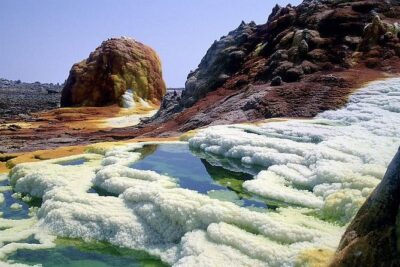
5 DAYS Lalibela, Axum, Tigray churches and Danakil
Read our review →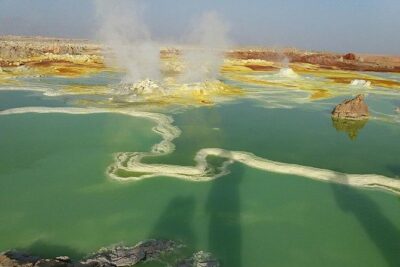
6 Days tour Package (Simien Mountains, Lalibela, and Danakil Depression)
Read our review →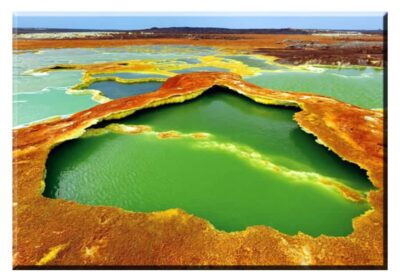
2-Night 3-Day Danakil Depression Tour without Flights
Read our review →Browse the lists this tour appears in