
Reviewed · DANAKIL DEPRESSION TOURS
3 Day Guided Tour Throughout Danakil Depression in a Small Group
Heat, salt, lava, and almost no roads. This three-day small-group tour takes you into one of Ethiopia’s most severe and unusual regions, with time at Erta Ale volcano, Dallol’s sulfur-colored ground, Lake Assale, and the salt-cutting country of the Afar people. The setting is raw and memorable, and the group size is limited to six.
I like the close look at working salt caravans, a real part of local life rather than a staged attraction. I also like the practical package: transport, local guides, camping equipment, camels, meals, and water are included. The main drawback is the physical setting itself. You should expect searing heat, long drives, basic outdoor sleeping, and a trek of about 9.5 kilometers to the volcano rim.
The tour costs $525.87 per person, not including flights. That is a fair price for three days in such a remote area, especially with food, water, staff, transport, and camel support covered. Still, this is not a soft-edged sightseeing trip. You need moderate fitness and a willingness to sleep outdoors in a harsh desert environment.
In This Review
- Five things to know before you go
- Why the Danakil Depression feels so different
- Day 1: Semera, Lake Afdera, and the road to Erta Ale
- Day 2: Salt workers, Lake Assale, and Dallol’s colored ground
- Day 3: Sunrise, Lake Afdera, and the return to Semera
- What the $525.87 price really covers
- The people who make the trip work
- Comfort, fitness, and what to pack mentally
- Who should book this Danakil adventure
- Should you book it?
- FAQ
- How much does the 3-day Danakil Depression tour cost?
- How long does the tour last?
- Where does the tour start and end?
- What is included in the tour?
- Are flights included?
- What is the cancellation policy?
Five things to know before you go
- Erta Ale is the nighttime centerpiece: You trek from Dodom to the volcano rim and spend the night watching the boiling lava.
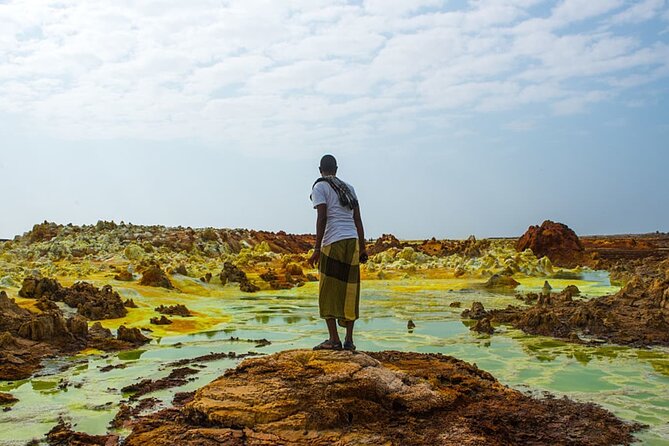
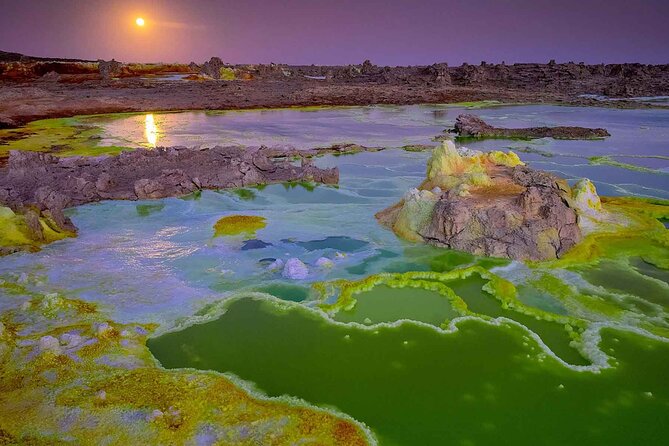
- Dallol offers remarkable colors: Sulfur and potash create striking yellow, orange, green, and earthy tones around the volcanic ground.
- Salt cutting is part of daily work: At Ragad, also called Asebo, you see salt broken into rectangular pieces and loaded onto camels.
- The group is capped at six people: That makes the long drives and rough camp routine more personal and easier to manage.
- The schedule begins and ends at Semera Airport: The tour meets at Sultan Alimirah Hanfare Airport and returns there after the three-day circuit.
Why the Danakil Depression feels so different
The Danakil Depression is not a place you visit for comfort. It is a hot desert region marked by salt flats, volcanic formations, acid springs, lakes, and active geothermal areas. The appeal comes from seeing natural forces at close range, along with the human work required to live and earn a living there.
I find the combination especially strong because the tour does not focus only on volcano scenery. You also see Lake Afdera, Lake Assale, camel caravans, salt workers, and small Afar settlements. These details give the trip a human scale.
The environment demands respect. The schedule includes early departures, long stretches in an air-conditioned vehicle, walking over rough volcanic ground, and outdoor camping. The supplied information describes the physical requirement as moderate, but you should take that seriously. Heat and limited comfort can matter as much as the walking distance.
More Danakil expeditions:
- 3 Days Danakil Depression Tour
★ 4.5 · 135 reviews - 3 Days Danakil Depression Tours Via Semera
★ 5.0 · 47 reviews - 12 Days SIMIEN MOUNTAIN-LALIBELA-DANAKIL-TIGRAY CHURCHES
★ 5.0 · 45 reviews
Day 1: Semera, Lake Afdera, and the road to Erta Ale
The trip begins at Semera Airport, also called Sultan Alimirah Hanfare Airport. The listed start time is 12:00 am, so confirm the exact pickup arrangement before setting out. From Semera, the group drives toward the Danakil Depression and Lake Afdera.
Lake Afdera is a salt lake in the heart of the region. You may have time to see its natural hot springs and swim around the lake. That is a pleasant contrast to the dry, punishing terrain around it, although you should remember that conditions and available time can affect how much time you spend in the water.
After Lake Afdera, the route continues toward Dodom, the settlement at the base of Erta Ale. The drive takes about five hours in total for this portion of the day, and the schedule indicates a departure after lunch, possibly around 1:30 pm. In a place this remote, exact timing may shift, so I would not plan a tight connection or another activity on the same day.
Dodom is about 9.5 kilometers from Erta Ale. The trek to the rim takes about one hour according to the supplied itinerary, though the distance and desert conditions make this portion worth treating as a serious outing rather than a casual walk.
Camels carry camping supplies, food, sleeping materials, water, light mattresses, and mats to the volcano rim. That support is important. You still have to walk to the site, but you do not need to carry the whole camp on your back.
Dinner is scheduled around 5:00 pm, followed by the main event: spending the night at the rim and watching the boiling lava. The appeal is obvious. Erta Ale gives you an active volcanic setting, not simply an old crater or a distant mountain view.
The drawback is comfort. The overnight setup is basic, and one published account describes sleeping in the open air and walking on lava. If you need a conventional bed, private facilities, or a cool evening, this is the wrong trip. If you can accept simple camping for the chance to see an active volcano at close range, this is the part that makes the trip special.
Day 2: Salt workers, Lake Assale, and Dallol’s colored ground
Day 2 starts early, with a planned 4:30 am drive to Hamad Ela. The village has a population of about 500 people and provides a useful glimpse of life in a place shaped by salt, heat, and distance.
The route includes a view of Lake Assale, a very shallow salt lake. The schedule refers to seeing the sunset there, while the third day also allows another chance to see sunrise at Lake Assale. That gives the lake more than a quick roadside stop. Light across a salt surface can change the mood of the area, and the early or late timing helps avoid the harshest part of the day.
The morning continues to Ragad, also known as Asebo, where local people mine salt. About 1,200 square kilometers of the Afar Depression are covered by salt. Here, the salt is broken from the ground, cut into rectangular pieces, and loaded onto camels.
This is one of the tour’s most valuable elements. The salt is not simply a geological curiosity. It is material being worked, shaped, and transported through an established local trade. Watching the process helps you understand why camel caravans still matter in this region.
The group then drives to Dallol, a volcanic area known for unusual ground colors and formations. Sulfur and potash create a striking mix of tones, while volcanic activity shapes the shallow pools, salt surfaces, and mineral formations. The itinerary also includes a salt canyon and additional views of camel caravans.
You should expect Dallol to be visually powerful but physically exposed. There is little shelter in an area known for extreme heat. Stay close to the local guide and follow instructions around geothermal features. The attraction is not a manicured park, and the ground can be rough or unstable in places.
The full day is listed at about six hours, but the amount of driving and the early start make it feel longer. I like that the day joins natural features with local activity. You are not simply being driven from one photo stop to another. The route shows how salt, volcanoes, water, and transport connect.
Day 3: Sunrise, Lake Afdera, and the return to Semera
The final day offers another possible sunrise view at Lake Assale before the group drives back toward Lake Afdera. After breakfast, the route continues to Semera, where you are dropped at the airport.
This day is shorter on paper, listed at about four hours, but airport timing still deserves care. The experience ends back at the original meeting point, so it works best if your onward flight leaves with enough spare time. Flights are not included in the tour price.
The return route also gives you a second look at Lake Afdera. On the way into the region, the lake is part of the transition from Semera to the desert. On the way out, it marks the end of the remote section. That repetition can be useful because the light and your sense of the place will have changed.
More three-day trips:
- 3 Day Danakil Depression Ertale and Dallol Tours
★ 5.0 · 44 reviews - 3 Days Dankile Depression group Tours
★ 5.0 · 40 reviews - 3 Days Danakil Depression Tour from Semera City
★ 4.7 · 34 reviews - 2-Night 3-Day Danakil Depression Tour without Flights
★ 4.8 · 31 reviews
What the $525.87 price really covers
At $525.87 per person, the price includes much more than a vehicle and a guide. You receive an air-conditioned vehicle, all listed fees and taxes, cooking and camping equipment, camel support in the Afar region, local guide service, bottled water, two dinners, three breakfasts, and two lunches.
That package matters in the Danakil Depression. Food and water are not small extras when the route includes remote desert areas and long drives. Camel transport also saves you from carrying sleeping supplies and camp provisions up to Erta Ale.
The price does not include flights or alcoholic drinks. Camera and video charges are also excluded, so check the current arrangements if you plan to bring professional recording equipment.
The small-group limit of six improves the value. A long drive feels different with a handful of people than with a full coach. It also gives you a better chance to hear explanations, ask questions, and keep the group moving during early departures and rough outdoor stops.
The value depends on your priorities. If you want a low-cost way to see Erta Ale, Dallol, salt caravans, and Lake Assale in one organized trip, the price is reasonable. If you are mainly seeking comfort, the inclusions do not change the basic nature of the experience.
The people who make the trip work
The tour is operated by Lucy Ethiopia Tours. Kiros is identified as the owner and main contact, and direct communication by email and WhatsApp has been praised for being responsive, thoughtful, friendly, and reliable.
Other names connected with the guiding team include Abiti, Yousef, Solomon, and Anwar. That is useful information because a remote trip depends heavily on coordination between the driver, local guides, camp staff, and camel handlers.
The strongest praise centers on organization and care from the first contact through the end of the tour. One account describes the company helping with additional Ethiopia planning, including Lalibela and Harar. You should not assume those other visits are part of this package, but it suggests Kiros may be useful if you are building a longer Ethiopian itinerary.
The guide relationship matters here. You are spending many hours in a vehicle, walking near volcanic ground, and camping in a severe environment. A friendly, dependable team can make the difference between a demanding adventure and a chaotic one.
Comfort, fitness, and what to pack mentally
The vehicle is air-conditioned, which is an important inclusion. Still, air conditioning does not remove the heat at outdoor stops, and you should expect exposure at salt lakes, volcanic areas, and the Erta Ale rim.
The tour calls for a moderate fitness level. The main physical challenge is the walk from Dodom to Erta Ale, along with walking on lava and coping with an outdoor overnight stay. The exact pace is not stated, so you should be comfortable with a demanding desert outing rather than relying on a precise walking schedule.
Your mindset matters as much as your legs. Long drives, early starts, sparse settlements, and basic sleeping arrangements are part of the point. The Danakil is memorable because it is not polished for easy tourism.
Pack with the conditions in mind, though the supplied information does not provide a formal packing list. Make sure you understand how water, sleeping materials, meals, and camera charges are handled before departure. Bottled water is included, as are three breakfasts, two lunches, and two dinners.
Who should book this Danakil adventure
I would recommend this tour to you if you want a focused introduction to the Danakil Depression and prefer a small organized group to arranging vehicles, guides, food, camping gear, and camel support yourself.
It suits people drawn to active geology, remote desert travel, salt production, and unusual cultural encounters. It also works well for someone with limited time in northern Ethiopia who wants Erta Ale and Dallol covered in one compact trip.
I would hesitate to recommend it if you dislike heat, rough ground, early departures, or sleeping outdoors. The tour is not designed around comfort, and the active volcano visit requires a walk and a night at the rim.
The six-person maximum and the positive comments about Kiros and the guiding team are meaningful advantages. They do not make the desert easy, but they can make the hard parts better managed.
Should you book it?
Book this tour if your idea of a great trip includes boiling lava, salt cut by hand, camel caravans, mineral colors, and a night under open skies. At $525.87, the included transport, guides, meals, water, camping gear, and camel support give you solid value for a difficult destination.
Skip it if you want predictable comfort or a gentle sightseeing schedule. Before paying, confirm the airport pickup time, your flight plans, the current conditions, and what camera charges may apply. Also remember that free cancellation requires at least 24 hours’ notice, and poor weather or an insufficient minimum group can lead to a new date or a full refund.
FAQ
How much does the 3-day Danakil Depression tour cost?
The listed price is $525.87 per person.
How long does the tour last?
The experience lasts approximately three days.
Where does the tour start and end?
It starts at Semera Airport, also called Sultan Alimirah Hanfare Airport, in Semera, Ethiopia. It ends back at the same meeting point.
What is included in the tour?
The package includes an air-conditioned vehicle, fees and taxes, cooking and camping equipment, camel support in the Afar region, local guide service, bottled water, two dinners, three breakfasts, and two lunches.
Are flights included?
No. Any flights are excluded from the tour price.
What is the cancellation policy?
You can cancel at least 24 hours before the local start time for a full refund. Cancellations or changes made less than 24 hours in advance are not accepted for a refund. If poor weather or an insufficient minimum group causes cancellation, you will be offered another date or a full refund.
Just added around Ethiopia
- 10 Days in Northern Ethiopia Tours★ 4.5 · 3 reviews
- Lalibela 2-Day Eco Trekking Tour★ 5.0 · 3 reviews
- Day trek to Simeien Mountains★ 5.0 · 3 reviews
- Full Day Tour in Lalibela★ 5.0 · 3 reviews
- Two days Lake Wenchi and Menagesha Forest★ 5.0 · 3 reviews
- 4 Days tour in omo valley.★ 4.5 · 3 reviews
- Day Trip to Tiya UNESCO Site & Melka Kunture Archaeological Site★ 4.5 · 3 reviews
- 6 days 5 nights Addis Abeba sightseeing & Lalibela Rock-Hewn Churches★ 5.0 · 3 reviews
Danakil Depression Tours, compared.
12 Days SIMIEN MOUNTAIN-LALIBELA-DANAKIL-TIGRAY CHURCHES
Read our review →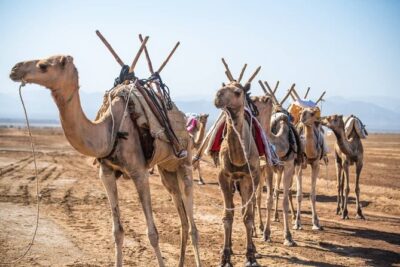
3 Day Danakil Depression Ertale and Dallol Tours
Read our review →3 Days Danakil Depression Tour from Semera City
Read our review →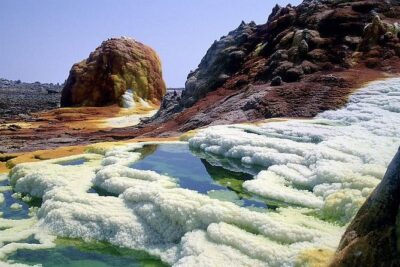
5 DAYS Lalibela, Axum, Tigray churches and Danakil
Read our review →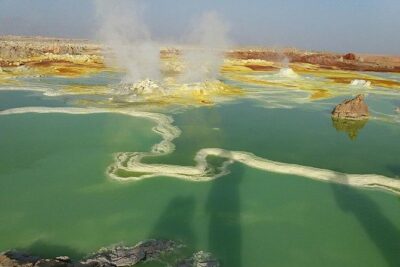
6 Days tour Package (Simien Mountains, Lalibela, and Danakil Depression)
Read our review →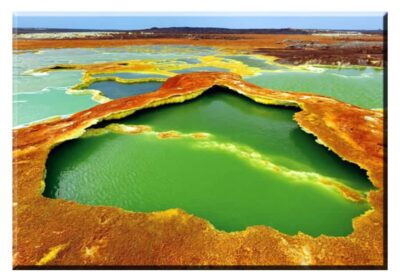
2-Night 3-Day Danakil Depression Tour without Flights
Read our review →Browse the lists this tour appears in