
Reviewed · DEBRE LIBANOS & PORTUGUESE BRIDGE DAY TRIPS
Perfect Escape from Busy Addis Ababa: Debre Libanos & Blue Nile Gorge excursions
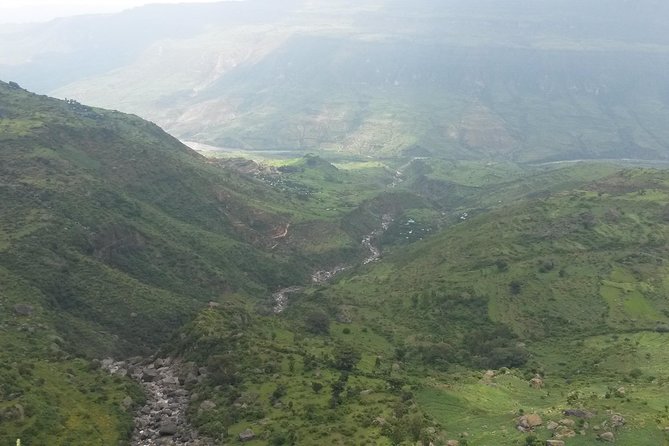
Leave the city behind for cliffs, caves, and church bells. This half-day trip from Addis Ababa combines countryside views, Ethiopian Orthodox culture, a short hike, and a chance to see endemic Gelada baboons. I especially like the flexible program, which lets you shape the day around your interests, and the chance to stop for photographs during the scenic drive.
The Debre Libanos monastery gives the outing real depth, while the Portuguese Bridge adds a dramatic outdoor stop. The main consideration is the long drive, about two hours each way from Addis Ababa, so the day is as much about the road and countryside as it is about the two headline sights.
In This Review
- Key points to know before booking
- Why this makes a good break from Addis Ababa
- The countryside drive north of Addis Ababa
- Debre Libanos, an active monastery with a living purpose
- The 20-minute walk to the holy-water cave
- Portuguese Bridge above the Jemma River Gorge
- Rainy-season scenery from June through September
- Is $145 a fair price?
- Who will enjoy this half-day excursion?
- Practical details that matter
- Should you book Debre Libanos and the gorge?
- FAQ
- How long does the Debre Libanos and gorge excursion last?
- What time does the tour begin?
- What sites are included?
- Is admission included?
- How large can the group be?
- Can I cancel for a full refund?
Key points to know before booking
- The drive north takes about two hours, with photo stops through the Ethiopian countryside.
- Debre Libanos includes a 20-minute hike to a holy-water cave, making the visit more active than a simple church stop.
- The Portuguese Bridge faces the Jemma River Gorge, with cliff views and Gelada baboons in the rocks below.
- Rainy-season waterfalls are best from June through September, when the gorge scenery can be especially dramatic.
- The group can reach up to 25 people, though the guide can adjust the day around the group’s interests.
- The $145 price includes admission and hotel pickup, with free cancellation available up to 24 hours before departure.
Why this makes a good break from Addis Ababa
Addis Ababa is Ethiopia’s political and cultural center, but its traffic and busy streets can wear you down. This outing gives you a full change of pace without requiring an overnight stay. Within a few hours, the city gives way to open countryside, steep ravines, old religious sites, and roadside views worth keeping your camera ready for.
I like that the experience is not built around one narrow subject. You get nature, religion, history, wildlife, and a little exercise in one outing. If you want only wildlife or only church architecture, a more specialized trip might suit you better. If you want to see several sides of Ethiopia in a single day, this combination works well.
The excursion lasts roughly five to seven hours, though the drive from Addis Ababa takes about two hours to reach the area. That timing makes it practical for a spare day during a city visit. It is not a quick neighborhood tour, but it is short enough to fit into a limited itinerary.
The outing starts at 7:00 am, with pickup offered. That early start matters. It gives you more time at the sites and gets you out of the city before the day becomes too far along. Bring water, wear shoes suitable for a short hike, and leave room in your schedule for the journey back.
More Debre Libanos day trips:
- Addis Ababa: Debre Libanos, Blue Nile Gorge, and Cave Tour
★ 4.5 · 256 reviews - Day Trip From Addis Ababa To Debre Libanos & Portuguese Bridge
★ 4.5 · 64 reviews - Day trip Debre Libanos, Bule nile George &Portugal Bridge
★ 4.4 · 25 reviews
The countryside drive north of Addis Ababa
The road to Debre Libanos is part of the experience, not just a transfer between attractions. The route takes you through countryside north of Addis Ababa, with several opportunities to stop for photographs. You will see a side of Ethiopia that is quite different from the capital’s urban streets.
The guide can adjust the program according to your interests. That flexibility is useful if you want more time for photos, a closer look at the religious site, or a slower walk toward the cave. It also means the exact rhythm of the day can depend on the group and the conditions.
One past booking described a 7:00 am hotel pickup with a courteous guide named Alex. The drive included photo stops and was praised for feeling very different from Addis Ababa. That detail gives you a useful idea of the service: the guide is not simply there to point out a building and watch the clock. The best version of this outing treats the road as part of the story.
Still, you should set realistic expectations. The journey takes about two hours from Addis Ababa, and the tour lasts only five to seven hours overall. That leaves a limited amount of time at each stop. If you want long hikes, slow photography, or extended museum visits, you may find the schedule tight.
Debre Libanos, an active monastery with a living purpose
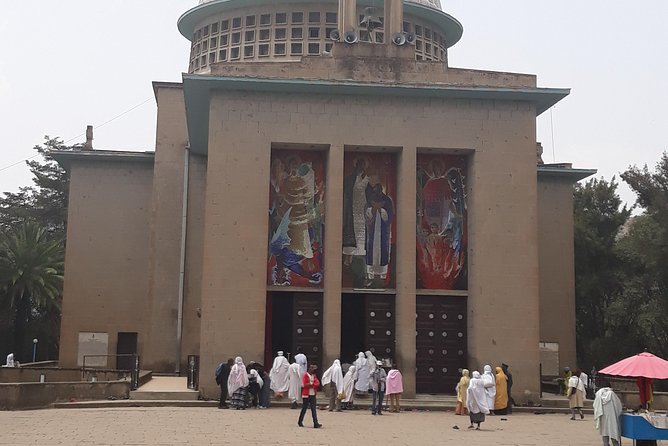
Debre Libanos is the cultural and religious heart of the outing. Established in the 14th century, it is described as one of Ethiopia’s oldest monasteries and remains an active place of worship. You are not entering a silent monument preserved only for sightseeing. Pilgrims still come here seeking relief from difficult problems, and that continuing religious use gives the visit a serious, human quality.
The church contains stained-glass paintings showing scenes from the Old and New Testaments. Look closely at the windows and take time to understand the visual storytelling. The paintings are not merely decorative additions to the building. They help explain how biblical stories are presented within Ethiopian Orthodox tradition.
A museum displays ancient manuscripts and antiques. For you, this may be the most rewarding part of the visit if you enjoy religious art, old texts, or objects connected to Ethiopia’s long Christian tradition. The museum also helps put the church in context rather than leaving you with only a quick look at the exterior.
The visit at Debre Libanos lasts about one hour and ten minutes, and admission is included. That is enough time for a focused visit, but not an unhurried academic study. I would give priority to the church, museum, and cave walk, then use any remaining time for photographs and questions.
Because this is an active religious site, behave as you would in any working place of worship. Keep your voice low, follow local instructions, and remember that people may be there for prayer rather than sightseeing. The presence of pilgrims is part of what makes the place meaningful, but it also calls for respect.
The 20-minute walk to the holy-water cave
A short hike leads from the monastery area to a holy-water cave. The walk takes about 20 minutes and is intended to suit a broad range of participants. It adds a physical element to the morning without turning the excursion into a demanding trek.
At the cave, you can see how faithful people use the holy water as part of their religious practice. This is a chance to observe belief in action, not just view an old structure. You should approach the area with care and avoid treating the ritual as a spectacle.
The walk is described as manageable for most people, but you still need sensible footwear. The tour information says most people can participate, and service animals are allowed. It does not provide detailed information about the trail surface, steep sections, or restroom facilities, so anyone with mobility concerns should ask the operator before booking.
This stop is also where the tour’s cultural and natural sides meet. You leave the church building, walk through the surrounding setting, and reach a place tied closely to local faith. If you prefer tours that let you move at an easy pace and absorb a site gradually, this part should appeal to you.
A few more tours of this kind worth a look:
- Full Day Tour of Addis Ababa with Hotel Pickup and Drop-off
★ 5.0 · 430 reviews - Taste of Ethiopia
★ 5.0 · 406 reviews - Day Trip From Addis Ababa See Historical Monastery,Stunning Nature,Animals,Birds
★ 5.0 · 303 reviews - Addis Ababa Guided City Tour With Airport & Hotel Pick Up
★ 5.0 · 237 reviews
Portuguese Bridge above the Jemma River Gorge
The second main stop is the Portuguese Bridge, a 16th-century structure set on a cliff above the Jemma River Gorge. The bridge offers wide views over the gorge and the rock formations below. It is the point in the day where the outing shifts most clearly toward scenery and wildlife.
The name Blue Nile Gorge appears in the excursion’s description, but the specific bridge stop is described as facing the Jemma River Gorge. That distinction is useful when setting expectations. You are going for a dramatic gorge viewpoint connected with the Blue Nile area, but the stated view from the bridge is toward Jemma River Gorge.
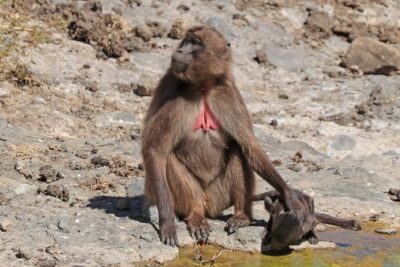
The rocks below are home to endemic Ethiopian Gelada baboons. These animals are one of the most memorable reasons to make the trip. You may need to look carefully from the bridge and surrounding viewpoint, since the baboons are down among the rocks rather than presented in a zoo-like setting.
Bring a camera with a useful zoom if wildlife photography matters to you. The tour promises the setting and the chance to see the baboons, but it cannot guarantee that every animal will pose close by. The natural setting is part of the appeal, and it also means sightings can vary.
The bridge stop lasts about one hour, with admission included. That gives you time for the view, photographs, and a chance to watch the rocks for baboon activity. It is a good balance after the monastery, though anyone hoping for a long gorge hike should know this is primarily a viewpoint stop.
Rainy-season scenery from June through September
The gorge changes with the season. From June through September, the waterfall is described as breathtaking during the rainy period. If you care most about water flowing over the cliffs, those months offer the strongest chance of seeing the gorge at its most dramatic.
The tradeoff is that rain can affect road conditions, walking comfort, and photography. The supplied details do not specify how often the waterfall flows or how weather changes the schedule, so treat the season as a useful guideline rather than a promise. The bridge and gorge remain the main attractions outside the rainy period, with the baboons and views still providing a reason to stop.
Photo stops during the drive are another advantage during changing weather. You can use them to catch countryside views, clouds, or roadside scenes that look different from the fixed viewpoints. The guide’s ability to improvise helps here, although time at each stop may vary.
Is $145 a fair price?
At $145 per person, this is not the cheapest way to leave Addis Ababa. The value depends on what you would otherwise need to arrange yourself. The price includes admission to the monastery and Portuguese Bridge, hotel pickup is offered, and the outing combines transport, guiding, cultural interpretation, photo stops, and wildlife viewing.
For a first visit to Addis Ababa, that package can make sense. You avoid the work of arranging transport to two separate sites and get a guide who can connect the religious and natural parts of the day. The ability to adjust the program around your interests adds value, especially if you want more time for photography or the cave walk.
The price is less compelling if you are focused only on a single quick viewpoint or already have private transport arranged. The two-hour drive each way also means you are paying for a full excursion rather than a brief attraction visit. I would judge the cost by the convenience and range of the day, not by the number of hours spent standing at each stop.
Group discounts may be available, which can improve the value for families or friends booking together. The group limit is 25 people. That is large enough for the atmosphere to vary, so ask about the expected group size if a quieter, more personal experience matters to you.
Who will enjoy this half-day excursion?
I would recommend this outing if you want a compact introduction to Ethiopia beyond Addis Ababa. It suits you especially well if you enjoy:
- Religious sites that remain active today
- Short hikes rather than full-day trekking
- Countryside photography
- Gorge views and seasonal waterfalls
- Wildlife sightings in a natural setting
- Guided day trips with some room to adjust the schedule
Families and mixed-interest groups may find the combination useful. One person can focus on manuscripts and church art, another can watch for baboons, and everyone gets some fresh air outside the capital.
You should think twice if you dislike early starts, long drives, or changing from a religious site to a cliff viewpoint in the same morning. The walk to the cave is modest, but the tour does not provide enough detail to promise fully step-free access. Ask before booking if you need specific mobility arrangements.
The outing also suits people with limited time in Ethiopia. You can see an old monastery, an active pilgrimage site, a museum, a holy-water cave, a historic bridge, and a gorge in one day. You will not explore any one place at great length, but you will gain a broad sense of the area.
Practical details that matter
The experience starts at 7:00 am, and pickup is offered. Confirmation is received at booking, and mobile tickets are available. The activity can accept service animals, and most people can participate.
The operator is Aspire Ethiopia Tours. The maximum group size is 25 people, and group discounts are offered. Since the program can be shaped around your interests, tell the operator in advance if you care most about the museum, photography, the cave, or wildlife.
The cancellation policy is friendly but firm. You can cancel for a full refund up to 24 hours before the start time. Changes or cancellations made less than 24 hours before departure are not accepted for a refund. The activity also requires a minimum number of bookings, and if that minimum is not reached, you will be offered another date or experience, or a full refund.
Should you book Debre Libanos and the gorge?
Book this excursion if you want an efficient, varied escape from Addis Ababa and you value having transport and guiding arranged. The strongest reasons are the active monastery, the holy-water cave, the Gelada baboons, and the chance to see the countryside during the journey rather than staying inside the capital.
I would skip it only if you want a slow, highly specialized visit or if a long drive feels like poor value. For most people with one free day, the mix is persuasive. Start early, wear practical shoes, bring water and a camera, and ask for time at the museum and cave if those matter most to you. At $145, it works best as a convenient all-in-one day outside the city, not as a quick sightseeing stop.
FAQ
How long does the Debre Libanos and gorge excursion last?
The experience lasts approximately five to seven hours. The drive from Addis Ababa to the sites takes about two hours, with photo stops along the way.
What time does the tour begin?
The tour begins at 7:00 am. Pickup is offered.
What sites are included?
The excursion includes Debre Libanos Orthodox Church, its museum and holy-water cave walk, and the Portuguese Bridge above the Jemma River Gorge.
Is admission included?
Admission tickets for Debre Libanos Orthodox Church and the Portuguese Bridge are included.
How large can the group be?
The maximum group size is 25 people. Group discounts are offered.
Can I cancel for a full refund?
Yes. You can cancel at least 24 hours before the experience begins for a full refund. Cancellations or changes made less than 24 hours before the start time are not accepted for a refund.
Just added around Addis Ababa
- 10 Days in Northern Ethiopia Tours★ 4.5 · 3 reviews
- Day Trip to Tiya UNESCO Site & Melka Kunture Archaeological Site★ 4.5 · 3 reviews
- Two days Lake Wenchi and Menagesha Forest★ 5.0 · 3 reviews
- 6 days 5 nights Addis Abeba sightseeing & Lalibela Rock-Hewn Churches★ 5.0 · 3 reviews
- Addis Ababa Half Day Shopping Tour★ 5.0 · 3 reviews
- 6 days Omo valley cultural Tour★ 5.0 · 3 reviews
- 12- Day Historical Route of Ethiopia★ 5.0 · 3 reviews
- Addis Ababa City Tour★ 4.5 · 3 reviews
Debre Libanos & Portuguese Bridge Day Trips, compared.

Day Trip From Addis Ababa To Debre Libanos & Portuguese Bridge
Read our review →
Day trip Debre Libanos, Bule nile George &Portugal Bridge
Read our review →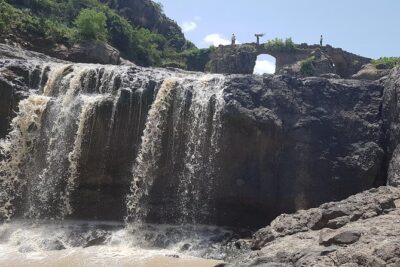
Debre Libanos Monastery and Jemma River Gorge – Day Tour from Addis Ababa
Read our review →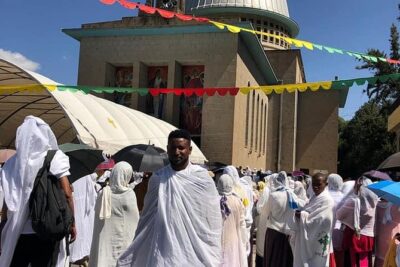
Escape From Addis – Day Trip To Debre Libanos And The Portuguese Bridge
Read our review →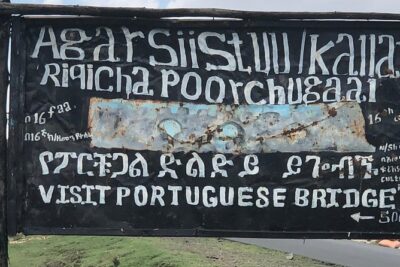
DAY TRIP TO Debre Libanos Monastery Cave Church Nature and Wildlife
Read our review →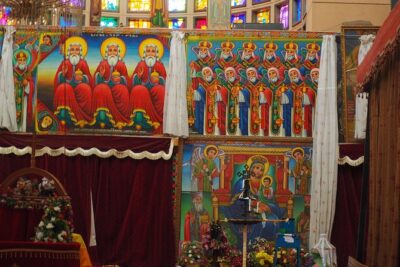
Private Day Trip to Debre Libanos Portuguese Bridge Galada Baboon
Read our review →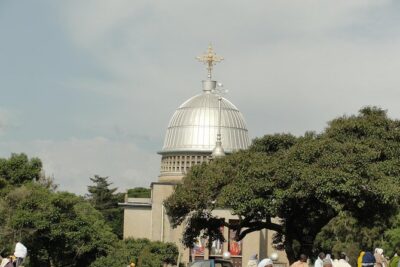
Day Trip From Addis Ababa To Debre Libanos & Blue Nile Gorge
Read our review →Browse the lists this tour appears in