
Reviewed · MELKA KUNTURE & TIYA PREHISTORY TOURS
From Bole: Tiya, Adadi Mariam, & Melka Kunture Trip
Three ancient sites, one long day south. This day trip from Bole gives you a useful break from Addis Ababa and a close look at three very different parts of Ethiopia: the rock-hewn church of Adadi Mariam, the carved stones at UNESCO-listed Tiya, and the prehistoric site of Melka Kunture. I like the strong mix of religion, archaeology, scenery, and village life. I also like that lunch, coffee, entry fees, transport, and an English-speaking guide are included.
The main drawback is the length. The day can take around seven or eight hours, and roads near some sites include gravel tracks that may be bumpy. If you want a relaxed morning with little time in the car, this is not the right outing. If you want to see important places outside the capital in one efficient trip, the $67 price is appealing.
In This Review
- Five details that make this day trip worthwhile
- Why this trip works from Addis Ababa
- Adadi Mariam, a church cut from stone
- Tiya and its silent stone symbols
- Melka Kunture and the story of early humans
- The road, the car, and the long-day reality
- Lunch and Ethiopian coffee
- Guides who add more than dates
- What the $67 price really covers
- Who should book this outing?
- Should you book the Tiya, Adadi Mariam, and Melka Kunture trip?
- FAQ
- Where does the trip begin?
- How much does the experience cost?
- Which places are visited?
- Is lunch included?
- Is a guide provided?
- Are entrance fees included?
- What should I bring?
- Is accommodation included?
- Can I cancel the booking?
Five details that make this day trip worthwhile
- Adadi Mariam is cut into living rock: Local tradition links this church to King Lalibela and the 12th century.
- Tiya has 32 carved stelae: The symbols on these stone pillars remain one of central Ethiopia’s great archaeological puzzles.
- Melka Kunture reaches far back in time: This Paleolithic site in the Upper Awash Valley became a UNESCO World Heritage Site in 2024.
- The drive adds cultural value: You pass through the countryside and see something of Gurage village life, not just isolated monuments.
- Guides make a real difference: Abe, Joseph, Dagi, Shasha, and others are praised for explaining religion, archaeology, and everyday Ethiopian life.
- The package covers the costly basics: Transport, hotel or airport pickup and drop-off, lunch, water, coffee, guide, and entrance fees are included.
Why this trip works from Addis Ababa
Addis Ababa has plenty to occupy you, but its city streets do not show the full range of Ethiopia’s past. This trip heads south into the Oromia Region, where sacred buildings, carved monuments, prehistoric tools, farmland, and small villages share one route.
I like the way the itinerary moves through three different time periods. Adadi Mariam brings you into Ethiopia’s Orthodox Christian tradition. Tiya raises questions about a later megalithic culture. Melka Kunture reaches into the story of early humans and stone-tool production.
That variety gives the day a clear purpose. You are not simply collecting monuments for photographs. You are moving through layers of Ethiopian history that are usually spread across several parts of the country.
The trip begins after breakfast, with pickup from your hotel in Bole. Airport pickup and drop-off are also included, which can help if you are fitting this outing into a short Addis visit. The exact driving pace and time at each stop are not specified, so I would confirm the pickup hour and expected return time before booking.
More prehistory day trips:
- Day trip to Adadi Mariyam and Melka kunture
★ 4.5 · 20 reviews - Day Tours to Tiya Stele and Cave Churches of Adadi Maryam
★ 5.0 · 13 reviews - Day-Trip Church of Adadi Mariam from Addis Ababa
★ 5.0 · 11 reviews
Adadi Mariam, a church cut from stone
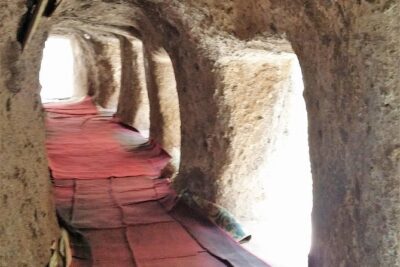
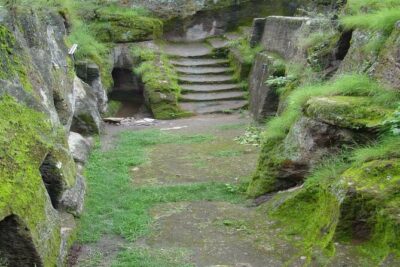
Adadi Mariam is the first major stop, and it offers the most immediate sense of place. The church is carved into rock rather than built from separate blocks, part of the remarkable church-building tradition associated with Ethiopia.
The site is believed to date from the 12th century. Local tradition says that King Lalibela, a leading ruler of the Zagwe dynasty, commissioned it. According to the hagiography of Saint Lalibela, Adadi Mariam was one of 76 rock-hewn churches connected with his lifetime of construction and excavation, including the better-known churches in Lasta.
You should treat these traditions with interest while remembering that they belong to religious and oral history. That mix is part of what makes the visit worthwhile. The church is not only an old structure. It remains tied to Ethiopian Orthodox belief and local memory.
Another tradition connects the church with Abune Gebre Menfes Kidus, one of the most respected saints of the Ethiopian Orthodox Tewahedo Church. The story says he came from Egypt to Ethiopia. A good guide can help you understand how saints, rulers, churches, and oral tradition fit together.
The church visit is guided, and the information supplied for the tour specifically notes a monastery guide as informative and kind. That matters here. Without explanation, a rock-cut church can look like a strange stone chamber. With context, you begin to see why its setting and construction carry spiritual meaning.
Wear comfortable shoes. The tour specifically recommends them, and you should expect an old religious site rather than a polished modern attraction. A sun hat and water bottle are also sensible, even though one bottle of water is included.
Tiya and its silent stone symbols
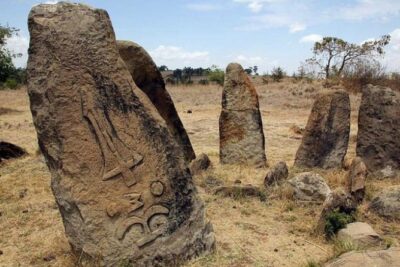
The second stop is Tiya, an archaeological site in central Ethiopia and a UNESCO World Heritage Site since 1980. It contains 36 monuments, including 32 carved stelae covered with symbols.
These upright stone pillars are the main reason to come. Their markings are not simply decoration in the casual sense. They point to a society that invested time and skill in marking a ceremonial or burial setting, yet much about their meaning remains uncertain.
The site has been dated to between the 11th and 13th centuries, making it relatively recent compared with Melka Kunture. That contrast helps you read the stones in sequence. After visiting an active religious site linked to medieval traditions, you reach a place shaped by a different society whose symbols still invite questions.
I would allow yourself time to look closely at the carvings instead of rushing from one stone to the next. Your guide can point out repeated forms and explain what is known about the site. The attraction is not a large building or a dramatic interior. It is the quiet concentration of the stone field.
Tiya is also a good place to use your camera, but photography should not replace looking. Bring your passport or ID card, since the tour information says visitors should carry identification. Entry fees are included, so you do not need to budget separately for the site entrance.
Melka Kunture and the story of early humans
Melka Kunture changes the subject again. It is a Paleolithic site in the Upper Awash Valley, an area connected with early human activity and stone tools. The site became a UNESCO World Heritage Site in 2024, making it a newer addition to Ethiopia’s international heritage circuit.
The physical setting is part of the explanation. The Melka Kunture area includes valleys with inner terraces that resisted erosion. Those stable terraces helped preserve archaeological material over very long periods.
Do not expect a grand monument here. The value lies in the evidence beneath and around the site, and in the chance to connect a real place with the earliest chapters of human history. A guide who can explain early humans and archaeology will make this stop much more rewarding than a quick unaccompanied visit.
One guide named in the feedback is Abe, who is praised for explaining both Ethiopian religious history and early humans. Joseph and Dagi are also described as strong guides, with Dagi especially noted for being friendly and well informed. Names can change depending on the day, but these details show why it is worth asking for a guide with strength in archaeology if that is your main interest.
Since Melka Kunture was added to the World Heritage list in 2024, some visitors may find the site less familiar than Tiya. That is a benefit if you prefer places that still feel focused on interpretation rather than souvenir shopping. It also means you should keep your expectations practical: this is an archaeological site, not a large museum complex.
A few more tours of this kind worth a look:
- Full Day Tour of Addis Ababa with Hotel Pickup and Drop-off
★ 5.0 · 430 reviews - Taste of Ethiopia
★ 5.0 · 406 reviews - Day Trip From Addis Ababa See Historical Monastery,Stunning Nature,Animals,Birds
★ 5.0 · 303 reviews - Addis Ababa: Debre Libanos, Blue Nile Gorge, and Cave Tour
★ 4.5 · 256 reviews
The road, the car, and the long-day reality
Transport is provided in a car with a professional driver. One account specifically says a 4×4 was welcome because parts of the route used gravel tracks and could be quite bumpy.
That is useful information, especially if you are sensitive to rough roads. The vehicle can make a major difference, but no car turns a rural gravel road into a smooth highway. Bring water, wear supportive shoes, and keep your camera secure while driving.
The road itself is part of the experience. You leave Addis Ababa and see countryside, small settlements, and Gurage village life. The supplied information does not promise a formal village visit or a set meeting with residents, so think of this as cultural observation along the route rather than a staged village activity.
That distinction matters. You may see ordinary daily life from the road, with your guide explaining what you are seeing. The guide’s role is important because a passing view of a village tells you very little on its own.
The outing is usually described as a full day, with one account putting the Adadi Mariam trip at about seven or eight hours and beginning at 8 a.m. Since the itinerary includes three substantial stops, lunch, and the return drive, you should not plan a tight evening appointment in Addis Ababa.
Lunch and Ethiopian coffee
Lunch is included, along with Ethiopian coffee. The food is described as simple, excellent, and typical Ethiopian cooking.
That is a useful part of the day, not just a box to tick. A shared Ethiopian meal can give you another way to understand local custom, especially after a morning spent discussing churches, saints, stones, and early humans. The coffee also fits the setting and gives the day a welcome pause.
The exact restaurant and menu are not specified, so you should not book this expecting a particular dish. Alcoholic drinks are excluded, as are personal expenses and dinner. If you need anything beyond the included bottle of water, carry some cash for your own purchases.
I like that lunch and coffee are built into the price. You do not have to lose sightseeing time searching for a place to eat, and the meal makes the $67 cost easier to judge.
Guides who add more than dates
The strongest praise for this outing goes to the guides and drivers. Joseph is singled out for explaining both the sites and Ethiopian ways of life. Abe is praised for linking religious history with early human history. Dagi is described as friendly and well informed.
Abe and George are also praised as a strong guide and driver team, from the first pickup to the final return. Shasha and Neway receive similar praise for kindness, local insight, and knowing good places for photographs.
You should not assume you will receive a particular person unless the company confirms it. Still, the pattern is clear: the human side of the tour is one of its main advantages. The company is Aman Ethiopia Tour & Travel, and the experience is conducted in English.
A good guide changes the balance of this trip. Tiya’s symbols need interpretation. Adadi Mariam needs religious and historical context. Melka Kunture needs archaeology explained in plain language. The guide also helps you understand the countryside rather than treating it as scenery between stops.
What the $67 price really covers
At $67 per person, this is a strong-value day if you would otherwise need to arrange a vehicle, driver, guide, meals, coffee, and three entrance fees separately.
Included services are:
- Hotel pickup and drop-off
- Airport pickup and drop-off
- Transport with a professional driver
- English-speaking guide
- Entrance fees
- Lunch
- Bottle of water
- Ethiopian coffee
Hotel accommodation is not included. Dinner, alcohol, and personal expenses are also left out. That is normal for a day excursion, but it is worth checking if you are comparing the price with a longer package.
The value is especially good for a first visit to Addis Ababa when you want to see more than the city but do not have time for a multiday journey. The trip also offers flexibility at booking: you can reserve and pay later, and cancellation is allowed up to 24 hours before departure for a full refund.
The overall rating is 4.9 from 31 ratings, and the consistent praise centers on friendly staff, flexibility, clear explanations, good food, and professional driving. The most useful takeaway for me is not the number itself. It is that the service seems to adapt to visitor needs, including a modified version that added Melka Kunture.
Who should book this outing?
I would recommend it to anyone staying in Addis Ababa who wants archaeology, religious heritage, and rural scenery in one day. It suits curious first-time visitors, history fans, photographers, and people who want a taste of Ethiopia outside the capital without arranging an entire private itinerary.
It is also a good choice if you value conversation. The guide can explain Ethiopian religious traditions and everyday life, not just announce dates at each site.
I would be more cautious if you dislike long drives, uneven roads, or a schedule built around several major stops. The tour is not presented as a slow, deeply focused visit to one church or one archaeological site. Its strength is range.
Bring your passport or ID card, comfortable shoes, camera, and sun hat. The tour information also says all visitors must show a COVID-19 test certificate, so confirm that requirement before departure because such rules can change.
Should you book the Tiya, Adadi Mariam, and Melka Kunture trip?
Book it if you want a well-priced day beyond Addis Ababa and you like your sightseeing with context. The combination is unusually good: a medieval rock-hewn church, carved stone monuments, and a Paleolithic site newly recognized by UNESCO.
The main decision comes down to stamina. You will spend much of the day on the road, and some of that road may be rough. But with lunch, coffee, transport, entry fees, and a guide included, $67 buys a substantial introduction to the history and daily life south of the capital.
If possible, ask whether Abe, Joseph, or Dagi is available, especially if archaeology and religious history are your priorities. For a first look at the countryside around Addis Ababa, this is a practical and worthwhile choice.
FAQ
Where does the trip begin?
The trip begins with pickup from your hotel in Bole after breakfast. Airport pickup and drop-off are also included.
How much does the experience cost?
The listed price is $67 per person.
Which places are visited?
The trip visits Adadi Mariam Rock-Hewn Church, the UNESCO World Heritage Site of Tiya, and the Melka Kunture prehistoric site.
Is lunch included?
Yes. Lunch, one bottle of water, and Ethiopian coffee are included.
Is a guide provided?
Yes. An English-speaking guide is included, along with a car and professional driver.
Are entrance fees included?
Yes. Entrance fees for the listed sites are included.
What should I bring?
Bring a passport or ID card, comfortable shoes, a camera, and a sun hat.
Is accommodation included?
No. Hotel accommodation is not included, although hotel pickup and drop-off are included.
Can I cancel the booking?
You can cancel up to 24 hours in advance for a full refund. The experience also allows you to reserve and pay later.
Just added around Addis Ababa
- 10 Days in Northern Ethiopia Tours★ 4.5 · 3 reviews
- Two days Lake Wenchi and Menagesha Forest★ 5.0 · 3 reviews
- Day Trip to Tiya UNESCO Site & Melka Kunture Archaeological Site★ 4.5 · 3 reviews
- 6 days 5 nights Addis Abeba sightseeing & Lalibela Rock-Hewn Churches★ 5.0 · 3 reviews
- Addis Ababa Half Day Shopping Tour★ 5.0 · 3 reviews
- 6 days Omo valley cultural Tour★ 5.0 · 3 reviews
- 12- Day Historical Route of Ethiopia★ 5.0 · 3 reviews
- Addis Ababa City Tour★ 4.5 · 3 reviews
Melka Kunture & Tiya Prehistory Tours, compared.
Day Tours to Tiya Stele and Cave Churches of Adadi Maryam
Read our review →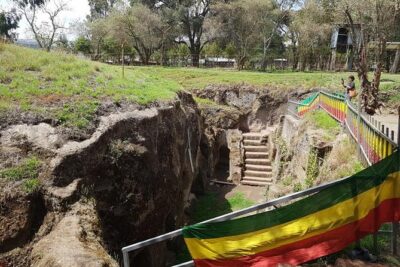
DAY TRIP TO THE UNESCO HERITAGE SITE TIYA & Melka Kunture
Read our review →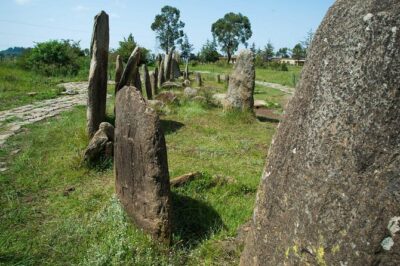
Day trip to Adadi Mariyam, Tiya and Melka kunture
Read our review →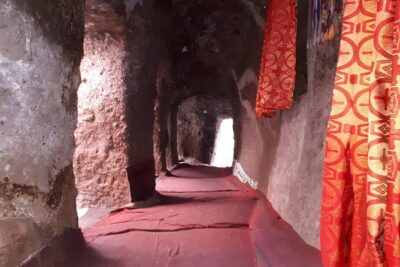
Excursion to Melka Kuntre, Tiya and Adadi Mariam
Read our review →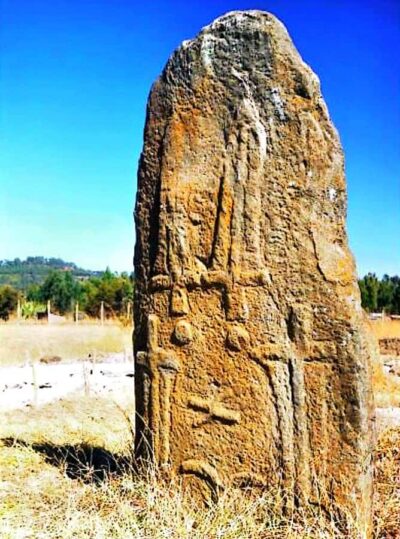
Day trip Adadi Mariam, Melka Kunture and Tiya stele
Read our review →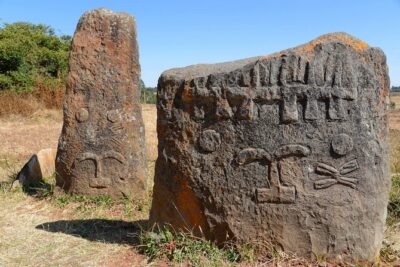
Rock Hewn Churches of Adadi Maryam, Tiya Stele & Melka Kunture
Read our review →Browse the lists this tour appears in